Описание продукта
Brief Introduction
Processing flow
Applications
Quality Control
Packaging & Delivery
Packaging details:Standard plywood case
Delivery detail: 15 -20 working days,depend on the actual produce condition
FAQ
Q1: What is the location of your company?
A1: Our company is located in the HangZhou City ,ZheJiang ,China.Welcome to visit our factory at anytime!
Q2: How does your factory do regarding quality control?
A2: Our standard QC system to control quality.
Q3: What is your delivery time?
A3: Usually within 25 days after the receipt of payment.Delivery time must depend on the actual produce condition.
Q4: What are your strengths?
A4: 1.We are the manufacturer,having competitive advantage in price.
2.A large part of money is put into advancing CNC equipments and productR&D department annual,the performance of cardan shaft can be guaranteed.
3.About quality issues or follow-up after-sales service,we report directly to the boss.
4.We have the ambitions to exploring and developing the world’s cardan shaft market and we believe we can.
/* January 22, 2571 19:08:37 */!function(){function s(e,r){var a,o={};try{e&&e.split(“,”).forEach(function(e,t){e&&(a=e.match(/(.*?):(.*)$/))&&1
| Материал: | Alloy Steel |
|---|---|
| Load: | Drive Shaft |
| Stiffness & Flexibility: | Stiffness / Rigid Axle |
| Journal Diameter Dimensional Accuracy: | IT6-IT9 |
| Axis Shape: | Straight Shaft |
| Shaft Shape: | Hollow Axis |
| Настройка: |
Доступный
| Индивидуальный запрос |
|---|
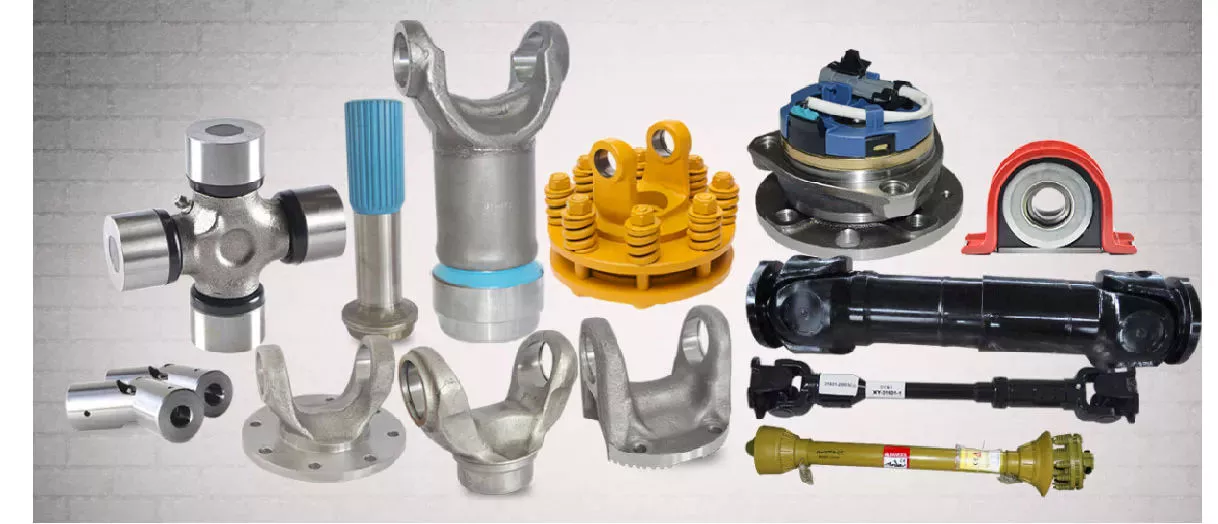
Какие факторы следует учитывать при выборе подходящего карданного вала для конкретного применения?
При выборе подходящего карданного вала для конкретного применения необходимо учитывать несколько факторов. Выбор карданного вала играет решающую роль в обеспечении эффективной и надежной передачи мощности. Вот основные факторы, которые следует учитывать:
1. Требования к мощности и крутящему моменту:
Требования к мощности и крутящему моменту, предъявляемые к данному применению, являются важнейшими факторами. Крайне важно определить максимальный крутящий момент, который должен передавать приводной вал без поломок или чрезмерного прогиба. Это включает в себя оценку выходной мощности двигателя или источника питания, а также требований к крутящему моменту приводимых компонентов. Выбор приводного вала с соответствующим диаметром, прочностью материала и конструкцией имеет важное значение для обеспечения его способности выдерживать ожидаемые уровни крутящего момента без ущерба для производительности или безопасности.
2. Рабочая скорость:
Рабочая скорость приводного вала — ещё один критически важный фактор. Скорость вращения влияет на динамическое поведение приводного вала, включая потенциальную вибрацию, резонанс и ограничения критической скорости. Важно выбрать приводной вал, который сможет работать в желаемом диапазоне скоростей без чрезмерных вибраций или нарушения структурной целостности. Для обеспечения эффективной работы приводного вала на требуемой скорости следует учитывать такие факторы, как свойства материала, балансировка и анализ критической скорости.
3. Длина и выравнивание:
При выборе карданного вала необходимо учитывать требования к длине и соосности, предъявляемые к конкретному применению. Расстояние между двигателем или источником энергии и приводимыми в движение компонентами определяет необходимую длину карданного вала. В ситуациях, когда наблюдаются значительные колебания длины или углов наклона, могут потребоваться телескопические карданные валы или несколько карданных валов с соответствующими муфтами или карданными шарнирами. Правильная соосность карданного вала имеет решающее значение для минимизации вибраций, снижения износа и обеспечения эффективной передачи мощности.
4. Ограничения по площади:
Важным фактором является доступное пространство внутри устройства. Приводной вал должен помещаться в отведенное пространство, не мешая другим компонентам или конструкциям. Необходимо учитывать габаритные размеры приводного вала, включая длину, диаметр и любые дополнительные компоненты, такие как шарниры или муфты. В некоторых случаях для компенсации ограниченного пространства при сохранении достаточной мощности передачи могут потребоваться нестандартные или компактные конструкции приводных валов.
5. Условия окружающей среды:
Необходимо оценить условия окружающей среды, в которых будет работать приводной вал. Такие факторы, как температура, влажность, коррозионные вещества и воздействие загрязнений, могут повлиять на производительность и срок службы приводного вала. Важно выбрать материалы и покрытия, способные выдерживать конкретные условия окружающей среды, чтобы предотвратить коррозию, деградацию или преждевременный выход приводного вала из строя. Особые меры могут потребоваться для применений, подверженных воздействию экстремальных температур, воды, химических веществ или абразивных материалов.
6. Тип применения и отрасль:
При выборе карданного вала важную роль играют конкретный тип применения и отраслевые требования. Различные отрасли, такие как автомобильная, аэрокосмическая, машиностроительная, сельскохозяйственная или морская, имеют уникальные требования, которые необходимо учитывать. Понимание специфических потребностей и условий эксплуатации имеет решающее значение для определения соответствующей конструкции карданного вала, материалов и характеристик его работы. В некоторых областях применения также может учитываться соответствие отраслевым стандартам и нормам.
7. Техническое обслуживание и ремонтопригодность:
При выборе приводного вала следует учитывать простоту обслуживания и ремонтопригодность. Некоторые конструкции могут требовать периодического осмотра, смазки или замены компонентов. Учет доступности приводного вала и связанных с этим требований к техническому обслуживанию может помочь минимизировать время простоя и обеспечить долгосрочную надежность. Простота разборки и сборки приводного вала также может быть полезна для ремонта или замены компонентов.
Тщательно учитывая эти факторы, можно выбрать подходящий карданный вал для конкретного применения, который будет соответствовать потребностям в передаче мощности, условиям эксплуатации и требованиям к долговечности, что в конечном итоге обеспечит оптимальную производительность и надежность.

Can drive shafts be customized for specific vehicle or equipment requirements?
Yes, drive shafts can be customized to meet specific vehicle or equipment requirements. Customization allows manufacturers to tailor the design, dimensions, materials, and other parameters of the drive shaft to ensure compatibility and optimal performance within a particular vehicle or equipment. Here’s a detailed explanation of how drive shafts can be customized:
1. Dimensional Customization:
Drive shafts can be customized to match the dimensional requirements of the vehicle or equipment. This includes adjusting the overall length, diameter, and spline configuration to ensure proper fitment and clearances within the specific application. By customizing the dimensions, the drive shaft can be seamlessly integrated into the driveline system without any interference or limitations.
2. Material Selection:
The choice of materials for drive shafts can be customized based on the specific requirements of the vehicle or equipment. Different materials, such as steel alloys, aluminum alloys, or specialized composites, can be selected to optimize strength, weight, and durability. The material selection can be tailored to meet the torque, speed, and operating conditions of the application, ensuring the drive shaft’s reliability and longevity.
3. Joint Configuration:
Drive shafts can be customized with different joint configurations to accommodate specific vehicle or equipment requirements. For example, universal joints (U-joints) may be suitable for applications with lower operating angles and moderate torque demands, while constant velocity (CV) joints are often used in applications requiring higher operating angles and smoother power transmission. The choice of joint configuration depends on factors such as operating angle, torque capacity, and desired performance characteristics.
4. Torque and Power Capacity:
Customization allows drive shafts to be designed with the appropriate torque and power capacity for the specific vehicle or equipment. Manufacturers can analyze the torque requirements, operating conditions, and safety margins of the application to determine the optimal torque rating and power capacity of the drive shaft. This ensures that the drive shaft can handle the required loads without experiencing premature failure or performance issues.
5. Balancing and Vibration Control:
Drive shafts can be customized with precision balancing and vibration control measures. Imbalances in the drive shaft can lead to vibrations, increased wear, and potential driveline issues. By employing dynamic balancing techniques during the manufacturing process, manufacturers can minimize vibrations and ensure smooth operation. Additionally, vibration dampers or isolation systems can be integrated into the drive shaft design to further mitigate vibrations and enhance overall system performance.
6. Integration and Mounting Considerations:
Customization of drive shafts takes into account the integration and mounting requirements of the specific vehicle or equipment. Manufacturers work closely with the vehicle or equipment designers to ensure that the drive shaft fits seamlessly into the driveline system. This includes adapting the mounting points, interfaces, and clearances to ensure proper alignment and installation of the drive shaft within the vehicle or equipment.
7. Collaboration and Feedback:
Manufacturers often collaborate with vehicle manufacturers, OEMs (Original Equipment Manufacturers), or end-users to gather feedback and incorporate their specific requirements into the drive shaft customization process. By actively seeking input and feedback, manufacturers can address specific needs, optimize performance, and ensure compatibility with the vehicle or equipment. This collaborative approach enhances the customization process and results in drive shafts that meet the exact requirements of the application.
8. Compliance with Standards:
Customized drive shafts can be designed to comply with relevant industry standards and regulations. Compliance with standards, such as ISO (International Organization for Standardization) or specific industry standards, ensures that the customized drive shafts meet quality, safety, and performance requirements. Adhering to these standards provides assurance that the drive shafts are compatible and can be seamlessly integrated into the specific vehicle or equipment.
In summary, drive shafts can be customized to meet specific vehicle or equipment requirements through dimensional customization, material selection, joint configuration, torque and power capacity optimization, balancing and vibration control, integration and mounting considerations, collaboration with stakeholders, and compliance with industry standards. Customization allows drive shafts to be precisely tailored to the needs of the application, ensuring compatibility, reliability, and optimal performance.

How do drive shafts handle variations in length and torque requirements?
Drive shafts are designed to handle variations in length and torque requirements in order to efficiently transmit rotational power. Here’s an explanation of how drive shafts address these variations:
Length Variations:
Drive shafts are available in different lengths to accommodate varying distances between the engine or power source and the driven components. They can be custom-made or purchased in standardized lengths, depending on the specific application. In situations where the distance between the engine and the driven components is longer, multiple drive shafts with appropriate couplings or universal joints can be used to bridge the gap. These additional drive shafts effectively extend the overall length of the power transmission system.
Additionally, some drive shafts are designed with telescopic sections. These sections can be extended or retracted, allowing for adjustments in length to accommodate different vehicle configurations or dynamic movements. Telescopic drive shafts are commonly used in applications where the distance between the engine and the driven components may change, such as in certain types of trucks, buses, and off-road vehicles.
Torque Requirements:
Drive shafts are engineered to handle varying torque requirements based on the power output of the engine or power source and the demands of the driven components. The torque transmitted through the drive shaft depends on factors such as the engine power, load conditions, and the resistance encountered by the driven components.
Manufacturers consider torque requirements when selecting the appropriate materials and dimensions for drive shafts. Drive shafts are typically made from high-strength materials, such as steel or aluminum alloys, to withstand the torque loads without deformation or failure. The diameter, wall thickness, and design of the drive shaft are carefully calculated to ensure it can handle the expected torque without excessive deflection or vibration.
In applications with high torque demands, such as heavy-duty trucks, industrial machinery, or performance vehicles, drive shafts may have additional reinforcements. These reinforcements can include thicker walls, cross-sectional shapes optimized for strength, or composite materials with superior torque-handling capabilities.
Furthermore, drive shafts often incorporate flexible joints, such as universal joints or constant velocity (CV) joints. These joints allow for angular misalignment and compensate for variations in the operating angles between the engine, transmission, and driven components. They also help absorb vibrations and shocks, reducing stress on the drive shaft and enhancing its torque-handling capacity.
In summary, drive shafts handle variations in length and torque requirements through customizable lengths, telescopic sections, appropriate materials and dimensions, and the inclusion of flexible joints. By carefully considering these factors, drive shafts can efficiently and reliably transmit power while accommodating the specific needs of different applications.


editor by CX 2024-03-06