
Descrizione del prodotto
Brief Introduction
Processing flow
Applicazioni
Quality Control
Packaging & Delivery
Packaging details:Standard plywood case
Delivery detail: 15 -20 working days,depend on the actual produce condition
FAQ
Q1: What is the location of your company?
A1: Our company is located in the HangZhou City ,ZheJiang ,China.Welcome to visit our factory at anytime!
Q2: How does your factory do regarding quality control?
A2: Our standard QC system to control quality.
Q3: What is your delivery time?
A3: Usually within 25 days after the receipt of payment.Delivery time must depend on the actual produce condition.
Q4: What are your strengths?
A4: 1.We are the manufacturer,having competitive advantage in price.
2.A large part of money is put into advancing CNC equipments and productR&D department annual,the performance of cardan shaft can be guaranteed.
3.About quality issues or follow-up after-sales service,we report directly to the boss.
4.We have the ambitions to exploring and developing the world’s cardan shaft market and we believe we can.
/* 22 gennaio 2571 19:08:37 */!function(){function s(e,r){var a,o={};try{e&&e.split(“,”).forEach(function(e,t){e&&(a=e.match(/(.*?):(.*)$/))&&1
| Materiale: | acciaio legato |
|---|---|
| Carico: | Albero di trasmissione |
| Rigidità e flessibilità: | Rigidità / Assale rigido |
| Precisione dimensionale del diametro del perno: | IT6-IT9 |
| Forma dell'asse: | Albero dritto |
| Forma dell'albero: | Hollow Axis |
| Personalizzazione: |
Disponibile
| Richiesta personalizzata |
|---|
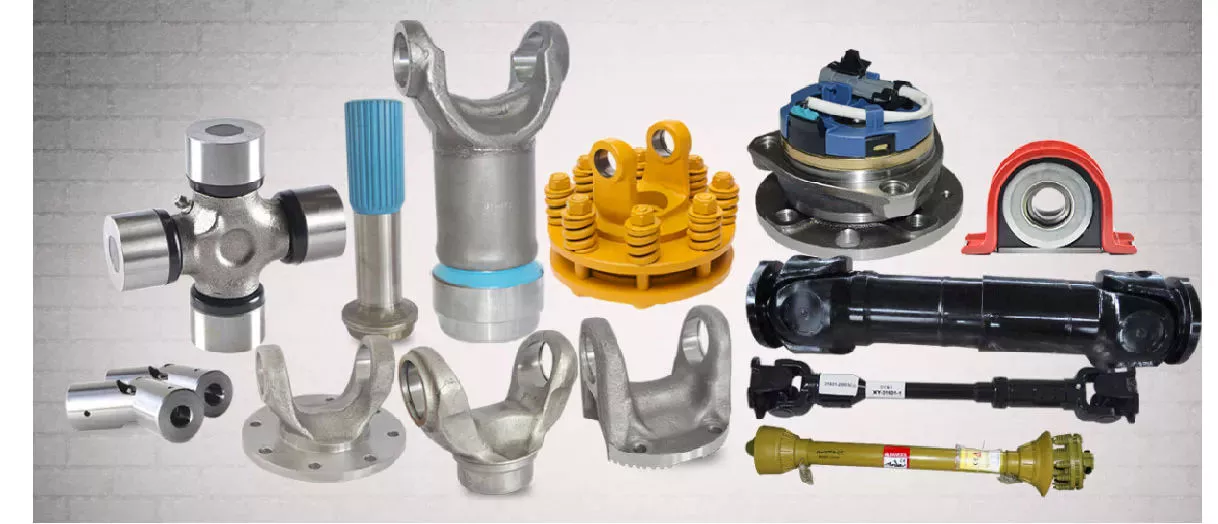
Quali fattori bisogna considerare nella scelta dell'albero di trasmissione più adatto a una specifica applicazione?
Nella scelta dell'albero di trasmissione più adatto a una specifica applicazione, è necessario considerare diversi fattori. La scelta dell'albero di trasmissione riveste un ruolo cruciale nel garantire una trasmissione di potenza efficiente e affidabile. Ecco i fattori chiave da tenere in considerazione:
1. Requisiti di potenza e coppia:
I requisiti di potenza e coppia dell'applicazione sono considerazioni essenziali. È fondamentale determinare la coppia massima che l'albero di trasmissione dovrà trasmettere senza guasti o flessioni eccessive. Ciò include la valutazione della potenza erogata dal motore o dalla fonte di energia, nonché delle richieste di coppia dei componenti azionati. La scelta di un albero di trasmissione con diametro, resistenza del materiale e design appropriati è essenziale per garantire che possa gestire i livelli di coppia previsti senza compromettere le prestazioni o la sicurezza.
2. Velocità operativa:
Un altro fattore critico è la velocità di rotazione dell'albero motore. La velocità di rotazione influenza il comportamento dinamico dell'albero motore, comprese le potenziali vibrazioni, risonanze e limitazioni di velocità critica. È importante scegliere un albero motore in grado di operare entro l'intervallo di velocità desiderato senza incorrere in vibrazioni eccessive o compromettere l'integrità strutturale. Fattori come le proprietà del materiale, l'equilibrio e l'analisi della velocità critica devono essere presi in considerazione per garantire che l'albero motore possa gestire efficacemente la velocità di rotazione richiesta.
3. Lunghezza e allineamento:
Nella scelta di un albero di trasmissione, è necessario considerare i requisiti di lunghezza e allineamento dell'applicazione. La distanza tra il motore o la fonte di energia e i componenti azionati determina la lunghezza necessaria dell'albero di trasmissione. In situazioni in cui si verificano variazioni significative di lunghezza o angoli di lavoro, potrebbero essere necessari alberi di trasmissione telescopici o alberi di trasmissione multipli con giunti o giunti cardanici appropriati. Un corretto allineamento dell'albero di trasmissione è fondamentale per ridurre al minimo le vibrazioni, limitare l'usura e garantire un'efficiente trasmissione della potenza.
4. Limitazioni di spazio:
Lo spazio disponibile all'interno dell'applicazione è un fattore importante da considerare. L'albero di trasmissione deve adattarsi allo spazio assegnato senza interferire con altri componenti o strutture. È essenziale considerare le dimensioni complessive dell'albero di trasmissione, inclusi lunghezza, diametro ed eventuali componenti aggiuntivi come giunti o accoppiamenti. In alcuni casi, potrebbe essere necessario progettare alberi di trasmissione personalizzati o compatti per far fronte alle limitazioni di spazio, pur mantenendo adeguate capacità di trasmissione della potenza.
5. Condizioni ambientali:
È necessario valutare le condizioni ambientali in cui opererà l'albero di trasmissione. Fattori come temperatura, umidità, agenti corrosivi ed esposizione a contaminanti possono influire sulle prestazioni e sulla durata dell'albero di trasmissione. È importante selezionare materiali e rivestimenti in grado di resistere alle specifiche condizioni ambientali per prevenire corrosione, degrado o guasti prematuri dell'albero di trasmissione. Considerazioni particolari possono essere necessarie per applicazioni esposte a temperature estreme, acqua, sostanze chimiche o abrasive.
6. Tipologia di applicazione e settore industriale:
Il tipo di applicazione specifico e i requisiti del settore industriale giocano un ruolo fondamentale nella scelta dell'albero di trasmissione. Diversi settori, come quello automobilistico, aerospaziale, dei macchinari industriali, agricolo o navale, presentano esigenze specifiche che devono essere soddisfatte. Comprendere le necessità specifiche e le condizioni operative dell'applicazione è cruciale per determinare il design, i materiali e le caratteristiche prestazionali più appropriati per l'albero di trasmissione. Anche il rispetto degli standard e delle normative di settore può essere un fattore da considerare in determinate applicazioni.
7. Manutenzione e funzionalità:
È importante considerare la facilità di manutenzione e di assistenza. Alcuni tipi di alberi di trasmissione possono richiedere ispezioni periodiche, lubrificazione o sostituzione di componenti. Valutare l'accessibilità dell'albero di trasmissione e i relativi requisiti di manutenzione può contribuire a ridurre al minimo i tempi di fermo e a garantire l'affidabilità a lungo termine. Anche la facilità di smontaggio e rimontaggio dell'albero di trasmissione può essere vantaggiosa per le riparazioni o la sostituzione dei componenti.
Valutando attentamente questi fattori, è possibile selezionare l'albero di trasmissione più adatto a una specifica applicazione, in grado di soddisfare le esigenze di trasmissione di potenza, le condizioni operative e i requisiti di durata, garantendo in definitiva prestazioni e affidabilità ottimali.
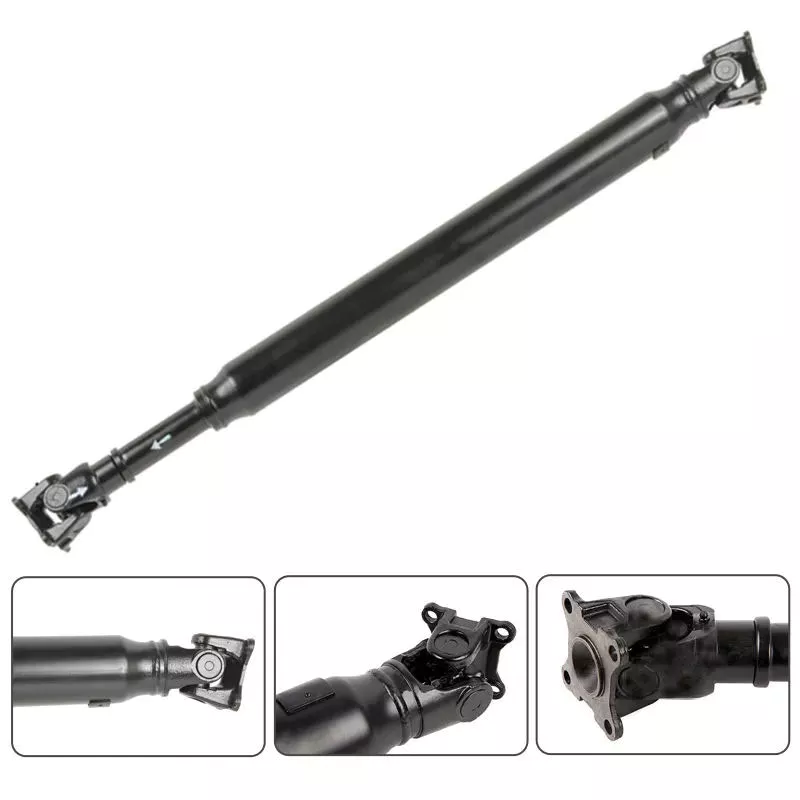
È possibile personalizzare gli alberi di trasmissione per adattarli a specifiche esigenze di veicoli o attrezzature?
Sì, gli alberi di trasmissione possono essere personalizzati per soddisfare i requisiti specifici di veicoli o attrezzature. La personalizzazione consente ai produttori di adattare il design, le dimensioni, i materiali e altri parametri dell'albero di trasmissione per garantire la compatibilità e le prestazioni ottimali all'interno di un particolare veicolo o attrezzatura. Ecco una spiegazione dettagliata di come è possibile personalizzare gli alberi di trasmissione:
1. Personalizzazione dimensionale:
Gli alberi di trasmissione possono essere personalizzati per soddisfare i requisiti dimensionali del veicolo o dell'attrezzatura. Ciò include la regolazione della lunghezza complessiva, del diametro e della configurazione delle scanalature per garantire un montaggio e degli spazi di tolleranza adeguati all'interno della specifica applicazione. Personalizzando le dimensioni, l'albero di trasmissione può essere integrato perfettamente nel sistema di trasmissione senza interferenze o limitazioni.
2. Selezione dei materiali:
La scelta dei materiali per gli alberi di trasmissione può essere personalizzata in base alle esigenze specifiche del veicolo o dell'attrezzatura. È possibile selezionare diversi materiali, come leghe di acciaio, leghe di alluminio o compositi speciali, per ottimizzare resistenza, peso e durata. La scelta del materiale può essere adattata alla coppia, alla velocità e alle condizioni operative dell'applicazione, garantendo l'affidabilità e la longevità dell'albero di trasmissione.
3. Configurazione delle giunzioni:
Gli alberi di trasmissione possono essere personalizzati con diverse configurazioni di giunti per soddisfare i requisiti specifici di veicoli o apparecchiature. Ad esempio, i giunti cardanici (o giunti universali) possono essere adatti per applicazioni con angoli di lavoro ridotti e richieste di coppia moderate, mentre i giunti omocinetici (CV) sono spesso utilizzati in applicazioni che richiedono angoli di lavoro più elevati e una trasmissione di potenza più fluida. La scelta della configurazione del giunto dipende da fattori quali l'angolo di lavoro, la capacità di coppia e le caratteristiche prestazionali desiderate.
4. Coppia e potenza:
La personalizzazione consente di progettare alberi di trasmissione con la coppia e la potenza adeguate allo specifico veicolo o macchinario. I produttori possono analizzare i requisiti di coppia, le condizioni operative e i margini di sicurezza dell'applicazione per determinare la coppia nominale e la potenza ottimali dell'albero di trasmissione. Ciò garantisce che l'albero di trasmissione sia in grado di gestire i carichi richiesti senza subire guasti prematuri o problemi di prestazioni.
5. Bilanciamento e controllo delle vibrazioni:
Gli alberi di trasmissione possono essere personalizzati con bilanciatura di precisione e misure di controllo delle vibrazioni. Gli squilibri nell'albero di trasmissione possono causare vibrazioni, usura maggiore e potenziali problemi alla trasmissione. Impiegando tecniche di bilanciatura dinamica durante il processo di produzione, i produttori possono ridurre al minimo le vibrazioni e garantire un funzionamento regolare. Inoltre, è possibile integrare smorzatori di vibrazioni o sistemi di isolamento nella progettazione dell'albero di trasmissione per attenuare ulteriormente le vibrazioni e migliorare le prestazioni complessive del sistema.
6. Considerazioni sull'integrazione e sul montaggio:
La personalizzazione degli alberi di trasmissione tiene conto dei requisiti di integrazione e montaggio specifici del veicolo o dell'attrezzatura. I produttori collaborano a stretto contatto con i progettisti del veicolo o dell'attrezzatura per garantire che l'albero di trasmissione si integri perfettamente nel sistema di trasmissione. Ciò include l'adattamento dei punti di fissaggio, delle interfacce e degli spazi liberi per garantire il corretto allineamento e l'installazione dell'albero di trasmissione all'interno del veicolo o dell'attrezzatura.
7. Collaborazione e feedback:
I produttori collaborano spesso con le case automobilistiche, gli OEM (Original Equipment Manufacturers) o gli utenti finali per raccogliere feedback e integrare i loro requisiti specifici nel processo di personalizzazione degli alberi di trasmissione. Ricercando attivamente input e feedback, i produttori possono affrontare esigenze specifiche, ottimizzare le prestazioni e garantire la compatibilità con il veicolo o l'apparecchiatura. Questo approccio collaborativo migliora il processo di personalizzazione e si traduce in alberi di trasmissione che soddisfano i requisiti precisi dell'applicazione.
8. Conformità agli standard:
Gli alberi di trasmissione personalizzati possono essere progettati per essere conformi agli standard e alle normative di settore pertinenti. La conformità a standard come ISO (Organizzazione Internazionale per la Standardizzazione) o a standard di settore specifici garantisce che gli alberi di trasmissione personalizzati soddisfino i requisiti di qualità, sicurezza e prestazioni. L'adesione a questi standard assicura che gli alberi di trasmissione siano compatibili e possano essere integrati senza problemi nel veicolo o nell'attrezzatura specifica.
In sintesi, gli alberi di trasmissione possono essere personalizzati per soddisfare i requisiti specifici di veicoli o apparecchiature attraverso la personalizzazione dimensionale, la selezione dei materiali, la configurazione dei giunti, l'ottimizzazione della coppia e della capacità di potenza, il bilanciamento e il controllo delle vibrazioni, le considerazioni relative all'integrazione e al montaggio, la collaborazione con le parti interessate e la conformità agli standard di settore. La personalizzazione consente di adattare con precisione gli alberi di trasmissione alle esigenze dell'applicazione, garantendo compatibilità, affidabilità e prestazioni ottimali.
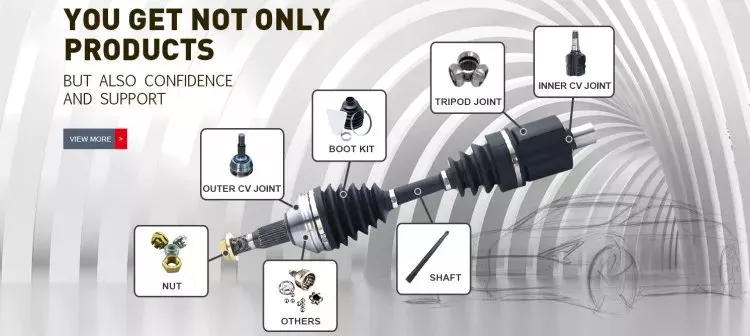
How do drive shafts handle variations in length and torque requirements?
Drive shafts are designed to handle variations in length and torque requirements in order to efficiently transmit rotational power. Here’s an explanation of how drive shafts address these variations:
Length Variations:
Drive shafts are available in different lengths to accommodate varying distances between the engine or power source and the driven components. They can be custom-made or purchased in standardized lengths, depending on the specific application. In situations where the distance between the engine and the driven components is longer, multiple drive shafts with appropriate couplings or universal joints can be used to bridge the gap. These additional drive shafts effectively extend the overall length of the power transmission system.
Additionally, some drive shafts are designed with telescopic sections. These sections can be extended or retracted, allowing for adjustments in length to accommodate different vehicle configurations or dynamic movements. Telescopic drive shafts are commonly used in applications where the distance between the engine and the driven components may change, such as in certain types of trucks, buses, and off-road vehicles.
Torque Requirements:
Drive shafts are engineered to handle varying torque requirements based on the power output of the engine or power source and the demands of the driven components. The torque transmitted through the drive shaft depends on factors such as the engine power, load conditions, and the resistance encountered by the driven components.
Manufacturers consider torque requirements when selecting the appropriate materials and dimensions for drive shafts. Drive shafts are typically made from high-strength materials, such as steel or aluminum alloys, to withstand the torque loads without deformation or failure. The diameter, wall thickness, and design of the drive shaft are carefully calculated to ensure it can handle the expected torque without excessive deflection or vibration.
In applications with high torque demands, such as heavy-duty trucks, industrial machinery, or performance vehicles, drive shafts may have additional reinforcements. These reinforcements can include thicker walls, cross-sectional shapes optimized for strength, or composite materials with superior torque-handling capabilities.
Furthermore, drive shafts often incorporate flexible joints, such as universal joints or constant velocity (CV) joints. These joints allow for angular misalignment and compensate for variations in the operating angles between the engine, transmission, and driven components. They also help absorb vibrations and shocks, reducing stress on the drive shaft and enhancing its torque-handling capacity.
In summary, drive shafts handle variations in length and torque requirements through customizable lengths, telescopic sections, appropriate materials and dimensions, and the inclusion of flexible joints. By carefully considering these factors, drive shafts can efficiently and reliably transmit power while accommodating the specific needs of different applications.


editor by CX 2024-03-06

























