
Descrição do produto
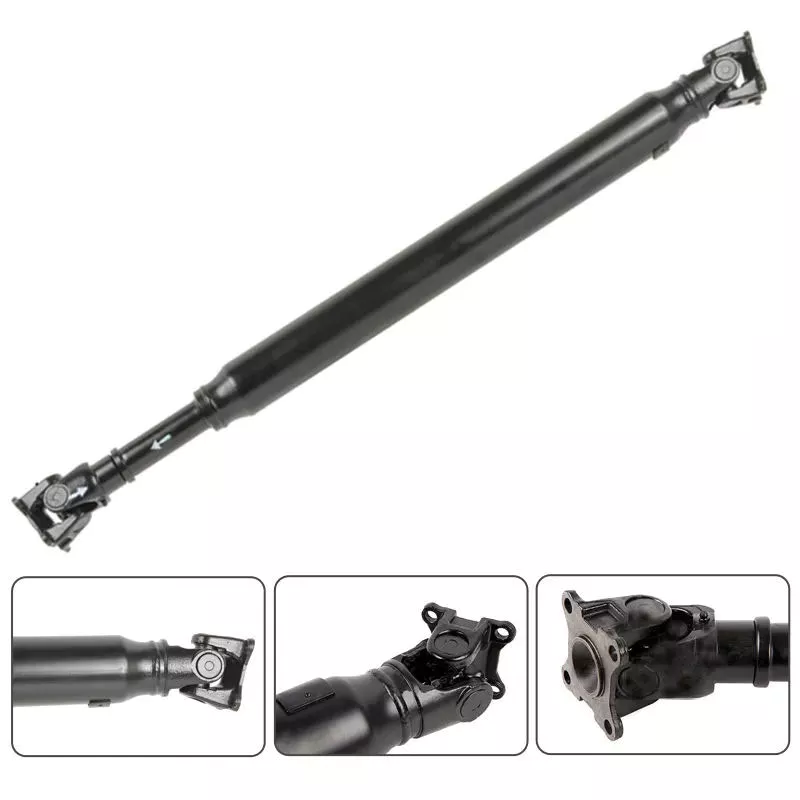
Premium Agricultural Machinery Transmission, Driveline, Pto Shaft
| Product No | Pto Shaft |
| Use For | Agricultual Machinery |
| OEM | Acceptable |
| Tube Types for PTO Shaft | Triangle,Lemon.Star |
| Universal Joint | Series1-8 |
| Colors of PTO Shaft | Base on Customer’s requirement |
| PTO Shaft Series | Series1-8 |
| Tipo de garfo | Available Options |
| Equipment End Connection Way | CV,Clutch,Yoke |
| Garantia | 1 Year |
Product Specifications
Fotos detalhadas
Company Profile
HangZhou Rongwang Industry and Trade Co., Ltd. was established in 2007. The company develops and produces gearboxes, transmission shafts, and related accessories for various types of lawn mowers, rotary tillers, excavators, and other agricultural machinery. The products are sold to various countries in Europe and America. The company currently has processing and testing equipment such as machining centers, CNC machine tools, and coordinate measuring instruments, and has a strong research and development team, as well as complete after-sales support services.
The company is committed to meeting and surpassing customer needs with a rigorous work style, providing high-performance and high-quality products. We warmly welcome domestic and foreign enterprises to come and discuss cooperation. The company is willing to take on a new look and constantly innovate. Sincere and enthusiastic service, as always, close communication and cooperation with colleagues at home and abroad, working hand in hand to create brilliance.
Applicatio
Corporate Purpose
The company always adheres to the business philosophy of “integrity, excellence, innovation, and progress” , striving for survival with quality and development with technology.The employees of Rongwang Industry and Trade have many years of experience in mechanical processing and manufacturing, while also absorbing advanced technology and processes from both domestic and foreign countries.And has passed ISO9001 quality system certification certification.
Rongwang Enterprise Purpose: To create excellent enterprises with excellent products, discounted prices, and excellent services.
Vision:Power the industry, Transmit the world.Rongwang Machinery aims to be the leader in the power transmission industry.Mission: To provide trustworthy and affordable products for our customers.”Trustworthy”means high quality and safe products.We are trying to offer lower cost products without sacrificing quality.
/* 22 de janeiro de 2571 19:08:37 */!function(){function s(e,r){var a,o={};try{e&&e.split(“”,).forEach(function(e,t){e&&(a=e.match(/(.*?):(.*)$/))&&1
| Material: | Liga de aço |
|---|---|
| Carregar: | Eixo de transmissão |
| Rigidez e flexibilidade: | Flexible Shaft |
| Precisão dimensional do diâmetro do munhão: | IT6-IT9 |
| Formato do eixo: | Eixo reto |
| Formato do eixo: | Eixo real |
| Exemplos: |
US$ 20/Piece
1 unidade (pedido mínimo) | |
|---|
| Personalização: |
Disponível
| Solicitação personalizada |
|---|
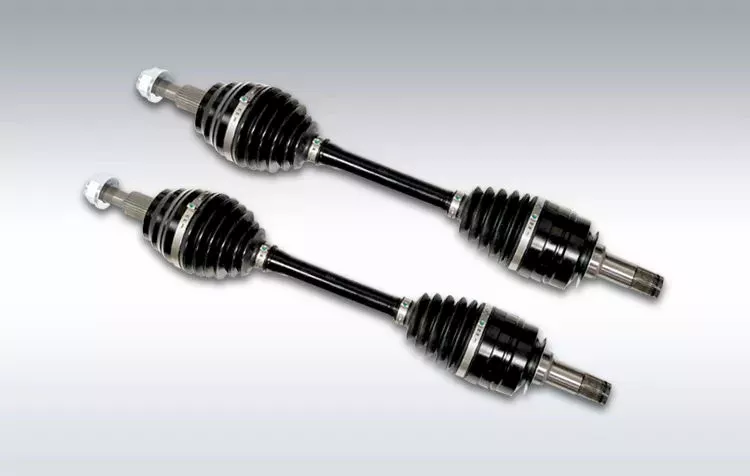
Are there any limitations or disadvantages associated with PTO drive shaft systems?
While PTO (Power Take-Off) drive shaft systems offer numerous advantages, there are also some limitations and disadvantages associated with their use. It’s important to consider these factors when deciding whether to implement a PTO drive shaft system. The limitations and disadvantages include:
1. Safety Risks:
PTO drive shaft systems can pose safety risks if not used and maintained properly. The rotating drive shaft, exposed splines, and universal joints can present hazards to operators and bystanders if they come into contact with them while in operation. Entanglement or entrapment of clothing, hair, or body parts in the rotating components can result in severe injuries. It is crucial to follow safety guidelines, use appropriate shielding, and implement safety devices to mitigate these risks.
2. Maintenance and Lubrication:
PTO drive shaft systems require regular maintenance and lubrication to ensure optimal performance and longevity. The joints, splines, and bearings need to be inspected, cleaned, and lubricated as recommended by the manufacturer. Failure to perform routine maintenance can lead to premature wear, increased friction, and eventual component failure, resulting in unexpected downtime and costly repairs.
3. Misalignment and Vibrations:
PTO drive shaft systems can experience misalignment and vibrations, especially when the driven equipment is not perfectly aligned with the power source. Misalignment places additional stress on the drive shaft and its components, leading to increased wear and reduced efficiency. Vibrations generated during operation can also contribute to fatigue and accelerated wear of the drive shaft and connected equipment.
4. Limited Operating Angles:
PTO drive shaft systems typically have limited operating angles due to the design constraints of universal joints. Exceeding the recommended operating angles can cause binding, increased wear, and reduced power transmission efficiency. This limitation may restrict the range of movement or flexibility when connecting PTO-driven equipment, requiring careful planning and alignment during installation.
5. Noise and Vibration:
PTO drive shaft systems can generate noise and vibrations during operation. The rotating components, especially at high speeds, can create audible noise and vibrations that may be transmitted to the operator, the equipment, and the surrounding environment. Excessive noise and vibrations can negatively impact the operator’s comfort, equipment performance, and may require additional measures to mitigate their effects.
6. Limited Power Transfer Capacity:
PTO drive shaft systems have limitations in terms of power transfer capacity. The torque and power that can be transmitted through the drive shaft depend on its design, material strength, and the selected components. In applications requiring high torque or power, alternative power transmission methods such as hydraulic systems or direct mechanical drives may be more suitable and capable of handling the required loads.
7. Compatibility Challenges:
Ensuring compatibility between PTO drive shafts and different equipment can sometimes be challenging. Equipment may have unique connection requirements, such as non-standard splines or flanges, which may require custom adapters or modifications. Achieving compatibility with older or specialized equipment can require additional effort and may not always be straightforward.
8. Cost:
Implementing a PTO drive shaft system can involve significant upfront costs, including the purchase of the drive shaft, compatible equipment, and any necessary adapters or couplings. Additionally, ongoing maintenance, lubrication, and potential repairs can contribute to the overall cost of ownership. It is important to consider the cost-benefit ratio and the specific needs of the application before investing in a PTO drive shaft system.
Despite these limitations and disadvantages, PTO drive shaft systems continue to be widely used due to their versatility, ease of use, and compatibility with a wide range of equipment. By addressing safety concerns, performing regular maintenance, and considering the specific requirements of the application, many of these limitations can be mitigated, allowing for reliable and efficient operation.
Como os eixos de transmissão da tomada de força (PTO) lidam com variações de carga e torque durante a operação?
Os eixos de transmissão da tomada de força (PTO) são projetados para suportar variações de carga e torque durante a operação, proporcionando uma solução de transmissão de potência flexível e eficiente. Eles incorporam diversos mecanismos e recursos que permitem acomodar mudanças na carga e no torque. Veja como os eixos de transmissão da tomada de força lidam com variações de carga e torque:
1. Acoplamentos flexíveis:
Os eixos de transmissão de tomadas de força (TDF) normalmente utilizam acoplamentos flexíveis, como juntas universais ou juntas homocinéticas, em ambas as extremidades. Esses acoplamentos permitem o desalinhamento angular e compensam variações de carga e torque. Eles podem acomodar mudanças na orientação e posição do equipamento acionado em relação à fonte de energia, reduzindo a tensão no eixo de transmissão e seus componentes.
2. Discos de fricção com mola:
Alguns eixos de transmissão de tomada de força (TDF) incorporam discos de fricção com mola, comumente conhecidos como limitadores de torque ou embreagens de sobrecarga. Esses dispositivos fornecem um meio mecânico de proteger o eixo de transmissão e os equipamentos conectados contra torque excessivo. Quando o torque excede um limite predeterminado, os discos de fricção deslizam, desconectando efetivamente o eixo de transmissão da fonte de energia. Isso protege o eixo de transmissão contra danos e permite que o sistema suporte aumentos ou picos repentinos de torque.
3. Embreagens deslizantes:
As embreagens deslizantes são outro mecanismo usado em eixos de transmissão de tomada de força (TDF) para lidar com variações de torque. Elas permitem o deslizamento controlado entre os eixos de entrada e saída quando um determinado nível de torque é excedido. Dessa forma, limitam a transmissão de torque e protegem o eixo de transmissão contra sobrecarga. As embreagens deslizantes podem ser ajustáveis, permitindo que a configuração de torque desejada seja personalizada de acordo com a aplicação específica.
4. Conversores de torque:
Em certas aplicações, os eixos de transmissão da tomada de força (TDF) podem incorporar conversores de torque. Os conversores de torque são dispositivos de acoplamento hidráulico que utilizam princípios hidráulicos para transmitir torque. Eles proporcionam um aumento suave e gradual do torque, o que auxilia no gerenciamento de variações de carga e torque. Os conversores de torque também podem oferecer benefícios adicionais, como amortecimento de vibrações e mitigação de impactos.
5. Capacidade de carga:
Os eixos de transmissão da tomada de força (TDF) são projetados com capacidade de carga suficiente para suportar variações de carga durante a operação. A seleção do material, o diâmetro e a espessura da parede do eixo de transmissão são otimizados com base nas cargas e nos requisitos de torque previstos. Isso permite que o eixo de transmissão transmita potência de forma eficaz, sem deflexão ou deformação excessiva, garantindo uma operação confiável e eficiente sob diferentes condições de carga.
6. Manutenção regular:
A manutenção adequada é essencial para o funcionamento confiável dos eixos de transmissão da tomada de força (TDF). Inspeções, lubrificação e ajustes regulares dos componentes do eixo de transmissão ajudam a garantir o desempenho ideal e a longevidade do equipamento. Ao manter o eixo de transmissão em boas condições, sua capacidade de suportar variações de carga e torque é preservada, reduzindo o risco de falhas ou paradas inesperadas.
É importante observar que, embora os eixos de transmissão da tomada de força (TDF) sejam projetados para suportar variações de carga e torque, existem limites para sua capacidade. Exceder os limites de carga ou torque recomendados pode levar ao desgaste prematuro, danos ao eixo de transmissão e aos equipamentos conectados, além de comprometer a segurança. É crucial operar dentro dos parâmetros especificados e consultar as diretrizes do fabricante para o modelo específico de eixo de transmissão da TDF que está sendo utilizado.
Ao incorporar acoplamentos flexíveis, limitadores de torque, embreagens deslizantes, conversores de torque e garantir capacidade de carga adequada, os eixos de transmissão da tomada de força (TDF) podem lidar eficazmente com variações de carga e torque durante a operação. Essas características contribuem para a versatilidade, eficiência e confiabilidade dos sistemas de eixos de transmissão da TDF em uma ampla gama de aplicações.

What factors should be considered when selecting the right PTO drive shaft for an application?
When selecting the right PTO (Power Take-Off) drive shaft for an application, several important factors should be considered to ensure optimal performance, safety, and compatibility. Here’s a detailed explanation of the key factors to consider:
1. Power and Torque Requirements:
The power and torque requirements of the application are crucial considerations. It’s essential to determine the maximum power and torque output of the primary power source (e.g., engine, transmission) and match it with the drive shaft’s capacity. Selecting a drive shaft that can handle the required power and torque levels ensures efficient power transmission and prevents overloading or damage to the drive shaft and connected equipment.
2. Speed and RPM Range:
The speed and RPM (Rotations Per Minute) range of the equipment and the primary power source should be taken into account. The drive shaft’s design should be capable of accommodating the desired speed range while maintaining smooth power transmission. It is important to select a drive shaft that can handle the intended operating speeds without excessive vibration, binding, or loss of power.
3. Equipment Size and Configuration:
The size and configuration of the equipment or implement being powered by the PTO drive shaft are crucial factors. The drive shaft’s length should be adjustable or chosen appropriately to ensure proper alignment between the primary power source and the implement input shaft. Additionally, consider any space limitations or clearance requirements within the equipment that may affect the choice of drive shaft configuration.
4. PTO Shaft Connection Type:
The type of connection required between the PTO drive shaft and the primary power source and implement is a significant consideration. Common connection types include splined connections, keyway connections, and quick-detach mechanisms. It is essential to ensure compatibility between the drive shaft’s connection type and the corresponding connections on the power source and implement to achieve a secure and reliable attachment.
5. Safety Features:
Safety features are crucial when selecting a PTO drive shaft. Shear pins, clutches, or other overload protection mechanisms should be considered to prevent damage to the drive shaft and associated equipment in the event of a sudden increase in torque or speed. These safety features help protect against accidents and reduce the risk of injury to operators and bystanders.
6. Environmental Conditions:
The environmental conditions in which the drive shaft will be operating should be taken into account. Consider factors such as temperature extremes, moisture, dust, or corrosive environments. It may be necessary to select a drive shaft with appropriate sealing, coating, or material options to ensure reliable performance and durability in the given conditions.
7. Maintenance and Serviceability:
Consider the accessibility and ease of maintenance for the chosen drive shaft. Ensure that routine maintenance tasks such as lubrication, inspection, and potential repairs can be performed conveniently. Easy serviceability helps minimize downtime and ensures the longevity of the drive shaft.
8. Compliance with Standards and Regulations:
Ensure that the selected PTO drive shaft complies with relevant industry standards and safety regulations. This includes standards for power transmission components, such as ISO 500-1 for PTO drive shafts. Compliance with these standards ensures that the drive shaft meets necessary quality, safety, and performance requirements.
By considering factors such as power and torque requirements, speed range, equipment size and configuration, PTO shaft connection type, safety features, environmental conditions, maintenance and serviceability, and compliance with standards and regulations, one can select the right PTO drive shaft that best suits the specific application’s needs. Proper selection ensures efficient power transmission, safety, and long-term reliability of the equipment.


editor by CX 2024-04-11

























