
Descrição do produto
Descrição do produto
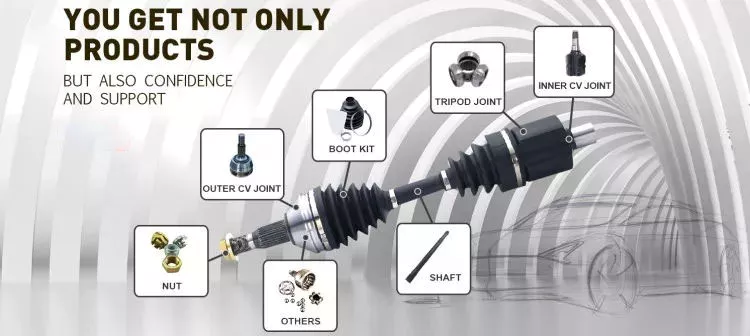
As a professional manufacturer for propeller shaft, we have +1000 items for all kinds of car, At present, our products are mainly sold in North America, Europe, Australia, South Korea, the Middle East and Southeast Asia and other regions, applicable models are European cars, American cars, Japanese and Korean cars, etc.
Our advantage:
1. Full range of products
2. MOQ qty: 1pcs/items
3. Delivery on time
4: Warranty: 1 YEAR
| OE NUMBER | 37140-0K030 |
| TYPE | TOYOTA Hilux Vigo front |
| MATERIAL | STEEL |
| BALANCE STHangZhouRD | G16,3200RMP |
/* 22 de janeiro de 2571 19:08:37 */!function(){function s(e,r){var a,o={};try{e&&e.split(“”,).forEach(function(e,t){e&&(a=e.match(/(.*?):(.*)$/))&&1
| Serviço pós-venda: | 1year |
|---|---|
| Condition: | New |
| Color: | Black |
| Personalização: |
Disponível
| Solicitação personalizada |
|---|
.shipping-cost-tm .tm-status-off{background: none;padding:0;color: #1470cc}
|
Custo do frete:
Frete estimado por unidade. |
sobre o custo do frete e o prazo estimado de entrega. |
|---|
| Método de pagamento: |
|
|---|---|
|
Pagamento inicial Pagamento integral |
| Moeda: | US$ |
|---|
| Devoluções e reembolsos: | Você pode solicitar um reembolso em até 30 dias após o recebimento dos produtos. |
|---|
How do drive shafts ensure efficient power transfer while maintaining balance?
Drive shafts employ various mechanisms to ensure efficient power transfer while maintaining balance. Efficient power transfer refers to the ability of the drive shaft to transmit rotational power from the source (such as an engine) to the driven components (such as wheels or machinery) with minimal energy loss. Balancing, on the other hand, involves minimizing vibrations and eliminating any uneven distribution of mass that can cause disturbances during operation. Here’s an explanation of how drive shafts achieve both efficient power transfer and balance:
1. Material Selection:
The material selection for drive shafts is crucial for maintaining balance and ensuring efficient power transfer. Drive shafts are commonly made from materials such as steel or aluminum alloys, chosen for their strength, stiffness, and durability. These materials have excellent dimensional stability and can withstand the torque loads encountered during operation. By using high-quality materials, drive shafts can minimize deformation, flexing, and imbalances that could compromise power transmission and generate vibrations.
2. Considerações de projeto:
The design of the drive shaft plays a significant role in both power transfer efficiency and balance. Drive shafts are engineered to have appropriate dimensions, including diameter and wall thickness, to handle the anticipated torque loads without excessive deflection or vibration. The design also considers factors such as the length of the drive shaft, the number and type of joints (such as universal joints or constant velocity joints), and the use of balancing weights. By carefully designing the drive shaft, manufacturers can achieve optimal power transfer efficiency while minimizing the potential for imbalance-induced vibrations.
3. Balancing Techniques:
Balance is crucial for drive shafts as any imbalance can cause vibrations, noise, and accelerated wear. To maintain balance, drive shafts undergo various balancing techniques during the manufacturing process. Static and dynamic balancing methods are employed to ensure that the mass distribution along the drive shaft is uniform. Static balancing involves adding counterweights at specific locations to offset any weight imbalances. Dynamic balancing is performed by spinning the drive shaft at high speeds and measuring any vibrations. If imbalances are detected, additional adjustments are made to achieve a balanced state. These balancing techniques help minimize vibrations and ensure smooth operation of the drive shaft.
4. Universal Joints and Constant Velocity Joints:
Drive shafts often incorporate universal joints (U-joints) or constant velocity (CV) joints to accommodate misalignment and maintain balance during operation. U-joints are flexible joints that allow for angular movement between shafts. They are typically used in applications where the drive shaft operates at varying angles. CV joints, on the other hand, are designed to maintain a constant velocity of rotation and are commonly used in front-wheel-drive vehicles. By incorporating these joints, drive shafts can compensate for misalignment, reduce stress on the shaft, and minimize vibrations that can negatively impact power transfer efficiency and balance.
5. Maintenance and Inspection:
Regular maintenance and inspection of drive shafts are essential for ensuring efficient power transfer and balance. Periodic checks for wear, damage, or misalignment can help identify any issues that may affect the drive shaft’s performance. Lubrication of the joints and proper tightening of fasteners are also critical for maintaining optimal operation. By adhering to recommended maintenance procedures, any imbalances or inefficiencies can be addressed promptly, ensuring continued efficient power transfer and balance.
In summary, drive shafts ensure efficient power transfer while maintaining balance through careful material selection, thoughtful design considerations, balancing techniques, and the incorporation of flexible joints. By optimizing these factors, drive shafts can transmit rotational power smoothly and reliably, minimizing energy losses and vibrations that can impact performance and longevity.

De que forma os eixos de transmissão contribuem para a eficiência da propulsão e transmissão de potência de um veículo?
Os eixos de transmissão desempenham um papel crucial na eficiência dos sistemas de propulsão e transmissão de potência dos veículos. Eles são responsáveis por transferir a potência do motor ou da fonte de energia para as rodas ou componentes acionados. Aqui está uma explicação detalhada de como os eixos de transmissão contribuem para a eficiência da propulsão e transmissão de potência dos veículos:
1. Transferência de energia:
Os eixos de transmissão transmitem a potência do motor ou da fonte de energia para as rodas ou componentes acionados. Ao transferir energia rotacional de forma eficiente, os eixos de transmissão permitem que o veículo se mova para a frente ou acione a máquina. O projeto e a construção dos eixos de transmissão garantem a mínima perda de potência durante o processo de transferência, maximizando a eficiência da transmissão de potência.
2. Conversão de Torque:
Os eixos de transmissão convertem o torque do motor ou da fonte de energia para as rodas ou componentes acionados. A conversão de torque é necessária para adequar as características de potência do motor às necessidades do veículo ou da máquina. Eixos de transmissão com capacidade de conversão de torque apropriada garantem que a potência fornecida às rodas seja otimizada para uma propulsão e um desempenho eficientes.
3. Juntas de Velocidade Constante (CV):
Muitos eixos de transmissão incorporam juntas homocinéticas (CV), que ajudam a manter uma velocidade constante e uma transmissão de potência eficiente, mesmo quando os componentes de acionamento e acionados estão em ângulos diferentes. As juntas homocinéticas permitem uma transferência de potência suave e minimizam a vibração ou as perdas de potência que podem ocorrer devido à mudança dos ângulos de operação. Ao manter a velocidade constante, os eixos de transmissão contribuem para uma transmissão de potência eficiente e para um melhor desempenho geral do veículo.
4. Construção leve:
Eixos de transmissão eficientes são frequentemente projetados com materiais leves, como alumínio ou materiais compósitos. A construção leve reduz a massa rotacional do eixo de transmissão, resultando em menor inércia e maior eficiência. A redução da massa rotacional permite que o motor acelere e desacelere mais rapidamente, proporcionando melhor economia de combustível e desempenho geral do veículo.
5. Atrito minimizado:
Eixos de transmissão eficientes são projetados para minimizar as perdas por atrito durante a transmissão de potência. Eles incorporam características como rolamentos de alta qualidade, vedações de baixo atrito e lubrificação adequada para reduzir as perdas de energia causadas pelo atrito. Ao minimizar o atrito, os eixos de transmissão aumentam a eficiência da transmissão de potência e maximizam a potência disponível para propulsão ou operação de outras máquinas.
6. Funcionamento equilibrado e livre de vibrações:
Os eixos de transmissão passam por balanceamento dinâmico durante o processo de fabricação para garantir uma operação suave e sem vibrações. Desbalanceamentos no eixo de transmissão podem levar a perdas de potência, aumento do desgaste e vibrações que reduzem a eficiência geral. Ao balancear o eixo de transmissão, ele gira uniformemente, minimizando vibrações e otimizando a eficiência da transmissão de potência.
7. Manutenção e Inspeção Regular:
A manutenção adequada e a inspeção regular dos eixos de transmissão são essenciais para manter sua eficiência. A lubrificação regular, a inspeção das juntas e componentes e o reparo ou substituição imediatos de peças desgastadas ou danificadas ajudam a garantir a máxima eficiência na transmissão de potência. Eixos de transmissão bem conservados operam com atrito mínimo, perdas de potência reduzidas e maior eficiência geral.
8. Integração com sistemas de transmissão eficientes:
Os eixos de transmissão funcionam em conjunto com sistemas de transmissão eficientes, como transmissões manuais, automáticas ou continuamente variáveis (CVT). Essas transmissões ajudam a otimizar a entrega de potência e as relações de marcha com base nas condições de direção e na velocidade do veículo. Ao se integrarem a sistemas de transmissão eficientes, os eixos de transmissão contribuem para a eficiência geral do sistema de propulsão e transmissão de potência do veículo.
9. Considerações aerodinâmicas:
Em alguns casos, os eixos de transmissão são projetados levando em consideração aspectos aerodinâmicos. Eixos de transmissão aerodinâmicos, frequentemente usados em veículos elétricos ou de alto desempenho, minimizam o arrasto e a resistência do ar para melhorar a eficiência geral do veículo. Ao reduzir o arrasto aerodinâmico, os eixos de transmissão contribuem para a propulsão e transmissão de potência eficientes do veículo.
10. Comprimento e design otimizados:
Os eixos de transmissão são projetados com comprimentos e formatos ideais para minimizar as perdas de energia. Um comprimento excessivo ou um projeto inadequado podem introduzir massa rotacional adicional, aumentar as tensões de flexão e resultar em perdas de energia. Ao otimizar o comprimento e o formato, os eixos de transmissão maximizam a eficiência da transmissão de potência e contribuem para uma melhoria na eficiência geral do veículo.
De forma geral, os eixos de transmissão contribuem para a eficiência da propulsão e transmissão de potência de veículos por meio da transferência eficaz de potência, conversão de torque, utilização de juntas homocinéticas, construção leve, minimização do atrito, operação balanceada, manutenção regular, integração com sistemas de transmissão eficientes, considerações aerodinâmicas e otimização de comprimento e design. Ao garantir a entrega eficiente de potência e minimizar as perdas de energia, os eixos de transmissão desempenham um papel significativo na melhoria da eficiência e do desempenho geral de veículos e máquinas.
How do drive shafts contribute to transferring rotational power in various applications?
Drive shafts play a crucial role in transferring rotational power from the engine or power source to the wheels or driven components in various applications. Whether it’s in vehicles or machinery, drive shafts enable efficient power transmission and facilitate the functioning of different systems. Here’s a detailed explanation of how drive shafts contribute to transferring rotational power:
1. Vehicle Applications:
In vehicles, drive shafts are responsible for transmitting rotational power from the engine to the wheels, enabling the vehicle to move. The drive shaft connects the gearbox or transmission output shaft to the differential, which further distributes the power to the wheels. As the engine generates torque, it is transferred through the drive shaft to the wheels, propelling the vehicle forward. This power transfer allows the vehicle to accelerate, maintain speed, and overcome resistance, such as friction and inclines.
2. Machinery Applications:
In machinery, drive shafts are utilized to transfer rotational power from the engine or motor to various driven components. For example, in industrial machinery, drive shafts may be used to transmit power to pumps, generators, conveyors, or other mechanical systems. In agricultural machinery, drive shafts are commonly employed to connect the power source to equipment such as harvesters, balers, or irrigation systems. Drive shafts enable these machines to perform their intended functions by delivering rotational power to the necessary components.
3. Power Transmission:
Drive shafts are designed to transmit rotational power efficiently and reliably. They are capable of transferring substantial amounts of torque from the engine to the wheels or driven components. The torque generated by the engine is transmitted through the drive shaft without significant power losses. By maintaining a rigid connection between the engine and the driven components, drive shafts ensure that the power produced by the engine is effectively utilized in performing useful work.
4. Flexible Coupling:
One of the key functions of drive shafts is to provide a flexible coupling between the engine/transmission and the wheels or driven components. This flexibility allows the drive shaft to accommodate angular movement and compensate for misalignment between the engine and the driven system. In vehicles, as the suspension system moves or the wheels encounter uneven terrain, the drive shaft adjusts its length and angle to maintain a constant power transfer. This flexibility helps prevent excessive stress on the drivetrain components and ensures smooth power transmission.
5. Torque and Speed Transmission:
Drive shafts are responsible for transmitting both torque and rotational speed. Torque is the rotational force generated by the engine or power source, while rotational speed is the number of revolutions per minute (RPM). Drive shafts must be capable of handling the torque requirements of the application without excessive twisting or bending. Additionally, they need to maintain the desired rotational speed to ensure the proper functioning of the driven components. Proper design, material selection, and balancing of the drive shafts contribute to efficient torque and speed transmission.
6. Length and Balance:
The length and balance of drive shafts are critical factors in their performance. The length of the drive shaft is determined by the distance between the engine or power source and the driven components. It should be appropriately sized to avoid excessive vibrations or bending. Drive shafts are carefully balanced to minimize vibrations and rotational imbalances, which can affect the overall performance, comfort, and longevity of the drivetrain system.
7. Safety and Maintenance:
Drive shafts require proper safety measures and regular maintenance. In vehicles, drive shafts are often enclosed within a protective tube or housing to prevent contact with moving parts, reducing the risk of injury. Safety shields or guards may also be installed around exposed drive shafts in machinery to protect operators from potential hazards. Regular maintenance includes inspecting the drive shaft for wear, damage, or misalignment, and ensuring proper lubrication of the U-joints. These measures help prevent failures, ensure optimal performance, and extend the service life of the drive shaft.
In summary, drive shafts play a vital role in transferring rotational power in various applications. Whether in vehicles or machinery, drive shafts enable efficient power transmission from the engine or power source to the wheels or driven components. They provide a flexible coupling, handle torque and speed transmission, accommodate angular movement, and contribute to the safety and maintenance of the system. By effectively transferring rotational power, drive shafts facilitate the functioning and performance of vehicles and machinery in numerous industries.


Editor por CX 2024-04-26

























