Descrição do produto
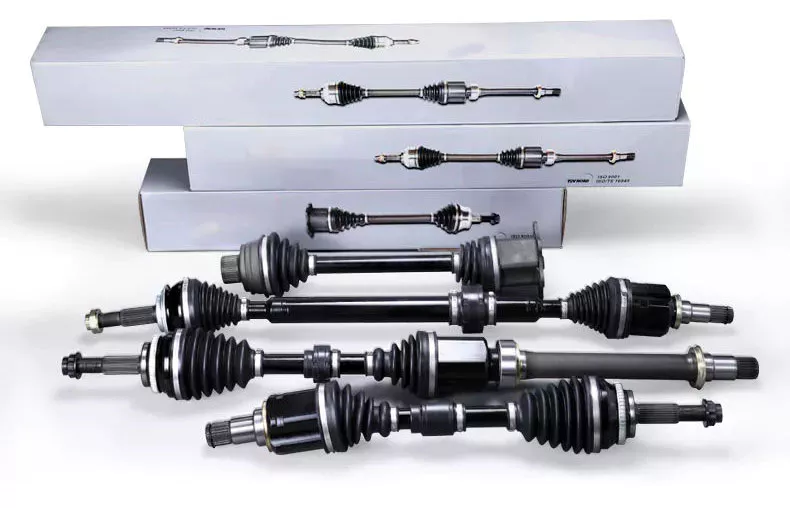
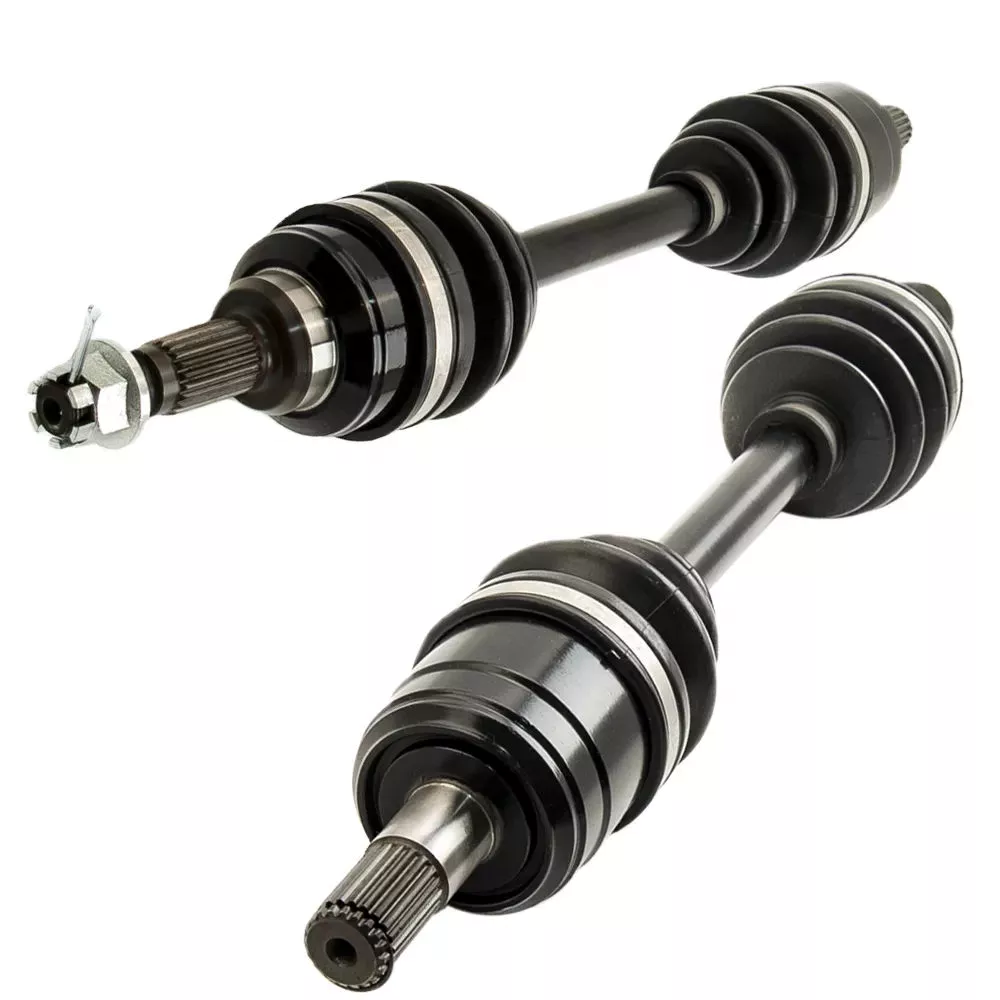
Tractor Pto Driveshaft Driveline Factory Hollow Spline Cardan Adapter Universal Joint Yoke Flexible Front Prop Rear CV Axle Propeller Automobile Drive Shaft
Descrição do produto
Agricultural truck universal joint steering
PTO Shaft
| Function of PTO Shaft | Drive Shaft Parts & Power Transmission |
| Usage of PTO Shaft | Kinds of Tractors & Farm Implements |
| Yoke Types for PTO Shaft | Double push pin, Bolt pins, Split pins, Pushpin, Quick release, Ball attachment, Collar….. |
| Processamento de jugo | Forjamento |
| PTO Shaft Plastic Cover | YW; BW; YS; BS; Etc |
| Colors of PTO Shaft | Green; Orange; Yellow; Black Ect. |
| PTO Shaft Series | T1-T10; L1-L6;S6-S10;10HP-150HP with SA,RA,SB,SFF,WA,CV Etc |
| Tube Types for PTO Shaft | Lemon, Triangular, Star, Square, Hexangular, Spline, Special Ect |
| Processamento de Tubos | Desenho a frio |
| Spline Types for PTO Shaft | 1 1/8″ Z6;1 3/8″ Z6; 1 3/8″ Z21 ;1 3/4″ Z20; 1 3/4″ Z6; 8-38*32*6 8-42*36*7; 8-48*42*8; |
We also sell accessories for the pto shaft, including :
Yoke: CV socket yoke, CV weld yoke, flange yoke, end yoke, weld yoke, slip yoke
CV center housing, tube, spline, CV socket flange, u-joint, dust cap
Light vehicle drive line
Our products can be used for transmission shafts of the following brands
Toyota, Mitsubishi, Nissan, Isu zu, Suzuki, Dafa, Honda, Hyundai, Mazda, Fiat, Re nault, Kia, Dacia, Ford. Dodge, Land Rover, Peu geot, Volkswagen Audi, BMW Benz Volvo, Russian models
Gear shaft
Company Profile
Related Products
Aplicativo:
Company information:
/* 22 de janeiro de 2571 19:08:37 */!function(){function s(e,r){var a,o={};try{e&&e.split(“”,).forEach(function(e,t){e&&(a=e.match(/(.*?):(.*)$/))&&1
| Material: | Aço carbono |
|---|---|
| Carregar: | Eixo de transmissão |
| Rigidez e flexibilidade: | Rigidez / Eixo Rígido |
| Precisão dimensional do diâmetro do munhão: | IT6-IT9 |
| Formato do eixo: | Eixo reto |
| Formato do eixo: | Eixo real |
| Exemplos: |
US$ 38/Piece
1 unidade (pedido mínimo) | |
|---|
Can PTO drive shafts be adapted for use in both agricultural and industrial settings?
Yes, PTO (Power Take-Off) drive shafts can be adapted for use in both agricultural and industrial settings. While PTO drive shafts are commonly associated with agricultural machinery, their versatility and compatibility with various power-driven equipment make them suitable for industrial applications as well. Here’s a detailed explanation of how PTO drive shafts can be adapted for use in both agricultural and industrial settings:
1. Interchangeable Attachments:
PTO drive shafts are designed to accommodate different types of attachments or implements. In agricultural settings, these attachments can include rotary mowers, balers, tillers, and other farm equipment. Industrial applications may require PTO drive shafts for powering pumps, generators, compressors, or other machinery. The ability to interchange attachments allows PTO drive shafts to be used in a wide range of applications across both agricultural and industrial sectors.
2. Adjustable Lengths:
PTO drive shafts are often designed with adjustable lengths to accommodate different equipment setups. By adjusting the length, the drive shaft can be properly aligned and connected between the power source and the driven equipment, regardless of whether it is in an agricultural or industrial setting. This flexibility in length adjustment makes PTO drive shafts adaptable to various equipment configurations and ensures efficient power transfer in both sectors.
3. Power Compatibility:
PTO drive shafts are designed to transfer power from the power source (e.g., engine, motor) to the driven equipment. The power requirements in both agricultural and industrial settings can vary, but PTO drive shafts are built to handle a wide range of power outputs. The power compatibility of PTO drive shafts allows them to be used in different settings, whether it’s a tractor in a field or an industrial machine on a factory floor.
4. Considerações de segurança:
PTO drive shafts are engineered with safety in mind, irrespective of the setting in which they are used. Safety features such as shear pins, torque limiters, shielding, and guarding are incorporated into the design of PTO drive shafts to protect both operators and equipment. These safety considerations apply universally, ensuring that PTO drive shafts can be used safely in both agricultural and industrial environments.
5. Compliance with Standards:
PTO drive shafts are manufactured according to industry standards and regulations. These standards, such as ISO 500-1, specify requirements for power transmission components, including PTO drive shafts. Compliance with these standards ensures that the drive shafts meet necessary safety and performance criteria, regardless of the application. PTO drive shafts that meet industry standards can be confidently used in both agricultural and industrial settings.
6. Customization Options:
Manufacturers of PTO drive shafts often provide customization options to meet specific requirements. This allows customers in both agricultural and industrial sectors to tailor the drive shafts to their unique needs. Customization options can include different lengths, connection types, and protective features, ensuring that PTO drive shafts can be adapted to various applications in both sectors.
7. Maintenance and Compatibility:
The maintenance practices and compatibility requirements for PTO drive shafts are generally similar across agricultural and industrial settings. Regular maintenance, such as lubrication, inspection, and torque checks, is essential for prolonging the lifespan and ensuring optimal performance in both sectors. The fundamental principles of power transmission and safety apply to both agricultural and industrial settings, making the use of PTO drive shafts consistent across these sectors.
In conclusion, PTO drive shafts can be successfully adapted for use in both agricultural and industrial settings. Their interchangeable attachments, adjustable lengths, power compatibility, safety considerations, compliance with standards, customization options, and maintenance practices make them versatile and suitable for a wide range of applications in both sectors. Whether it’s powering agricultural machinery or industrial equipment, PTO drive shafts provide efficient power transfer and reliable performance.
What safety precautions should be followed when working with PTO drive shafts?
Working with PTO (Power Take-Off) drive shafts requires strict adherence to safety precautions to prevent accidents and ensure the well-being of individuals operating or maintaining the equipment. Here are some important safety precautions to follow when working with PTO drive shafts:
1. Read and Understand the Manufacturer’s Instructions:
Before working with PTO drive shafts, carefully read and understand the manufacturer’s instructions, operating manuals, and safety guidelines. Familiarize yourself with the specific requirements and recommendations for the PTO drive shaft model being used. The manufacturer’s instructions provide essential information regarding installation, operation, maintenance, and safety precautions.
2. Wear Appropriate Personal Protective Equipment (PPE):
Always wear the necessary personal protective equipment (PPE) when working with PTO drive shafts. This may include safety glasses, protective gloves, steel-toed boots, and appropriate clothing. PPE helps protect against potential hazards such as flying debris, entanglement, or contact with rotating components.
3. Ensure Proper Installation and Alignment:
Follow the recommended installation procedures for the PTO drive shaft. Ensure that it is correctly aligned and securely attached to both the power source and the driven equipment. Improper installation or misalignment can lead to excessive vibration, premature wear, and potential dislodgement of the drive shaft during operation.
4. Use Safety Guards and Shields:
PTO drive shafts should be equipped with appropriate safety guards and shields. These protective devices help prevent accidental contact with rotating components and minimize the risk of entanglement. Ensure that the guards and shields are properly installed and in good working condition. Do not remove or bypass them during operation.
5. Avoid Loose Clothing, Jewelry, and Hair:
When working with PTO drive shafts, avoid wearing loose clothing, jewelry, or having long hair that can get entangled in the rotating components. Secure or remove any loose items that could pose a risk of entanglement or become caught in the drive shaft during operation.
6. Disconnect Power Before Maintenance:
Prior to performing any maintenance or inspection on the PTO drive shaft, ensure that the power source is completely shut off and the equipment is at a complete stop. Disconnect the power supply and take appropriate measures to prevent accidental startup, such as locking out and tagging out the power source.
7. Regularly Inspect and Maintain the Drive Shaft:
Regularly inspect the PTO drive shaft for signs of wear, damage, or misalignment. Check for loose or missing components, and ensure that all fasteners and connections are secure. Lubricate the drive shaft as recommended by the manufacturer. Promptly address any maintenance or repair needs to prevent further damage or potential safety hazards.
8. Be Cautious of Overload and Shock Loads:
Avoid subjecting the PTO drive shaft to excessive loads or sudden shock loads beyond its rated capacity. Overloading can lead to premature wear, component failure, and potential accidents. Ensure that the equipment being driven by the PTO drive shaft does not exceed its recommended load limits.
9. Provide Training and Awareness:
Ensure that individuals working with or around PTO drive shafts receive proper training and are aware of the associated risks and safety precautions. Training should cover installation procedures, safe operation, maintenance practices, and emergency procedures. Promote a safety-conscious culture and encourage reporting of any safety concerns or incidents.
10. Seek Professional Assistance When Needed:
If you’re unsure about any aspect of working with PTO drive shafts or encounter complex maintenance or repair needs, seek professional assistance. Consulting with qualified technicians, engineers, or the equipment manufacturer can help ensure that the work is carried out safely and effectively.
Remember, safety should always be the top priority when working with PTO drive shafts. Following these precautions helps minimize the risk of accidents, injuries, and equipment damage. It is essential to stay vigilant, exercise caution, and comply with relevant safety regulations and standards.

De que forma os eixos de transmissão da tomada de força (TDF) contribuem para a transferência de potência dos tratores para os implementos?
Os eixos de transmissão da tomada de força (TDF) desempenham um papel crucial na transferência de potência dos tratores para os implementos em aplicações agrícolas e industriais. Eles fornecem uma conexão mecânica que permite a transferência eficiente e confiável da potência rotacional do motor do trator para os diversos implementos. Aqui está uma explicação detalhada de como os eixos de transmissão da TDF contribuem para a transferência de potência:
1. Fonte de alimentação:
O trator serve como principal fonte de energia nas operações agrícolas. O motor do trator gera energia rotacional, que precisa ser transmitida aos implementos acoplados para realizar tarefas específicas. A energia gerada pelo motor é aproveitada e transferida através do eixo de transmissão da tomada de força (TDF).
2. Eixo de saída da tomada de força (TDF):
Os tratores são equipados com um eixo de saída da tomada de força (TDF), geralmente localizado na parte traseira do trator. O eixo de saída da TDF é projetado especificamente para transferir potência para dispositivos externos, como implementos ou máquinas. O eixo de acionamento da TDF se conecta diretamente a esse eixo de saída para receber a potência.
3. Configuração do eixo de acionamento da tomada de força (PTO):
O eixo de transmissão da tomada de força (TDF) consiste em um eixo rotativo com estrias em ambas as extremidades. Essas estrias proporcionam uma conexão segura e robusta entre o eixo de saída da TDF do trator e o eixo de entrada do implemento. O eixo de transmissão é projetado para transmitir potência rotacional, levando em consideração a variação de distância e alinhamento entre o trator e o implemento.
4. Acessórios e eixo de entrada do implemento:
A outra extremidade do eixo de transmissão da tomada de força (TDF) conecta-se ao eixo de entrada do implemento. O implemento pode ter um ponto de fixação específico ou uma conexão da linha de transmissão da TDF projetada para receber o eixo de transmissão. O eixo de entrada do implemento é alinhado com precisão ao eixo de transmissão para garantir uma transferência de potência eficiente.
5. Transferência de potência mecânica:
Uma vez que o eixo de acionamento da tomada de força (TDF) esteja devidamente conectado tanto ao eixo de saída da TDF do trator quanto ao eixo de entrada do implemento, ele serve como uma ligação mecânica entre os dois. Com o motor do trator em funcionamento, a potência rotacional gerada pelo motor é transferida através do eixo de saída da TDF para o eixo de acionamento.
6. Fornecimento de potência rotacional:
O eixo de transmissão da tomada de força (TDF) gira na mesma velocidade que o motor do trator, transmitindo a potência rotacional ao implemento. O implemento utiliza essa potência para acionar sua maquinaria específica ou realizar diversas tarefas, como cortar, arar, ceifar ou bombear.
7. Eficiência na transmissão de energia:
Os eixos de transmissão da tomada de força (TDF) são projetados para maximizar a eficiência da transmissão de potência. Normalmente, são construídos com materiais de alta resistência e engenharia de precisão para minimizar as perdas de energia e garantir uma transferência de potência confiável. A manutenção adequada, incluindo lubrificação e inspeções periódicas, é essencial para manter a eficiência ideal da transmissão de potência.
8. Considerações de segurança:
Os eixos de transmissão da tomada de força (TDF) podem representar riscos à segurança se não forem usados corretamente. É importante seguir as normas de segurança e garantir que o eixo de transmissão esteja devidamente protegido para evitar o contato com componentes rotativos. Os operadores também devem ter cautela durante os procedimentos de acoplamento e desacoplamento para evitar acidentes ou ferimentos.
Em resumo, os eixos de transmissão da tomada de força (TDF) servem como elo vital entre tratores e implementos, facilitando a transferência de potência rotacional. Eles fornecem uma conexão mecânica que transmite a potência do motor do trator para o implemento de forma eficiente, permitindo que uma ampla gama de tarefas agrícolas e industriais seja executada com eficácia e eficiência.


editor by CX 2024-04-03