
Opis produktu
Agricultural replacement parts PTO shaft fit for CHINAMFG Douglas Tecma Sovema Maschio CHINAMFG Sicma all Models
Replacement PTO shaft for Finish Mowers, Tillers, Spreaders, Hay Tedders and many more applications.
PTO is a series 4, rated for 40HP it has 1-3/8″ 6 spline push pin on both ends for easy installment. Complete with safety shield, The PTO measures 43″ from end to end and has an 58″ maximum extended length.
These PTO shafts fit the following Finish Mowers:
Bush Hog: ATH 600 and ATH 720, ATH 900, FTH 480, FTH 600, FTH 720, MTH 600, MTH 720 Series Mowers;
Landpride: FDR1548, FDR1560, FDR1572, FDR1648, FDR1660, FDR1672, FDR2548, FDR2560, FDR2572, AT2660, AT2672 Series Mowers;
Kubota: BL348A, B342A; Caroni TC480, TC590, TC710, TC910 with spline Input Shaft;
Befco most late models with splined input shafts, early models had some with smooth input shaft;
CHINAMFG all Models;
Douglas all Models;
Tecma all Models;
Sovema all Models;
Maschio all Models;
CHINAMFG all Models;
Sicma all Models;
First Choice all Models
Related products
|
Materlal and Surface Treatment |
|
|
Cross shaft |
Heat treatment of 20Cr2Ni4A forging |
|
Bearing cup |
20CrMOTi forging heat treatment |
|
Flange fork |
ZG35CrMo, steel casting |
|
Spline shaft |
42GrMo forging heat treatment |
|
Spline bushing |
35CrM0 forging heat treatment |
|
Sleeve body |
42CrMo forging |
|
Surface treatment: |
spraying |
|
Flat key, positioning ring |
42GrMo forging |
The above are standard models and materials.
If you have special supporting requirements, you can customize production according to customer needs.
Please click here to consult us!
Application scenarios
Company Information:
/* 22 stycznia 2571 19:08:37 */!function(){function s(e,r){var a,o={};try{e&&e.split(„”,).forEach(function(e,t){e&&(a=e.match(/(.*?):(.*)$/))&&1
| Typ: | Wał odbioru mocy |
|---|---|
| Stosowanie: | Agricultural Products Processing, Farmland Infrastructure, Tillage, Harvester, Planting and Fertilization, Grain Threshing, Cleaning and Drying, Flail Mower Truck |
| Tworzywo: | All |
| Źródło zasilania: | Electricity |
| Waga: | OEM |
| Serwis posprzedażowy: | Installation Guide |
| Personalizacja: |
Dostępny
| Spersonalizowane żądanie |
|---|
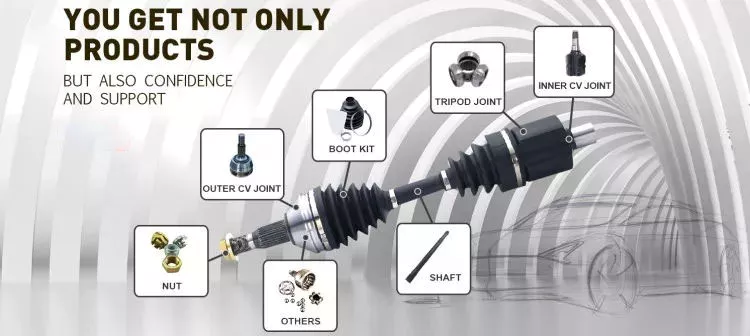
Jakie czynniki należy wziąć pod uwagę przy wyborze właściwego wału odbioru mocy do danego zastosowania?
Wybierając odpowiedni wałek odbioru mocy (WOM) do danego zastosowania, należy wziąć pod uwagę kilka czynników, aby zapewnić optymalną wydajność, bezpieczeństwo i kompatybilność. Wały WOM to kluczowe elementy, które przenoszą moc ze źródła zasilania do napędzanych maszyn lub urządzeń. Oto kluczowe czynniki, które należy wziąć pod uwagę przy wyborze odpowiedniego wałka WOM do danego zastosowania:
1. Wymagania dotyczące zasilania: Zapotrzebowanie na moc napędzanej maszyny odgrywa kluczową rolę w wyborze odpowiedniego wału odbioru mocy (WOM). Należy wziąć pod uwagę moc znamionową (KM) lub kilowatów (kW) źródła zasilania i upewnić się, że wał odbioru mocy jest w stanie obsłużyć wymagane przeniesienie mocy. Aby zapewnić wydajną i niezawodną pracę, konieczne jest dopasowanie mocy wału odbioru mocy do mocy wyjściowej źródła zasilania.
2. Wymagania dotyczące prędkości i momentu obrotowego: Należy wziąć pod uwagę wymagania dotyczące prędkości obrotowej i momentu obrotowego napędzanych maszyn. Określ żądane poziomy prędkości obrotowej i momentu obrotowego niezbędne do efektywnej pracy urządzenia. Niektóre zastosowania wymagają określonych przełożeń prędkości obrotowej lub momentu obrotowego, podczas gdy inne mogą wymagać zmiennych prędkości. Upewnij się, że wybrany wałek odbioru mocy (WOM) jest w stanie obsłużyć wymagany zakres prędkości obrotowej i momentu obrotowego, aby zapewnić niezbędne przeniesienie mocy.
3. Typ i konstrukcja wału: Oceń typ i konstrukcję wału odbioru mocy (WOM), aby zapewnić jego zgodność z zastosowaniem. Weź pod uwagę takie czynniki, jak odległość między źródłem zasilania a napędzaną maszyną, konieczność zapewnienia odpowiedniego kąta odchylenia oraz wymagana elastyczność ruchu. Różne typy wałów, takie jak standardowe, teleskopowe czy o stałej prędkości obrotowej (CV), oferują różne możliwości dostosowania do różnych wymagań aplikacji.
4. Zagadnienia bezpieczeństwa: Bezpieczeństwo jest kluczowym czynnikiem przy wyborze wału odbioru mocy. Należy ocenić zabezpieczenia zapewniane przez wał odbioru mocy, takie jak osłony ochronne, mechanizmy śrub ścinanych lub inne urządzenia zabezpieczające. Osłony ochronne powinny być zamontowane, aby zapobiec przypadkowemu kontaktowi z obracającym się wałem. Mechanizmy śrub ścinanych mogą chronić elementy układu napędowego przed uszkodzeniem w przypadku nadmiernego momentu obrotowego lub nagłego oporu. Priorytetem powinny być zabezpieczenia dostosowane do konkretnych zagrożeń i ryzyka związanego z danym zastosowaniem.
5. Szczegóły zastosowania: Należy wziąć pod uwagę specyficzne wymagania danego zastosowania. Należy wziąć pod uwagę takie czynniki, jak rodzaj maszyny, sektor przemysłu, warunki środowiskowe i warunki eksploatacji. Na przykład, zastosowania rolnicze mogą wymagać wałów odbioru mocy (WOM) odpornych na zanieczyszczenia i gromadzenie się brudu, podczas gdy zastosowania przemysłowe mogą wymagać wałów WOM o wysokiej odporności na korozję lub specjalnych uszczelnień chroniących przed zanieczyszczeniami.
6. Kompatybilność i wymienność: Upewnij się, że wybrany wałek odbioru mocy (WOM) jest kompatybilny ze źródłem zasilania i napędzaną maszyną. Weź pod uwagę takie czynniki, jak średnica wału, rozmiar wielowypustu i rodzaj połączenia. Sprawdź, czy wałek odbioru mocy spełnia normy branżowe i czy można go łatwo wymienić na inne kompatybilne podzespoły w przypadku konieczności wymiany lub modernizacji. Kompatybilność i zamienność mogą uprościć konserwację i skrócić przestoje.
7. Producent i jakość: Wybierz renomowanego producenta lub dostawcę, aby zagwarantować jakość i niezawodność wału odbioru mocy. Szukaj producentów z ugruntowaną reputacją w produkcji wysokiej jakości wałów odbioru mocy, spełniających normy i przepisy branżowe. Dokonując wyboru, weź pod uwagę takie czynniki, jak gwarancja, wsparcie posprzedażowe i dostępność części zamiennych.
Biorąc pod uwagę te czynniki, można dobrać odpowiedni wałek odbioru mocy (WOM), który spełnia wymagania dotyczące mocy, prędkości, momentu obrotowego, bezpieczeństwa i zastosowania. Zaleca się konsultację z ekspertami, takimi jak producenci sprzętu lub specjaliści od wałków WOM, aby zapewnić optymalne dopasowanie wałka WOM do danego zastosowania.
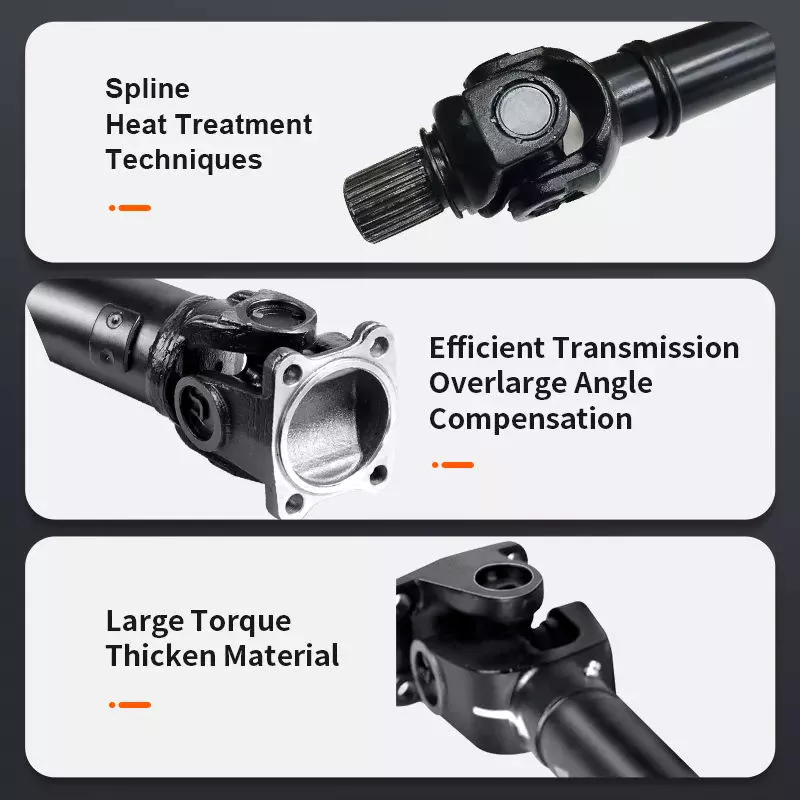
What safety precautions should be followed when working with PTO shafts?
Working with Power Take-Off (PTO) shafts requires strict adherence to safety precautions to prevent accidents and ensure the well-being of individuals operating or working in the vicinity of the equipment. PTO shafts involve rotating machinery and can pose significant hazards if not handled properly. Here are several important safety precautions that should be followed when working with PTO shafts:
1. Familiarize Yourself with the Equipment: Prior to operating or working near a PTO shaft, it is crucial to thoroughly understand the equipment’s operation, including the specific PTO shaft configuration, safety features, and any associated machinery. Read and follow the manufacturer’s instructions and safety guidelines pertaining to the PTO shaft and associated equipment. Training and familiarity with the equipment are essential to ensure safe practices.
2. Wear Appropriate Personal Protective Equipment (PPE): When working with PTO shafts, individuals should wear appropriate personal protective equipment to minimize the risk of injury. This may include safety glasses, hearing protection, gloves, and sturdy footwear. PPE protects against potential hazards such as flying debris, noise, and accidental contact with rotating components.
3. Guarding and Shielding: Ensure that the PTO shaft and associated machinery are equipped with appropriate guarding and shielding. Guarding helps prevent accidental contact with rotating parts, reducing the risk of entanglement or injury. PTO shafts should have guard shields covering the rotating shaft and any exposed universal joints. Machinery driven by the PTO shaft should also have adequate guarding in place to protect against contact with moving parts.
4. Securely Fasten and Align PTO Shaft Components: Before operating or connecting the PTO shaft, ensure that all components are securely fastened and aligned. Loose or misaligned components can lead to shaft dislodgement, imbalance, and potential failure. Follow the manufacturer’s guidelines for proper installation and tightening of couplings, yokes, and other connecting points. Proper alignment is crucial to prevent excessive stress, vibrations, and premature wear on the PTO shaft and associated equipment.
5. Avoid Loose Clothing and Jewelry: Loose clothing, jewelry, or other items that can become entangled in the PTO shaft or associated machinery should be avoided. Secure long hair, tuck in loose clothing, and remove or properly secure any dangling accessories. Loose items can get caught in rotating parts, leading to serious injury or entanglement hazards.
6. Do Not Modify or Remove Safety Features: PTO shafts are equipped with safety features such as guard shields, safety covers, and torque limiters for a reason. These features are designed to protect against potential hazards and should not be modified, bypassed, or removed. Altering or disabling safety features can significantly increase the risk of accidents and injury. If any safety features are damaged or not functioning correctly, they should be repaired or replaced promptly.
7. Shut Down Power Source Before Maintenance: Before performing any maintenance, repairs, or adjustments on the PTO shaft or associated machinery, ensure that the power source is completely shut down and disconnected. This includes turning off the engine, disconnecting power supply, and engaging any safety locks or mechanisms. Lockout/tagout procedures should be followed to prevent accidental energization or startup during maintenance activities.
8. Regular Maintenance and Inspection: Regular maintenance and inspection of the PTO shaft and associated equipment are vital for safe operation. Follow the manufacturer’s recommended maintenance schedule and perform routine inspections to identify any signs of wear, damage, or misalignment. Lubricate universal joints as per the manufacturer’s guidelines to ensure smooth operation. Promptly address any maintenance or repair needs to prevent potential hazards.
9. Training and Communication: Ensure that individuals operating or working near PTO shafts receive proper training on safe work practices, hazard identification, and emergency procedures. Promote clear communication regarding the presence and operation of PTO shafts to prevent accidental contact or interference. Establish effective communication methods, such as signals or radios, when working in teams or near noisy equipment.
10. Be Aware of Surroundings: Maintain situational awareness when working with PTO shafts. Be mindful of the location of bystanders, obstacles, and potential hazards. Ensure a clear and safe work area around the PTO shaft. Avoid distractions and focus on the task at hand to prevent accidents caused by inattention.
By following these safety precautions, individuals can minimize the risk of accidents and injuries when working with PTO shafts. Safety should always be the top priority to ensure a safe and productive work environment.
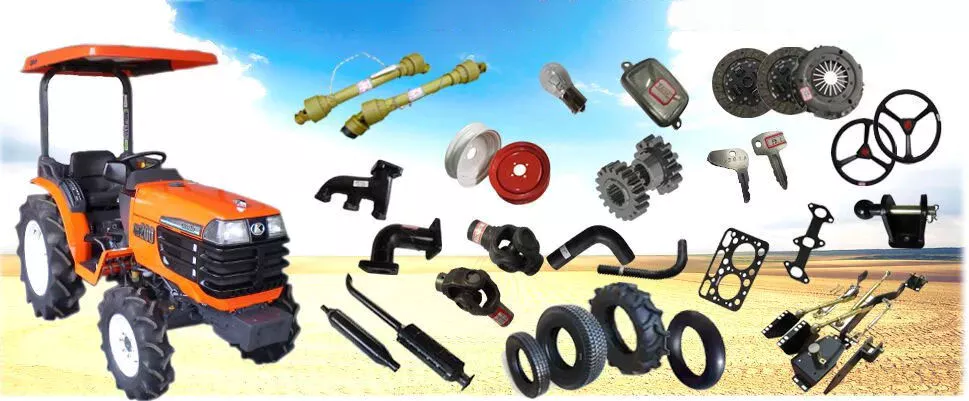
How do PTO shafts handle variations in speed and torque requirements?
PTO shafts (Power Take-Off shafts) are designed to handle variations in speed and torque requirements between the power source (such as a tractor or engine) and the driven machinery or equipment. They incorporate various mechanisms and components to ensure efficient power transmission while accommodating the different speed and torque demands. Here’s a detailed explanation of how PTO shafts handle variations in speed and torque requirements:
1. Gearbox Systems: PTO shafts often incorporate gearbox systems to match the speed and torque requirements between the power source and the driven machinery. Gearboxes allow for speed reduction or increase and can also change the rotational direction if necessary. By using different gear ratios, PTO shafts can adapt the rotational speed and torque output to suit the specific requirements of the driven equipment. Gearbox systems enable PTO shafts to provide the necessary power and speed compatibility between the power source and the machinery they drive.
2. Shear Bolt Mechanisms: Some PTO shafts, particularly in applications where sudden overloads or shock loads are expected, use shear bolt mechanisms. These mechanisms are designed to protect the driveline components from damage by disconnecting the PTO shaft in case of excessive torque or sudden resistance. Shear bolts are designed to break at a specific torque threshold, ensuring that the PTO shaft separates before the driveline components suffer damage. By incorporating shear bolt mechanisms, PTO shafts can handle variations in torque requirements and provide a safety feature to protect the equipment.
3. Friction Clutches: PTO shafts may incorporate friction clutch systems to enable smooth engagement and disengagement of power transfer. Friction clutches use a disc and pressure plate mechanism to control the transmission of power. Operators can gradually engage or disengage the power transfer by adjusting the pressure on the friction disc. This feature allows for precise control over torque transmission, accommodating variations in torque requirements while minimizing shock loads on the driveline components. Friction clutches are commonly used in applications where smooth power engagement is essential, such as in hydraulic pumps, generators, and industrial mixers.
4. Constant Velocity (CV) Joints: In cases where the driven machinery requires a significant range of movement or articulation, PTO shafts may incorporate Constant Velocity (CV) joints. CV joints allow the PTO shaft to accommodate misalignment and angular variations without affecting power transmission. These joints provide a smooth and constant power transfer even when the driven machinery is at an angle relative to the power source. CV joints are commonly used in applications such as articulated loaders, telescopic handlers, and self-propelled sprayers, where the machinery requires flexibility and a wide range of movement.
5. Telescopic Designs: Some PTO shafts feature telescopic designs that allow for length adjustment. These shafts consist of two or more concentric shafts that slide within each other, providing the ability to extend or retract the PTO shaft as needed. Telescopic designs accommodate variations in the distance between the power source and the driven machinery. By adjusting the length of the PTO shaft, operators can ensure proper power transmission without the risk of the shaft dragging on the ground or being too short to reach the equipment. Telescopic PTO shafts are commonly used in applications where the distance between the power source and the implement varies, such as in front-mounted implements, snow blowers, and self-loading wagons.
By incorporating these mechanisms and designs, PTO shafts can handle variations in speed and torque requirements effectively. They provide the necessary flexibility, safety, and control to ensure efficient power transmission between the power source and the driven machinery. PTO shafts play a critical role in adapting power to meet the specific needs of various equipment and applications.


editor by CX 2024-04-25

























