Productbeschrijving
T4-660-01B-07G-YIIIP Agriculture PTO Drive Shaft for Earth Mover and Potato Harvester
| Product: | PTO-aandrijfas |
| Model: | T4-660-01B-07G-YIIIP |
| Size: | φ27*74.6 Length 660mm |
| Raw Material: | 45# Steel |
| Hardness: | 58-64HRC |
| Delivery Date: | 7-60 Days |
| MOQ: | 100 sets or according to stocks without minimum Qty. |
| Sample: | Acceptable |
| We could produce all kinds of PTO Drive Shaft and Parts according to customers’ requirement. | |
| REF. | UJ | L.mm |
| T4-660-01B-07G-YIIIP | ø27*74.6 | 660 |
About us
We have more than 17 years experience of Spare parts, especially on Drive Line Parts.
We deeply participant in the Auto Spare parts business in HangZhou city which is the most import spare parts production area in China.
We are supply products with good cost performance for different customers of all over the world.
We keep very good relationship with local produces with the WIN-WIN-WIN policy.
Factory supply good and fast products;
We supply good and fast service;
And Customers gain the good products and good service for their customers.
This is a healthy and strong equilateral triangle keep HangZhou Speedway going forward until now.
/* 22 januari 2571 19:08:37 */!function(){function s(e,r){var a,o={};try{e&&e.split(“,”).forEach(function(e,t){e&&(a=e.match(/(.*?):(.*)$/))&&1
| Type: | Transmission |
|---|---|
| Gebruik: | Tillage, Harvester, Planting and Fertilization |
| Materiaal: | 45# Steel |
| Stroombron: | Diesel |
| Gewicht: | 8 |
| Klantenservice na aankoop: | Online ondersteuning |
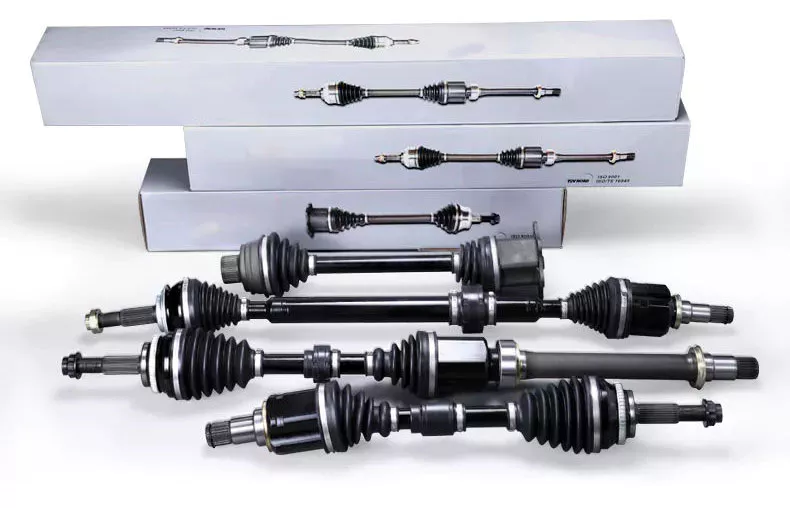
Kunnen aftakas-aandrijfassen worden aangepast voor gebruik in zowel agrarische als industriële omgevingen?
Ja, aftakas-aandrijfassen (PTO) kunnen worden aangepast voor gebruik in zowel de landbouw als de industrie. Hoewel aftakas-aandrijfassen vaak worden geassocieerd met landbouwmachines, maken hun veelzijdigheid en compatibiliteit met diverse aangedreven apparatuur ze ook geschikt voor industriële toepassingen. Hieronder volgt een gedetailleerde uitleg over hoe aftakas-aandrijfassen kunnen worden aangepast voor gebruik in zowel de landbouw als de industrie:
1. Verwisselbare hulpstukken:
Aftakasassen zijn ontworpen om verschillende soorten aanbouwdelen of werktuigen te kunnen gebruiken. In de landbouw kunnen deze aanbouwdelen bestaan uit roterende maaiers, balenpersen, grondfrezen en andere landbouwmachines. Industriële toepassingen vereisen mogelijk aftakasassen voor het aandrijven van pompen, generatoren, compressoren of andere machines. De mogelijkheid om aanbouwdelen te verwisselen maakt aftakasassen geschikt voor een breed scala aan toepassingen in zowel de landbouw- als de industriële sector.
2. Verstelbare lengtes:
Aftakas-aandrijfassen zijn vaak ontworpen met een verstelbare lengte om aan verschillende machineconfiguraties te voldoen. Door de lengte aan te passen, kan de aandrijfas correct worden uitgelijnd en aangesloten tussen de krachtbron en de aangedreven machine, ongeacht of deze zich in een agrarische of industriële omgeving bevindt. Deze flexibiliteit in lengteverstelling maakt aftakas-aandrijfassen aanpasbaar aan diverse machineconfiguraties en zorgt voor een efficiënte krachtoverdracht in beide sectoren.
3. Compatibiliteit met stroomvoorziening:
PTO-aandrijfassen zijn ontworpen om vermogen over te brengen van de krachtbron (bijv. motor) naar de aangedreven apparatuur. De vermogensbehoefte in zowel agrarische als industriële omgevingen kan variëren, maar PTO-aandrijfassen zijn gebouwd om een breed scala aan vermogens te verwerken. Dankzij deze vermogenscompatibiliteit kunnen PTO-aandrijfassen in verschillende omgevingen worden gebruikt, of het nu gaat om een tractor op een veld of een industriële machine in een fabriek.
4. Veiligheidsaspecten:
Aftakas-aandrijfassen zijn ontworpen met veiligheid als prioriteit, ongeacht de toepassing. Veiligheidsvoorzieningen zoals breekpennen, koppelbegrenzers, afscherming en bescherming zijn in het ontwerp van aftakas-aandrijfassen geïntegreerd om zowel de gebruiker als de apparatuur te beschermen. Deze veiligheidsaspecten gelden universeel, waardoor aftakas-aandrijfassen veilig kunnen worden gebruikt in zowel agrarische als industriële omgevingen.
5. Naleving van normen:
PTO-aandrijfassen worden geproduceerd volgens industriële normen en voorschriften. Deze normen, zoals ISO 500-1, specificeren eisen voor componenten voor krachtoverbrenging, waaronder PTO-aandrijfassen. Naleving van deze normen garandeert dat de aandrijfassen voldoen aan de noodzakelijke veiligheids- en prestatiecriteria, ongeacht de toepassing. PTO-aandrijfassen die voldoen aan de industriële normen kunnen met een gerust hart worden gebruikt in zowel agrarische als industriële omgevingen.
6. Aanpassingsopties:
Fabrikanten van aftakas-aandrijfassen bieden vaak aanpassingsmogelijkheden om aan specifieke eisen te voldoen. Hierdoor kunnen klanten in zowel de agrarische als de industriële sector de aandrijfassen afstemmen op hun unieke behoeften. Aanpassingsmogelijkheden kunnen bestaan uit verschillende lengtes, aansluittypes en beschermingsfuncties, waardoor aftakas-aandrijfassen geschikt zijn voor diverse toepassingen in beide sectoren.
7. Onderhoud en compatibiliteit:
De onderhoudsprocedures en compatibiliteitseisen voor aftakas-aandrijfassen zijn over het algemeen vergelijkbaar in zowel de landbouw als de industrie. Regelmatig onderhoud, zoals smering, inspectie en koppelcontrole, is essentieel voor het verlengen van de levensduur en het garanderen van optimale prestaties in beide sectoren. De fundamentele principes van krachtoverbrenging en veiligheid gelden voor zowel de landbouw als de industrie, waardoor het gebruik van aftakas-aandrijfassen in beide sectoren consistent is.
Kortom, aftakas-aandrijfassen kunnen met succes worden aangepast voor gebruik in zowel de landbouw als de industrie. Hun verwisselbare hulpstukken, verstelbare lengtes, vermogenscompatibiliteit, veiligheidsaspecten, naleving van normen, aanpassingsmogelijkheden en onderhoudspraktijken maken ze veelzijdig en geschikt voor een breed scala aan toepassingen in beide sectoren. Of het nu gaat om het aandrijven van landbouwmachines of industriële apparatuur, aftakas-aandrijfassen zorgen voor een efficiënte krachtoverdracht en betrouwbare prestaties.
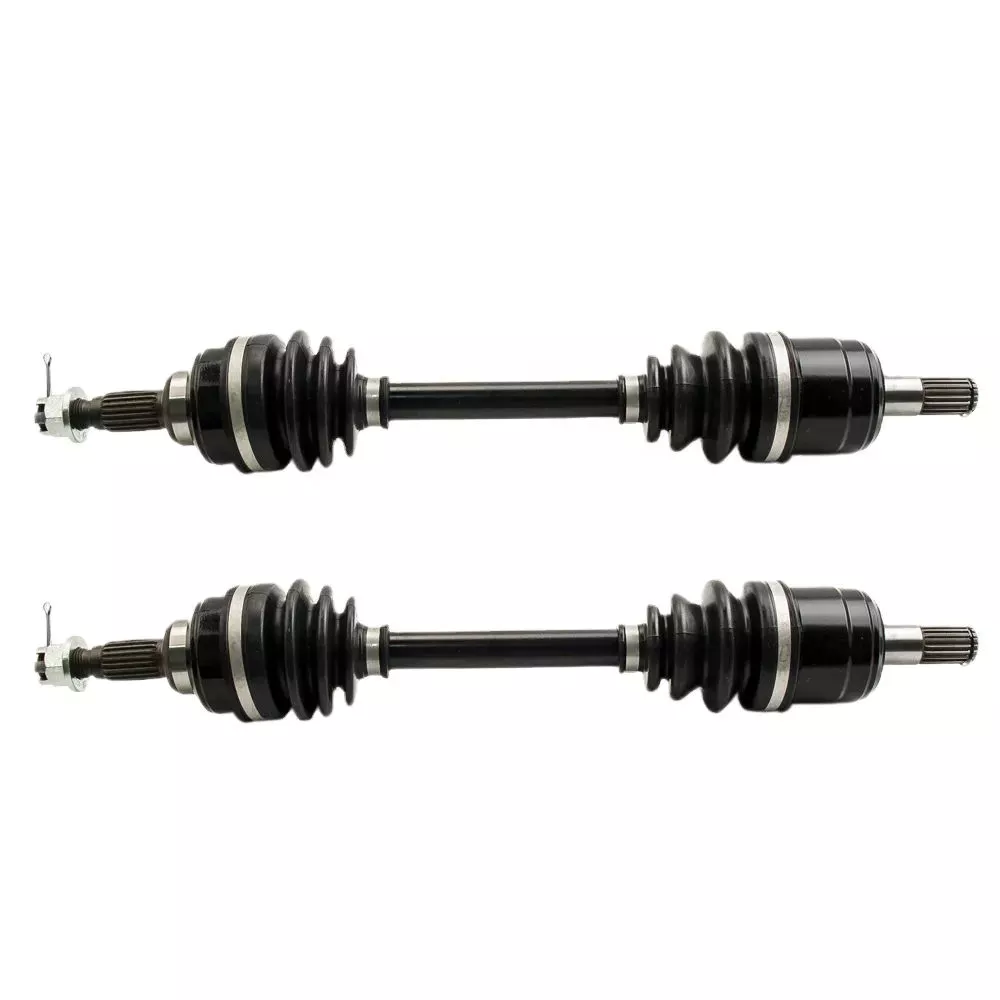
How do PTO drive shafts contribute to the efficiency of agricultural tasks like plowing?
PTO (Power Take-Off) drive shafts play a crucial role in enhancing the efficiency of agricultural tasks, including plowing. They provide a reliable and efficient power transmission mechanism between a tractor or power source and various implements, such as plows. Here’s how PTO drive shafts contribute to the efficiency of agricultural tasks like plowing:
1. Power Transfer:
PTO drive shafts enable the transfer of power from the tractor’s engine to the plow or other implements used for plowing. They transmit rotational power at a consistent speed from the power source to the implement, allowing it to perform the intended task efficiently. This direct power transfer eliminates the need for separate engines or motors on each implement, saving both time and resources.
2. Versatility:
PTO drive shafts are designed to be versatile and compatible with a wide range of agricultural implements. They come in standardized sizes and configurations, allowing different implements to be easily connected and disconnected. This versatility enables farmers to switch between various tasks, including plowing, without requiring significant equipment changes or modifications.
3. Time Efficiency:
By directly transmitting power from the tractor to the plow, PTO drive shafts help save time during agricultural tasks like plowing. They eliminate the need for manual or animal-driven labor, allowing for faster and more efficient plowing operations. This time efficiency increases overall productivity and enables farmers to cover larger areas in less time.
4. Consistent Power Output:
PTO drive shafts provide a consistent power output to the implement, ensuring uniform performance during plowing. They maintain a steady rotational speed, minimizing variations in power delivery and preventing uneven plowing or crop damage. This consistent power output helps achieve reliable and precise results, leading to improved efficiency in the plowing process.
5. Adjustable Speed and Depth:
Many PTO drive shafts offer adjustable rotational speeds, allowing farmers to control the plowing speed according to the specific soil conditions and requirements. This adjustability enables farmers to optimize the plowing process, ensuring efficient soil turnover and seedbed preparation. Additionally, some plows incorporate mechanisms for adjusting the plowing depth, further enhancing flexibility and efficiency.
6. Reduced Operator Fatigue:
The use of PTO drive shafts in plowing reduces the physical strain on operators. Instead of manually exerting force to plow the field, operators can rely on the power transmitted through the drive shaft. This reduces fatigue, allowing operators to work for longer durations without experiencing excessive exhaustion. Reduced operator fatigue contributes to increased productivity and overall efficiency in agricultural tasks.
7. Integration with Tractor Controls:
Modern PTO drive shafts often integrate with the tractor’s control system. This integration enables convenient and precise control of the PTO engagement and disengagement, rotational speed, and other parameters. Such integration enhances the ease of operation, minimizes errors, and improves overall efficiency during plowing and other agricultural tasks.
8. Maintenance and Serviceability:
PTO drive shafts are typically designed for ease of maintenance and serviceability. They often feature accessible lubrication points, inspection ports, and replaceable components, making it easier to keep them in good working condition. Regular maintenance ensures optimal performance, reduces the risk of unexpected breakdowns, and maximizes the efficiency of plowing operations.
In summary, PTO drive shafts significantly contribute to the efficiency of agricultural tasks like plowing. They enable direct and consistent power transfer, offer versatility in implement compatibility, save time, provide adjustable speed and depth control, reduce operator fatigue, integrate with tractor controls, and facilitate maintenance. By leveraging the capabilities of PTO drive shafts, farmers can enhance productivity, streamline operations, and achieve efficient plowing results.

Can you explain the components and function of a PTO drive shaft system?
A PTO (Power Take-Off) drive shaft system consists of several components that work together to transfer power from a primary power source, such as a tractor or engine, to various implements or machinery. Each component plays a specific role in ensuring the efficient and reliable transmission of rotational power. Here’s a detailed explanation of the components and their functions within a PTO drive shaft system:
1. Primary Power Source:
The primary power source is typically a tractor or engine equipped with a PTO output shaft. This shaft generates rotational power from the engine’s crankshaft or transmission, acting as the starting point for power transmission.
2. PTO Output Shaft:
The PTO output shaft is a rotating shaft located on the primary power source, specifically designed to transfer power to external devices. It is typically located at the rear of a tractor and may have various spline configurations to accommodate different types of PTO drive shafts.
3. PTO Drive Shaft:
The PTO drive shaft is the main component of the system, responsible for transmitting power from the primary power source to the implement or machinery. It consists of a rotating shaft with splines at both ends. One end connects to the PTO output shaft, while the other end connects to the input shaft of the implement. The drive shaft rotates at the same speed as the primary power source, effectively delivering power to the implement.
4. Splined Connections:
The splined connections on the PTO drive shaft and the PTO output shaft of the primary power source provide a secure and robust connection. These splines ensure proper alignment and torque transmission between the two shafts, enabling efficient power transfer while accommodating varying distances and alignments.
5. Safety Guards and Shields:
PTO drive shaft systems often incorporate safety guards and shields to protect operators from potential hazards associated with rotating components. These guards and shields cover the rotating parts of the drive shaft, reducing the risk of entanglement or contact during operation.
6. Telescoping or Sliding Mechanism:
Some PTO drive shafts feature a telescoping or sliding mechanism. This allows the drive shaft to be adjusted in length, accommodating different distances between the primary power source and the implement. The telescoping or sliding mechanism ensures proper alignment and prevents excessive tension or binding of the drive shaft.
7. Shear Pins or Clutch Mechanism:
To protect the PTO drive shaft and the machinery from excessive loads or sudden shocks, shear pins or a clutch mechanism may be incorporated. These safety features are designed to disconnect the drive shaft from the primary power source in the event of an overload or sudden impact, preventing damage to the drive shaft and associated equipment.
8. Maintenance and Lubrication Points:
PTO drive shaft systems require regular maintenance and lubrication to ensure optimal performance and longevity. Lubrication points are typically provided to allow for the application of grease or oil to reduce friction and wear. Regular inspections and maintenance help identify any issues or wear in the components, ensuring safe and efficient operation.
9. Implement Input Shaft:
The implement input shaft is the counterpart to the PTO drive shaft on the implement or machinery side. It connects to the PTO drive shaft and receives power for driving the specific machinery or performing various tasks. The input shaft is precisely aligned with the drive shaft to ensure efficient power transfer.
In summary, a PTO drive shaft system consists of components such as the primary power source, PTO output shaft, PTO drive shaft, splined connections, safety guards, telescoping or sliding mechanisms, shear pins or clutch mechanisms, maintenance and lubrication points, and the implement input shaft. Together, these components enable the efficient and reliable transfer of rotational power from the primary power source to the implement or machinery, allowing for a wide range of tasks and applications in agricultural and industrial settings.


editor by CX 2024-03-08