
توضیحات محصول
Yucheng Hongri Machinery Factory
Product Technical Parameter
Product description:
Name: Agricultural Equipment Tractor PTO drive shaft
Used for power transmission from tractors to agricultural machinery. Cross kit is manufactured by forging process and forged by press. Individual quality inspection before delivery
Product Images:
Packing & shipping:
Normal packing or According to your requirement.
Safe, complete and fast delivery of goods to customers
Our Company :
| Business type | Manufacture |
| Location | Shiliwang Industrial Zone of HangZhou, ZheJiang ,China |
| Year Established | 2003 |
| Occupied area | 50 Acres |
| Company certification | CE, ISO9001 |
| Main product | PTO disc harrow, disc plough, trailer, boom sprayer , rotary tillers, potato planter ,plowing blade, plough blade, soil-loosening shovel and so on. With good quality, excellent performance, our products annually export to countries around the world, and we have gained the majority of customers trust. |
After Service:
12 months guarantee of the main parts, we will send the guarantee parts together with the machine in your next order or we can send them by air express if you need it urgently.
سوالات متداول:
Q: Full price list for these products
A: If you need the price list for these products, please notify the product model so that I can quote you accordingly. Please understand we have a very wide product range, we don’t usually offer full products price list.
Q: Business terms
A: Shipment time: 25-40 days after your payment
Shipment: By sea
Loading port: HangZhou port, China
Destination port: …To be advised
Payment: T/T, L/C
Warranty: 1 year
Q:How can I order from you?
A: Please send us your enquiry list; we will reply you within 2 working days.
Q:If the finger I look for are not in your catalogue, what should I do?
A: We can develop it according to your drawing or sample.
Q: Why choose CZPT for cooperation?
A: Comparing with our competitors, we have much more advantages as follows:
1. More than 30 years in manufacturing farming machine.
2. More Professional Sales staffs to guarantee the better service.
3. More agri machines for your choice.
4. More New products into your range to avoid price competition.
5. Larger quantity production and shipment.
6. Better quality to guarantee better Credit.
7. Faster delivery time: Only 7 days.
8. More stick quality checking before shipment.
9. More reasonable after-sales service terms.
10. More famous brand: “Hongri” brand and “CE” ceitification.
11. Lower repair rate and bad review rate.
12. We have American Branch to show our main products. We can give customers best service.
If you have any questions, please feel free to contact me.
/* 22 ژانویه 2571 19:08:37 */!function(){function s(e,r){var a,o={};try{e&&e.split(“,”).forEach(function(e,t){e&&(a=e.match(/(.*&4?):(./*)
| نوع: | Pto |
|---|---|
| طریقه استفاده: | Agricultural Products Processing, Farmland Infrastructure, Tillage, Harvester, Planting and Fertilization, Power Transmission |
| مواد: | 20chrome-Manganese Titanium |
| منبع تغذیه: | Tractor |
| وزن: | 10-20(Kg) |
| خدمات پس از فروش: | Provide |
| نمونهها: |
US$ 50/قطعه
۱ قطعه (حداقل سفارش) | |
|---|
| سفارشی سازی: |
موجود است
| درخواست سفارشی |
|---|
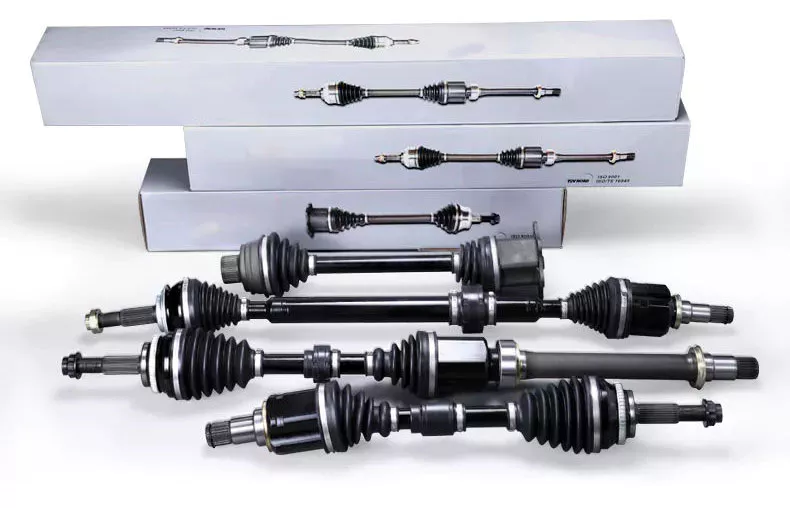
What maintenance practices are crucial for prolonging the lifespan of drive shafts?
To prolong the lifespan of drive shafts and ensure their optimal performance, several maintenance practices are crucial. Regular maintenance helps identify and address potential issues before they escalate, reduces wear and tear, and ensures the drive shaft operates smoothly and efficiently. Here are some essential maintenance practices for prolonging the lifespan of drive shafts:
1. Regular Inspection:
Performing regular inspections is vital for detecting any signs of wear, damage, or misalignment. Inspect the drive shaft visually, looking for cracks, dents, or any signs of excessive wear on the shaft itself and its associated components such as joints, yokes, and splines. Check for any signs of lubrication leaks or contamination. Additionally, inspect the fasteners and mounting points to ensure they are secure. Early detection of any issues allows for timely repairs or replacements, preventing further damage to the drive shaft.
2. Lubrication:
Proper lubrication is essential for the smooth operation and longevity of drive shafts. Lubricate the joints, such as universal joints or constant velocity joints, as recommended by the manufacturer. Lubrication reduces friction, minimizes wear, and helps dissipate heat generated during operation. Use the appropriate lubricant specified for the specific drive shaft and application, considering factors such as temperature, load, and operating conditions. Regularly check the lubrication levels and replenish as necessary to ensure optimal performance and prevent premature failure.
3. Balancing and Alignment:
Maintaining proper balancing and alignment is crucial for the lifespan of drive shafts. Imbalances or misalignments can lead to vibrations, accelerated wear, and potential failure. If vibrations or unusual noises are detected during operation, it is important to address them promptly. Perform balancing procedures as necessary, including dynamic balancing, to ensure even weight distribution along the drive shaft. Additionally, verify that the drive shaft is correctly aligned with the engine or power source and the driven components. Misalignment can cause excessive stress on the drive shaft, leading to premature failure.
4. Protective Coatings:
Applying protective coatings can help prolong the lifespan of drive shafts, particularly in applications exposed to harsh environments or corrosive substances. Consider using coatings such as zinc plating, powder coating, or specialized corrosion-resistant coatings to enhance the drive shaft’s resistance to corrosion, rust, and chemical damage. Regularly inspect the coating for any signs of degradation or damage, and reapply or repair as necessary to maintain the protective barrier.
5. Torque and Fastener Checks:
Ensure that the drive shaft’s fasteners, such as bolts, nuts, or clamps, are properly torqued and secured according to the manufacturer’s specifications. Loose or improperly tightened fasteners can lead to excessive vibrations, misalignment, or even detachment of the drive shaft. Periodically check and retighten the fasteners as recommended or after any maintenance or repair procedures. Additionally, monitor the torque levels during operation to ensure they remain within the specified range, as excessive torque can strain the drive shaft and lead to premature failure.
6. Environmental Protection:
Protecting the drive shaft from environmental factors can significantly extend its lifespan. In applications exposed to extreme temperatures, moisture, chemicals, or abrasive substances, take appropriate measures to shield the drive shaft. This may include using protective covers, seals, or guards to prevent contaminants from entering and causing damage. Regular cleaning of the drive shaft, especially in dirty or corrosive environments, can also help remove debris and prevent buildup that could compromise its performance and longevity.
7. Manufacturer Guidelines:
Follow the manufacturer’s guidelines and recommendations for maintenance practices specific to the drive shaft model and application. The manufacturer’s instructions may include specific intervals for inspections, lubrication, balancing, or other maintenance tasks. Adhering to these guidelines ensures that the drive shaft is properly maintained and serviced, maximizing its lifespan and minimizing the risk of unexpected failures.
By implementing these maintenance practices, drive shafts can operate reliably, maintain efficient power transmission, and have an extended service life, ultimately reducing downtime and ensuring optimal performance in various applications.
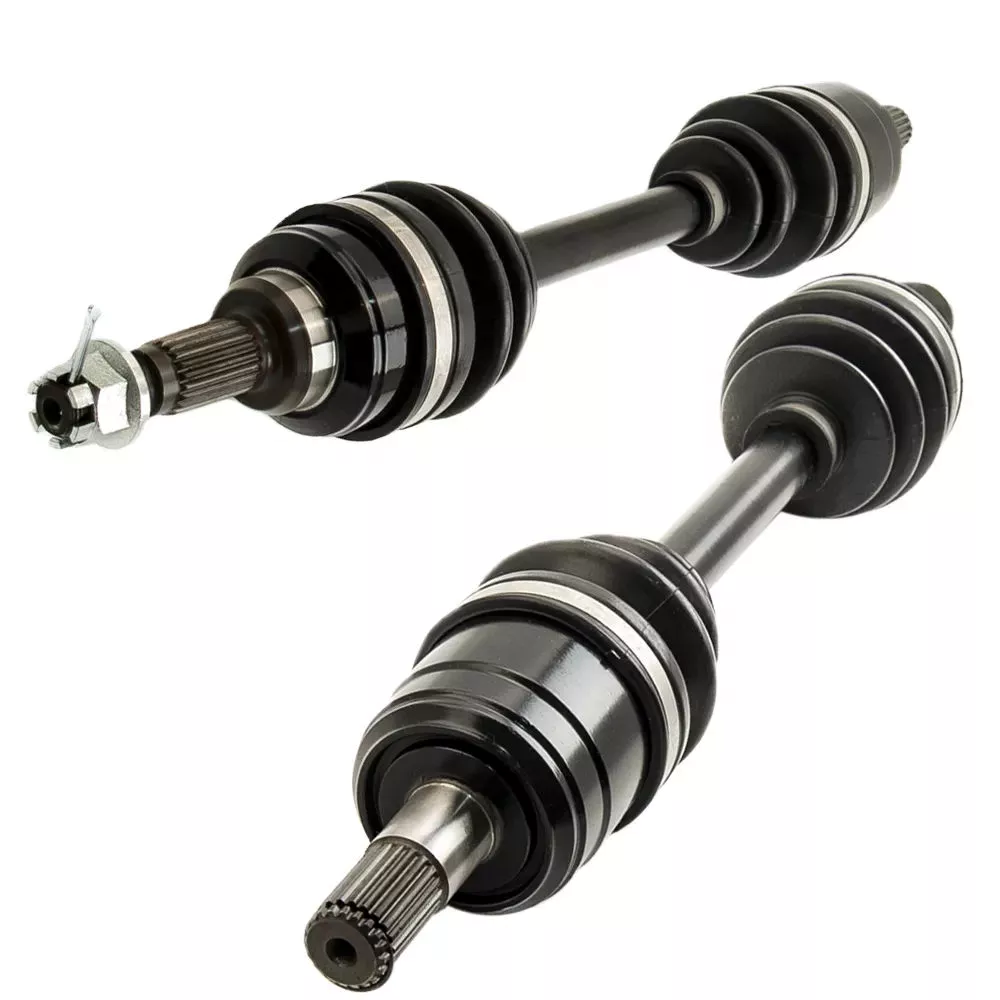
How do drive shafts handle variations in load and vibration during operation?
Drive shafts are designed to handle variations in load and vibration during operation by employing various mechanisms and features. These mechanisms help ensure smooth power transmission, minimize vibrations, and maintain the structural integrity of the drive shaft. Here’s a detailed explanation of how drive shafts handle load and vibration variations:
1. Material Selection and Design:
Drive shafts are typically made from materials with high strength and stiffness, such as steel alloys or composite materials. The material selection and design take into account the anticipated loads and operating conditions of the application. By using appropriate materials and optimizing the design, drive shafts can withstand the expected variations in load without experiencing excessive deflection or deformation.
2. Torque Capacity:
Drive shafts are designed with a specific torque capacity that corresponds to the expected loads. The torque capacity takes into account factors such as the power output of the driving source and the torque requirements of the driven components. By selecting a drive shaft with sufficient torque capacity, variations in load can be accommodated without exceeding the drive shaft’s limits and risking failure or damage.
3. Dynamic Balancing:
During the manufacturing process, drive shafts can undergo dynamic balancing. Imbalances in the drive shaft can result in vibrations during operation. Through the balancing process, weights are strategically added or removed to ensure that the drive shaft spins evenly and minimizes vibrations. Dynamic balancing helps to mitigate the effects of load variations and reduces the potential for excessive vibrations in the drive shaft.
4. Dampers and Vibration Control:
Drive shafts can incorporate dampers or vibration control mechanisms to further minimize vibrations. These devices are typically designed to absorb or dissipate vibrations that may arise from load variations or other factors. Dampers can be in the form of torsional dampers, rubber isolators, or other vibration-absorbing elements strategically placed along the drive shaft. By managing and attenuating vibrations, drive shafts ensure smooth operation and enhance overall system performance.
5. CV Joints:
Constant Velocity (CV) joints are often used in drive shafts to accommodate variations in operating angles and to maintain a constant speed. CV joints allow the drive shaft to transmit power even when the driving and driven components are at different angles. By accommodating variations in operating angles, CV joints help minimize the impact of load variations and reduce potential vibrations that may arise from changes in the driveline geometry.
6. Lubrication and Maintenance:
Proper lubrication and regular maintenance are essential for drive shafts to handle load and vibration variations effectively. Lubrication helps reduce friction between moving parts, minimizing wear and heat generation. Regular maintenance, including inspection and lubrication of joints, ensures that the drive shaft remains in optimal condition, reducing the risk of failure or performance degradation due to load variations.
7. Structural Rigidity:
Drive shafts are designed to have sufficient structural rigidity to resist bending and torsional forces. This rigidity helps maintain the integrity of the drive shaft when subjected to load variations. By minimizing deflection and maintaining structural integrity, the drive shaft can effectively transmit power and handle variations in load without compromising performance or introducing excessive vibrations.
8. Control Systems and Feedback:
In some applications, drive shafts may be equipped with control systems that actively monitor and adjust parameters such as torque, speed, and vibration. These control systems use sensors and feedback mechanisms to detect variations in load or vibrations and make real-time adjustments to optimize performance. By actively managing load variations and vibrations, drive shafts can adapt to changing operating conditions and maintain smooth operation.
In summary, drive shafts handle variations in load and vibration during operation through careful material selection and design, torque capacity considerations, dynamic balancing, integration of dampers and vibration control mechanisms, utilization of CV joints, proper lubrication and maintenance, structural rigidity, and, in some cases, control systems and feedback mechanisms. By incorporating these features and mechanisms, drive shafts ensure reliable and efficient power transmission while minimizing the impact of load variations and vibrations on overall system performance.

میشه انواع مختلف میل گاردان و کاربرد های خاص هر کدوم رو توضیح بدید؟
شفتهای محرک انواع مختلفی دارند که هر کدام برای کاربردها و نیازهای خاص طراحی شدهاند. انتخاب شفت محرک به عواملی مانند نوع وسیله نقلیه یا تجهیزات، نیازهای انتقال قدرت، محدودیتهای فضا و شرایط عملیاتی بستگی دارد. در اینجا توضیحی در مورد انواع مختلف شفتهای محرک و کاربردهای خاص آنها ارائه شده است:
۱. شفت توپر:
شفت توپر، که به عنوان شفت محرک یکپارچه یا فولادی توپر نیز شناخته میشود، یک شفت تک و پیوسته است که از موتور یا منبع تغذیه به اجزای محرک متصل میشود. این یک طراحی ساده و مستحکم است که در بسیاری از کاربردها مورد استفاده قرار میگیرد. شفتهای توپر معمولاً در وسایل نقلیه دیفرانسیل عقب یافت میشوند، جایی که آنها نیرو را از گیربکس به محور عقب منتقل میکنند. آنها همچنین در ماشینآلات صنعتی مانند پمپها، ژنراتورها و نوار نقالهها، که در آنها انتقال قدرت مستقیم و صلب مورد نیاز است، استفاده میشوند.
۲. شفت لولهای:
شفتهای لولهای که شفتهای توخالی نیز نامیده میشوند، شفتهای محرک با ساختار استوانهای لوله مانند هستند. آنها با یک هسته توخالی ساخته میشوند و معمولاً سبکتر از شفتهای توپر هستند. شفتهای لولهای مزایایی مانند کاهش وزن، بهبود سختی پیچشی و میرایی بهتر ارتعاشات را ارائه میدهند. آنها در وسایل نقلیه مختلف، از جمله اتومبیلها، کامیونها و موتورسیکلتها، و همچنین در تجهیزات و ماشینآلات صنعتی کاربرد دارند. شفتهای محرک لولهای معمولاً در وسایل نقلیه دیفرانسیل جلو استفاده میشوند، جایی که سیستم انتقال قدرت را به چرخهای جلو متصل میکنند.
۳. شفت سرعت ثابت (CV):
شفتهای سرعت ثابت (CV) به طور خاص برای کنترل حرکت زاویهای و حفظ سرعت ثابت بین موتور/گیربکس و اجزای محرک طراحی شدهاند. آنها در هر دو انتها دارای اتصالات CV هستند که امکان انعطافپذیری و جبران تغییرات زاویه را فراهم میکنند. شفتهای CV معمولاً در خودروهای دیفرانسیل جلو و چهار چرخ محرک و همچنین در خودروهای آفرود و برخی ماشینآلات سنگین استفاده میشوند. اتصالات CV انتقال قدرت روان را حتی در هنگام چرخش چرخها یا حرکت سیستم تعلیق امکانپذیر میکنند و باعث کاهش لرزشها و بهبود عملکرد کلی میشوند.
۴. شفت لغزشی (لغزشی):
شفتهای لغزشی که به عنوان شفتهای تلسکوپی نیز شناخته میشوند، از دو یا چند بخش لولهای تشکیل شدهاند که میتوانند به داخل و خارج از یکدیگر بلغزند. این طراحی امکان تنظیم طول را فراهم میکند و تغییرات فاصله بین موتور/گیربکس و اجزای محرک را در بر میگیرد. شفتهای لغزشی معمولاً در وسایل نقلیه با فاصله محوری طولانی یا سیستمهای تعلیق قابل تنظیم، مانند برخی کامیونها، اتوبوسها و وسایل نقلیه تفریحی، استفاده میشوند. شفتهای لغزشی با ارائه انعطافپذیری در طول، انتقال قدرت ثابت را تضمین میکنند، حتی زمانی که شاسی خودرو حرکت میکند یا هندسه سیستم تعلیق تغییر میکند.
۵. شفت کاردان دوتایی:
شفت کاردان دوبل، که به عنوان شفت اتصال یونیورسال دوبل نیز شناخته میشود، نوعی شفت محرک است که شامل دو مفصل یونیورسال است. این پیکربندی به کاهش ارتعاشات و به حداقل رساندن زاویه عملکرد مفاصل کمک میکند و در نتیجه انتقال قدرت روانتر میشود. شفتهای کاردان دوبل معمولاً در کاربردهای سنگین مانند کامیونها، وسایل نقلیه خارج از جاده و ماشینآلات کشاورزی استفاده میشوند. آنها به ویژه برای کاربردهایی با نیاز به گشتاور بالا و زاویه عملکرد بزرگ مناسب هستند و دوام و عملکرد بهتری را ارائه میدهند.
۶. شفت کامپوزیتی:
شفتهای کامپوزیتی از مواد کامپوزیتی مانند فیبر کربن یا فایبرگلاس ساخته میشوند و مزایایی مانند کاهش وزن، بهبود استحکام و مقاومت در برابر خوردگی را ارائه میدهند. شفتهای محرک کامپوزیتی به طور فزایندهای در وسایل نقلیه با کارایی بالا، اتومبیلهای اسپرت و کاربردهای مسابقهای مورد استفاده قرار میگیرند، جایی که کاهش وزن و افزایش نسبت قدرت به وزن بسیار مهم است. ساختار کامپوزیت امکان تنظیم دقیق ویژگیهای سفتی و میرایی را فراهم میکند و در نتیجه دینامیک خودرو و راندمان سیستم انتقال قدرت بهبود مییابد.
۷. شفت PTO:
شفتهای انتقال نیرو (PTO) شفتهای محرک تخصصی هستند که در ماشینآلات کشاورزی و برخی تجهیزات صنعتی مورد استفاده قرار میگیرند. آنها برای انتقال نیرو از موتور یا منبع تغذیه به اتصالات مختلف مانند ماشینهای چمنزنی، عدلبندی یا پمپها طراحی شدهاند. شفتهای PTO معمولاً در یک انتها دارای یک اتصال خاردار برای اتصال به منبع تغذیه و در انتهای دیگر دارای یک مفصل یونیورسال برای تطبیق با حرکت زاویهای هستند. آنها با توانایی خود در انتقال سطوح گشتاور بالا و سازگاری با طیف وسیعی از ادوات محرک مشخص میشوند.
۸. چاه دریایی:
شفتهای دریایی که به عنوان شفتهای پروانه یا شفتهای دم نیز شناخته میشوند، به طور خاص برای کشتیهای دریایی طراحی شدهاند. آنها نیرو را از موتور به پروانه منتقل میکنند و نیروی محرکه را فراهم میکنند. شفتهای دریایی معمولاً بلند هستند و در محیطهای سخت، در معرض آب، خوردگی و بارهای گشتاور بالا کار میکنند. آنها معمولاً از فولاد ضد زنگ یا سایر مواد مقاوم در برابر خوردگی ساخته میشوند و برای مقاومت در برابر شرایط چالش برانگیز در کاربردهای دریایی طراحی شدهاند.
لازم به ذکر است که کاربردهای خاص شفتهای محرک ممکن است بسته به سازنده خودرو یا تجهیزات و همچنین الزامات خاص طراحی و مهندسی متفاوت باشد. مثالهای ارائه شده در بالا، کاربردهای رایج برای هر نوع شفت محرک را برجسته میکنند، اما ممکن است بر اساس نیازهای خاص صنعت و پیشرفتهای تکنولوژیکی، تغییرات و طراحیهای تخصصی دیگری نیز وجود داشته باشد.


editor by CX 2024-05-14

























