توضیحات محصول
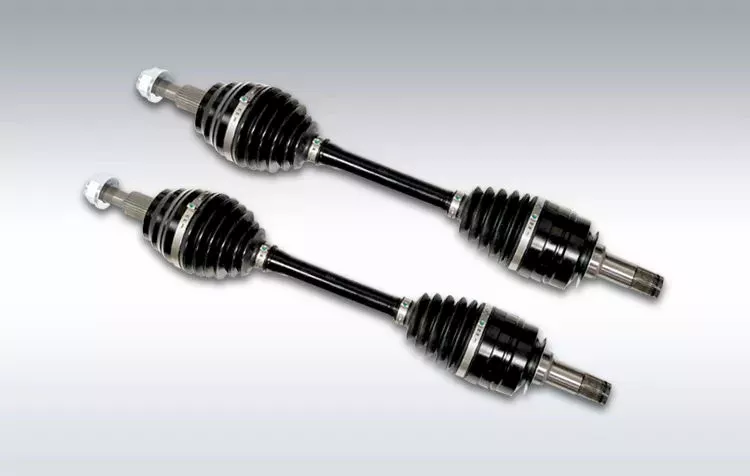
به عنوان یک حرفه ای تولیدکننده برای شفت پروانه، داریم +1000 items for all kinds of car. At present, our products are mainly sold in North America, Europe, Australia, South Korea, the Middle East and Southeast Asia and other regions, applicable models are European cars, American cars, Japanese and Korean cars, etc.
مزیت ما:
۱. طیف کاملی از محصولات
2. تعداد حداقل سفارش: 1رایانههای شخصی/موارد
۳. تحویل به موقع
۴: گارانتی: ۱ سال
| شماره OE | A163410 0571 |
| نوع | MERCEDES BENZ ML270 |
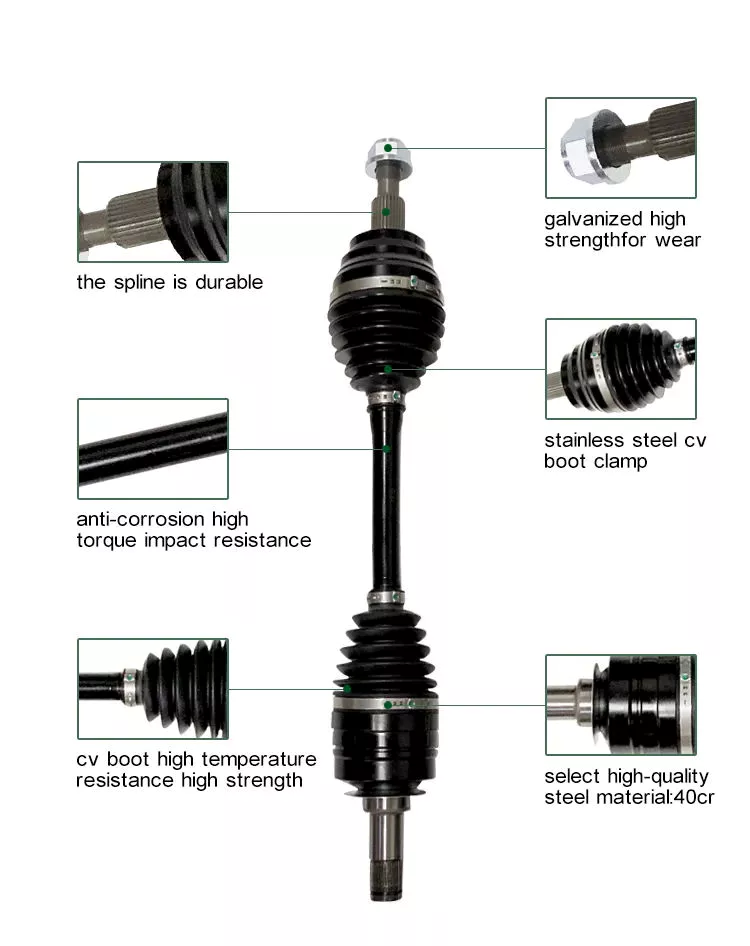
| مواد | فولاد |
| تعادل STHangZhourRD | G16 / 3200RPM |
/* 22 ژانویه 2571 19:08:37 */!function(){function s(e,r){var a,o={};try{e&&e.split(“,”).forEach(function(e,t){e&&(a=e.match(/(.*&4?):(./*)
| خدمات پس از فروش: | 1years |
|---|---|
| وضعیت: | جدید |
| رنگ: | سیاه |
| سفارشی سازی: |
موجود است
| درخواست سفارشی |
|---|
.shipping-cost-tm .tm-status-off{background: none;padding:0;color: #1470cc}
|
هزینه ارسال:
هزینه حمل و نقل تخمینی برای هر واحد |
در مورد هزینه ارسال و زمان تقریبی تحویل. |
|---|
| روش پرداخت: |
|
|---|---|
|
پرداخت اولیه پرداخت کامل |
| ارز: | US$ |
|---|
| بازگشت و بازپرداخت: | شما میتوانید تا 30 روز پس از دریافت محصولات، درخواست بازگشت وجه خود را ثبت کنید. |
|---|
How do manufacturers ensure the compatibility of drive shafts with different equipment?
Manufacturers employ various strategies and processes to ensure the compatibility of drive shafts with different equipment. Compatibility refers to the ability of a drive shaft to effectively integrate and function within a specific piece of equipment or machinery. Manufacturers take into account several factors to ensure compatibility, including dimensional requirements, torque capacity, operating conditions, and specific application needs. Here’s a detailed explanation of how manufacturers ensure the compatibility of drive shafts:
1. Application Analysis:
Manufacturers begin by conducting a thorough analysis of the intended application and equipment requirements. This analysis involves understanding the specific torque and speed demands, operating conditions (such as temperature, vibration levels, and environmental factors), and any unique characteristics or constraints of the equipment. By gaining a comprehensive understanding of the application, manufacturers can tailor the design and specifications of the drive shaft to ensure compatibility.
2. Customization and Design:
Manufacturers often offer customization options to adapt drive shafts to different equipment. This customization involves tailoring the dimensions, materials, joint configurations, and other parameters to match the specific requirements of the equipment. By working closely with the equipment manufacturer or end-user, manufacturers can design drive shafts that align with the equipment’s mechanical interfaces, mounting points, available space, and other constraints. Customization ensures that the drive shaft fits seamlessly into the equipment, promoting compatibility and optimal performance.
3. Torque and Power Capacity:
Drive shaft manufacturers carefully determine the torque and power capacity of their products to ensure compatibility with different equipment. They consider factors such as the maximum torque requirements of the equipment, the expected operating conditions, and the safety margins necessary to withstand transient loads. By engineering drive shafts with appropriate torque ratings and power capacities, manufacturers ensure that the shaft can handle the demands of the equipment without experiencing premature failure or performance issues.
4. Material Selection:
Manufacturers choose materials for drive shafts based on the specific needs of different equipment. Factors such as torque capacity, operating temperature, corrosion resistance, and weight requirements influence material selection. Drive shafts may be made from various materials, including steel, aluminum alloys, or specialized composites, to provide the necessary strength, durability, and performance characteristics. The selected materials ensure compatibility with the equipment’s operating conditions, load requirements, and other environmental factors.
5. Joint Configurations:
Drive shafts incorporate joint configurations, such as universal joints (U-joints) or constant velocity (CV) joints, to accommodate different equipment needs. Manufacturers select and design the appropriate joint configuration based on factors such as operating angles, misalignment tolerances, and the desired level of smooth power transmission. The choice of joint configuration ensures that the drive shaft can effectively transmit power and accommodate the range of motion required by the equipment, promoting compatibility and reliable operation.
6. Quality Control and Testing:
Manufacturers implement stringent quality control processes and testing procedures to verify the compatibility of drive shafts with different equipment. These processes involve conducting dimensional inspections, material testing, torque and stress analysis, and performance testing under simulated operating conditions. By subjecting drive shafts to rigorous quality control measures, manufacturers can ensure that they meet the required specifications and performance criteria, guaranteeing compatibility with the intended equipment.
۷. رعایت استانداردها:
Manufacturers ensure that their drive shafts comply with relevant industry standards and regulations. Compliance with standards, such as ISO (International Organization for Standardization) or specific industry standards, provides assurance of quality, safety, and compatibility. Adhering to these standards helps manufacturers meet the expectations and requirements of equipment manufacturers and end-users, ensuring that the drive shafts are compatible and can be seamlessly integrated into different equipment.
8. Collaboration and Feedback:
Manufacturers often collaborate closely with equipment manufacturers, OEMs (Original Equipment Manufacturers), or end-users to gather feedback and incorporate their specific requirements into the drive shaft design and manufacturing processes. This collaborative approach ensures that the drive shafts are compatible with the intended equipment and meet the expectations of the end-users. By actively seeking input and feedback, manufacturers can continuously improve their products’ compatibility and performance.
In summary, manufacturers ensure the compatibility of drive shafts with different equipment through a combination of application analysis, customization, torque and power capacity considerations, material selection, joint configurations, quality control and testing, compliance with standards, and collaboration with equipment manufacturers and end-users. These efforts enable manufacturers to design and produce drive shafts that seamlessly integrate with various equipment, ensuring optimal performance, reliability, and compatibility in different applications.

What safety precautions should be followed when working with drive shafts?
Working with drive shafts requires adherence to specific safety precautions to prevent accidents, injuries, and damage to equipment. Drive shafts are critical components of a vehicle or machinery’s driveline system and can pose hazards if not handled properly. Here’s a detailed explanation of the safety precautions that should be followed when working with drive shafts:
1. Personal Protective Equipment (PPE):
Always wear appropriate personal protective equipment when working with drive shafts. This may include safety goggles, gloves, steel-toed boots, and protective clothing. PPE helps protect against potential injuries from flying debris, sharp edges, or accidental contact with moving parts.
2. Lockout/Tagout Procedures:
Before working on a drive shaft, ensure that the power source is properly locked out and tagged out. This involves isolating the power supply, such as shutting off the engine or disconnecting the electrical power, and securing it with a lockout/tagout device. This prevents accidental engagement of the drive shaft while maintenance or repair work is being performed.
3. Vehicle or Equipment Support:
When working with drive shafts in vehicles or equipment, use proper support mechanisms to prevent unexpected movement. Securely block the vehicle’s wheels or utilize support stands to prevent the vehicle from rolling or shifting during drive shaft removal or installation. This helps maintain stability and reduces the risk of accidents.
4. Proper Lifting Techniques:
When handling heavy drive shafts, use proper lifting techniques to prevent strain or injuries. Lift with the help of a suitable lifting device, such as a hoist or jack, and ensure that the load is evenly distributed and securely attached. Avoid lifting heavy drive shafts manually or with improper lifting equipment, as this can lead to accidents and injuries.
5. Inspection and Maintenance:
Prior to working on a drive shaft, thoroughly inspect it for any signs of damage, wear, or misalignment. If any abnormalities are detected, consult a qualified technician or engineer before proceeding. Regular maintenance is also essential to ensure the drive shaft is in good working condition. Follow the manufacturer’s recommended maintenance schedule and procedures to minimize the risk of failures or malfunctions.
6. Proper Tools and Equipment:
Use appropriate tools and equipment specifically designed for working with drive shafts. Improper tools or makeshift solutions can lead to accidents or damage to the drive shaft. Ensure that tools are in good condition, properly sized, and suitable for the task at hand. Follow the manufacturer’s instructions and guidelines when using specialized tools or equipment.
7. Controlled Release of Stored Energy:
Some drive shafts, particularly those with torsional dampers or other energy-storing components, can store energy even when the power source is disconnected. Exercise caution when working on such drive shafts and ensure that the stored energy is safely released before disassembly or removal.
8. Training and Expertise:
Work on drive shafts should only be performed by individuals with the necessary training, knowledge, and expertise. If you are not familiar with drive shafts or lack the required skills, seek assistance from qualified technicians or professionals. Improper handling or installation of drive shafts can lead to accidents, damage, or compromised performance.
9. Follow Manufacturer’s Guidelines:
Always follow the manufacturer’s guidelines, instructions, and warnings specific to the drive shaft you are working with. These guidelines provide important information regarding installation, maintenance, and safety considerations. Deviating from the manufacturer’s recommendations may result in unsafe conditions or void warranty coverage.
10. Disposal of Old or Damaged Drive Shafts:
Dispose of old or damaged drive shafts in accordance with local regulations and environmental guidelines. Improper disposal can have negative environmental impacts and may violate legal requirements. Consult with local waste management authorities or recycling centers to ensure appropriate disposal methods are followed.
By following these safety precautions, individuals can minimize the risks associated with working with drive shafts and promote a safe working environment. It is crucial to prioritize personal safety, use proper equipment and techniques, and seek professional help when needed to ensure the proper handling and maintenance of drive shafts.
میشه انواع مختلف میل گاردان و کاربرد های خاص هر کدوم رو توضیح بدید؟
شفتهای محرک انواع مختلفی دارند که هر کدام برای کاربردها و نیازهای خاص طراحی شدهاند. انتخاب شفت محرک به عواملی مانند نوع وسیله نقلیه یا تجهیزات، نیازهای انتقال قدرت، محدودیتهای فضا و شرایط عملیاتی بستگی دارد. در اینجا توضیحی در مورد انواع مختلف شفتهای محرک و کاربردهای خاص آنها ارائه شده است:
۱. شفت توپر:
شفت توپر، که به عنوان شفت محرک یکپارچه یا فولادی توپر نیز شناخته میشود، یک شفت تک و پیوسته است که از موتور یا منبع تغذیه به اجزای محرک متصل میشود. این یک طراحی ساده و مستحکم است که در بسیاری از کاربردها مورد استفاده قرار میگیرد. شفتهای توپر معمولاً در وسایل نقلیه دیفرانسیل عقب یافت میشوند، جایی که آنها نیرو را از گیربکس به محور عقب منتقل میکنند. آنها همچنین در ماشینآلات صنعتی مانند پمپها، ژنراتورها و نوار نقالهها، که در آنها انتقال قدرت مستقیم و صلب مورد نیاز است، استفاده میشوند.
۲. شفت لولهای:
شفتهای لولهای که شفتهای توخالی نیز نامیده میشوند، شفتهای محرک با ساختار استوانهای لوله مانند هستند. آنها با یک هسته توخالی ساخته میشوند و معمولاً سبکتر از شفتهای توپر هستند. شفتهای لولهای مزایایی مانند کاهش وزن، بهبود سختی پیچشی و میرایی بهتر ارتعاشات را ارائه میدهند. آنها در وسایل نقلیه مختلف، از جمله اتومبیلها، کامیونها و موتورسیکلتها، و همچنین در تجهیزات و ماشینآلات صنعتی کاربرد دارند. شفتهای محرک لولهای معمولاً در وسایل نقلیه دیفرانسیل جلو استفاده میشوند، جایی که سیستم انتقال قدرت را به چرخهای جلو متصل میکنند.
۳. شفت سرعت ثابت (CV):
شفتهای سرعت ثابت (CV) به طور خاص برای کنترل حرکت زاویهای و حفظ سرعت ثابت بین موتور/گیربکس و اجزای محرک طراحی شدهاند. آنها در هر دو انتها دارای اتصالات CV هستند که امکان انعطافپذیری و جبران تغییرات زاویه را فراهم میکنند. شفتهای CV معمولاً در خودروهای دیفرانسیل جلو و چهار چرخ محرک و همچنین در خودروهای آفرود و برخی ماشینآلات سنگین استفاده میشوند. اتصالات CV انتقال قدرت روان را حتی در هنگام چرخش چرخها یا حرکت سیستم تعلیق امکانپذیر میکنند و باعث کاهش لرزشها و بهبود عملکرد کلی میشوند.
۴. شفت لغزشی (لغزشی):
شفتهای لغزشی که به عنوان شفتهای تلسکوپی نیز شناخته میشوند، از دو یا چند بخش لولهای تشکیل شدهاند که میتوانند به داخل و خارج از یکدیگر بلغزند. این طراحی امکان تنظیم طول را فراهم میکند و تغییرات فاصله بین موتور/گیربکس و اجزای محرک را در بر میگیرد. شفتهای لغزشی معمولاً در وسایل نقلیه با فاصله محوری طولانی یا سیستمهای تعلیق قابل تنظیم، مانند برخی کامیونها، اتوبوسها و وسایل نقلیه تفریحی، استفاده میشوند. شفتهای لغزشی با ارائه انعطافپذیری در طول، انتقال قدرت ثابت را تضمین میکنند، حتی زمانی که شاسی خودرو حرکت میکند یا هندسه سیستم تعلیق تغییر میکند.
۵. شفت کاردان دوتایی:
شفت کاردان دوبل، که به عنوان شفت اتصال یونیورسال دوبل نیز شناخته میشود، نوعی شفت محرک است که شامل دو مفصل یونیورسال است. این پیکربندی به کاهش ارتعاشات و به حداقل رساندن زاویه عملکرد مفاصل کمک میکند و در نتیجه انتقال قدرت روانتر میشود. شفتهای کاردان دوبل معمولاً در کاربردهای سنگین مانند کامیونها، وسایل نقلیه خارج از جاده و ماشینآلات کشاورزی استفاده میشوند. آنها به ویژه برای کاربردهایی با نیاز به گشتاور بالا و زاویه عملکرد بزرگ مناسب هستند و دوام و عملکرد بهتری را ارائه میدهند.
۶. شفت کامپوزیتی:
شفتهای کامپوزیتی از مواد کامپوزیتی مانند فیبر کربن یا فایبرگلاس ساخته میشوند و مزایایی مانند کاهش وزن، بهبود استحکام و مقاومت در برابر خوردگی را ارائه میدهند. شفتهای محرک کامپوزیتی به طور فزایندهای در وسایل نقلیه با کارایی بالا، اتومبیلهای اسپرت و کاربردهای مسابقهای مورد استفاده قرار میگیرند، جایی که کاهش وزن و افزایش نسبت قدرت به وزن بسیار مهم است. ساختار کامپوزیت امکان تنظیم دقیق ویژگیهای سفتی و میرایی را فراهم میکند و در نتیجه دینامیک خودرو و راندمان سیستم انتقال قدرت بهبود مییابد.
۷. شفت PTO:
شفتهای انتقال نیرو (PTO) شفتهای محرک تخصصی هستند که در ماشینآلات کشاورزی و برخی تجهیزات صنعتی مورد استفاده قرار میگیرند. آنها برای انتقال نیرو از موتور یا منبع تغذیه به اتصالات مختلف مانند ماشینهای چمنزنی، عدلبندی یا پمپها طراحی شدهاند. شفتهای PTO معمولاً در یک انتها دارای یک اتصال خاردار برای اتصال به منبع تغذیه و در انتهای دیگر دارای یک مفصل یونیورسال برای تطبیق با حرکت زاویهای هستند. آنها با توانایی خود در انتقال سطوح گشتاور بالا و سازگاری با طیف وسیعی از ادوات محرک مشخص میشوند.
۸. چاه دریایی:
شفتهای دریایی که به عنوان شفتهای پروانه یا شفتهای دم نیز شناخته میشوند، به طور خاص برای کشتیهای دریایی طراحی شدهاند. آنها نیرو را از موتور به پروانه منتقل میکنند و نیروی محرکه را فراهم میکنند. شفتهای دریایی معمولاً بلند هستند و در محیطهای سخت، در معرض آب، خوردگی و بارهای گشتاور بالا کار میکنند. آنها معمولاً از فولاد ضد زنگ یا سایر مواد مقاوم در برابر خوردگی ساخته میشوند و برای مقاومت در برابر شرایط چالش برانگیز در کاربردهای دریایی طراحی شدهاند.
لازم به ذکر است که کاربردهای خاص شفتهای محرک ممکن است بسته به سازنده خودرو یا تجهیزات و همچنین الزامات خاص طراحی و مهندسی متفاوت باشد. مثالهای ارائه شده در بالا، کاربردهای رایج برای هر نوع شفت محرک را برجسته میکنند، اما ممکن است بر اساس نیازهای خاص صنعت و پیشرفتهای تکنولوژیکی، تغییرات و طراحیهای تخصصی دیگری نیز وجود داشته باشد.


editor by CX 2024-05-08