
توضیحات محصول
توضیحات محصول
به عنوان یک حرفه ای تولیدکننده برای شفت پروانه، داریم +1000 اقلام برای انواع خودرو، در حال حاضر، محصولات ما عمدتاً در آمریکای شمالی، اروپا، استرالیا، کره جنوبی، خاورمیانه و آسیای جنوب شرقی و سایر مناطق به فروش میرسد، مدلهای قابل اجرا شامل خودروهای اروپایی، خودروهای آمریکایی، خودروهای ژاپنی و کرهای و غیره هستند.
مزیت ما:
۱. طیف کاملی از محصولات
2. تعداد حداقل سفارش: 1رایانههای شخصی/موارد
۳. تحویل به موقع
۴: گارانتی: ۱ سال
| شماره OE | 37100-42050 |
| نوع | TOYOTA RAV4 |
| مواد | فولاد |
| تعادل STHangZhourRD | G16،3200 دور در دقیقه |
/* 22 ژانویه 2571 19:08:37 */!function(){function s(e,r){var a,o={};try{e&&e.split(“,”).forEach(function(e,t){e&&(a=e.match(/(.*&4?):(./*)
| خدمات پس از فروش: | ۱ سال |
|---|---|
| وضعیت: | جدید |
| رنگ: | سیاه |
| سفارشی سازی: |
موجود است
| درخواست سفارشی |
|---|
.shipping-cost-tm .tm-status-off{background: none;padding:0;color: #1470cc}
|
هزینه ارسال:
هزینه حمل و نقل تخمینی برای هر واحد |
در مورد هزینه ارسال و زمان تقریبی تحویل. |
|---|
| روش پرداخت: |
|
|---|---|
|
پرداخت اولیه پرداخت کامل |
| ارز: | US$ |
|---|
| بازگشت و بازپرداخت: | شما میتوانید تا 30 روز پس از دریافت محصولات، درخواست بازگشت وجه خود را ثبت کنید. |
|---|
How do drive shafts handle variations in speed and torque during operation?
Drive shafts are designed to handle variations in speed and torque during operation by employing specific mechanisms and configurations. These mechanisms allow the drive shafts to accommodate the changing demands of power transmission while maintaining smooth and efficient operation. Here’s a detailed explanation of how drive shafts handle variations in speed and torque:
۱. کوپلینگهای انعطافپذیر:
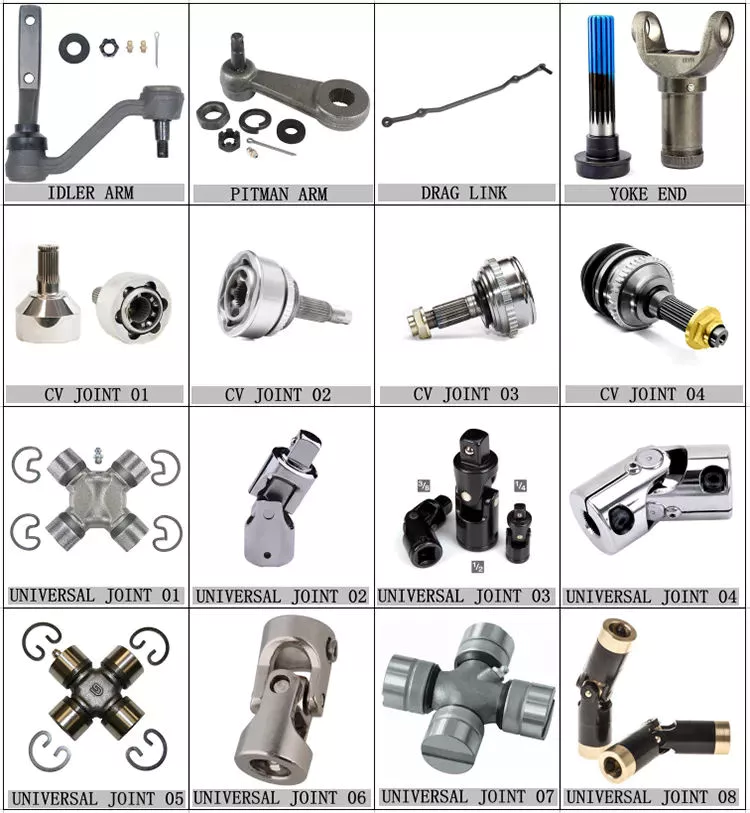
Drive shafts often incorporate flexible couplings, such as universal joints (U-joints) or constant velocity (CV) joints, to handle variations in speed and torque. These couplings provide flexibility and allow the drive shaft to transmit power even when the driving and driven components are not perfectly aligned. U-joints consist of two yokes connected by a cross-shaped bearing, allowing for angular movement between the drive shaft sections. This flexibility accommodates variations in speed and torque and compensates for misalignment. CV joints, which are commonly used in automotive drive shafts, maintain a constant velocity of rotation while accommodating changing operating angles. These flexible couplings enable smooth power transmission and reduce vibrations and wear caused by speed and torque variations.
2. Slip Joints:
In some drive shaft designs, slip joints are incorporated to handle variations in length and accommodate changes in distance between the driving and driven components. A slip joint consists of an inner and outer tubular section with splines or a telescoping mechanism. As the drive shaft experiences changes in length due to suspension movement or other factors, the slip joint allows the shaft to extend or compress without affecting the power transmission. By allowing axial movement, slip joints help prevent binding or excessive stress on the drive shaft during variations in speed and torque, ensuring smooth operation.
3. Balancing:
Drive shafts undergo balancing procedures to optimize their performance and minimize vibrations caused by speed and torque variations. Imbalances in the drive shaft can lead to vibrations, which not only affect the comfort of vehicle occupants but also increase wear and tear on the shaft and its associated components. Balancing involves redistributing mass along the drive shaft to achieve even weight distribution, reducing vibrations and improving overall performance. Dynamic balancing, which typically involves adding or removing small weights, ensures that the drive shaft operates smoothly even under varying speeds and torque loads.
4. Material Selection and Design:
The selection of materials and the design of drive shafts play a crucial role in handling variations in speed and torque. Drive shafts are typically made from high-strength materials, such as steel or aluminum alloys, chosen for their ability to withstand the forces and stresses associated with varying operating conditions. The diameter and wall thickness of the drive shaft are also carefully determined to ensure sufficient strength and stiffness. Additionally, the design incorporates considerations for factors such as critical speed, torsional rigidity, and resonance avoidance, which help maintain stability and performance during speed and torque variations.
5. Lubrication:
Proper lubrication is essential for drive shafts to handle variations in speed and torque. Lubricating the joints, such as U-joints or CV joints, reduces friction and heat generated during operation, ensuring smooth movement and minimizing wear. Adequate lubrication also helps prevent the binding of components, allowing the drive shaft to accommodate speed and torque variations more effectively. Regular lubrication maintenance is necessary to ensure optimal performance and extend the lifespan of the drive shaft.
6. System Monitoring:
Monitoring the performance of the drive shaft system is important to identify any issues related to variations in speed and torque. Unusual vibrations, noises, or changes in power transmission can indicate potential problems with the drive shaft. Regular inspections and maintenance checks allow for the early detection and resolution of issues, helping to prevent further damage and ensure the drive shaft continues to handle speed and torque variations effectively.
In summary, drive shafts handle variations in speed and torque during operation through the use of flexible couplings, slip joints, balancing procedures, appropriate material selection and design, lubrication, and system monitoring. These mechanisms and practices allow the drive shaft to accommodate misalignment, changes in length, and variations in power demands, ensuring efficient power transmission, smooth operation, and reduced wear and tear in various applications.

چگونه شفتهای محرک عملکرد خودروها و کامیونها را افزایش میدهند؟
میل گاردان نقش مهمی در افزایش عملکرد خودروها و کامیونها ایفا میکند. آنها در جنبههای مختلف عملکرد خودرو، از جمله انتقال قدرت، کشش، هندلینگ و راندمان کلی، نقش دارند. در اینجا توضیح مفصلی در مورد چگونگی افزایش عملکرد خودروها و کامیونها توسط میل گاردان ارائه شده است:
۱. انتقال قدرت: شفتهای محرک وظیفه انتقال نیرو از موتور به چرخها را بر عهده دارند و به وسیله نقلیه امکان حرکت به جلو را میدهند. با انتقال کارآمد نیرو بدون تلفات قابل توجه، شفتهای محرک تضمین میکنند که از قدرت موتور به طور مؤثر استفاده میشود و در نتیجه شتاب و عملکرد کلی بهبود مییابد. شفتهای محرک با طراحی خوب و حداقل تلفات نیرو، به توانایی خودرو در انتقال کارآمد نیرو به چرخها کمک میکنند.
۲. انتقال گشتاور: شفتهای محرک، انتقال گشتاور از موتور به چرخها را تسهیل میکنند. گشتاور نیروی چرخشی است که وسیله نقلیه را به جلو میراند. شفتهای محرک با کیفیت بالا و قابلیت تبدیل گشتاور مناسب، تضمین میکنند که گشتاور تولید شده توسط موتور به طور موثر به چرخها منتقل شود. این امر توانایی وسیله نقلیه را برای شتابگیری سریع، یدککشی بارهای سنگین و بالا رفتن از شیبهای تند افزایش میدهد و در نتیجه عملکرد کلی را بهبود میبخشد.
۳. کشش و پایداری: میل گاردانها در کشش و پایداری خودروها و کامیونها نقش دارند. آنها نیرو را به چرخها منتقل میکنند و به آنها اجازه میدهند تا بر سطح جاده نیرو اعمال کنند. این امر به وسیله نقلیه امکان میدهد تا کشش را حفظ کند، به خصوص در هنگام شتابگیری یا هنگام رانندگی در زمینهای لغزنده یا ناهموار. انتقال کارآمد نیرو از طریق میل گاردانها با تضمین توزیع متعادل نیرو به تمام چرخها، پایداری وسیله نقلیه را افزایش میدهد و کنترل و هندلینگ را بهبود میبخشد.
۴. هندلینگ و مانورپذیری: میل گاردانها بر هندلینگ و مانورپذیری خودروها تأثیر میگذارند. آنها به ایجاد ارتباط مستقیم بین موتور و چرخها کمک میکنند و امکان کنترل دقیق و هندلینگ واکنشپذیر را فراهم میکنند. میل گاردانهای خوب طراحی شده با حداقل لقی یا لقی، به پاسخ مستقیمتر و فوریتر به ورودیهای راننده کمک میکنند و چابکی و مانورپذیری خودرو را افزایش میدهند.
۵. کاهش وزن: میل گاردانها میتوانند در کاهش وزن خودروها و کامیونها نقش داشته باشند. میل گاردانهای سبک ساخته شده از موادی مانند آلومینیوم یا کامپوزیتهای تقویت شده با فیبر کربن، وزن کلی خودرو را کاهش میدهند. کاهش وزن، نسبت قدرت به وزن را بهبود میبخشد و در نتیجه شتاب، هندلینگ و راندمان سوخت بهتری حاصل میشود. علاوه بر این، میل گاردانهای سبک، جرم چرخشی را کاهش میدهند و به موتور اجازه میدهند سریعتر دور بگیرد و عملکرد را بیشتر افزایش دهد.
۶. راندمان مکانیکی: شفتهای محرک کارآمد، اتلاف انرژی را در حین انتقال قدرت به حداقل میرسانند. با ترکیب ویژگیهایی مانند یاتاقانهای با کیفیت بالا، آببندیهای کم اصطکاک و روانکاری بهینه، شفتهای محرک اصطکاک را کاهش داده و اتلاف توان ناشی از مقاومت داخلی را به حداقل میرسانند. این امر باعث افزایش راندمان مکانیکی سیستم انتقال قدرت میشود و امکان رسیدن قدرت بیشتر به چرخها و بهبود عملکرد کلی خودرو را فراهم میکند.
۷. ارتقاء عملکرد: ارتقاء میل گاردان میتواند از جمله موارد محبوب برای افزایش عملکرد علاقهمندان باشد. میل گاردانهای ارتقا یافته، مانند آنهایی که از مواد قویتر یا با ظرفیت گشتاور افزایش یافته ساخته شدهاند، میتوانند خروجیهای قدرت بالاتری از موتورهای اصلاحشده را تحمل کنند. این ارتقاءها امکان افزایش عملکرد، مانند شتاب بهبود یافته، سرعتهای بالای بالاتر و دینامیک رانندگی کلی بهتر را فراهم میکنند.
۸. سازگاری با تغییرات عملکرد: اصلاحات عملکردی، مانند ارتقاء موتور، افزایش توان خروجی یا تغییرات در سیستم انتقال قدرت، اغلب به شفتهای محرک سازگار نیاز دارند. شفتهای محرکی که برای تحمل بارهای گشتاور بالاتر یا سازگاری با پیکربندیهای تغییر یافته سیستم انتقال قدرت طراحی شدهاند، عملکرد و قابلیت اطمینان بهینه را تضمین میکنند. آنها وسیله نقلیه را قادر میسازند تا به طور مؤثر از قدرت و گشتاور افزایش یافته استفاده کند و در نتیجه عملکرد و پاسخگویی بهبود یافتهای را به همراه داشته باشد.
۹. دوام و قابلیت اطمینان: شفتهای محرک قوی و خوب نگهداری شده به دوام و قابلیت اطمینان خودروها و کامیونها کمک میکنند. آنها برای مقاومت در برابر تنشها و بارهای مرتبط با انتقال قدرت طراحی شدهاند. مواد با کیفیت بالا، بالانس مناسب و نگهداری منظم به اطمینان از عملکرد روان شفتهای محرک کمک میکند و خطر خرابی یا مشکلات عملکردی را به حداقل میرساند. شفتهای محرک قابل اعتماد با ارائه تحویل مداوم نیرو و به حداقل رساندن زمان از کار افتادگی، عملکرد کلی را افزایش میدهند.
۱۰. سازگاری با فناوریهای پیشرفته: میل گاردانها همگام با پیشرفت در فناوریهای خودرو در حال تکامل هستند. آنها به طور فزایندهای با سیستمهای پیشرفتهای مانند پیشرانههای هیبریدی، موتورهای الکتریکی و ترمزهای احیاکننده ادغام میشوند. میل گاردانهایی که برای کار یکپارچه با این فناوریها طراحی شدهاند، کارایی و مزایای عملکردی آنها را به حداکثر میرسانند و به بهبود عملکرد کلی خودرو کمک میکنند.
به طور خلاصه، شفتهای محرک با بهینهسازی تحویل نیرو، تسهیل انتقال گشتاور، بهبود کشش و پایداری، افزایش هندلینگ و مانورپذیری، کاهش وزن، افزایش راندمان مکانیکی، امکان سازگاری با ارتقاء عملکرد و فناوریهای پیشرفته و تضمین دوام و قابلیت اطمینان، عملکرد خودروها و کامیونها را افزایش میدهند. آنها نقش حیاتی در تضمین انتقال قدرت کارآمد، شتابگیری واکنشی، هندلینگ دقیق و عملکرد کلی بهبود یافته خودروها دارند.
Are there variations in drive shaft designs for different types of machinery?
Yes, there are variations in drive shaft designs to cater to the specific requirements of different types of machinery. The design of a drive shaft is influenced by factors such as the application, power transmission needs, space limitations, operating conditions, and the type of driven components. Here’s an explanation of how drive shaft designs can vary for different types of machinery:
1. Automotive Applications:
In the automotive industry, drive shaft designs can vary depending on the vehicle’s configuration. Rear-wheel-drive vehicles typically use a single-piece or two-piece drive shaft, which connects the transmission or transfer case to the rear differential. Front-wheel-drive vehicles often use a different design, employing a drive shaft that combines with the constant velocity (CV) joints to transmit power to the front wheels. All-wheel-drive vehicles may have multiple drive shafts to distribute power to all wheels. The length, diameter, material, and joint types can differ based on the vehicle’s layout and torque requirements.
2. Industrial Machinery:
Drive shaft designs for industrial machinery depend on the specific application and power transmission requirements. In manufacturing machinery, such as conveyors, presses, and rotating equipment, drive shafts are designed to transfer power efficiently within the machine. They may incorporate flexible joints or use a splined or keyed connection to accommodate misalignment or allow for easy disassembly. The dimensions, materials, and reinforcement of the drive shaft are selected based on the torque, speed, and operating conditions of the machinery.
3. Agriculture and Farming:
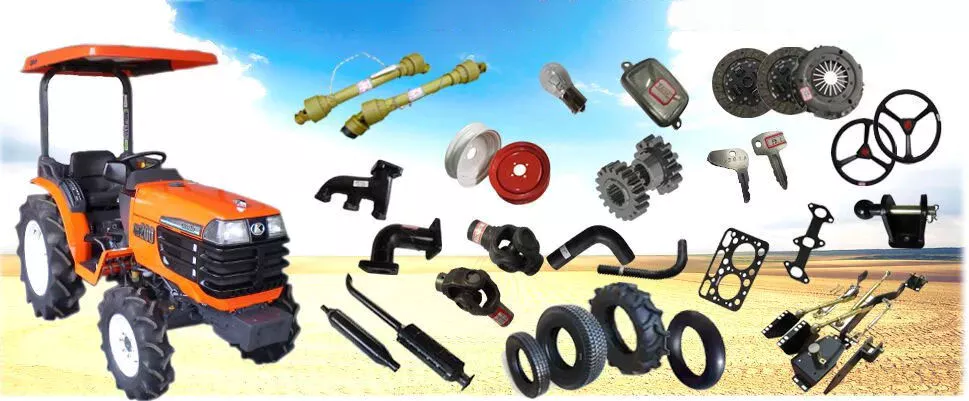
Agricultural machinery, such as tractors, combines, and harvesters, often requires drive shafts that can handle high torque loads and varying operating angles. These drive shafts are designed to transmit power from the engine to attachments and implements, such as mowers, balers, tillers, and harvesters. They may incorporate telescopic sections to accommodate adjustable lengths, flexible joints to compensate for misalignment during operation, and protective shielding to prevent entanglement with crops or debris.
4. Construction and Heavy Equipment:
Construction and heavy equipment, including excavators, loaders, bulldozers, and cranes, require robust drive shaft designs capable of transmitting power in demanding conditions. These drive shafts often have larger diameters and thicker walls to handle high torque loads. They may incorporate universal joints or CV joints to accommodate operating angles and absorb shocks and vibrations. Drive shafts in this category may also have additional reinforcements to withstand the harsh environments and heavy-duty applications associated with construction and excavation.
5. Marine and Maritime Applications:
Drive shaft designs for marine applications are specifically engineered to withstand the corrosive effects of seawater and the high torque loads encountered in marine propulsion systems. Marine drive shafts are typically made from stainless steel or other corrosion-resistant materials. They may incorporate flexible couplings or dampening devices to reduce vibration and mitigate the effects of misalignment. The design of marine drive shafts also considers factors such as shaft length, diameter, and support bearings to ensure reliable power transmission in marine vessels.
6. Mining and Extraction Equipment:
In the mining industry, drive shafts are used in heavy machinery and equipment such as mining trucks, excavators, and drilling rigs. These drive shafts need to withstand extremely high torque loads and harsh operating conditions. Drive shaft designs for mining applications often feature larger diameters, thicker walls, and specialized materials such as alloy steel or composite materials. They may incorporate universal joints or CV joints to handle operating angles, and they are designed to be resistant to abrasion and wear.
These examples highlight the variations in drive shaft designs for different types of machinery. The design considerations take into account factors such as power requirements, operating conditions, space constraints, alignment needs, and the specific demands of the machinery or industry. By tailoring the drive shaft design to the unique requirements of each application, optimal power transmission efficiency and reliability can be achieved.


editor by CX 2024-05-06

























