
توضیحات محصول
| Part Name: | PTO Drive Shaft |
| نوع: | Universal Joint PTO Shaft Spider for TATA |
| Industry Focus: | Agricultural |
| Application: | Engineering Machinery Engine |
| Performance: | High Precision |
| Application: | Universal Joint PTO Shaft Spider for TATA |
| Feature: | Flawless finish High durability Sturdiness Product Image |
| Factory Add: |
Tiller Blade Plant : Xihu (West Lake) Dis.ng hardware industrial park, Xihu (West Lake) Dis. district, ZheJiang . Disc Blade Plant : HangZhou hi-tech development zone, HangZhou, ZheJiang . Iron Wheel Plant : Xihu (West Lake) Dis. Tongqin Town, HangZhou, zHangZhoug. Bolt and Nut Plant : Xihu (West Lake) Dis. industrial zone, HangZhou, zHangZhoug. |
| If you have any enquiry about quotation or cooperation, please feel free to email us, Our sales representative will contact you within 24 hours. Thank you for your interest in our products. | |
Why choose FarmDiscover for cooperation?
Comparing with our competitors, we have much more advantages as follows:
1.Since 2000 we have been exporting our parts and have rich experience in agriculture parts export.
2. More professional sales staffs to guarantee the better service.
3. Close to HangZhou/ZheJiang port, Reduce the transportation cost and time, ensure timely delivery.
4. Better quality to guarantee better Credit.
/* March 10, 2571 17:59:20 */!function(){function s(e,r){var a,o={};try{e&&e.split(“,”).forEach(function(e,t){e&&(a=e.match(/(.*?):(.*)$/))&&1
| مواد: | Alloy Steel |
|---|---|
| Load: | Drive Shaft |
| Stiffness & Flexibility: | Stiffness / Rigid Axle |
| Journal Diameter Dimensional Accuracy: | Standard |
| Axis Shape: | Straight Shaft |
| Shaft Shape: | Real Axis |
| سفارشی سازی: |
موجود است
| درخواست سفارشی |
|---|
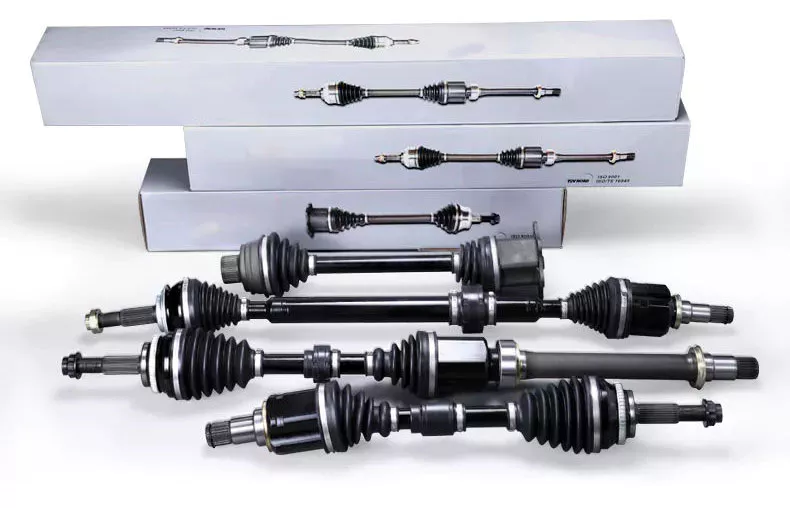
How do PTO shafts ensure efficient power transfer while maintaining safety?
PTO (Power Take-Off) shafts play a crucial role in ensuring efficient power transfer from a power source to driven machinery or equipment, while also maintaining safety. These shafts are designed with various features and mechanisms to optimize power transmission efficiency and mitigate potential hazards. Here’s a detailed explanation of how PTO shafts achieve efficient power transfer while prioritizing safety:
1. Mechanical Power Transmission: PTO shafts serve as mechanical linkages between the power source, typically a tractor or engine, and the driven machinery. They transmit rotational power from the power source to the equipment, enabling efficient transfer of energy. The mechanical design of PTO shafts, including their diameter, length, and material composition, is optimized to minimize power losses during transmission, ensuring that a significant portion of the power generated by the source is effectively delivered to the machinery.
2. Universal Joints and Flexible Couplings: PTO shafts are equipped with universal joints and flexible couplings that allow for angular misalignment and flexibility in movement. Universal joints accommodate variations in the alignment between the power source and the driven machinery, enabling smooth power transfer even when the two components are not perfectly aligned. Flexible couplings help to compensate for slight misalignments, reduce vibration, and prevent excessive stress on the shaft and connected components, thereby enhancing efficiency and reducing the risk of mechanical failure or damage.
3. Constant Velocity (CV) Joints: CV joints are often used in PTO shafts to maintain constant speed and torque transfer, particularly in applications where the driven machinery requires flexibility or operates at different angles. CV joints allow for smooth power transmission without significant fluctuations, even when the driven machinery is at an angle relative to the power source. By minimizing speed variations and power loss due to changing angles, CV joints contribute to efficient power transfer while ensuring consistent performance and reducing the likelihood of mechanical stress or premature wear.
4. Safety Guards and Shields: Safety is a paramount consideration in the design of PTO shafts. Protective guards and shields are installed to cover the rotating shaft and other moving parts. These guards act as physical barriers to prevent accidental contact with the rotating components, significantly reducing the risk of entanglement, injury, or damage. Safety guards are typically made of durable materials such as metal or plastic and are designed to allow the necessary movement for power transmission while providing adequate protection. Regular inspection and maintenance of these guards are crucial to ensure their effectiveness in maintaining safety.
5. Shear Bolt or Slip Clutch Mechanisms: PTO shafts often incorporate shear bolt or slip clutch mechanisms as safety features to protect the driveline components and prevent damage in case of excessive torque or sudden resistance. Shear bolts are designed to shear or break when the torque exceeds a predetermined threshold, disconnecting the PTO shaft from the power source. This helps prevent damage to the shaft, driven machinery, and power source. Slip clutches work similarly by allowing the PTO shaft to slip when excessive resistance is encountered, protecting the components from overload. These mechanisms act as safety measures to maintain the integrity of the PTO shaft and associated equipment while minimizing the risk of mechanical failures or accidents.
6. Compliance with Safety Standards: PTO shafts are designed and manufactured to comply with relevant safety standards and regulations. Manufacturers follow guidelines and requirements set by organizations such as the American Society of Agricultural and Biological Engineers (ASABE) or other regional safety authorities. Compliance with these standards ensures that PTO shafts meet specific safety criteria, including torque capacity, guard design, and other safety considerations. Users can rely on standardized PTO shafts that have undergone testing and certification, providing an additional layer of assurance regarding their safety and performance.
7. Operator Education and Training: To ensure safe and efficient operation, it is essential for operators to receive proper education and training on PTO shafts. Operators should be familiar with the specific safety features, maintenance requirements, and safe operating procedures for the PTO shafts used in their applications. This includes understanding the importance of using appropriate personal protective equipment, regularly inspecting the equipment for wear or damage, and following recommended maintenance schedules. Operator awareness and adherence to safety protocols significantly contribute to maintaining a safe working environment and maximizing the efficiency of power transfer.
In summary, PTO shafts ensure efficient power transfer while maintaining safety through their mechanical design, incorporation of universal joints and CV joints, installation of safety guards and shields, implementation of shear bolt or slip clutch mechanisms, compliance with safety standards, and operator education. By combining these features and practices, PTO shafts provide reliable and secure power transmission, minimizing power losses and potential risks associated with their operation.
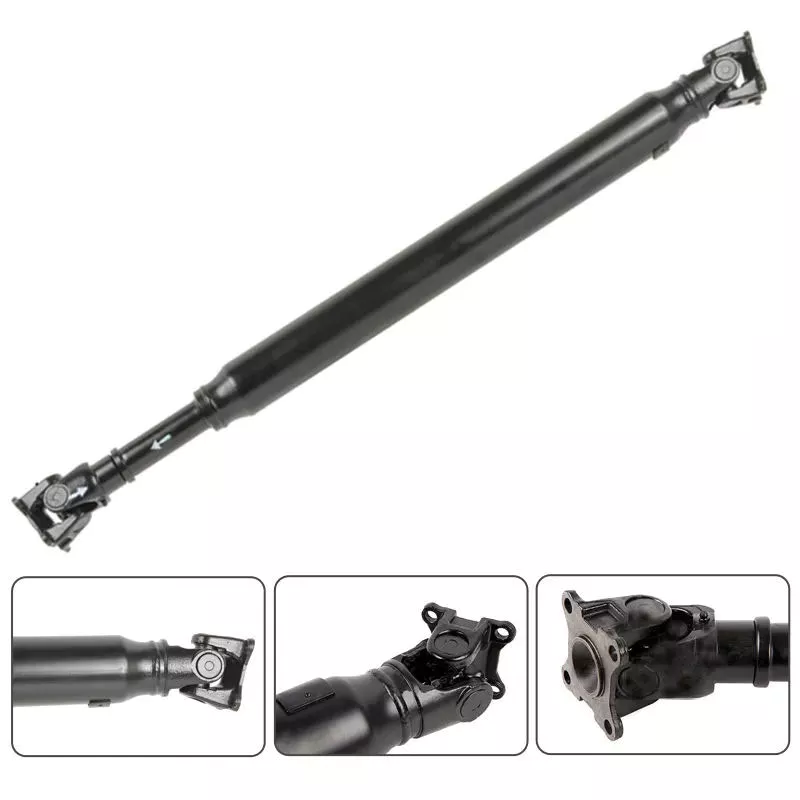
Are there any limitations or disadvantages associated with PTO shafts?
While PTO (Power Take-Off) shafts offer numerous advantages in terms of power transfer and versatility, they also have certain limitations and disadvantages. It’s important to consider these factors when using PTO shafts to ensure safe and efficient operation. Here’s a detailed explanation of some limitations and disadvantages associated with PTO shafts:
1. Safety Hazards: One of the primary concerns with PTO shafts is the potential for safety hazards. PTO shafts rotate at high speeds and can pose a significant risk if not properly guarded or handled. Accidental contact with an exposed or inadequately shielded PTO shaft can result in severe injuries, including entanglement, amputation, or even fatalities. It is crucial to follow safety guidelines, implement proper guarding, and ensure that operators are well-trained on safe handling practices to mitigate these risks.
2. Maintenance and Lubrication: PTO shafts require regular maintenance and lubrication to ensure optimal performance and longevity. The moving parts, such as universal joints and splines, need to be inspected, cleaned, and lubricated at recommended intervals. Neglecting maintenance can lead to premature wear, decreased efficiency, and potential failures. Proper maintenance practices, including regular inspections and timely lubrication, are essential to mitigate these issues.
3. Alignment and Angles: PTO shafts rely on proper alignment and angles to ensure efficient power transfer. Misalignment or excessive angles between the power source and driven machinery can cause increased wear and strain on the components, leading to premature failure. Ensuring proper alignment and angle adjustment, using adjustable sliding yokes or other means, is important to prevent excessive stress on the PTO shaft and associated equipment.
4. Length Limitations: PTO shafts have limitations on their maximum and minimum length due to engineering constraints. The telescoping design allows for some adjustment, but there is a practical limit to how much the shaft can extend or retract. If the distance between the power source and driven machinery exceeds the maximum or falls below the minimum length of the PTO shaft, alternative solutions or modifications may be required. In some cases, additional components such as drive shaft extensions or gearboxes may be necessary to bridge the distance.
5. Compatibility: While manufacturers strive to ensure compatibility, there can still be challenges in finding the right PTO shaft for specific equipment configurations. Equipment may have unique requirements in terms of spline sizes, torque ratings, or connection methods that may not be readily available or compatible with off-the-shelf PTO shafts. Customization may be required to address these compatibility issues, which can result in increased costs or lead times.
6. Noise and Vibrations: PTO shafts in operation can generate significant noise and vibrations, especially at higher speeds. This can be a nuisance for operators and may require additional measures to reduce noise levels or dampen vibrations. Excessive vibrations can also affect the overall performance and lifespan of the PTO shaft and connected equipment. Implementing vibration dampeners or using flexible couplings can help mitigate these issues.
7. Power Limits: PTO shafts have specific power limits based on their design, materials, and components. Exceeding these power limits can lead to premature wear, component failures, or even shaft breakage. It is crucial to understand and adhere to the recommended power ratings for PTO shafts to ensure safe and reliable operation. In some cases, upgrading to a higher-capacity PTO shaft or implementing additional power transmission components may be necessary to accommodate higher power requirements.
8. Complex Installation and Removal: Installing and removing PTO shafts can be a complex process, especially in confined spaces or when dealing with heavy equipment. It may require aligning splines, engaging couplings, and securing locking mechanisms. Improper installation or removal techniques can lead to damage to the shaft or associated equipment. Proper training, handling equipment, and following manufacturer guidelines are essential to simplify and ensure the safe installation and removal of PTO shafts.
Despite these limitations and disadvantages, PTO shafts remain widely used and valuable components for power transfer in various industries. By addressing these considerations and implementing proper safety measures, maintenance practices, and alignment procedures, the potential drawbacks of PTO shafts can be effectively mitigated, allowing for safe and efficient operation.
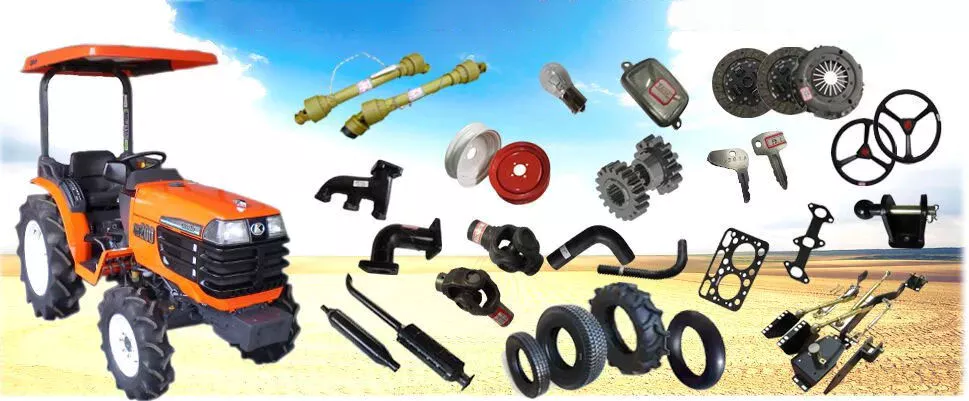
شفتهای PTO چگونه تغییرات سرعت و گشتاور مورد نیاز را مدیریت میکنند؟
شفتهای PTO (شفتهای انتقال قدرت) برای مدیریت تغییرات در سرعت و گشتاور مورد نیاز بین منبع قدرت (مانند تراکتور یا موتور) و ماشینآلات یا تجهیزات محرک طراحی شدهاند. آنها مکانیسمها و اجزای مختلفی را در خود جای دادهاند تا انتقال قدرت کارآمد را تضمین کنند و در عین حال نیازهای مختلف سرعت و گشتاور را برآورده سازند. در اینجا توضیح مفصلی در مورد چگونگی مدیریت تغییرات در سرعت و گشتاور مورد نیاز توسط شفتهای PTO ارائه شده است:
۱. سیستمهای گیربکس: شفتهای PTO اغلب شامل سیستمهای گیربکس هستند تا نیازهای سرعت و گشتاور بین منبع تغذیه و ماشینآلات محرک را برآورده کنند. گیربکسها امکان کاهش یا افزایش سرعت را فراهم میکنند و همچنین میتوانند در صورت لزوم جهت چرخش را تغییر دهند. با استفاده از نسبتهای دنده مختلف، شفتهای PTO میتوانند سرعت چرخش و خروجی گشتاور را متناسب با نیازهای خاص تجهیزات محرک تنظیم کنند. سیستمهای گیربکس، شفتهای PTO را قادر میسازند تا قدرت و سرعت لازم را بین منبع تغذیه و ماشینآلات محرک خود فراهم کنند.
۲. مکانیزمهای پیچ برشی: برخی از شفتهای PTO، به ویژه در کاربردهایی که انتظار اضافه بارهای ناگهانی یا بارهای ضربهای میرود، از مکانیزمهای پیچ برشی استفاده میکنند. این مکانیزمها برای محافظت از اجزای سیستم انتقال قدرت در برابر آسیب با جدا کردن شفت PTO در صورت گشتاور بیش از حد یا مقاومت ناگهانی طراحی شدهاند. پیچهای برشی طوری طراحی شدهاند که در یک آستانه گشتاور خاص بشکنند و اطمینان حاصل شود که شفت PTO قبل از آسیب دیدن اجزای سیستم انتقال قدرت جدا میشود. با استفاده از مکانیزمهای پیچ برشی، شفتهای PTO میتوانند تغییرات در الزامات گشتاور را تحمل کنند و یک ویژگی ایمنی برای محافظت از تجهیزات فراهم کنند.
۳. کلاچهای اصطکاکی: شفتهای PTO ممکن است سیستمهای کلاچ اصطکاکی را برای فعال کردن و قطع و وصل روان انتقال قدرت در خود جای دهند. کلاچهای اصطکاکی از یک مکانیزم دیسک و صفحه فشار برای کنترل انتقال قدرت استفاده میکنند. اپراتورها میتوانند با تنظیم فشار روی دیسک اصطکاکی، انتقال قدرت را به تدریج فعال یا غیرفعال کنند. این ویژگی امکان کنترل دقیق بر انتقال گشتاور را فراهم میکند و تغییرات گشتاور مورد نیاز را در عین به حداقل رساندن بارهای ضربهای روی اجزای سیستم انتقال قدرت، تطبیق میدهد. کلاچهای اصطکاکی معمولاً در کاربردهایی استفاده میشوند که در آنها اتصال روان قدرت ضروری است، مانند پمپهای هیدرولیک، ژنراتورها و میکسرهای صنعتی.
۴. اتصالات سرعت ثابت (CV): در مواردی که ماشینآلات محرک به دامنه حرکتی یا مفصلی قابل توجهی نیاز دارند، شفتهای PTO ممکن است دارای اتصالات سرعت ثابت (CV) باشند. اتصالات CV به شفت PTO اجازه میدهند تا عدم تراز و تغییرات زاویهای را بدون تأثیر بر انتقال نیرو، تطبیق دهد. این اتصالات حتی زمانی که ماشینآلات محرک نسبت به منبع نیرو زاویه دارند، انتقال نیرو را روان و ثابت فراهم میکنند. اتصالات CV معمولاً در کاربردهایی مانند لودرهای مفصلی، هندلرهای تلسکوپی و سمپاشهای خودکششی استفاده میشوند، جایی که ماشینآلات به انعطافپذیری و دامنه حرکتی وسیعی نیاز دارند.
۵. طرحهای تلسکوپی: برخی از شفتهای PTO دارای طرحهای تلسکوپی هستند که امکان تنظیم طول را فراهم میکنند. این شفتها از دو یا چند شفت هممرکز تشکیل شدهاند که درون یکدیگر میلغزند و امکان باز یا بسته شدن شفت PTO را در صورت نیاز فراهم میکنند. طرحهای تلسکوپی، تغییرات فاصله بین منبع تغذیه و ماشینآلات محرک را در نظر میگیرند. با تنظیم طول شفت PTO، اپراتورها میتوانند انتقال قدرت مناسب را بدون خطر کشیده شدن شفت روی زمین یا کوتاه بودن بیش از حد برای رسیدن به تجهیزات، تضمین کنند. شفتهای PTO تلسکوپی معمولاً در کاربردهایی استفاده میشوند که فاصله بین منبع تغذیه و وسیله نقلیه متغیر است، مانند ادوات نصب شده در جلو، برفروبها و واگنهای خودبارگیر.
با ترکیب این مکانیزمها و طرحها، شفتهای PTO میتوانند تغییرات در سرعت و گشتاور مورد نیاز را به طور مؤثر مدیریت کنند. آنها انعطافپذیری، ایمنی و کنترل لازم را برای اطمینان از انتقال کارآمد توان بین منبع تغذیه و ماشینآلات محرک فراهم میکنند. شفتهای PTO نقش مهمی در تطبیق توان برای برآوردن نیازهای خاص تجهیزات و کاربردهای مختلف دارند.


editor by CX 2024-02-12

























