Descripción del Producto
Various way to deliver the parts
Our goals: Fast, complete and safe delivery goods to you…
Raptors do:
Genuine parts
Reasonable price
Enough inventories
Fast delivery
Original terex (mining)dump truck parts,include TR50,TR60,TR100 series.competitive price.
Welcome to inquiry!
1.framed structure
2.PTO assembly
3.Connection
4.transmission shaft
5.wheel hub
6.absorber
7.Front axle and wheel hub
8.differential mechanism
9.rear axle assembly, axle shaft
10.braking system
11.gap adjuster
12.wheel-side/planetary structure
13.front suspension cylinder
14.rear suspension cylinder
15.steering cylinder
16.lifting cylinder
17.Chassis parts, fastening bolt, pin, shaft sleeve.
| drawing NO | Vehicle model |
| framed structure | |
| 9015218 | TR50 |
| 20019310 | TR50 |
| 9240460 | TR50 |
| 0571 5394 | TR50 |
| TR50 |
| PTO assembly | |
| 20000042 | TR50 |
| 9060268 | TR50 |
| 9274893 | TR50 |
| 9195847 | TR50 |
| 571528 | TR50 |
| 009 0571 6 | TR50 |
| 0905711 | TR50 |
| 0905710 | TR50 |
| 15252439 | TR50 |
| 15245600 | TR50 |
| 15016501 | TR50 |
| 09264925 | TR50 |
| 1530571 | TR50 |
| 05714209 | TR50 |
| 06772182 | TR50 |
| 6772182 | TR50 |
| 09269703 | TR50 |
| connection | |
| 1530 0571 | TR50 |
| 1530 0571 | TR50 |
| 09227330 | TR50 |
| 06772182 | TR50 |
| transmission shaft | |
| old 0571 0571 /new1530 0571 | 3307/TR50 |
| old15233277/new15272774 | 3307/TR50 |
| old09072552/new1530571 | 3307/TR50 |
| old0957152/new15272772 | 3307/TR50 |
| 15352300 | TR100new |
| 15352330 | TR100 |
| 15352327 | TR100. |
| 09253468 | TR100 |
| 09255689 | TR100.11E |
| 0571 3576 | TR100 |
| 0571 2983 | TR100.11E. |
| 15571746 | TR100 |
| 0571 2983 | TR100 |
| 9011828 | TR100 |
| 1500 0571 | TR100 |
| 0571 5398 | TR100 |
| 15249677 | TR100 |
| 15228480 | TR100 |
| 15335654 | TR100 |
| PTO assembly | |
| 15252682 | TR60 |
| 9065715 | TR60 |
| 9274893 | TR60 |
| 9195847 | TR60 |
| 15252439 | TR60 |
| 15300845 | TR60 |
| transmission shaft | |
| 15300843 | TR60 |
| 15272772 | TR60 |
| 1530571 | TR60 |
| 15272865 | TR60 |
| wheel hub | |
| 15246296 | TR60 |
| 9253468 | TR60 |
| 15265338 | TR60 |
| differential mechanism | |
| 9272352 | TR60 |
| 1530571 | TR60 |
| 9272346 | TR60 |
| 9272386 | TR60 |
| front suspension cylinder | |
| 15336056 | TR60 |
| 15336055 | TR60 |
| 15247973 | TR60 |
| 0571 8668 | TR60 |
| 5714086 | TR60 |
| 0957149 | TR60 |
| 5716508A | TR60 |
| absorber | |
| 15228210 | TR100 |
| 9065712 | TR100 |
| 9423067 | TR100 |
| 15246912 | TR100 |
| 15229318 | 3311E |
| 15336167 | TR100 |
| 1535712 | TR100 |
| 15336167 | TR100 |
| PTO assembly | |
| old15257485/new15331595 | TR100 |
| old15257459/new15331594 | TR100 |
| 20038184 | TR100new |
| 20038083 | TR100new |
| 9274893 | TR100 |
| 9195847 | TR100 |
| 15331585 | TR100new |
| 15246910 | 3311E |
| 1530571 | TR100/11E |
| 15331582 | TR100 |
| connection | |
| old06777070/new1530571 | TR100 |
| old15258084/new15230619 | TR100 |
| 09227330 | TR100 |
| 06772182 | TR100 |
| transmission shaft | |
| old15300850/new15336537 | TR100 |
| 15272865 | TR100 |
| old15258114/new15352888 | TR100 |
| 15271476 | TR100 |
| differential mechanism | |
| 15315244 | TR100 |
| 9272346 | TR100 |
| 9272352 | TR100 |
| 9272386 | TR100 |
| 150571 | TR100 |
| 15007646 | TR100 |
| Front suspension cylinder | |
| 20 0571 1/1525 0571 /15352794 | TR100 |
| 15335709/1525 0571 /15335709 | TR100 |
| 0571 9475 | TR100 |
| 5713858 | TR100 |
| 0571 9476 | TR100 |
| 9396484/9396486 | TR100 |
If you have other demands for Terex dump truck parts,please feel free to contact with me. /* March 10, 2571 17:59:20 */!function(){function s(e,r){var a,o={};try{e&&e.split(“,”).forEach(function(e,t){e&&(a=e.match(/(.*?):(.*)$/))&&1
| Tipo: | Mine Truck |
|---|---|
| Application: | Mine Truck |
| Certification: | CE, ISO9001: 2000, SGS |
| Condition: | New |
| Terex Part: | Terex Part |
| Model 1: | Tr50 |
| Muestras: |
US$ 1000/Piece
1 unidad (pedido mínimo) | |
|---|
| Personalización: |
Disponible
| Solicitud personalizada |
|---|
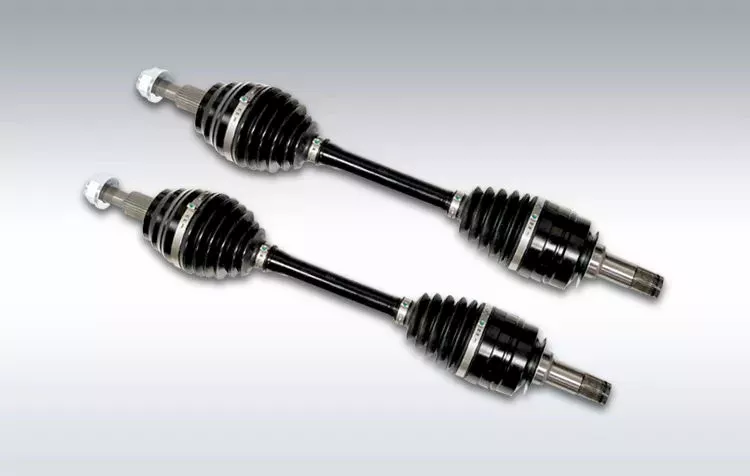
¿Cómo gestionan los ejes de la toma de fuerza las variaciones de longitud y los métodos de conexión?
Los ejes de toma de fuerza (TDF) están diseñados para adaptarse a diferentes configuraciones de equipos y garantizar una transferencia de potencia eficiente. Su longitud debe ser ajustable para salvar la distancia entre la fuente de energía y la maquinaria accionada. Además, deben ofrecer métodos de conexión versátiles para conectarse a una amplia gama de equipos. A continuación, se explica detalladamente cómo los ejes de TDF gestionan las variaciones de longitud y los métodos de conexión:
1. Diseño telescópico: Los ejes de toma de fuerza (TDF) suelen tener un diseño telescópico, lo que permite ajustar su longitud para adaptarse a diferentes configuraciones de equipo. Esta característica permite extender o retraer el eje, compensando las distintas distancias entre la fuente de energía (como un tractor o un motor) y la maquinaria accionada. Al ajustar la longitud del eje de TDF, este se puede alinear y conectar correctamente para garantizar una transmisión de potencia óptima. Los ejes de TDF telescópicos generalmente constan de varias secciones tubulares que se deslizan unas dentro de otras, lo que proporciona flexibilidad en el ajuste de longitud.
2. Ejes estriados: Los ejes de toma de fuerza (PTO) suelen emplear ejes estriados como método principal de conexión entre la fuente de energía y la maquinaria accionada. Las estrías son una serie de ranuras o surcos a lo largo del eje que se acoplan con las ranuras correspondientes en el componente de acoplamiento. La conexión estriada permite la transferencia de par manteniendo la alineación entre la fuente de energía y la maquinaria accionada. Los ejes estriados pueden compensar variaciones de longitud extendiendo o retrayendo las secciones telescópicas, manteniendo siempre una conexión sólida entre la fuente de energía y el equipo accionado.
3. Horquillas deslizantes ajustables: Los ejes de la toma de fuerza (TDF) suelen incorporar horquillas deslizantes ajustables en uno o ambos extremos. Estas horquillas permiten el ajuste angular, compensando las variaciones en la alineación entre la fuente de energía y la maquinaria accionada. Las horquillas deslizantes se pueden mover a lo largo del eje estriado para lograr el ángulo deseado y mantener la alineación correcta. Esta flexibilidad garantiza que el eje de la TDF pueda soportar variaciones de longitud, asegurando una transmisión de potencia eficiente sin sobrecargar las juntas universales ni otros componentes.
4. Juntas universales: Las juntas universales son componentes esenciales de los ejes de toma de fuerza (TDF) que permiten compensar la desalineación angular entre la fuente de energía y la maquinaria accionada. Consisten en una horquilla en forma de cruz con cojinetes que transmiten el par entre los ejes conectados, a la vez que compensan la desalineación. Las juntas universales ofrecen flexibilidad para conectar los ejes de TDF a equipos que pueden no estar perfectamente alineados. A medida que varía la longitud del eje de TDF, las juntas universales compensan los cambios de ángulo, lo que permite una transmisión de potencia fluida incluso cuando existen variaciones de longitud o desalineación entre la fuente de energía y la maquinaria accionada.
5. Mecanismos de acoplamiento: Los ejes de toma de fuerza (TDF) utilizan diversos mecanismos de acoplamiento para conectarse de forma segura a la fuente de energía y a la maquinaria accionada. Estos mecanismos suelen incluir una combinación de estrías, pernos, pasadores de bloqueo o mecanismos de liberación rápida. Los métodos de acoplamiento pueden variar según el equipo específico y los requisitos de la industria. La versatilidad de los ejes de TDF permite el uso de diferentes métodos de acoplamiento, lo que garantiza una conexión fiable y segura independientemente de la longitud o la configuración del equipo.
6. Opciones de personalización: Los ejes de toma de fuerza (TDF) se pueden personalizar para adaptarse a variaciones específicas de longitud y métodos de conexión. Los fabricantes ofrecen opciones para seleccionar diferentes longitudes de secciones telescópicas que se ajusten a la distancia específica entre la fuente de energía y la maquinaria accionada. Además, los ejes de TDF se pueden adaptar a diversos métodos de conexión mediante la selección de tamaños de eje estriado, diseños de horquilla y mecanismos de acoplamiento. Esta personalización permite que los ejes de TDF cumplan con los requisitos específicos de diferentes configuraciones de equipos, garantizando una transferencia de potencia y compatibilidad óptimas.
7. Consideraciones de seguridad: Al manipular ejes de toma de fuerza (TDF) con diferentes longitudes y métodos de conexión, es fundamental considerar la seguridad. Los ejes de TDF incorporan protectores para evitar el contacto accidental con los componentes giratorios. Estas medidas de seguridad deben ajustarse e instalarse correctamente para brindar la cobertura y protección adecuadas, independientemente de la longitud o la configuración de conexión del eje de TDF. Se deben seguir las normas y reglamentos de seguridad para garantizar la correcta instalación, ajuste y uso de los ejes de TDF y así prevenir accidentes o lesiones.
Gracias a sus diseños telescópicos, ejes estriados, horquillas deslizantes ajustables, juntas universales y mecanismos de acoplamiento versátiles, los ejes de la toma de fuerza (TDF) pueden adaptarse a variaciones de longitud y métodos de conexión. Su flexibilidad permite que se ajusten a diferentes configuraciones de equipos, garantizando una transferencia de potencia eficiente y manteniendo la alineación y la seguridad.
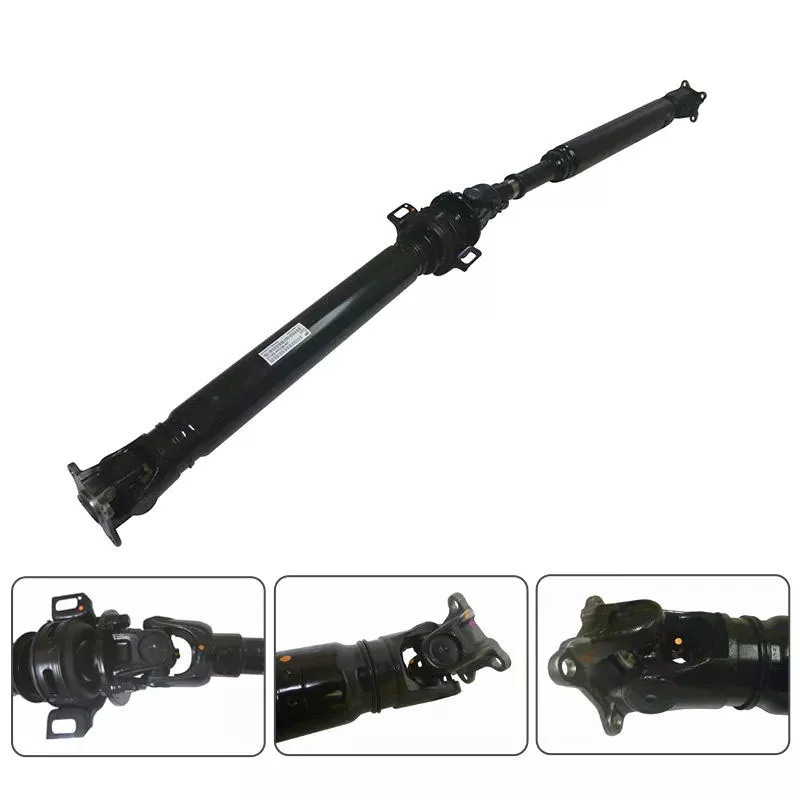
How do PTO shafts contribute to the efficiency of agricultural operations?
Power Take-Off (PTO) shafts play a crucial role in improving the efficiency of agricultural operations by providing a versatile and reliable power source for various farming equipment. PTO shafts allow agricultural machinery to access power from tractors or other prime movers, enabling the efficient transfer of energy to perform a wide range of tasks. Here’s a detailed explanation of how PTO shafts contribute to the efficiency of agricultural operations:
1. Versatility: PTO shafts offer versatility by allowing the connection of different types of implements and machinery to tractors or other power sources. This versatility enables farmers to use a single power unit, such as a tractor, to operate multiple agricultural implements, including mowers, balers, tillers, seeders, sprayers, and more. The ability to quickly switch between various implements using a PTO shaft minimizes downtime and maximizes efficiency in agricultural operations.
2. Power Transfer: PTO shafts efficiently transfer power from the tractor’s engine to the agricultural implements. The rotating power generated by the engine is transmitted through the PTO shaft to drive the machinery connected to it. This direct power transfer eliminates the need for separate engines or motors on each implement, reducing equipment costs and maintenance requirements. PTO shafts ensure a reliable power supply, allowing agricultural operations to be carried out efficiently and effectively.
3. Increased Productivity: By utilizing PTO shafts, agricultural operations can be performed more quickly and efficiently than manual or alternative power methods. PTO-driven machinery typically operates at higher speeds and with greater power compared to human-operated or manual tools. This increased productivity allows farmers to complete tasks such as tilling, seeding, harvesting, and material handling more efficiently, reducing labor requirements and increasing overall farm productivity.
4. Time Savings: PTO shafts contribute to time savings in agricultural operations. The ability to connect and disconnect implements quickly using standardized PTO shafts allows farmers to switch between tasks rapidly. This saves time during equipment setup, as well as when transitioning between different operations in the field. Time efficiency is particularly valuable during critical farming periods, such as planting or harvesting, where timely execution is essential for optimal crop yield and quality.
5. Reduced Manual Labor: PTO shafts minimize the need for manual labor in strenuous or repetitive tasks. By harnessing the power of tractors or other prime movers, farmers can mechanize various operations that would otherwise require significant physical effort. Agricultural implements driven by PTO shafts can perform tasks such as plowing, mowing, and baling with minimal human intervention, reducing labor costs and improving overall efficiency.
6. Precision and Consistency: PTO shafts contribute to precision and consistency in agricultural operations. The consistent power supply from the PTO ensures uniform operation and performance of the connected machinery. This helps in achieving consistent seed placement, even spreading of fertilizers or chemicals, and precise cutting or harvesting of crops. Precision and consistency lead to improved crop quality, enhanced yield, and reduced waste, ultimately contributing to the overall efficiency of agricultural operations.
7. Adaptability to Various Terrain: PTO-driven machinery is highly adaptable to various types of terrain encountered in agricultural operations. Tractors equipped with PTO shafts can traverse uneven or challenging terrain, allowing implements to operate effectively on slopes, rough fields, or hilly landscapes. This adaptability ensures that farmers can efficiently manage their land, regardless of topographical challenges, enhancing operational efficiency and productivity.
8. Integration with Automation and Technology: PTO shafts can be integrated with automation and technology advancements in modern agricultural practices. Automation systems, such as precision guidance and control, can be synchronized with PTO-driven machinery to optimize operations and minimize waste. Additionally, advancements in data collection and analysis allow farmers to monitor and optimize machine performance, fuel efficiency, and productivity, further enhancing the efficiency of agricultural operations.
By providing versatility, efficient power transfer, increased productivity, time savings, reduced manual labor, precision, adaptability to terrain, and integration with automation and technology, PTO shafts significantly contribute to enhancing the efficiency of agricultural operations. They enable farmers to perform a wide range of tasks with ease, ultimately improving productivity, reducing costs, and supporting sustainable farming practices.

Can you explain the different types of PTO shafts and their applications?
PTO shafts (Power Take-Off shafts) come in various types, each designed for specific applications and requirements. The different types of PTO shafts offer versatility and compatibility with a wide range of machinery and implements. Here’s an explanation of the most common types of PTO shafts and their applications:
1. Standard PTO Shaft: The standard PTO shaft, also known as a splined shaft, is the most common type used in agricultural and industrial machinery. It consists of a solid steel shaft with splines or grooves along its length. The standard PTO shaft typically has six splines, although variations with four or eight splines can be found. This type of PTO shaft is widely used in tractors and various implements, including mowers, balers, tillers, and rotary cutters. The splines provide a secure connection between the power source and the driven machinery, ensuring efficient power transfer.
2. Shear Bolt PTO Shaft: Shear bolt PTO shafts are designed with a safety feature that allows the shaft to separate in case of overload or sudden shock to protect the driveline components. These PTO shafts incorporate a shear bolt mechanism that connects the tractor’s power take-off to the driven machinery. In the event of excessive load or sudden resistance, the shear bolt is designed to break, disconnecting the PTO shaft and preventing damage to the driveline. Shear bolt PTO shafts are commonly used in equipment that may encounter sudden obstructions or high-stress situations, such as wood chippers, stump grinders, and heavy-duty rotary cutters.
3. Friction Clutch PTO Shaft: Friction clutch PTO shafts feature a clutch mechanism that allows for smooth engagement and disengagement of the power transfer. These PTO shafts typically incorporate a friction disc and a pressure plate, similar to a traditional vehicle clutch system. The friction clutch allows operators to gradually engage or disengage the power transfer, reducing shock loads and minimizing wear on the driveline components. Friction clutch PTO shafts are commonly used in applications where precise control of power engagement is required, such as in hydraulic pumps, generators, and industrial mixers.
4. Constant Velocity (CV) PTO Shaft: Constant Velocity (CV) PTO shafts, also known as homokinetic shafts, are designed to accommodate high angles of misalignment without affecting power transmission. They use a universal joint mechanism that allows for smooth power transfer even when the driven machinery is at an angle relative to the power source. CV PTO shafts are frequently used in applications where the machinery requires a significant range of movement or articulation, such as in articulated loaders, telescopic handlers, and self-propelled sprayers.
5. Telescopic PTO Shaft: Telescopic PTO shafts are adjustable in length, allowing for flexibility in equipment configuration and varying distances between the power source and the driven machinery. They consist of two or more concentric shafts that slide within each other, providing the ability to extend or retract the PTO shaft as needed. Telescopic PTO shafts are commonly used in applications where the distance between the tractor’s power take-off and the implement varies, such as in front-mounted implements, snow blowers, and self-loading wagons. The telescopic design enables easy adaptation to different equipment setups and minimizes the risk of the PTO shaft dragging on the ground.
6. Gearbox PTO Shaft: Gearbox PTO shafts are designed to adapt power transmission between different rotational speeds or directions. They incorporate a gearbox mechanism that allows for speed reduction or increase, as well as the ability to change rotational direction. Gearbox PTO shafts are commonly used in applications where the driven machinery requires a different speed or rotational direction than the tractor’s power take-off. Examples include grain augers, feed mixers, and industrial equipment that requires specific speed ratios or reversing capabilities.
It’s important to note that the availability and specific applications of PTO shaft types may vary based on regional and industry-specific factors. Additionally, certain machinery or implements may require specialized or custom PTO shafts to meet specific requirements.
In summary, the different types of PTO shafts, such as standard, shear bolt, friction clutch, constant velocity (CV), telescopic, and gearbox shafts, offer versatility and compatibility with various machinery and implements. Each type of PTO shaft is designed to address specific needs, such as power transfer efficiency, safety, smooth engagement, misalignment tolerance, adaptability, and speed/direction adjustment. Understanding the different types of PTO shafts and their applications is crucial for selecting the appropriate shaft forthe intended machinery and ensuring optimal performance and reliability.

editor by CX 2024-01-17