
产品描述
产品描述
1.We are manufacturer of cv drive shaft,cv axle, cv joint and cv boot, we have more than 20-years experience in producing and selling auto parts.
2.We have strict quality control, the quality of our products is very good.
3.We are professional in different market around the world.
4.The reviews our customers given us are very positive, we have confidence in our products.
5.OEM/ODM is available, meet your requirements well.
6.Large warehouse, huge stocks!!! friendly for those customers who want some quantity.
7.Ship products out very fastly, we have stock.
| Product Name | Drive shaft | 材料 | 42CrMo alloy steel |
| Car fitment | VW | Warranty | 1 year/30,000-60, 000 Kilometers |
| Model | Passat | Origin | ZHangZhoug, China |
| Year | 1997-2000/2000-2000/2000-2005 | MOQ | 4 PCS |
| OE number | C-AD571A-8H | Delivery Time | 1-7 days |
| OEM/ODM | Yes | Brand | GJF |
| Packing size | 0.74*0.26*0.26 | Payment | L/C,T/T,western Union,Cash,PayPal |
| Sample service | Depends on the situation of stock | Weight | About 3.7kg-14.5kg |
Detailed Photos
If you are interested in this product or have any questions, please click “Send Inquiry” or “Contact Supplier” for more information, get the product catalog and preferential price, our professional will communicate with you.
Customer Review
包装和运输
常问问题
/* May 10, 2571 16:49:51 */!function(){function d(e,r){var a,o={};try{e&&e.split(“,”).forEach(function(e,t){e&&(a=e.match(/(.*?):(.*)$/))&&1
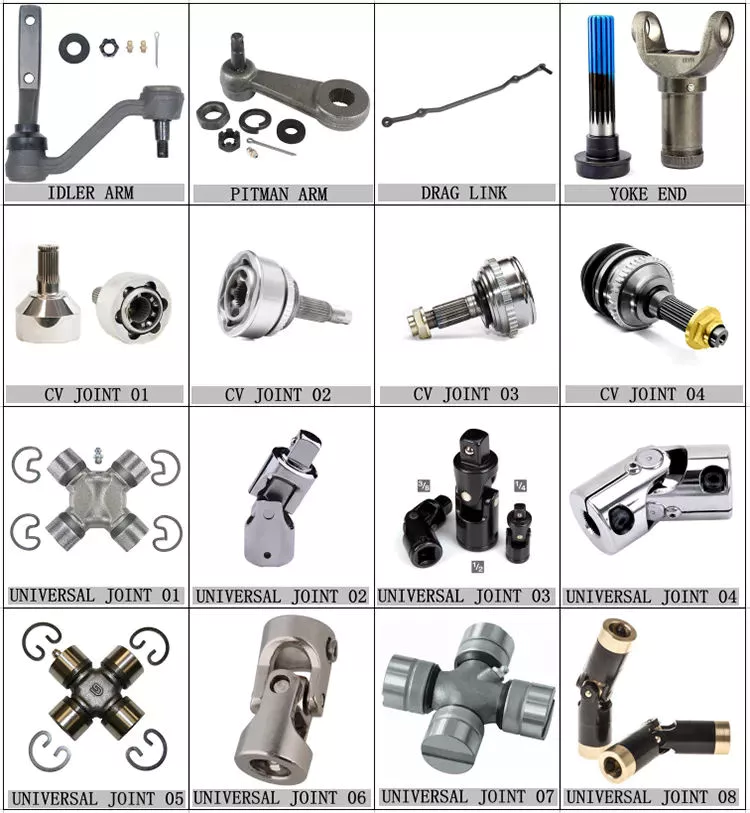
驱动轴在运行过程中如何应对速度和扭矩的变化?
传动轴采用特定的机构和结构,旨在应对运行过程中速度和扭矩的变化。这些机构使传动轴能够适应动力传输的变化需求,同时保持平稳高效的运行。以下详细解释了传动轴如何处理速度和扭矩的变化:
1. 柔性联轴器:
传动轴通常采用柔性联轴器,例如万向节(U型接头)或等速万向节(CV接头),以应对速度和扭矩的变化。这些联轴器提供了灵活性,即使驱动部件和从动部件并非完全对齐,也能使传动轴传递动力。万向节由两个通过十字形轴承连接的轭架组成,允许传动轴各部分之间进行角度运动。这种灵活性可以适应速度和扭矩的变化,并补偿不对中。等速万向节常用于汽车传动轴,它能够在适应工作角度变化的同时保持恒定的旋转速度。这些柔性联轴器能够实现平稳的动力传输,并减少由速度和扭矩变化引起的振动和磨损。
2. 滑动接头:
在某些传动轴设计中,会采用滑动接头来应对长度变化,并适应驱动部件和从动部件之间距离的变化。滑动接头由带有花键或伸缩机构的内外管状部分组成。当传动轴因悬架运动或其他因素而发生长度变化时,滑动接头允许轴伸长或压缩,而不会影响动力传输。通过允许轴向移动,滑动接头有助于防止传动轴在速度和扭矩变化期间出现卡滞或过大的应力,从而确保平稳运行。
3. 平衡:
传动轴需要进行平衡处理,以优化其性能并最大限度地减少因速度和扭矩变化引起的振动。传动轴的不平衡会导致振动,这不仅会影响车内乘员的舒适性,还会加剧传动轴及其相关部件的磨损。平衡处理包括重新分配传动轴上的质量,以实现均匀的重量分布,从而减少振动并提高整体性能。动态平衡通常通过增加或移除少量配重来实现,确保传动轴即使在不同的速度和扭矩负载下也能平稳运行。
4. 材料选择和设计:
传动轴的材料选择和设计在应对速度和扭矩变化方面起着至关重要的作用。传动轴通常采用高强度材料,例如钢或铝合金,这些材料因其能够承受各种运行条件下产生的力和应力而被选中。传动轴的直径和壁厚也经过精心设计,以确保足够的强度和刚度。此外,设计中还考虑了临界转速、扭转刚度和共振抑制等因素,这些因素有助于在速度和扭矩变化期间保持稳定性和性能。
5. 润滑:
适当的润滑对于传动轴应对速度和扭矩的变化至关重要。润滑万向节或等速万向节等连接件可以减少运行过程中产生的摩擦和热量,确保平稳运行并最大限度地减少磨损。充足的润滑还有助于防止部件卡滞,使传动轴能够更有效地适应速度和扭矩的变化。定期进行润滑维护是确保最佳性能和延长传动轴使用寿命的必要措施。
6. 系统监控:
监测传动轴系统的性能对于识别与速度和扭矩变化相关的任何问题至关重要。异常振动、噪音或动力传输变化都可能表明传动轴存在潜在问题。定期检查和维护有助于及早发现并解决问题,从而防止进一步损坏,并确保传动轴持续有效地应对速度和扭矩的变化。
总而言之,传动轴通过柔性联轴器、滑动接头、平衡程序、合适的材料选择和设计、润滑以及系统监控来应对运行过程中速度和扭矩的变化。这些机制和措施使传动轴能够适应不对中、长度变化和功率需求的变化,从而确保在各种应用中实现高效的动力传输、平稳运行并减少磨损。

传动轴如何提升汽车和卡车的性能?
传动轴在提升汽车和卡车的性能方面发挥着重要作用。它们影响车辆性能的各个方面,包括动力输出、牵引力、操控性和整体效率。以下详细解释传动轴如何提升汽车和卡车的性能:
1. 功率输出:
Drive shafts are responsible for transferring power from the engine to the wheels, enabling the vehicle to move forward. By efficiently transmitting power without significant losses, drive shafts ensure that the engine’s power is effectively utilized, resulting in improved acceleration and overall performance. Well-designed drive shafts with minimal power loss contribute to the vehicle’s ability to deliver power to the wheels efficiently.
2. 扭矩传递:
传动轴负责将发动机的扭矩传递到车轮。扭矩是驱动车辆前进的旋转力。高质量的传动轴具备良好的扭矩转换能力,确保发动机产生的扭矩能够有效地传递到车轮。这增强了车辆的加速性能、牵引重物的能力以及爬坡能力,从而提升了车辆的整体性能。
3. 牵引力和稳定性:
传动轴对汽车和卡车的牵引力和稳定性至关重要。它们将动力传递至车轮,使车轮能够对路面施加作用力。这使得车辆能够保持牵引力,尤其是在加速或在湿滑或不平坦的路面上行驶时。通过传动轴高效传递动力,确保动力均衡分配至所有车轮,从而增强车辆的稳定性,并改善操控性。
4. 操控性和机动性:
传动轴对车辆的操控性和机动性有着重要影响。它们有助于建立发动机和车轮之间的直接连接,从而实现精准控制和灵敏操控。设计精良、间隙或反冲最小的传动轴有助于对驾驶员的操作做出更直接、更迅速的响应,从而提升车辆的灵活性和机动性。
5. 减轻体重:
传动轴有助于减轻汽车和卡车的重量。采用铝或碳纤维增强复合材料等材料制成的轻质传动轴可以降低车辆的整体重量。重量的减轻提高了功率重量比,从而改善了加速性能、操控性和燃油效率。此外,轻质传动轴还能降低旋转惯量,使发动机转速提升更快,进一步提升性能。
6. 机械效率:
高效的传动轴能够最大限度地减少动力传输过程中的能量损失。通过采用高质量轴承、低摩擦密封件和优化润滑等设计,传动轴可以降低摩擦,并最大限度地减少因内部阻力造成的动力损失。这提高了传动系统的机械效率,使更多动力传递至车轮,从而提升车辆的整体性能。
7. 性能升级:
Drive shaft upgrades can be a popular performance enhancement for enthusiasts. Upgraded drive shafts, such as those made from stronger materials or with enhanced torque capacity, can handle higher power outputs from modified engines. These upgrades allow for increased performance, such as improved acceleration, higher top speeds, and better overall driving dynamics.
8. 与性能改进的兼容性:
性能改装,例如发动机升级、提升动力输出或改变传动系统,通常需要匹配的传动轴。专为承受更高扭矩负载或适应改装后的传动系统配置而设计的传动轴,可确保最佳性能和可靠性。它们使车辆能够有效地利用增加的动力和扭矩,从而提升性能和响应速度。
9. 耐用性和可靠性:
坚固耐用且维护良好的传动轴有助于提高汽车和卡车的耐用性和可靠性。它们的设计旨在承受动力传输过程中产生的应力和负载。优质的材料、适当的平衡和定期维护有助于确保传动轴平稳运行,最大限度地降低故障或性能问题的风险。可靠的传动轴通过提供稳定的动力输出和最大限度地减少停机时间来提升整体性能。
10. 与先进技术的兼容性:
传动轴正随着车辆技术的进步而不断发展。它们越来越多地与混合动力系统、电动机和能量回收制动等先进系统集成。专为与这些技术无缝协作而设计的传动轴能够最大限度地提高效率和性能优势,从而提升车辆的整体性能。
In summary, drive shafts enhance the performance of automobiles and trucks by optimizing power delivery, facilitating torque transfer, improving traction and stability, enhancing handling and maneuverability, reducing weight, increasing mechanical efficiency,and enabling compatibility with performance upgrades and advanced technologies. They play a crucial role in ensuring efficient power transmission, responsive acceleration, precise handling, and overall improved performance of vehicles.
What is a drive shaft and how does it function in vehicles and machinery?
A drive shaft, also known as a propeller shaft or prop shaft, is a mechanical component that plays a critical role in transmitting rotational power from the engine to the wheels or other driven components in vehicles and machinery. It is commonly used in various types of vehicles, including cars, trucks, motorcycles, and agricultural or industrial machinery. Here’s a detailed explanation of what a drive shaft is and how it functions:
1. Definition and Construction: A drive shaft is a cylindrical metal tube that connects the engine or power source to the wheels or driven components. It is typically made of steel or aluminum and consists of one or more tubular sections with universal joints (U-joints) at each end. These U-joints allow for angular movement and compensation of misalignment between the engine/transmission and the driven wheels or components.
2. Power Transmission: The primary function of a drive shaft is to transmit rotational power from the engine or power source to the wheels or driven components. In vehicles, the drive shaft connects the transmission or gearbox output shaft to the differential, which then transfers power to the wheels. In machinery, the drive shaft transfers power from the engine or motor to various driven components such as pumps, generators, or other mechanical systems.
3. Torque and Speed: The drive shaft is responsible for transmitting both torque and rotational speed. Torque is the rotational force generated by the engine or power source, while rotational speed is the number of revolutions per minute (RPM). The drive shaft must be capable of transmitting the required torque without excessive twisting or bending and maintaining the desired rotational speed for efficient operation of the driven components.
4. 柔性联轴器: The U-joints on the drive shaft provide a flexible coupling that allows for angular movement and compensation of misalignment between the engine/transmission and the driven wheels or components. As the suspension system of a vehicle moves or the machinery operates on uneven terrain, the drive shaft can adjust its length and angle to accommodate these movements, ensuring smooth power transmission and preventing damage to the drivetrain components.
5. Length and Balance: The length of the drive shaft is determined by the distance between the engine or power source and the driven wheels or components. It should be appropriately sized to ensure proper power transmission and avoid excessive vibrations or bending. Additionally, the drive shaft is carefully balanced to minimize vibrations and rotational imbalances, which can cause discomfort, reduce efficiency, and lead to premature wear of drivetrain components.
6. Safety Considerations: Drive shafts in vehicles and machinery require proper safety measures. In vehicles, drive shafts are often enclosed within a protective tube or housing to prevent contact with moving parts and reduce the risk of injury in the event of a malfunction or failure. Additionally, safety shields or guards are commonly installed around exposed drive shafts in machinery to protect operators from potential hazards associated with rotating components.
7. Maintenance and Inspection: Regular maintenance and inspection of drive shafts are essential to ensure their proper functioning and longevity. This includes checking for signs of wear, damage, or excessive play in the U-joints, inspecting the drive shaft for any cracks or deformations, and lubricating the U-joints as recommended by the manufacturer. Proper maintenance helps prevent failures, ensures optimal performance, and prolongs the service life of the drive shaft.
In summary, a drive shaft is a mechanical component that transmits rotational power from the engine or power source to the wheels or driven components in vehicles and machinery. It functions by providing a rigid connection between the engine/transmission and the driven wheels or components, while also allowing for angular movement and compensation of misalignment through the use of U-joints. The drive shaft plays a crucial role in power transmission, torque and speed delivery, flexible coupling, length and balance considerations, safety, and maintenance requirements. Its proper functioning is essential for the smooth and efficient operation of vehicles and machinery.
<img src="https://img.hzpt.com/img/Drive-shaft/drive-shaft-l1.webp" alt="China supplier Gjf Factory Price Auto CV Axle Car Bearing Drive Shaft for VW Passat B5 2.0 Mt/R C-Ad022A-8 “><img src="https://img.hzpt.com/img/Drive-shaft/drive-shaft-l2.webp" alt="China supplier Gjf Factory Price Auto CV Axle Car Bearing Drive Shaft for VW Passat B5 2.0 Mt/R C-Ad022A-8 “>
editor by lmc 2024-09-09

























