
产品描述
T4-660-01B-07G-YIIIP Agriculture PTO Drive Shaft for Earth Mover and Potato Harvester
| Product: | 动力输出轴驱动轴 |
| Model: | T4-660-01B-07G-YIIIP |
| Size: | φ27*74.6 Length 660mm |
| Raw Material: | 45# Steel |
| Hardness: | 58-64HRC |
| Delivery Date: | 7-60 Days |
| MOQ: | 100 sets or according to stocks without minimum Qty. |
| Sample: | Acceptable |
| We could produce all kinds of PTO Drive Shaft and Parts according to customers’ requirement. | |
| REF. | UJ | L.mm |
| T4-660-01B-07G-YIIIP | ø27*74.6 | 660 |
About us
We have more than 17 years experience of Spare parts, especially on Drive Line Parts.
We deeply participant in the Auto Spare parts business in HangZhou city which is the most import spare parts production area in China.
We are supply products with good cost performance for different customers of all over the world.
We keep very good relationship with local produces with the WIN-WIN-WIN policy.
Factory supply good and fast products;
We supply good and fast service;
And Customers gain the good products and good service for their customers.
This is a healthy and strong equilateral triangle keep HangZhou Speedway going forward until now.
/* 2571 年 1 月 22 日 19:08:37 */!function(){function s(e,r){var a,o={};try{e&&e.split(“,”).forEach(function(e,t){e&&(a=e.match(/(.*?):(.*)$/))&&1
| 类型: | Transmission |
|---|---|
| 用法: | Tillage, Harvester, Planting and Fertilization |
| 材料: | 45# Steel |
| 电源: | Diesel |
| 重量: | 8 |
| 售后服务: | 在线支持 |
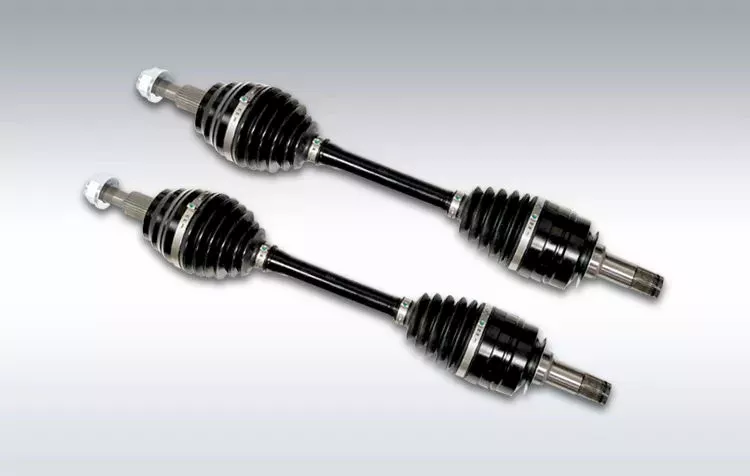
Are there any limitations or disadvantages associated with PTO drive shaft systems?
While PTO (Power Take-Off) drive shaft systems offer numerous advantages, there are also some limitations and disadvantages associated with their use. It’s important to consider these factors when deciding whether to implement a PTO drive shaft system. The limitations and disadvantages include:
1. Safety Risks:
PTO drive shaft systems can pose safety risks if not used and maintained properly. The rotating drive shaft, exposed splines, and universal joints can present hazards to operators and bystanders if they come into contact with them while in operation. Entanglement or entrapment of clothing, hair, or body parts in the rotating components can result in severe injuries. It is crucial to follow safety guidelines, use appropriate shielding, and implement safety devices to mitigate these risks.
2. Maintenance and Lubrication:
PTO drive shaft systems require regular maintenance and lubrication to ensure optimal performance and longevity. The joints, splines, and bearings need to be inspected, cleaned, and lubricated as recommended by the manufacturer. Failure to perform routine maintenance can lead to premature wear, increased friction, and eventual component failure, resulting in unexpected downtime and costly repairs.
3. Misalignment and Vibrations:
PTO drive shaft systems can experience misalignment and vibrations, especially when the driven equipment is not perfectly aligned with the power source. Misalignment places additional stress on the drive shaft and its components, leading to increased wear and reduced efficiency. Vibrations generated during operation can also contribute to fatigue and accelerated wear of the drive shaft and connected equipment.
4. Limited Operating Angles:
PTO drive shaft systems typically have limited operating angles due to the design constraints of universal joints. Exceeding the recommended operating angles can cause binding, increased wear, and reduced power transmission efficiency. This limitation may restrict the range of movement or flexibility when connecting PTO-driven equipment, requiring careful planning and alignment during installation.
5. Noise and Vibration:
PTO drive shaft systems can generate noise and vibrations during operation. The rotating components, especially at high speeds, can create audible noise and vibrations that may be transmitted to the operator, the equipment, and the surrounding environment. Excessive noise and vibrations can negatively impact the operator’s comfort, equipment performance, and may require additional measures to mitigate their effects.
6. Limited Power Transfer Capacity:
PTO drive shaft systems have limitations in terms of power transfer capacity. The torque and power that can be transmitted through the drive shaft depend on its design, material strength, and the selected components. In applications requiring high torque or power, alternative power transmission methods such as hydraulic systems or direct mechanical drives may be more suitable and capable of handling the required loads.
7. Compatibility Challenges:
Ensuring compatibility between PTO drive shafts and different equipment can sometimes be challenging. Equipment may have unique connection requirements, such as non-standard splines or flanges, which may require custom adapters or modifications. Achieving compatibility with older or specialized equipment can require additional effort and may not always be straightforward.
8. Cost:
Implementing a PTO drive shaft system can involve significant upfront costs, including the purchase of the drive shaft, compatible equipment, and any necessary adapters or couplings. Additionally, ongoing maintenance, lubrication, and potential repairs can contribute to the overall cost of ownership. It is important to consider the cost-benefit ratio and the specific needs of the application before investing in a PTO drive shaft system.
Despite these limitations and disadvantages, PTO drive shaft systems continue to be widely used due to their versatility, ease of use, and compatibility with a wide range of equipment. By addressing safety concerns, performing regular maintenance, and considering the specific requirements of the application, many of these limitations can be mitigated, allowing for reliable and efficient operation.
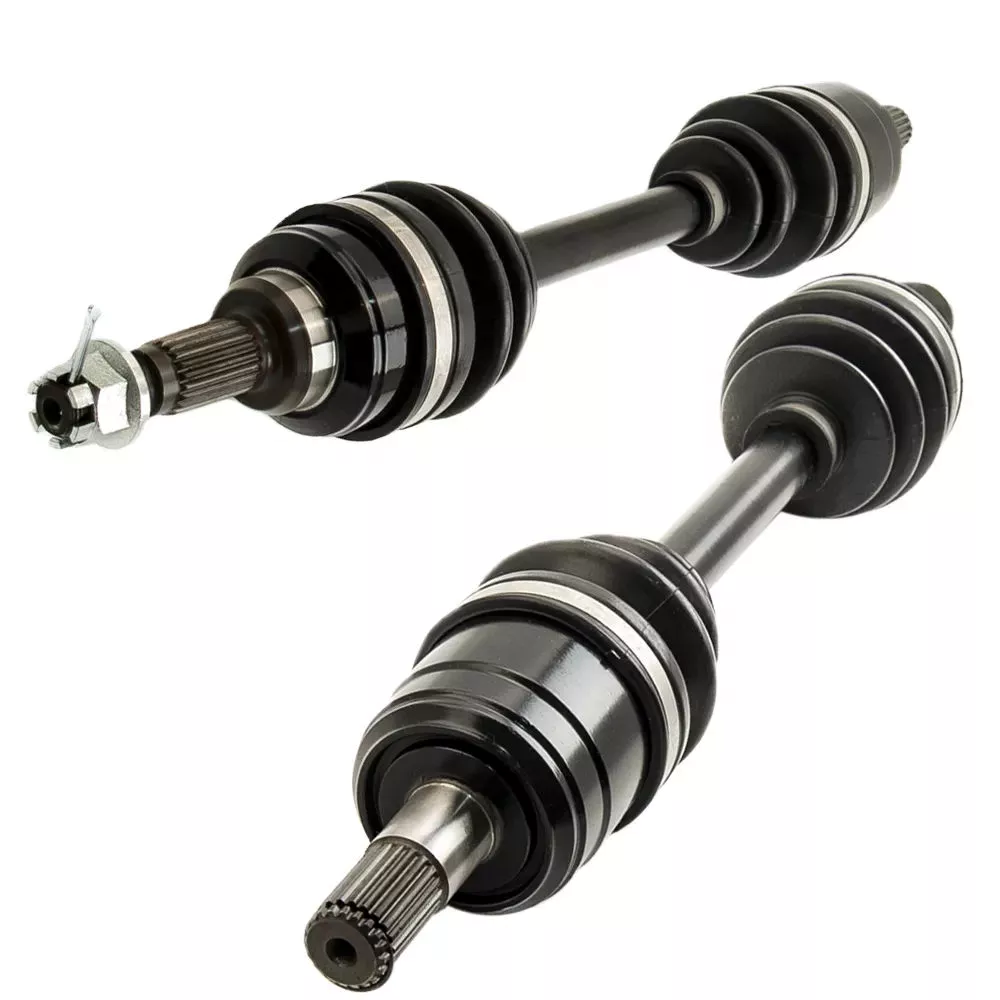
What safety precautions should be followed when working with PTO drive shafts?
Working with PTO (Power Take-Off) drive shafts requires strict adherence to safety precautions to prevent accidents and ensure the well-being of individuals operating or maintaining the equipment. Here are some important safety precautions to follow when working with PTO drive shafts:
1. Read and Understand the Manufacturer’s Instructions:
Before working with PTO drive shafts, carefully read and understand the manufacturer’s instructions, operating manuals, and safety guidelines. Familiarize yourself with the specific requirements and recommendations for the PTO drive shaft model being used. The manufacturer’s instructions provide essential information regarding installation, operation, maintenance, and safety precautions.
2. Wear Appropriate Personal Protective Equipment (PPE):
Always wear the necessary personal protective equipment (PPE) when working with PTO drive shafts. This may include safety glasses, protective gloves, steel-toed boots, and appropriate clothing. PPE helps protect against potential hazards such as flying debris, entanglement, or contact with rotating components.
3. Ensure Proper Installation and Alignment:
Follow the recommended installation procedures for the PTO drive shaft. Ensure that it is correctly aligned and securely attached to both the power source and the driven equipment. Improper installation or misalignment can lead to excessive vibration, premature wear, and potential dislodgement of the drive shaft during operation.
4. Use Safety Guards and Shields:
PTO drive shafts should be equipped with appropriate safety guards and shields. These protective devices help prevent accidental contact with rotating components and minimize the risk of entanglement. Ensure that the guards and shields are properly installed and in good working condition. Do not remove or bypass them during operation.
5. Avoid Loose Clothing, Jewelry, and Hair:
When working with PTO drive shafts, avoid wearing loose clothing, jewelry, or having long hair that can get entangled in the rotating components. Secure or remove any loose items that could pose a risk of entanglement or become caught in the drive shaft during operation.
6. Disconnect Power Before Maintenance:
Prior to performing any maintenance or inspection on the PTO drive shaft, ensure that the power source is completely shut off and the equipment is at a complete stop. Disconnect the power supply and take appropriate measures to prevent accidental startup, such as locking out and tagging out the power source.
7. Regularly Inspect and Maintain the Drive Shaft:
Regularly inspect the PTO drive shaft for signs of wear, damage, or misalignment. Check for loose or missing components, and ensure that all fasteners and connections are secure. Lubricate the drive shaft as recommended by the manufacturer. Promptly address any maintenance or repair needs to prevent further damage or potential safety hazards.
8. Be Cautious of Overload and Shock Loads:
Avoid subjecting the PTO drive shaft to excessive loads or sudden shock loads beyond its rated capacity. Overloading can lead to premature wear, component failure, and potential accidents. Ensure that the equipment being driven by the PTO drive shaft does not exceed its recommended load limits.
9. Provide Training and Awareness:
Ensure that individuals working with or around PTO drive shafts receive proper training and are aware of the associated risks and safety precautions. Training should cover installation procedures, safe operation, maintenance practices, and emergency procedures. Promote a safety-conscious culture and encourage reporting of any safety concerns or incidents.
10. Seek Professional Assistance When Needed:
If you’re unsure about any aspect of working with PTO drive shafts or encounter complex maintenance or repair needs, seek professional assistance. Consulting with qualified technicians, engineers, or the equipment manufacturer can help ensure that the work is carried out safely and effectively.
Remember, safety should always be the top priority when working with PTO drive shafts. Following these precautions helps minimize the risk of accidents, injuries, and equipment damage. It is essential to stay vigilant, exercise caution, and comply with relevant safety regulations and standards.

PTO驱动轴能为各种类型的机械带来哪些好处?
动力输出轴(PTO)为农业和工业应用中的各种机械设备带来诸多益处。它们在将动力从主动力源(例如拖拉机或发动机)传递到不同类型的机械设备方面发挥着至关重要的作用。以下是对动力输出轴(PTO)优势的详细说明:
1. 多功能性:
动力输出轴(PTO)驱动轴使机械设备能够利用多种动力源,从而增强了机械设备的通用性。拖拉机、发动机或其他主要动力源可以提供旋转动力,然后通过动力输出轴将动力传递给不同类型的机械设备。这种通用性使得同一动力源能够用于各种不同的任务和应用。
2. 效率提高:
通过使用动力输出轴(PTO),机械设备无需单独的发动机或电源,即可利用主动力源(例如拖拉机发动机)产生的动力。这避免了因使用多个动力源而产生的额外燃料消耗和维护成本,从而提高了整体效率并降低了运营成本。
3. 成本效益:
动力输出轴(PTO)为机械设备提供了一种经济高效的动力解决方案。无需为每台设备单独购置发动机或动力装置,只需使用动力输出轴即可将机械设备直接连接到主动力源。这不仅减少了购置额外动力源所需的资本投入,而且从长远来看还能提高成本效益。
4. 安装和操作的便捷性:
动力输出轴(PTO)的设计旨在方便安装和操作。它们通常采用标准化的连接系统,可快速简便地连接到动力源和机械设备。这种便捷的安装和操作方式节省了设备安装的时间和精力,并确保动力源和机械设备之间的顺畅集成。
5. 灵活性和互换性:
动力输出轴(PTO)驱动轴为不同农具和机械提供了灵活性和互换性。只要机械具有兼容的动力输出轴输入接口,即可轻松连接到动力输出轴驱动轴。这使得农具和机械的快速更换成为可能,方便适应不断变化的作业任务和操作需求。
6. 功率可调节性:
动力输出轴(PTO)能够调节机械的动力输出。拖拉机或其他动力源通常具有多个PTO转速设置,操作人员可以根据被驱动机械的转速和动力需求进行匹配。这种可调节性确保了最佳性能,并防止因动力过大或过小而对机械造成损坏。
7. 维护和安全:
与独立发动机或动力单元相比,动力输出轴通常需要的维护更少。它们的设计注重耐用性和可靠性,主要的维护要求是适当的润滑和定期检查。此外,动力输出轴还可以配备防护罩或挡板等安全装置,以保护操作人员免受旋转部件可能造成的危险。
8. 与各种机械的兼容性:
动力输出轴(PTO)驱动轴与农业和工业应用中使用的各种机械设备兼容。它们可以驱动不同类型的农具,例如割草机、打捆机、耕耘机、收割机、水泵和发电机,使其适用于各种作业和行业。
总体而言,动力输出轴为各种类型的机械设备带来诸多益处。它们增强了设备的通用性,提高了效率,降低了成本,并且易于安装和操作。凭借其灵活性、可调节性和兼容性,动力输出轴在为机械设备提供动力以及提高农业和工业生产的整体生产力方面发挥着至关重要的作用。


editor by CX 2024-03-05

























