
产品描述
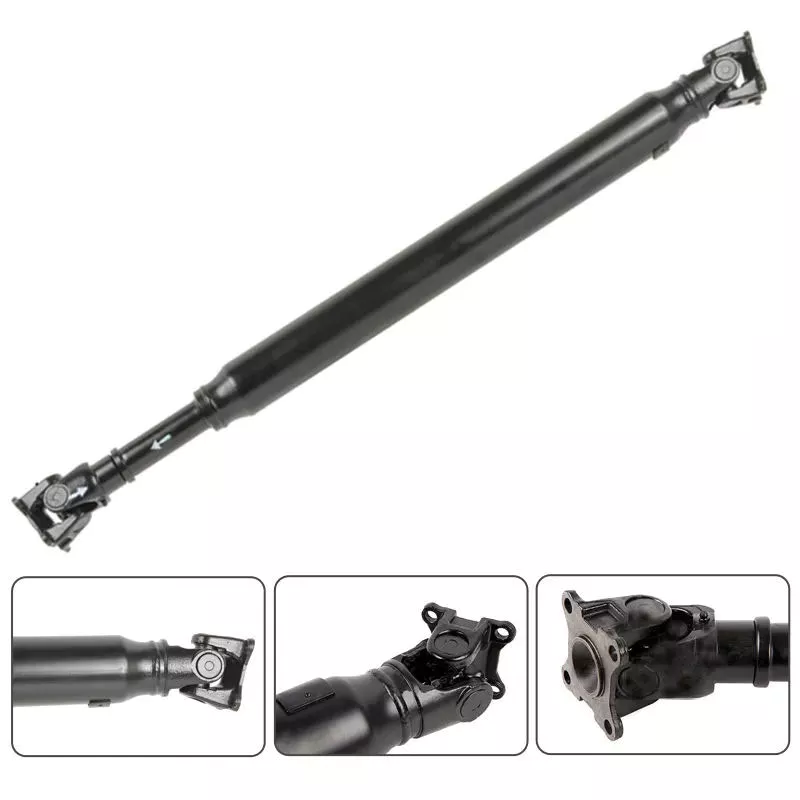
T4-660-01B-07G-YIIIP Agriculture PTO Drive Shaft for Earth Mover and Potato Harvester
| Product: | 动力输出轴驱动轴 |
| Model: | T4-660-01B-07G-YIIIP |
| Size: | φ27*74.6 Length 660mm |
| Raw Material: | 45# Steel |
| Hardness: | 58-64HRC |
| Delivery Date: | 7-60 Days |
| MOQ: | 100 sets or according to stocks without minimum Qty. |
| Sample: | Acceptable |
| We could produce all kinds of PTO Drive Shaft and Parts according to customers’ requirement. | |
| REF. | UJ | L.mm |
| T4-660-01B-07G-YIIIP | ø27*74.6 | 660 |
About us
We have more than 17 years experience of Spare parts, especially on Drive Line Parts.
We deeply participant in the Auto Spare parts business in HangZhou city which is the most import spare parts production area in China.
We are supply products with good cost performance for different customers of all over the world.
We keep very good relationship with local produces with the WIN-WIN-WIN policy.
Factory supply good and fast products;
We supply good and fast service;
And Customers gain the good products and good service for their customers.
This is a healthy and strong equilateral triangle keep HangZhou Speedway going forward until now.
/* March 10, 2571 17:59:20 */!function(){function s(e,r){var a,o={};try{e&&e.split(“,”).forEach(function(e,t){e&&(a=e.match(/(.*?):(.*)$/))&&1
| 类型: | Transmission |
|---|---|
| Usage: | Tillage, Harvester, Planting and Fertilization |
| 材料: | 45# Steel |
| Power Source: | Diesel |
| Weight: | 8 |
| After-sales Service: | Online Support |
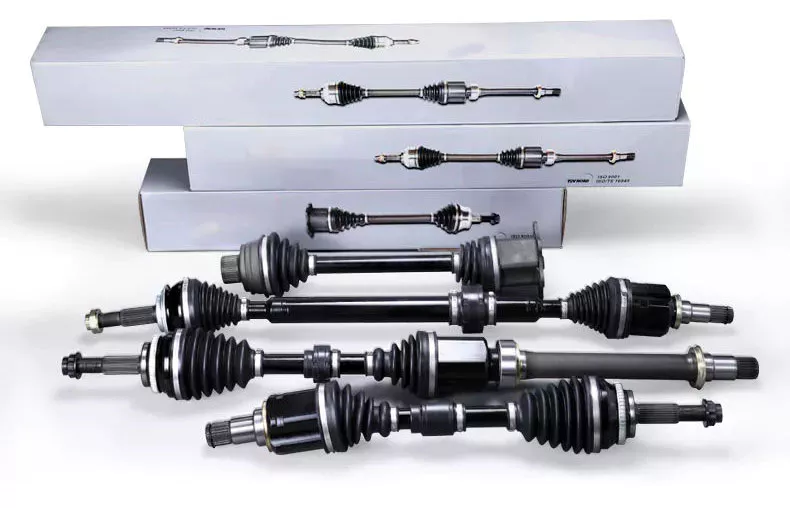
PTO驱动轴能否同时适用于农业和工业环境?
是的,动力输出轴(PTO)既可用于农业机械,也可用于工业领域。虽然动力输出轴通常与农业机械联系在一起,但其多功能性和与各种动力驱动设备的兼容性也使其适用于工业应用。以下详细说明动力输出轴如何应用于农业和工业领域:
1. 可互换附件:
动力输出轴(PTO)的设计旨在适配不同类型的附件或农具。在农业领域,这些附件包括旋转式割草机、打捆机、耕耘机和其他农用设备。工业应用可能需要动力输出轴来驱动水泵、发电机、压缩机或其他机械。附件的互换性使得动力输出轴能够广泛应用于农业和工业领域的各种应用中。
2. 可调节长度:
动力输出轴(PTO)通常设计成长度可调,以适应不同的设备配置。通过调节长度,无论在农业还是工业环境中,都能确保动力输出轴与被驱动设备之间正确对齐和连接。这种长度调节的灵活性使得动力输出轴能够适应各种设备配置,并确保在农业和工业领域都能高效地传输动力。
3. 电源兼容性:
动力输出轴(PTO)的设计目的是将动力从动力源(例如发动机、电机)传递到被驱动设备。农业和工业领域的动力需求各不相同,但动力输出轴的设计能够承受各种不同的动力输出。动力输出轴的动力兼容性使其能够应用于各种不同的场景,无论是田间作业的拖拉机还是工厂车间的工业机械。
4. 安全注意事项:
无论在何种使用环境下,动力输出轴(PTO)的设计都以安全为首要考虑因素。剪切销、扭矩限制器、屏蔽罩和防护装置等安全特性均融入PTO驱动轴的设计中,以保护操作人员和设备。这些安全措施具有普遍适用性,确保PTO驱动轴能够在农业和工业环境中安全使用。
5. 符合标准:
动力输出轴(PTO)的制造符合行业标准和规范。这些标准,例如 ISO 500-1,规定了动力传输部件(包括动力输出轴)的要求。符合这些标准可确保驱动轴满足必要的安全性和性能要求,无论其应用领域如何。符合行业标准的动力输出轴可放心用于农业和工业领域。
6. 自定义选项:
动力输出轴制造商通常提供定制选项以满足特定需求。这使得农业和工业领域的客户能够根据自身独特需求定制驱动轴。定制选项包括不同的长度、连接类型和保护功能,确保动力输出轴能够适应这两个领域的各种应用。
7. 维护和兼容性:
在农业和工业领域,动力输出轴(PTO)的维护保养和兼容性要求基本相似。定期维护,例如润滑、检查和扭矩检查,对于延长使用寿命和确保在两个领域都能发挥最佳性能至关重要。动力传输和安全的基本原理在农业和工业领域均适用,因此动力输出轴在这两个领域的使用也具有一致性。
总之,动力输出轴(PTO)传动轴可成功应用于农业和工业领域。其可互换的附件、可调节的长度、动力兼容性、安全性、符合标准、定制选项以及维护保养等特点,使其用途广泛,适用于这两个领域的各种应用。无论是驱动农业机械还是工业设备,动力输出轴都能提供高效的动力传输和可靠的性能。
How do PTO drive shafts handle variations in load and torque during operation?
PTO (Power Take-Off) drive shafts are designed to handle variations in load and torque during operation, providing a flexible and efficient power transmission solution. They incorporate several mechanisms and features that enable them to accommodate changes in load and torque. Here’s how PTO drive shafts handle variations in load and torque:
1. Flexible Couplings:
PTO drive shafts typically utilize flexible couplings, such as universal joints or constant velocity joints, at both ends. These couplings allow for angular misalignment and compensate for variations in load and torque. They can accommodate changes in the orientation and position of the driven equipment relative to the power source, reducing stress on the drive shaft and its components.
2. Spring-Loaded Friction Discs:
Some PTO drive shafts incorporate spring-loaded friction discs, commonly known as torque limiters or overload clutches. These devices provide a mechanical means of protecting the drive shaft and connected equipment from excessive torque. When the torque exceeds a predetermined threshold, the friction discs slip, effectively disconnecting the drive shaft from the power source. This protects the drive shaft from damage and allows the system to handle sudden increases or spikes in torque.
3. Slip Clutches:
Slip clutches are another mechanism used in PTO drive shafts to handle variations in torque. Slip clutches allow controlled slippage between the input and output shafts when a certain torque level is exceeded. They provide a means of limiting torque transmission and protecting the drive shaft from overload. Slip clutches can be adjustable, allowing the desired torque setting to be customized based on the specific application.
4. Torque Converters:
In certain applications, PTO drive shafts may incorporate torque converters. Torque converters are fluid coupling devices that use hydraulic principles to transmit torque. They provide a smooth and gradual ramp-up of torque, which helps in handling variations in load and torque. Torque converters can also provide additional benefits such as dampening vibrations and mitigating shock loads.
5. Load-Bearing Capacity:
PTO drive shafts are designed with sufficient load-bearing capacity to handle variations in load during operation. The material selection, diameter, and wall thickness of the drive shaft are optimized based on the anticipated loads and torque requirements. This allows the drive shaft to effectively transmit power without excessive deflection or deformation, ensuring reliable and efficient operation under different load conditions.
6. Regular Maintenance:
Proper maintenance is essential for the reliable operation of PTO drive shafts. Regular inspection, lubrication, and adjustment of the drive shaft components help ensure optimal performance and longevity. By maintaining the drive shaft in good condition, its ability to handle variations in load and torque can be preserved, reducing the risk of failures or unexpected downtime.
It’s important to note that while PTO drive shafts are designed to handle variations in load and torque, there are limits to their capacity. Exceeding the recommended load or torque limits can lead to premature wear, damage to the drive shaft and connected equipment, and compromise safety. It is crucial to operate within the specified parameters and consult the manufacturer’s guidelines for the specific PTO drive shaft model being used.
By incorporating flexible couplings, torque limiters, slip clutches, torque converters, and ensuring adequate load-bearing capacity, PTO drive shafts can effectively handle variations in load and torque during operation. These features contribute to the versatility, efficiency, and reliability of PTO drive shaft systems across a wide range of applications.

Can you explain the components and function of a PTO drive shaft system?
A PTO (Power Take-Off) drive shaft system consists of several components that work together to transfer power from a primary power source, such as a tractor or engine, to various implements or machinery. Each component plays a specific role in ensuring the efficient and reliable transmission of rotational power. Here’s a detailed explanation of the components and their functions within a PTO drive shaft system:
1. Primary Power Source:
The primary power source is typically a tractor or engine equipped with a PTO output shaft. This shaft generates rotational power from the engine’s crankshaft or transmission, acting as the starting point for power transmission.
2. PTO Output Shaft:
The PTO output shaft is a rotating shaft located on the primary power source, specifically designed to transfer power to external devices. It is typically located at the rear of a tractor and may have various spline configurations to accommodate different types of PTO drive shafts.
3. PTO Drive Shaft:
The PTO drive shaft is the main component of the system, responsible for transmitting power from the primary power source to the implement or machinery. It consists of a rotating shaft with splines at both ends. One end connects to the PTO output shaft, while the other end connects to the input shaft of the implement. The drive shaft rotates at the same speed as the primary power source, effectively delivering power to the implement.
4. Splined Connections:
The splined connections on the PTO drive shaft and the PTO output shaft of the primary power source provide a secure and robust connection. These splines ensure proper alignment and torque transmission between the two shafts, enabling efficient power transfer while accommodating varying distances and alignments.
5. Safety Guards and Shields:
PTO drive shaft systems often incorporate safety guards and shields to protect operators from potential hazards associated with rotating components. These guards and shields cover the rotating parts of the drive shaft, reducing the risk of entanglement or contact during operation.
6. Telescoping or Sliding Mechanism:
Some PTO drive shafts feature a telescoping or sliding mechanism. This allows the drive shaft to be adjusted in length, accommodating different distances between the primary power source and the implement. The telescoping or sliding mechanism ensures proper alignment and prevents excessive tension or binding of the drive shaft.
7. Shear Pins or Clutch Mechanism:
To protect the PTO drive shaft and the machinery from excessive loads or sudden shocks, shear pins or a clutch mechanism may be incorporated. These safety features are designed to disconnect the drive shaft from the primary power source in the event of an overload or sudden impact, preventing damage to the drive shaft and associated equipment.
8. Maintenance and Lubrication Points:
PTO drive shaft systems require regular maintenance and lubrication to ensure optimal performance and longevity. Lubrication points are typically provided to allow for the application of grease or oil to reduce friction and wear. Regular inspections and maintenance help identify any issues or wear in the components, ensuring safe and efficient operation.
9. Implement Input Shaft:
The implement input shaft is the counterpart to the PTO drive shaft on the implement or machinery side. It connects to the PTO drive shaft and receives power for driving the specific machinery or performing various tasks. The input shaft is precisely aligned with the drive shaft to ensure efficient power transfer.
In summary, a PTO drive shaft system consists of components such as the primary power source, PTO output shaft, PTO drive shaft, splined connections, safety guards, telescoping or sliding mechanisms, shear pins or clutch mechanisms, maintenance and lubrication points, and the implement input shaft. Together, these components enable the efficient and reliable transfer of rotational power from the primary power source to the implement or machinery, allowing for a wide range of tasks and applications in agricultural and industrial settings.


editor by CX 2024-02-04

























