
Mô tả sản phẩm
Mô tả sản phẩm
SWC BH Cardan Shaft Basic Parameter And Main Dimension
Cardan shaft is widely used in rolling mill, punch, straightener, crusher, ship drive, paper making equipment, common machinery, water pump equipment, test bench, and other mechanical applications.
Advantage:
1. Low life-cycle costs and long service life;
2. Increase productivity;
3. Professional and innovative solutions;
4. Reduce carbon dioxide emissions, and environmental protection;
5. High torque capacity even at large deflection angles;
6. Easy to move and run smoothly;
Ảnh chi tiết
Product Parameters
| Model | Tn kN • m |
T. |
p (.) |
LS mm |
Lmin | Size mm |
I kg. m2 | m kg |
|||||||||||
| Di js11 |
d2 H7 |
Da | Lm | n-d | k | t | b h9 |
g | Lmin | 100mm | Lmin | 100mm | |||||||
| SWC58BH | 58 | 0.15 | 0.075 | ≤22 | 35 | 325 | 47 | 30 | 38 | 35 | 4-5 | 3.5 | 1.5 | – | – | – | – | 2.2 | – |
| SWC65BH | 65 | 0.25 | 0.125 | ≤22 | 40 | 360 | 52 | 35 | 42 | 46 | 4-6 | 4.5 | 1.7 | – | – | – | – | 3.0 | – |
| SWC75BH | 75 | 0.50 | 0.25 | ≤22 | 40 | 395 | 62 | 42 | 50 | 58 | 6-6 | 5.5 | 2.0 | – | – | – | – | 5.0 | – |
| SWC90BH | 90 | 1.0 | 0.50 | ≤22 | 45 | 435 | 74.5 | 47 | 54 | 58 | 4-8 | 6.0 | 2.5 | – | – | – | – | 6.6 | – |
| SWC100BH | 100 | 1.5 | 0.75 | ≤25 | 55 | 390 | 84 | 57 | 60 | 58 | 6-9 | 7 | 2.5 | – | – | 0.0044 | 0.00019 | 6.1 | 0.35 |
| SWC120BH | 120 | 2.5 | 1.25 | ≤25 | 80 | 485 | 102 | 75 | 70 | 68 | 8-11 | 8 | 2.5 | – | – | 0.5719 | 0.00044 | 10.8 | 0.55 |
| SWC150BH | 150 | 5 | 2.5 | ≤25 | 80 | 590 | 13.0 | 90 | 89 | 80 | 8-13 | 10 | 3.0 | – | – | 0.0423 | 0.00157 | 24.5 | 0.85 |
| SWC160BH | 160 | 10 | 5 | ≤25 | 80 | 660 | 137 | 100 | 95 | 110 | 8-15 | 15 | 3.0 | 20 | 12 | 0.1450 | 0.0060 | 68 | 1.72 |
| SWC180BH | 180 | 20 | 10 | ≤25 | 100 | 810 | 155 | 105 | 114 | 130 | 8-17 | 17 | 5.0 | 24 | 14 | 0.1750 | 0.0070 | 70 | 2.8 |
| SWC200BH | 200 | 32 | 16 | ≤15 | 110 | 860 | 170 | 120 | 127 | 135 | 8-17 | 19 | 5.0 | 28 | 16 | 0.3100 | 0.0130 | 86 | 3.6 |
| SWC225BH | 225 | 40 | 20 | ≤15 | 140 | 920 | 196 | 135 | 152 | 120 | 8-17 | 20 | 5.0 | 32 | 9.0 | 0.5380 | 0.5714 | 122 | 4.9 |
| SWC250BH | 250 | 63 | 31.5 | ≤15 | 140 | 1035 | 218 | 150 | 168 | 140 | 8-19 | 25 | 6.0 | 40 | 12.5 | 0.9660 | 0.5717 | 172 | 5.3 |
| SWC285BH | 285 | 90 | 45 | ≤15 | 140 | 1190 | 245 | 170 | 194 | 160 | 8-21 | 27 | 7.0 | 40 | 15.0 | 2.0110 | 0.571 | 263 | 6.3 |
| SWC315BH | 315 | 125 | 63 | ≤15 | 140 | 1315 | 280 | 185 | 219 | 180 | 10-23 | 32 | 8.0 | 40 | 15.0 | 3.6050 | 0.571 | 382 | 8.0 |
| SWC350BH | 350 | 180 | 90 | ≤15 | 150 | 1410 | 310 | 210 | 267 | 194 | 10-23 | 35 | 8.0 | 50 | 16.0 | 7.571 | 0.2219 | 582 | 15.0 |
| SWC390BH | 390 | 250 | 125 | ≤15 | 170 | 1590 | 345 | 235 | 267 | 215 | 10-25 | 40 | 8.0 | 70 | 18.0 | 12.164 | 0.2219 | 738 | 15.0 |
| SWC440BH | 440 | 355 | 180 | ≤15 | 190 | 1875 | 390 | 255 | 325 | 260 | 16-28 | 42 | 10 | 80 | 20.0 | 21.420 | 0.4744 | 1190 | 21.7 |
| SWC490BH | 490 | 500 | 250 | ≤15 | 190 | 1985 | 435 | 275 | 325 | 270 | 16-31 | 47 | 12 | 90 | 22.5 | 32.860 | 0.4744 | 1452 | 21.7 |
| SWC550BH | 550 | 710 | 355 | ≤15 | 240 | 2300 | 492 | 320 | 426 | 305 | 16-31 | 50 | 12 | 100 | 22.5 | 68.920 | 1.3570 | 2380 | 34 |
Đóng gói & Vận chuyển
Hồ sơ công ty
HangZhou CZPT Machinery Manufacturing Co., Ltd. is a high-tech enterprise specializing in the design and manufacture of various types of coupling. There are 86 employees in our company, including 2 senior engineers and no fewer than 20 mechanical design and manufacture, heat treatment, welding, and other professionals.
Advanced and reasonable process, complete detection means. Our company actively introduces foreign advanced technology and equipment, on the basis of the condition, we make full use of the advantage and do more research and innovation. Strict to high quality and operate strictly in accordance with the ISO9000 quality certification system standard mode.
Our company supplies different kinds of products. High quality and reasonable price. We stick to the principle of “quality first, service first, continuous improvement and innovation to meet the customers” for the management and “zero defect, zero complaints” as the quality objective.
Our Services
1. Design Services
Our design team has experience in Cardan shafts relating to product design and development. If you have any needs for your new product or wish to make further improvements, we are here to offer our support.
2. Product Services
raw materials → Cutting → Forging →Rough machining →Shot blasting →Heat treatment →Testing →Fashioning →Cleaning→ Assembly→Packing→Shipping
3. Samples Procedure
We could develop the sample according to your requirement and amend the sample constantly to meet your need.
4. Research & Development
We usually research the new needs of the market and develop new models when there are new cars in the market.
5. Quality Control
Every step should be a particular test by Professional Staff according to the standard of ISO9001 and TS16949.
Câu hỏi thường gặp
Q 1: Are you a trading company or a manufacturer?
A: We are a professional manufacturer specializing in manufacturing
various series of couplings.
Q 2:Can you do OEM?
Yes, we can. We can do OEM & ODM for all customers with customized PDF or AI format artwork.
Q 3:How long is your delivery time?
Generally, it is 20-30 days if the goods are not in stock. It is according to quantity.
Q 4: Do you provide samples? Is it free or extra?
Yes, we could offer the sample but not for free. Actually, we have an excellent price principle, when you make the bulk order the cost of the sample will be deducted.
Q 5: How long is your warranty?
A: Our Warranty is 12 months under normal circumstances.
Q 6: What is the MOQ?
A: Usually our MOQ is 1pcs.
Q 7: Do you have inspection procedures for coupling?
A:100% self-inspection before packing.
Q 8: Can I have a visit to your factory before the order?
A: Sure, welcome to visit our factory.
Q 9: What’s your payment?
A:1) T/T.
♦Liên hệ với chúng tôi
Web: huadingcoupling
Add: No.11 HangZhou Road,Chengnan park,HangZhou City,ZheJiang Province,China
/* Ngày 22 tháng 1 năm 2571 19:08:37 */!function(){function s(e,r){var a,o={};try{e&&e.split(“,”).forEach(function(e,t){e&&(a=e.match(/(.*?):(.*)$/))&&1
| Standard Or Nonstandard: | Standard |
|---|---|
| Shaft Hole: | as Your Requirement |
| Torque: | as Your Requirement |
| Tùy chỉnh: |
Có sẵn
| Yêu cầu tùy chỉnh |
|---|
.shipping-cost-tm .tm-status-off{background: none;padding:0;color: #1470cc}
|
Chi phí vận chuyển:
Cước phí vận chuyển ước tính cho mỗi đơn vị sản phẩm. |
Thông tin về chi phí vận chuyển và thời gian giao hàng dự kiến. |
|---|
| Phương thức thanh toán: |
|
|---|---|
|
Khoản thanh toán ban đầu Thanh toán đầy đủ |
| Tiền tệ: | US$ |
|---|
| Chính sách đổi trả và hoàn tiền: | Bạn có thể yêu cầu hoàn tiền trong vòng 30 ngày kể từ ngày nhận sản phẩm. |
|---|
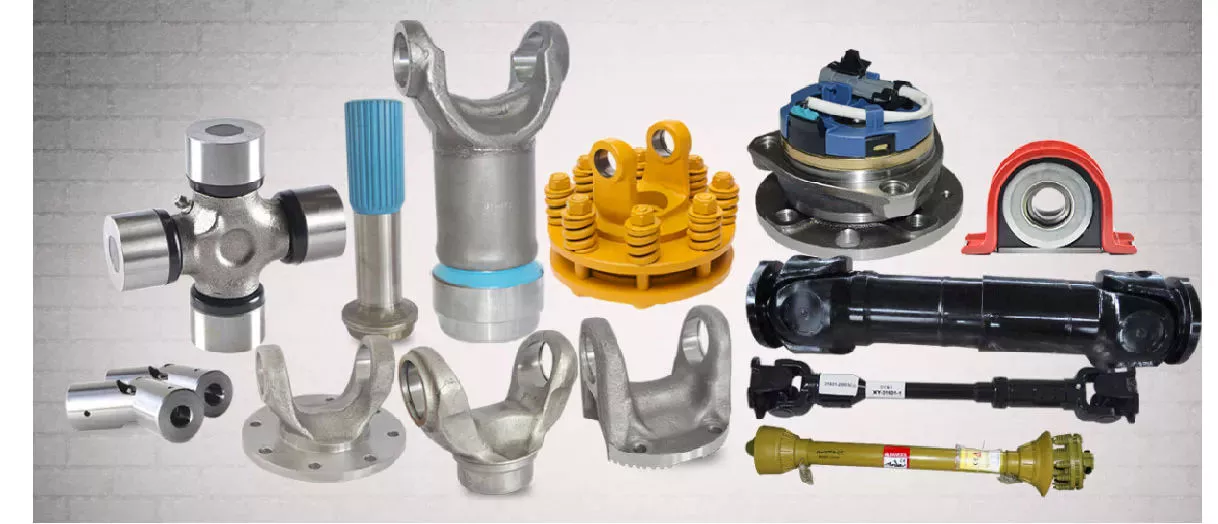
What factors should be considered when selecting the right drive shaft for an application?
When selecting the right drive shaft for an application, several factors need to be considered. The choice of drive shaft plays a crucial role in ensuring efficient and reliable power transmission. Here are the key factors to consider:
1. Power and Torque Requirements:
The power and torque requirements of the application are essential considerations. It is crucial to determine the maximum torque that the drive shaft will need to transmit without failure or excessive deflection. This includes evaluating the power output of the engine or power source, as well as the torque demands of the driven components. Selecting a drive shaft with the appropriate diameter, material strength, and design is essential to ensure it can handle the expected torque levels without compromising performance or safety.
2. Operating Speed:
The operating speed of the drive shaft is another critical factor. The rotational speed affects the dynamic behavior of the drive shaft, including the potential for vibration, resonance, and critical speed limitations. It is important to choose a drive shaft that can operate within the desired speed range without encountering excessive vibrations or compromising the structural integrity. Factors such as the material properties, balance, and critical speed analysis should be considered to ensure the drive shaft can handle the required operating speed effectively.
3. Length and Alignment:
The length and alignment requirements of the application must be considered when selecting a drive shaft. The distance between the engine or power source and the driven components determines the required length of the drive shaft. In situations where there are significant variations in length or operating angles, telescopic drive shafts or multiple drive shafts with appropriate couplings or universal joints may be necessary. Proper alignment of the drive shaft is crucial to minimize vibrations, reduce wear and tear, and ensure efficient power transmission.
4. Space Limitations:
The available space within the application is an important factor to consider. The drive shaft must fit within the allocated space without interfering with other components or structures. It is essential to consider the overall dimensions of the drive shaft, including length, diameter, and any additional components such as joints or couplings. In some cases, custom or compact drive shaft designs may be required to accommodate space limitations while maintaining adequate power transmission capabilities.
5. Environmental Conditions:
The environmental conditions in which the drive shaft will operate should be evaluated. Factors such as temperature, humidity, corrosive agents, and exposure to contaminants can impact the performance and lifespan of the drive shaft. It is important to select materials and coatings that can withstand the specific environmental conditions to prevent corrosion, degradation, or premature failure of the drive shaft. Special considerations may be necessary for applications exposed to extreme temperatures, water, chemicals, or abrasive substances.
6. Application Type and Industry:
The specific application type and industry requirements play a significant role in drive shaft selection. Different industries, such as automotive, aerospace, industrial machinery, agriculture, or marine, have unique demands that need to be addressed. Understanding the specific needs and operating conditions of the application is crucial in determining the appropriate drive shaft design, materials, and performance characteristics. Compliance with industry standards and regulations may also be a consideration in certain applications.
7. Maintenance and Serviceability:
The ease of maintenance and serviceability should be taken into account. Some drive shaft designs may require periodic inspection, lubrication, or replacement of components. Considering the accessibility of the drive shaft and associated maintenance requirements can help minimize downtime and ensure long-term reliability. Easy disassembly and reassembly of the drive shaft can also be beneficial for repair or component replacement.
By carefully considering these factors, one can select the right drive shaft for an application that meets the power transmission needs, operating conditions, and durability requirements, ultimately ensuring optimal performance and reliability.
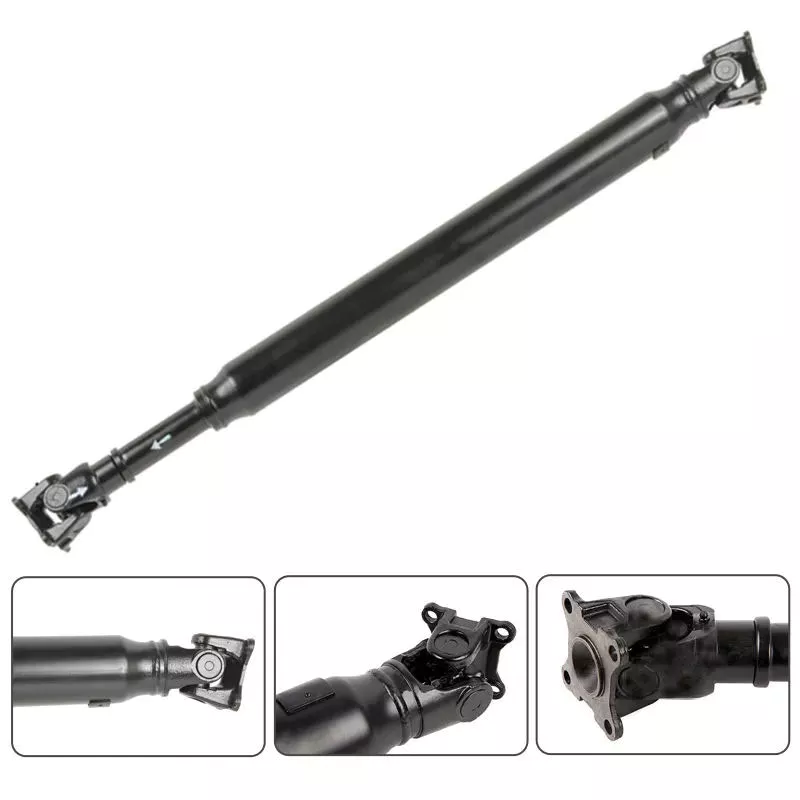
Trục truyền động có thể được tùy chỉnh cho phù hợp với yêu cầu cụ thể của từng loại xe hoặc thiết bị không?
Đúng vậy, trục truyền động có thể được tùy chỉnh để đáp ứng các yêu cầu cụ thể của xe hoặc thiết bị. Việc tùy chỉnh cho phép các nhà sản xuất điều chỉnh thiết kế, kích thước, vật liệu và các thông số khác của trục truyền động để đảm bảo tính tương thích và hiệu suất tối ưu trong một loại xe hoặc thiết bị cụ thể. Dưới đây là giải thích chi tiết về cách trục truyền động có thể được tùy chỉnh:
1. Tùy chỉnh kích thước:
Trục truyền động có thể được tùy chỉnh để phù hợp với các yêu cầu về kích thước của xe hoặc thiết bị. Điều này bao gồm điều chỉnh chiều dài tổng thể, đường kính và cấu hình răng cưa để đảm bảo sự lắp đặt và khe hở phù hợp trong ứng dụng cụ thể. Bằng cách tùy chỉnh kích thước, trục truyền động có thể được tích hợp liền mạch vào hệ thống truyền động mà không gây ra bất kỳ sự cản trở hoặc hạn chế nào.
2. Lựa chọn vật liệu:
Việc lựa chọn vật liệu cho trục truyền động có thể được tùy chỉnh dựa trên các yêu cầu cụ thể của xe hoặc thiết bị. Có thể chọn các vật liệu khác nhau, chẳng hạn như hợp kim thép, hợp kim nhôm hoặc vật liệu composite chuyên dụng, để tối ưu hóa độ bền, trọng lượng và độ bền lâu dài. Việc lựa chọn vật liệu có thể được điều chỉnh để đáp ứng mô-men xoắn, tốc độ và điều kiện hoạt động của ứng dụng, đảm bảo độ tin cậy và tuổi thọ của trục truyền động.
3. Cấu hình khớp nối:
Trục truyền động có thể được tùy chỉnh với các cấu hình khớp khác nhau để phù hợp với các yêu cầu cụ thể của xe hoặc thiết bị. Ví dụ, khớp vạn năng (khớp chữ U) có thể phù hợp cho các ứng dụng có góc vận hành nhỏ hơn và nhu cầu mô-men xoắn vừa phải, trong khi khớp đồng tốc (CV) thường được sử dụng trong các ứng dụng yêu cầu góc vận hành lớn hơn và truyền tải năng lượng mượt mà hơn. Việc lựa chọn cấu hình khớp phụ thuộc vào các yếu tố như góc vận hành, khả năng chịu mô-men xoắn và đặc tính hiệu suất mong muốn.
4. Mô-men xoắn và công suất:
Việc tùy chỉnh cho phép thiết kế trục truyền động với mô-men xoắn và công suất phù hợp cho từng loại xe hoặc thiết bị cụ thể. Các nhà sản xuất có thể phân tích yêu cầu về mô-men xoắn, điều kiện hoạt động và biên độ an toàn của ứng dụng để xác định mức mô-men xoắn và công suất tối ưu của trục truyền động. Điều này đảm bảo rằng trục truyền động có thể xử lý các tải trọng cần thiết mà không gặp phải sự cố hỏng hóc sớm hoặc các vấn đề về hiệu suất.
5. Cân bằng và kiểm soát rung động:
Trục truyền động có thể được tùy chỉnh với các biện pháp cân bằng chính xác và kiểm soát rung động. Sự mất cân bằng trong trục truyền động có thể dẫn đến rung động, tăng mài mòn và các vấn đề tiềm ẩn về hệ thống truyền động. Bằng cách áp dụng các kỹ thuật cân bằng động trong quá trình sản xuất, các nhà sản xuất có thể giảm thiểu rung động và đảm bảo hoạt động trơn tru. Ngoài ra, các bộ giảm chấn rung động hoặc hệ thống cách ly có thể được tích hợp vào thiết kế trục truyền động để giảm thiểu rung động hơn nữa và nâng cao hiệu suất tổng thể của hệ thống.
6. Các yếu tố cần cân nhắc khi tích hợp và lắp đặt:
Việc tùy chỉnh trục truyền động tính đến các yêu cầu tích hợp và lắp đặt của từng loại xe hoặc thiết bị cụ thể. Các nhà sản xuất hợp tác chặt chẽ với các nhà thiết kế xe hoặc thiết bị để đảm bảo trục truyền động khớp hoàn hảo với hệ thống truyền động. Điều này bao gồm việc điều chỉnh các điểm lắp đặt, giao diện và khe hở để đảm bảo sự thẳng hàng và lắp đặt chính xác trục truyền động bên trong xe hoặc thiết bị.
7. Hợp tác và phản hồi:
Các nhà sản xuất thường hợp tác với các nhà sản xuất xe, các nhà sản xuất thiết bị gốc (OEM) hoặc người dùng cuối để thu thập phản hồi và kết hợp các yêu cầu cụ thể của họ vào quy trình tùy chỉnh trục truyền động. Bằng cách chủ động tìm kiếm ý kiến đóng góp và phản hồi, các nhà sản xuất có thể đáp ứng các nhu cầu cụ thể, tối ưu hóa hiệu suất và đảm bảo tính tương thích với xe hoặc thiết bị. Cách tiếp cận hợp tác này giúp nâng cao quy trình tùy chỉnh và tạo ra các trục truyền động đáp ứng chính xác các yêu cầu của ứng dụng.
8. Tuân thủ các tiêu chuẩn:
Trục truyền động tùy chỉnh có thể được thiết kế để tuân thủ các tiêu chuẩn và quy định liên quan của ngành. Việc tuân thủ các tiêu chuẩn, chẳng hạn như ISO (Tổ chức Tiêu chuẩn hóa Quốc tế) hoặc các tiêu chuẩn ngành cụ thể, đảm bảo rằng các trục truyền động tùy chỉnh đáp ứng các yêu cầu về chất lượng, an toàn và hiệu suất. Tuân thủ các tiêu chuẩn này đảm bảo rằng các trục truyền động tương thích và có thể được tích hợp liền mạch vào xe hoặc thiết bị cụ thể.
Tóm lại, trục truyền động có thể được tùy chỉnh để đáp ứng các yêu cầu cụ thể của xe hoặc thiết bị thông qua việc tùy chỉnh kích thước, lựa chọn vật liệu, cấu hình khớp nối, tối ưu hóa mô-men xoắn và công suất, cân bằng và kiểm soát rung động, xem xét tích hợp và lắp đặt, hợp tác với các bên liên quan và tuân thủ các tiêu chuẩn ngành. Việc tùy chỉnh cho phép trục truyền động được thiết kế chính xác theo nhu cầu của ứng dụng, đảm bảo tính tương thích, độ tin cậy và hiệu suất tối ưu.

What is a drive shaft and how does it function in vehicles and machinery?
A drive shaft, also known as a propeller shaft or prop shaft, is a mechanical component that plays a critical role in transmitting rotational power from the engine to the wheels or other driven components in vehicles and machinery. It is commonly used in various types of vehicles, including cars, trucks, motorcycles, and agricultural or industrial machinery. Here’s a detailed explanation of what a drive shaft is and how it functions:
1. Definition and Construction: A drive shaft is a cylindrical metal tube that connects the engine or power source to the wheels or driven components. It is typically made of steel or aluminum and consists of one or more tubular sections with universal joints (U-joints) at each end. These U-joints allow for angular movement and compensation of misalignment between the engine/transmission and the driven wheels or components.
2. Power Transmission: The primary function of a drive shaft is to transmit rotational power from the engine or power source to the wheels or driven components. In vehicles, the drive shaft connects the transmission or gearbox output shaft to the differential, which then transfers power to the wheels. In machinery, the drive shaft transfers power from the engine or motor to various driven components such as pumps, generators, or other mechanical systems.
3. Torque and Speed: The drive shaft is responsible for transmitting both torque and rotational speed. Torque is the rotational force generated by the engine or power source, while rotational speed is the number of revolutions per minute (RPM). The drive shaft must be capable of transmitting the required torque without excessive twisting or bending and maintaining the desired rotational speed for efficient operation of the driven components.
4. Khớp nối linh hoạt: The U-joints on the drive shaft provide a flexible coupling that allows for angular movement and compensation of misalignment between the engine/transmission and the driven wheels or components. As the suspension system of a vehicle moves or the machinery operates on uneven terrain, the drive shaft can adjust its length and angle to accommodate these movements, ensuring smooth power transmission and preventing damage to the drivetrain components.
5. Length and Balance: The length of the drive shaft is determined by the distance between the engine or power source and the driven wheels or components. It should be appropriately sized to ensure proper power transmission and avoid excessive vibrations or bending. Additionally, the drive shaft is carefully balanced to minimize vibrations and rotational imbalances, which can cause discomfort, reduce efficiency, and lead to premature wear of drivetrain components.
6. Safety Considerations: Drive shafts in vehicles and machinery require proper safety measures. In vehicles, drive shafts are often enclosed within a protective tube or housing to prevent contact with moving parts and reduce the risk of injury in the event of a malfunction or failure. Additionally, safety shields or guards are commonly installed around exposed drive shafts in machinery to protect operators from potential hazards associated with rotating components.
7. Maintenance and Inspection: Regular maintenance and inspection of drive shafts are essential to ensure their proper functioning and longevity. This includes checking for signs of wear, damage, or excessive play in the U-joints, inspecting the drive shaft for any cracks or deformations, and lubricating the U-joints as recommended by the manufacturer. Proper maintenance helps prevent failures, ensures optimal performance, and prolongs the service life of the drive shaft.
In summary, a drive shaft is a mechanical component that transmits rotational power from the engine or power source to the wheels or driven components in vehicles and machinery. It functions by providing a rigid connection between the engine/transmission and the driven wheels or components, while also allowing for angular movement and compensation of misalignment through the use of U-joints. The drive shaft plays a crucial role in power transmission, torque and speed delivery, flexible coupling, length and balance considerations, safety, and maintenance requirements. Its proper functioning is essential for the smooth and efficient operation of vehicles and machinery.


editor by CX 2024-04-11

























