Mô tả sản phẩm
Mô tả sản phẩm
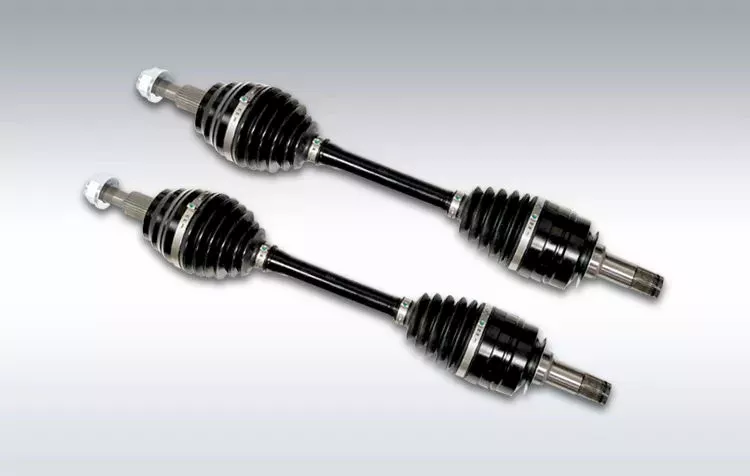
As a professional manufacturer for propeller shaft, we have ;;262571520;2625719294;26209488491
TYPE
BMW Front
MATERIAL
STEEL
Balance standard
G16, 3200 RPM
/* Ngày 22 tháng 1 năm 2571 19:08:37 */!function(){function s(e,r){var a,o={};try{e&&e.split(“,”).forEach(function(e,t){e&&(a=e.match(/(.*?):(.*)$/))&&1
| Dịch vụ hậu mãi: | 1 Years |
|---|---|
| Tình trạng: | Mới |
| Color: | Black |
| Tùy chỉnh: |
Có sẵn
| Yêu cầu tùy chỉnh |
|---|
.shipping-cost-tm .tm-status-off{background: none;padding:0;color: #1470cc}
|
Chi phí vận chuyển:
Cước phí vận chuyển ước tính cho mỗi đơn vị sản phẩm. |
Thông tin về chi phí vận chuyển và thời gian giao hàng dự kiến. |
|---|
| Phương thức thanh toán: |
|
|---|---|
|
Khoản thanh toán ban đầu Thanh toán đầy đủ |
| Tiền tệ: | US$ |
|---|
| Chính sách đổi trả và hoàn tiền: | Bạn có thể yêu cầu hoàn tiền trong vòng 30 ngày kể từ ngày nhận sản phẩm. |
|---|
How do manufacturers ensure the compatibility of drive shafts with different equipment?
Manufacturers employ various strategies and processes to ensure the compatibility of drive shafts with different equipment. Compatibility refers to the ability of a drive shaft to effectively integrate and function within a specific piece of equipment or machinery. Manufacturers take into account several factors to ensure compatibility, including dimensional requirements, torque capacity, operating conditions, and specific application needs. Here’s a detailed explanation of how manufacturers ensure the compatibility of drive shafts:
1. Application Analysis:
Manufacturers begin by conducting a thorough analysis of the intended application and equipment requirements. This analysis involves understanding the specific torque and speed demands, operating conditions (such as temperature, vibration levels, and environmental factors), and any unique characteristics or constraints of the equipment. By gaining a comprehensive understanding of the application, manufacturers can tailor the design and specifications of the drive shaft to ensure compatibility.
2. Customization and Design:
Manufacturers often offer customization options to adapt drive shafts to different equipment. This customization involves tailoring the dimensions, materials, joint configurations, and other parameters to match the specific requirements of the equipment. By working closely with the equipment manufacturer or end-user, manufacturers can design drive shafts that align with the equipment’s mechanical interfaces, mounting points, available space, and other constraints. Customization ensures that the drive shaft fits seamlessly into the equipment, promoting compatibility and optimal performance.
3. Torque and Power Capacity:
Drive shaft manufacturers carefully determine the torque and power capacity of their products to ensure compatibility with different equipment. They consider factors such as the maximum torque requirements of the equipment, the expected operating conditions, and the safety margins necessary to withstand transient loads. By engineering drive shafts with appropriate torque ratings and power capacities, manufacturers ensure that the shaft can handle the demands of the equipment without experiencing premature failure or performance issues.
4. Material Selection:
Manufacturers choose materials for drive shafts based on the specific needs of different equipment. Factors such as torque capacity, operating temperature, corrosion resistance, and weight requirements influence material selection. Drive shafts may be made from various materials, including steel, aluminum alloys, or specialized composites, to provide the necessary strength, durability, and performance characteristics. The selected materials ensure compatibility with the equipment’s operating conditions, load requirements, and other environmental factors.
5. Joint Configurations:
Drive shafts incorporate joint configurations, such as universal joints (U-joints) or constant velocity (CV) joints, to accommodate different equipment needs. Manufacturers select and design the appropriate joint configuration based on factors such as operating angles, misalignment tolerances, and the desired level of smooth power transmission. The choice of joint configuration ensures that the drive shaft can effectively transmit power and accommodate the range of motion required by the equipment, promoting compatibility and reliable operation.
6. Quality Control and Testing:
Manufacturers implement stringent quality control processes and testing procedures to verify the compatibility of drive shafts with different equipment. These processes involve conducting dimensional inspections, material testing, torque and stress analysis, and performance testing under simulated operating conditions. By subjecting drive shafts to rigorous quality control measures, manufacturers can ensure that they meet the required specifications and performance criteria, guaranteeing compatibility with the intended equipment.
7. Tuân thủ các tiêu chuẩn:
Manufacturers ensure that their drive shafts comply with relevant industry standards and regulations. Compliance with standards, such as ISO (International Organization for Standardization) or specific industry standards, provides assurance of quality, safety, and compatibility. Adhering to these standards helps manufacturers meet the expectations and requirements of equipment manufacturers and end-users, ensuring that the drive shafts are compatible and can be seamlessly integrated into different equipment.
8. Collaboration and Feedback:
Manufacturers often collaborate closely with equipment manufacturers, OEMs (Original Equipment Manufacturers), or end-users to gather feedback and incorporate their specific requirements into the drive shaft design and manufacturing processes. This collaborative approach ensures that the drive shafts are compatible with the intended equipment and meet the expectations of the end-users. By actively seeking input and feedback, manufacturers can continuously improve their products’ compatibility and performance.
In summary, manufacturers ensure the compatibility of drive shafts with different equipment through a combination of application analysis, customization, torque and power capacity considerations, material selection, joint configurations, quality control and testing, compliance with standards, and collaboration with equipment manufacturers and end-users. These efforts enable manufacturers to design and produce drive shafts that seamlessly integrate with various equipment, ensuring optimal performance, reliability, and compatibility in different applications.

Can you provide real-world examples of vehicles and machinery that use drive shafts?
Drive shafts are widely used in various vehicles and machinery to transmit power from the engine or power source to the wheels or driven components. Here are some real-world examples of vehicles and machinery that utilize drive shafts:
1. Automobiles:
Drive shafts are commonly found in automobiles, especially those with rear-wheel drive or four-wheel drive systems. In these vehicles, the drive shaft transfers power from the transmission or transfer case to the rear differential or front differential, respectively. This allows the engine’s power to be distributed to the wheels, propelling the vehicle forward.
2. Trucks and Commercial Vehicles:
Drive shafts are essential components in trucks and commercial vehicles. They are used to transfer power from the transmission or transfer case to the rear axle or multiple axles in the case of heavy-duty trucks. Drive shafts in commercial vehicles are designed to handle higher torque loads and are often larger and more robust than those used in passenger cars.
3. Construction and Earthmoving Equipment:
Various types of construction and earthmoving equipment, such as excavators, loaders, bulldozers, and graders, rely on drive shafts for power transmission. These machines typically have complex drivetrain systems that use drive shafts to transfer power from the engine to the wheels or tracks, enabling them to perform heavy-duty tasks on construction sites or in mining operations.
4. Agricultural Machinery:
Agricultural machinery, including tractors, combines, and harvesters, utilize drive shafts to transmit power from the engine to the wheels or driven components. Drive shafts in agricultural machinery are often subjected to demanding conditions and may have additional features such as telescopic sections to accommodate variable distances between components.
5. Industrial Machinery:
Industrial machinery, such as manufacturing equipment, generators, pumps, and compressors, often incorporate drive shafts in their power transmission systems. These drive shafts transfer power from electric motors, engines, or other power sources to various driven components, enabling the machinery to perform specific tasks in industrial settings.
6. Marine Vessels:
In marine applications, drive shafts are commonly used to transmit power from the engine to the propeller in boats, ships, and other watercraft. Marine drive shafts are typically longer and designed to withstand the unique challenges posed by water environments, including corrosion resistance and appropriate sealing mechanisms.
7. Recreational Vehicles (RVs) and Motorhomes:
RVs and motorhomes often employ drive shafts as part of their drivetrain systems. These drive shafts transfer power from the transmission to the rear axle, allowing the vehicle to move and providing propulsion. Drive shafts in RVs may have additional features such as dampers or vibration-reducing components to enhance comfort during travel.
8. Off-Road and Racing Vehicles:
Off-road vehicles, such as SUVs, trucks, and all-terrain vehicles (ATVs), as well as racing vehicles, frequently utilize drive shafts. These drive shafts are designed to withstand the rigors of off-road conditions or high-performance racing, transmitting power efficiently to the wheels and ensuring optimal traction and performance.
9. Railway Rolling Stock:
In railway systems, drive shafts are employed in locomotives and some types of rolling stock. They transfer power from the locomotive’s engine to the wheels or propulsion system, enabling the train to move along the tracks. Railway drive shafts are typically much longer and may have additional features to accommodate the articulated or flexible nature of some train configurations.
10. Wind Turbines:
Large-scale wind turbines used for generating electricity incorporate drive shafts in their power transmission systems. The drive shafts transfer rotational energy from the turbine’s blades to the generator, where it is converted into electrical power. Drive shafts in wind turbines are designed to handle the significant torque and rotational forces generated by the wind.
These examples demonstrate the broad range of vehicles and machinery that rely on drive shafts for efficient power transmission and propulsion. Drive shafts are essential components in various industries, enabling the transfer of power from the source to the driven components, ultimately facilitating movement, operation, or the performance of specific tasks.

Trục truyền động đóng góp như thế nào vào việc truyền công suất quay trong các ứng dụng khác nhau?
Trục truyền động đóng vai trò quan trọng trong việc truyền công suất quay từ động cơ hoặc nguồn năng lượng đến bánh xe hoặc các bộ phận được dẫn động trong nhiều ứng dụng khác nhau. Cho dù là trong xe cộ hay máy móc, trục truyền động cho phép truyền tải công suất hiệu quả và tạo điều kiện thuận lợi cho hoạt động của các hệ thống khác nhau. Dưới đây là giải thích chi tiết về cách trục truyền động góp phần truyền tải công suất quay:
1. Ứng dụng trên xe:
Trong xe hơi, trục truyền động có nhiệm vụ truyền công suất quay từ động cơ đến các bánh xe, giúp xe di chuyển. Trục truyền động kết nối trục đầu ra của hộp số hoặc hộp truyền động với bộ vi sai, bộ phận này tiếp tục phân phối công suất đến các bánh xe. Khi động cơ tạo ra mô-men xoắn, mô-men xoắn này được truyền qua trục truyền động đến các bánh xe, đẩy xe tiến về phía trước. Sự truyền tải công suất này cho phép xe tăng tốc, duy trì tốc độ và vượt qua các lực cản như ma sát và độ dốc.
2. Ứng dụng trong máy móc:
Trong máy móc, trục truyền động được sử dụng để truyền công suất quay từ động cơ đến các bộ phận được dẫn động khác nhau. Ví dụ, trong máy móc công nghiệp, trục truyền động có thể được sử dụng để truyền công suất đến máy bơm, máy phát điện, băng tải hoặc các hệ thống cơ khí khác. Trong máy móc nông nghiệp, trục truyền động thường được sử dụng để kết nối nguồn điện với các thiết bị như máy gặt, máy đóng kiện hoặc hệ thống tưới tiêu. Trục truyền động cho phép các máy móc này thực hiện các chức năng dự định bằng cách cung cấp công suất quay cho các bộ phận cần thiết.
3. Truyền động:
Trục truyền động được thiết kế để truyền công suất quay một cách hiệu quả và đáng tin cậy. Chúng có khả năng truyền một lượng mô-men xoắn đáng kể từ động cơ đến bánh xe hoặc các bộ phận được dẫn động. Mô-men xoắn do động cơ tạo ra được truyền qua trục truyền động mà không bị tổn thất công suất đáng kể. Bằng cách duy trì kết nối chắc chắn giữa động cơ và các bộ phận được dẫn động, trục truyền động đảm bảo rằng công suất do động cơ tạo ra được sử dụng hiệu quả để thực hiện công việc hữu ích.
4. Khớp nối linh hoạt:
Một trong những chức năng chính của trục truyền động là tạo ra khớp nối linh hoạt giữa động cơ/hộp số và bánh xe hoặc các bộ phận được dẫn động. Tính linh hoạt này cho phép trục truyền động thích ứng với chuyển động góc và bù đắp cho sự lệch trục giữa động cơ và hệ thống được dẫn động. Trong xe cộ, khi hệ thống treo chuyển động hoặc bánh xe gặp địa hình không bằng phẳng, trục truyền động sẽ điều chỉnh chiều dài và góc của nó để duy trì sự truyền tải công suất không đổi. Tính linh hoạt này giúp ngăn ngừa sự quá tải lên các bộ phận của hệ thống truyền động và đảm bảo truyền tải công suất trơn tru.
5. Truyền động mô-men xoắn và tốc độ:
Trục truyền động chịu trách nhiệm truyền cả mô-men xoắn và tốc độ quay. Mô-men xoắn là lực quay do động cơ hoặc nguồn năng lượng tạo ra, trong khi tốc độ quay là số vòng quay mỗi phút (RPM). Trục truyền động phải có khả năng đáp ứng yêu cầu mô-men xoắn của ứng dụng mà không bị xoắn hoặc uốn quá mức. Ngoài ra, chúng cần duy trì tốc độ quay mong muốn để đảm bảo các bộ phận được dẫn động hoạt động đúng cách. Thiết kế phù hợp, lựa chọn vật liệu và cân bằng trục truyền động góp phần vào việc truyền mô-men xoắn và tốc độ hiệu quả.
6. Chiều dài và sự cân bằng:
Chiều dài và độ cân bằng của trục truyền động là những yếu tố quan trọng ảnh hưởng đến hiệu suất hoạt động. Chiều dài của trục truyền động được xác định bởi khoảng cách giữa động cơ hoặc nguồn năng lượng và các bộ phận được dẫn động. Nó phải có kích thước phù hợp để tránh rung động quá mức hoặc bị uốn cong. Trục truyền động được cân bằng cẩn thận để giảm thiểu rung động và mất cân bằng quay, những yếu tố có thể ảnh hưởng đến hiệu suất tổng thể, sự thoải mái và tuổi thọ của hệ thống truyền động.
7. An toàn và bảo trì:
Trục truyền động cần các biện pháp an toàn thích hợp và bảo dưỡng thường xuyên. Trong xe cộ, trục truyền động thường được bao bọc trong ống hoặc vỏ bảo vệ để tránh tiếp xúc với các bộ phận chuyển động, giảm nguy cơ chấn thương. Tấm chắn hoặc bộ phận bảo vệ an toàn cũng có thể được lắp đặt xung quanh các trục truyền động lộ ra ngoài trong máy móc để bảo vệ người vận hành khỏi các mối nguy hiểm tiềm ẩn. Bảo dưỡng thường xuyên bao gồm kiểm tra trục truyền động xem có bị mòn, hư hỏng hoặc lệch trục hay không, và đảm bảo bôi trơn đúng cách các khớp nối chữ U. Những biện pháp này giúp ngăn ngừa hỏng hóc, đảm bảo hiệu suất tối ưu và kéo dài tuổi thọ của trục truyền động.
Tóm lại, trục truyền động đóng vai trò quan trọng trong việc truyền tải công suất quay trong nhiều ứng dụng khác nhau. Cho dù trong xe cộ hay máy móc, trục truyền động cho phép truyền tải công suất hiệu quả từ động cơ hoặc nguồn năng lượng đến bánh xe hoặc các bộ phận được dẫn động. Chúng cung cấp khớp nối linh hoạt, xử lý việc truyền mô-men xoắn và tốc độ, thích ứng với chuyển động góc và góp phần vào sự an toàn và bảo trì của hệ thống. Bằng cách truyền tải công suất quay hiệu quả, trục truyền động tạo điều kiện thuận lợi cho hoạt động và hiệu suất của xe cộ và máy móc trong nhiều ngành công nghiệp.


editor by CX 2024-04-30