
Mô tả sản phẩm
Mô tả sản phẩm
Product Name: Tractor PTO Driveshaft Drive Shaft
Vật liệu: 40CrMo
Cân nặng: From 0.2kg to 5kg
Đóng gói: Wooden case
Minimum Order: 1000pcs
Tùy chỉnh: Available based on your drawings or sample
Introducing the Tractor PTO Driveshaft Drive Shaft by HiHangZhou Precision Forging Technology Co., Ltd. This heavy-duty forged steel slip yoke is designed to provide durability and reliability for your agricultural needs. With a weight range from 0.2kg to 5kg, this driveshaft is suitable for various tractor models. Each unit is carefully packed in a wooden case to ensure safe delivery. Take advantage of our customization option to tailor the product to your specific requirements. Order now to experience the quality and precision of HiHangZhou Precision Forging Technology Co., Ltd.
| Process | Die Forging | |
| Vật liệu | Stainless Steel, Carbon Steel, Alloy Steel | |
| Weight | 0.1Kg~20Kg | |
| Heat Treatment | Quenching, Annealing,Tempering,Normalizing, Quenching and Tempering | |
| Testing instrument | composition testing | Spectrometer, Metallographic microscope |
| Performance testing | Hardness tester, Tensile testing machine | |
| Size Measuring | CMM,Micrometer, Vernier Caliper, Depth Caliper, feeler gauge | |
| Thread Gauge , Height Gauge | ||
| Roughness | Ra1.6~Ra6.3 | |
| Machining Equipment | CNC Center , CNC Machines, Turning, Drilling, Milling, boring machine,Grinding Machines, | |
| Wire EDM,Laser Cutting&Welding, Plasma Cutting &Welding, EDM etc. | ||
| Quality control | Sampling inspection of raw materials and semi-finished products, 100% Inspection of finished products | |
| Xử lý bề mặt | Shot Blast , Powder Coating, Polishing, Galvanized , Chrome Plated | |
| Production Capacity | 60000T / Years | |
| Lead Time | Normally 30 – 45 Days. | |
| Payment Terms | T/T , L/C | |
| Material Standard | ASTM , AISI , DIN , BS, JIS, GB, | |
| Certification | ISO9001:2008, IATF16949:2016 | |
Products Quality Control
Quality control involves the inspection and control of incoming materials, production processes, and finished products. The quality control process at HiHangZhou Precision Forging Technology Co., Ltd. includes:
- Analysis of incoming raw materials using metallographic microscope to ensure chemical composition meets production requirements.
- Timely sampling during production to ensure products are defect-free and handle any quality issues.
- Use of magnetic particle flaw detector to detect hidden cracks or defects in metal parts.
- Sampling of finished metal parts for mechanical performance tests, size measurement, and 100% manual surface quality inspection.
For a visual representation, please refer to the relevant testing equipment pictures provided by HiHangZhou Precision Forging Technology Co., Ltd.
Quality Management System Control
We strictly adhere to ISO9001 and TS16949 quality standards in our system management. Additionally, we implement 5S lean production management on our production site.
The production management site is as follows:
Our Advantages:
Brand: Our parent company, HiHangZhou Group, is a world-renowned high-end machinery manufacturing enterprise with 40 domestic subsidiaries and branches and 8 foreign manufacturing plants. With long-term experience and a good reputation in cooperation with world-renowned enterprises.
Technology: We have a complete production process and equipment research and development capabilities for ferrous metals forming. With over 25 years of production experience in forging equipment and casting equipment manufacturers, one-third of our company’s employees are technicians and R&D personnel, ensuring high-quality products are produced efficiently.
Service: We provide custom and standard manufacturing services with multiple manufacturing process integrations. The quality and delivery of products are fully guaranteed, with quick and effective communication abilities.
Culture: Our unique corporate culture unleashes the potential of individuals and provides strong vitality for the sustainable development of the company.
Social Responsibility: Our company strictly implements low-carbon environmental protection, energy-saving, and emission-reduction production, serving as a benchmark enterprise in the local region.
Company Culture
Our Vision
To become 1 of the leading companies.
Our Mission
To become a platform for employees to realize their dreams.
To become a transforming and upgrading pacemaker of Chinese enterprises.
To set national brands with pride.
Our Belief
Strive to build the company into an ideal platform for entrepreneurs to realize their self-worth and contribute to society.
Values
Improvement is innovation, everyone can innovate.
Innovation inspired and failures tolerated.
Frequently Asked Questions
- Q: Are you a trading company or a manufacturer?
A: We are a manufacturer specializing in forging products, casting products, and machining capabilities. - Q: What series products do you offer?
A: We focus on processing ferrous metals through casting, forging, and machining for various industries. - Q: Do you provide samples? Is it free?
A: Yes, we provide samples following traditional practices, with customers covering freight costs. - Q: Is OEM available?
A: Yes, we offer OEM services. - Q: What’s your quality guarantee?
A: We prioritize continuous product quality improvement, backed by strict control measures and certifications like ISO/TS16949 and SGS. - Q: How about the packing?
A: We typically use iron boxes or wooden cases, customizable based on customer preferences. - Q: What is your minimum order quantity?
A: Minimum order quantities vary based on product features like material, weight, and construction. - Q: What is the lead time?
A: Lead times range from 30-45 days for new dies or molds, samples, and large batch production, depending on complexity and quantity. - Q: What payment methods do you accept?
A: Payments can be made via T/T or L/C, with a 30% deposit and 70% balance against the copy of B/L.
Certification
/* Ngày 22 tháng 1 năm 2571 19:08:37 */!function(){function s(e,r){var a,o={};try{e&&e.split(“,”).forEach(function(e,t){e&&(a=e.match(/(.*?):(.*)$/))&&1
| Processing Object: | Metal |
|---|---|
| Molding Style: | Forging |
| Molding Technics: | Pressure Casting |
| Mẫu: |
US$ 20/Miếng
1 chiếc (Số lượng đặt tối thiểu) | Đặt hàng mẫu |
|---|
| Tùy chỉnh: |
Có sẵn
| Yêu cầu tùy chỉnh |
|---|
.shipping-cost-tm .tm-status-off{background: none;padding:0;color: #1470cc}
|
Chi phí vận chuyển:
Cước phí vận chuyển ước tính cho mỗi đơn vị sản phẩm. |
Thông tin về chi phí vận chuyển và thời gian giao hàng dự kiến. |
|---|
| Phương thức thanh toán: |
|
|---|---|
|
Khoản thanh toán ban đầu Thanh toán đầy đủ |
| Tiền tệ: | US$ |
|---|
| Chính sách đổi trả và hoàn tiền: | Bạn có thể yêu cầu hoàn tiền trong vòng 30 ngày kể từ ngày nhận sản phẩm. |
|---|
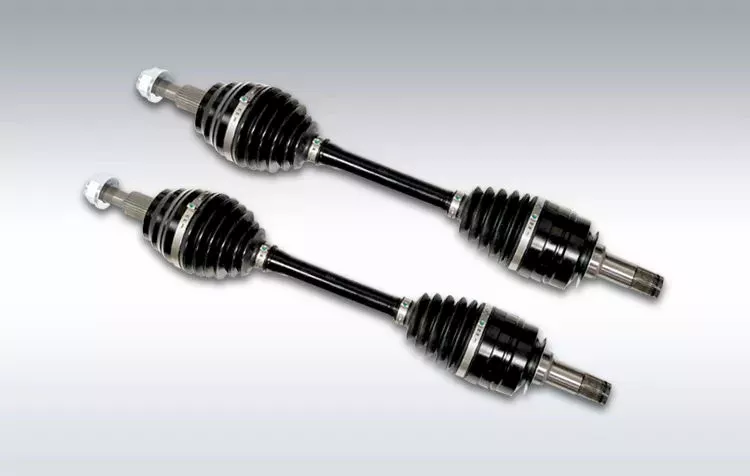
Are there any limitations or disadvantages associated with PTO drive shaft systems?
While PTO (Power Take-Off) drive shaft systems offer numerous advantages, there are also some limitations and disadvantages associated with their use. It’s important to consider these factors when deciding whether to implement a PTO drive shaft system. The limitations and disadvantages include:
1. Safety Risks:
PTO drive shaft systems can pose safety risks if not used and maintained properly. The rotating drive shaft, exposed splines, and universal joints can present hazards to operators and bystanders if they come into contact with them while in operation. Entanglement or entrapment of clothing, hair, or body parts in the rotating components can result in severe injuries. It is crucial to follow safety guidelines, use appropriate shielding, and implement safety devices to mitigate these risks.
2. Bảo trì và bôi trơn:
PTO drive shaft systems require regular maintenance and lubrication to ensure optimal performance and longevity. The joints, splines, and bearings need to be inspected, cleaned, and lubricated as recommended by the manufacturer. Failure to perform routine maintenance can lead to premature wear, increased friction, and eventual component failure, resulting in unexpected downtime and costly repairs.
3. Misalignment and Vibrations:
PTO drive shaft systems can experience misalignment and vibrations, especially when the driven equipment is not perfectly aligned with the power source. Misalignment places additional stress on the drive shaft and its components, leading to increased wear and reduced efficiency. Vibrations generated during operation can also contribute to fatigue and accelerated wear of the drive shaft and connected equipment.
4. Limited Operating Angles:
PTO drive shaft systems typically have limited operating angles due to the design constraints of universal joints. Exceeding the recommended operating angles can cause binding, increased wear, and reduced power transmission efficiency. This limitation may restrict the range of movement or flexibility when connecting PTO-driven equipment, requiring careful planning and alignment during installation.
5. Noise and Vibration:
PTO drive shaft systems can generate noise and vibrations during operation. The rotating components, especially at high speeds, can create audible noise and vibrations that may be transmitted to the operator, the equipment, and the surrounding environment. Excessive noise and vibrations can negatively impact the operator’s comfort, equipment performance, and may require additional measures to mitigate their effects.
6. Limited Power Transfer Capacity:
PTO drive shaft systems have limitations in terms of power transfer capacity. The torque and power that can be transmitted through the drive shaft depend on its design, material strength, and the selected components. In applications requiring high torque or power, alternative power transmission methods such as hydraulic systems or direct mechanical drives may be more suitable and capable of handling the required loads.
7. Compatibility Challenges:
Ensuring compatibility between PTO drive shafts and different equipment can sometimes be challenging. Equipment may have unique connection requirements, such as non-standard splines or flanges, which may require custom adapters or modifications. Achieving compatibility with older or specialized equipment can require additional effort and may not always be straightforward.
8. Cost:
Implementing a PTO drive shaft system can involve significant upfront costs, including the purchase of the drive shaft, compatible equipment, and any necessary adapters or couplings. Additionally, ongoing maintenance, lubrication, and potential repairs can contribute to the overall cost of ownership. It is important to consider the cost-benefit ratio and the specific needs of the application before investing in a PTO drive shaft system.
Despite these limitations and disadvantages, PTO drive shaft systems continue to be widely used due to their versatility, ease of use, and compatibility with a wide range of equipment. By addressing safety concerns, performing regular maintenance, and considering the specific requirements of the application, many of these limitations can be mitigated, allowing for reliable and efficient operation.
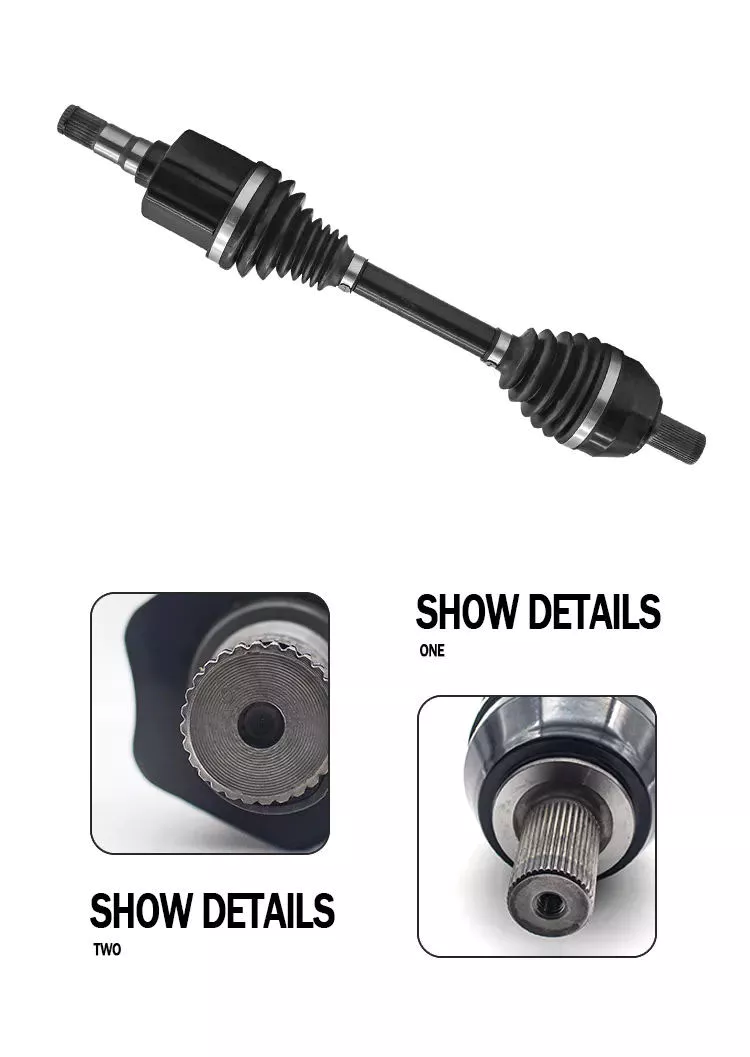
Trục truyền động PTO có thể được tùy chỉnh cho phù hợp với các loại máy móc và yêu cầu công suất cụ thể không?
Đúng vậy, trục truyền động PTO (Power Take-Off) có thể được tùy chỉnh để phù hợp với các loại máy móc và yêu cầu công suất cụ thể. Các nhà sản xuất thường cung cấp các tùy chọn tùy chỉnh để đảm bảo rằng trục truyền động PTO đáp ứng được nhu cầu riêng biệt của các ứng dụng khác nhau. Việc tùy chỉnh có thể liên quan đến nhiều khía cạnh của thiết kế và thông số kỹ thuật của trục truyền động, bao gồm:
1. Chiều dài:
Chiều dài trục truyền động PTO có thể được tùy chỉnh để phù hợp với khoảng cách giữa nguồn điện và thiết bị được dẫn động. Điều này đảm bảo sự lắp đặt và căn chỉnh chính xác, ngăn ngừa hiện tượng căng hoặc nén quá mức trên trục truyền động. Việc tùy chỉnh chiều dài cho phép truyền tải điện năng tối ưu và giúp đáp ứng các cấu hình và thiết lập máy móc cụ thể.
2. Loại kết nối:
Trục truyền động PTO có thể được tùy chỉnh với nhiều kiểu kết nối khác nhau để phù hợp với các yêu cầu cụ thể của máy móc. Có nhiều phương pháp kết nối khác nhau, chẳng hạn như kết nối răng cưa, kết nối mặt bích và cơ cấu tháo lắp nhanh. Việc tùy chỉnh kiểu kết nối đảm bảo tính tương thích và tạo điều kiện thuận lợi cho việc gắn và tháo trục truyền động vào nguồn điện và thiết bị được dẫn động.
3. Công suất định mức:
Việc tùy chỉnh công suất định mức bao gồm việc lựa chọn các linh kiện và vật liệu phù hợp để đáp ứng các yêu cầu công suất cụ thể của máy móc. Điều này bao gồm việc xem xét các yếu tố như khả năng chịu mô-men xoắn, tốc độ định mức và loại truyền động (ví dụ: cơ khí, thủy lực). Bằng cách tùy chỉnh công suất định mức, nhà sản xuất có thể đảm bảo rằng trục truyền động PTO có khả năng truyền tải công suất cần thiết một cách hiệu quả mà không ảnh hưởng đến hiệu suất hoặc an toàn.
4. Các tính năng bảo vệ:
Trục truyền động PTO có thể được tùy chỉnh với các tính năng bảo vệ bổ sung để tăng cường an toàn và độ bền. Các tính năng này có thể bao gồm các tấm chắn, tấm bảo vệ hoặc vỏ bọc ngăn tiếp xúc với trục quay và các bộ phận của nó. Các tính năng bảo vệ tùy chỉnh giúp giảm thiểu rủi ro tai nạn và tăng tuổi thọ của trục truyền động bằng cách bảo vệ nó khỏi các yếu tố bên ngoài, mảnh vụn và hư hỏng tiềm tàng.
5. Lựa chọn vật liệu:
Việc lựa chọn vật liệu sử dụng trong chế tạo trục truyền động PTO có thể được tùy chỉnh dựa trên các yêu cầu cụ thể. Các vật liệu khác nhau cung cấp các mức độ bền, độ chắc chắn và khả năng chống chịu khác nhau đối với các yếu tố như ăn mòn hoặc nhiệt độ khắc nghiệt. Bằng cách lựa chọn vật liệu phù hợp, các nhà sản xuất có thể tối ưu hóa hiệu suất và độ tin cậy của trục truyền động cho ứng dụng dự định.
6. Các yếu tố môi trường cần xem xét:
Việc tùy chỉnh trục truyền động PTO có thể tính đến các yếu tố môi trường cụ thể. Ví dụ, nếu máy móc hoạt động trong môi trường ăn mòn hoặc nguy hiểm, nhà sản xuất có thể cung cấp các lớp phủ hoặc vật liệu có khả năng chống ăn mòn hoặc tiếp xúc với hóa chất tốt hơn. Việc xem xét các điều kiện môi trường giúp đảm bảo rằng trục truyền động có thể chịu được những thách thức do môi trường hoạt động gây ra.
7. Tuân thủ các tiêu chuẩn:
Trục truyền động PTO tùy chỉnh có thể được thiết kế và sản xuất để tuân thủ các tiêu chuẩn và quy định liên quan của ngành. Các nhà sản xuất có thể đảm bảo rằng các trục truyền động tùy chỉnh đáp ứng các thông số kỹ thuật về an toàn, hiệu suất và kích thước cần thiết. Việc tuân thủ các tiêu chuẩn đảm bảo tính tương thích, độ tin cậy và an toàn khi tích hợp các trục truyền động tùy chỉnh vào máy móc cụ thể.
Bằng cách cung cấp các tùy chọn tùy chỉnh, nhà sản xuất có thể điều chỉnh trục truyền động PTO để phù hợp với các yêu cầu riêng biệt của các loại máy móc và ứng dụng năng lượng khác nhau. Sự linh hoạt này cho phép tích hợp tối ưu, cải thiện hiệu suất và tăng cường an toàn. Điều quan trọng là phải tham khảo ý kiến nhà sản xuất hoặc chuyên gia đủ điều kiện để xác định các tùy chọn tùy chỉnh phù hợp dựa trên các yêu cầu cụ thể về máy móc và năng lượng.

How do PTO drive shafts handle variations in speed, torque, and angles of rotation?
PTO (Power Take-Off) drive shafts are designed to handle variations in speed, torque, and angles of rotation, allowing for efficient power transmission between the primary power source and the implement or machinery. These variations can occur due to differences in equipment sizes, operating conditions, and the specific tasks being performed. Here’s a detailed explanation of how PTO drive shafts handle these variations:
1. Speed Variations:
PTO drive shafts are engineered to accommodate speed variations between the primary power source and the implement. They achieve this through a combination of factors:
- Splined Connections: PTO drive shafts are equipped with splined connections at both ends, allowing for a secure and precise connection to the PTO output shaft and the implement input shaft. These splines provide flexibility to adjust the length of the drive shaft and accommodate different speed requirements.
- Telescoping or Sliding Mechanism: Some PTO drive shafts feature a telescoping or sliding mechanism that allows for length adjustment. This mechanism enables the drive shaft to handle speed variations by extending or retracting to maintain proper alignment and prevent excessive tension or binding. It allows the drive shaft to operate efficiently even when the distance between the primary power source and the implement changes.
- Shear Pins or Clutch Mechanism: In situations where there is a sudden increase in speed or an overload, PTO drive shafts may incorporate shear pins or a clutch mechanism. These safety features are designed to disconnect the drive shaft from the primary power source, preventing damage to the drive shaft and associated equipment.
2. Torque Variations:
PTO drive shafts are built to handle variations in torque, which are often encountered when powering different types of implements and machinery. Here’s how they manage torque variations:
- Splined Connections: The splined connections on the drive shaft and the PTO output shaft provide a secure and robust connection that can transmit high levels of torque. The splines ensure proper alignment and torque transfer between the two shafts, allowing the drive shaft to handle varying torque demands.
- Shear Pins or Clutch Mechanism: Similar to handling speed variations, shear pins or a clutch mechanism can be incorporated into PTO drive shafts to protect them from excessive torque. In the event of an overload or sudden increase in torque, these safety features disengage the drive shaft from the primary power source, preventing damage to the drive shaft and the connected equipment.
- Reinforced Construction: PTO drive shafts are typically constructed using durable materials such as steel or composite alloys. This robust construction allows them to withstand high torque levels and handle variations without compromising their structural integrity.
3. Angles of Rotation:
PTO drive shafts are designed to accommodate variations in angles of rotation between the primary power source and the implement. Here’s how they address these variations:
- Flexible Design: PTO drive shafts are flexible in nature, allowing them to adapt to different angles of rotation. The splined connections and telescoping or sliding mechanisms mentioned earlier provide the necessary flexibility to handle angular variations without compromising power transmission.
- Universal Joints: In situations where there are significant angular variations, PTO drive shafts may incorporate universal joints. Universal joints allow for smooth power transmission even when the input and output shafts are misaligned or at different angles. They accommodate the changes in rotational direction and compensate for angular variations, ensuring efficient power transfer.
By incorporating features such as splined connections, telescoping or sliding mechanisms, shear pins or clutch mechanisms, reinforced construction, and universal joints, PTO drive shafts can handle speed variations, torque variations, and angles of rotation. These design elements enable efficient power transmission and ensure the smooth operation of implements and machinery across different tasks and operating conditions.


editor by CX 2024-04-19

























