
Mô tả sản phẩm
Mô tả sản phẩm
kubota tractor parts 3K061-8014-0 PTO shaft for sale
Detailed Photos
releater product :
Đóng gói & Vận chuyển
Hồ sơ công ty
HangZhou Shunyu Agricultural Machinery Co.,Ltd is specialized on
Tractors and Parts for YTO, CHINAMFG LOVOL, KUBOTA, YANMAR
Combine harvesters and Parts for WORLD, LOVOL, KUBOTA, YANMAR
And all the related rice machines Transplanters, seeders, threshers etc for example.
We can not put all of our products here, if you have any needs, Welcome to send us inquiry
And we will recommend for you.
Câu hỏi thường gặp
Q: What is the warranty of your agricultural machines?
A: 1 year guarantee for whole machine
Q: How long is your delivery time ?
A:Normally it takes 10-35 days to deliver after receiving your payment
Q: What is the payment term ?
A:T/T;Westorn union;Trade assurance and so on
Q: Is OEM or ODM service acceptable ?
A:Customized service is available,according to customer’s local filed condition
/* 10 tháng 3 năm 2571 17:59:20 */!function(){function s(e,r){var a,o={};try{e&&e.split(“,”).forEach(function(e,t){e&&(a=e.match(/(.*?):(.*)$/))&&1
| Kiểu: | Kubota Tractor Parts |
|---|---|
| Vật liệu: | Stainless Steel |
| Nguồn điện: | Dầu diesel |
| After-sales Service: | Online Support |
| Product Name: | Kubota Tractor Parts |
| Gói vận chuyển: | Standard Export Packing |
| Tùy chỉnh: |
Có sẵn
| Yêu cầu tùy chỉnh |
|---|
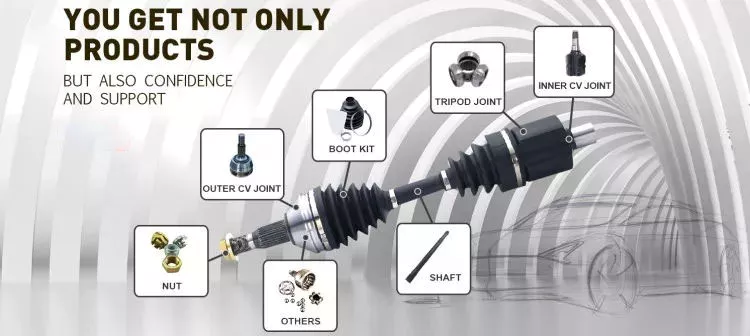
What factors should be considered when selecting the right PTO shaft for an application?
When selecting the right Power Take-Off (PTO) shaft for an application, several factors need to be considered to ensure optimal performance, safety, and compatibility. PTO shafts are crucial components that transmit power from a power source to driven machinery or equipment. Here are the key factors to consider when selecting the appropriate PTO shaft for an application:
1. Power Requirements: The power requirements of the driven machinery play a vital role in determining the appropriate PTO shaft. Consider the horsepower (HP) or kilowatt (kW) rating of the power source and ensure that the PTO shaft can handle the required power transmission. It is essential to match the power capacity of the PTO shaft with the power output of the power source to ensure efficient and reliable operation.
2. Speed and Torque Requirements: Consider the speed and torque requirements of the driven machinery. Determine the desired rotational speed and torque levels necessary for the equipment to operate effectively. Some applications require specific speed or torque ratios, while others may require variable speeds. Ensure that the selected PTO shaft can handle the required speed and torque range to provide the necessary power transfer.
3. Shaft Type and Design: Evaluate the type and design of the PTO shaft to ensure compatibility with the application. Consider factors such as the distance between the power source and the driven machinery, the need for angular misalignment, and the flexibility of movement required. Different shaft types, such as standard, telescopic, or Constant Velocity (CV) shafts, offer varying capabilities to accommodate different application requirements.
4. Safety Considerations: Safety is a critical factor when selecting a PTO shaft. Assess the safety features provided by the PTO shaft, such as protective guards, shear bolt mechanisms, or other safety devices. Protective guards should be in place to prevent accidental contact with the rotating shaft. Shear bolt mechanisms can protect the driveline components from damage in case of excessive torque or sudden resistance. Prioritize safety features that align with the specific hazards and risks associated with the application.
5. Application Specifics: Consider the unique requirements of the application. Factors such as the type of machinery, industry sector, environmental conditions, and operating conditions should be taken into account. For example, agricultural applications may require PTO shafts that can handle debris and dirt accumulation, while industrial applications may require PTO shafts with high corrosion resistance or special sealing to protect against contaminants.
6. Compatibility and Interchangeability: Ensure that the selected PTO shaft is compatible with the power source and the driven machinery. Consider factors such as the shaft diameter, spline size, and connection type. Check if the PTO shaft adheres to industry standards and if it can be easily interchanged with other compatible components in case of replacement or upgrading needs. Compatibility and interchangeability can simplify maintenance and reduce downtime.
7. Manufacturer and Quality: Choose a reputable manufacturer or supplier to ensure the quality and reliability of the PTO shaft. Look for manufacturers with a track record of producing high-quality PTO shafts that meet industry standards and regulations. Consider factors such as warranty, after-sales support, and availability of spare parts when making a selection.
By considering these factors, you can select the right PTO shaft that meets the power, speed, torque, safety, and application requirements. It is advisable to consult with experts, such as equipment manufacturers or PTO shaft specialists, to ensure an optimal match between the PTO shaft and the application.
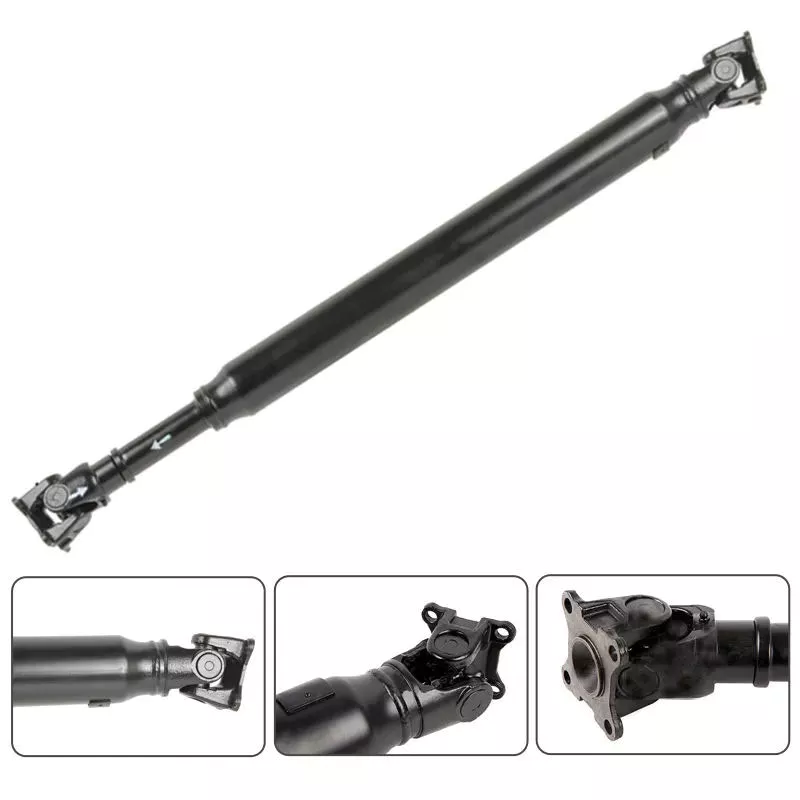
Trục PTO có những hạn chế hoặc nhược điểm nào không?
Mặc dù trục PTO (Trục truyền động) mang lại nhiều ưu điểm về truyền tải năng lượng và tính linh hoạt, chúng cũng có một số hạn chế và nhược điểm nhất định. Điều quan trọng là phải xem xét các yếu tố này khi sử dụng trục PTO để đảm bảo hoạt động an toàn và hiệu quả. Dưới đây là giải thích chi tiết về một số hạn chế và nhược điểm liên quan đến trục PTO:
1. Các mối nguy hiểm về an toàn: Một trong những mối lo ngại chính đối với trục truyền động PTO là nguy cơ mất an toàn. Trục PTO quay với tốc độ cao và có thể gây ra rủi ro đáng kể nếu không được bảo vệ hoặc xử lý đúng cách. Việc vô tình tiếp xúc với trục PTO bị hở hoặc không được che chắn đầy đủ có thể dẫn đến thương tích nghiêm trọng, bao gồm vướng víu, cụt tay chân hoặc thậm chí tử vong. Điều quan trọng là phải tuân thủ các hướng dẫn an toàn, thực hiện bảo vệ thích hợp và đảm bảo người vận hành được đào tạo bài bản về các biện pháp xử lý an toàn để giảm thiểu những rủi ro này.
2. Bảo trì và bôi trơn: Trục PTO cần được bảo dưỡng và bôi trơn thường xuyên để đảm bảo hiệu suất tối ưu và tuổi thọ. Các bộ phận chuyển động, chẳng hạn như khớp nối vạn năng và rãnh then, cần được kiểm tra, làm sạch và bôi trơn theo định kỳ được khuyến nghị. Việc bỏ qua bảo dưỡng có thể dẫn đến mài mòn sớm, giảm hiệu suất và tiềm ẩn rủi ro hỏng hóc. Thực hiện bảo dưỡng đúng cách, bao gồm kiểm tra thường xuyên và bôi trơn kịp thời, là điều cần thiết để giảm thiểu những vấn đề này.
3. Sự thẳng hàng và góc độ: Trục PTO cần được căn chỉnh và điều chỉnh góc chính xác để đảm bảo truyền tải điện năng hiệu quả. Sự lệch trục hoặc góc quá lớn giữa nguồn điện và máy móc được dẫn động có thể gây mài mòn và quá tải cho các bộ phận, dẫn đến hư hỏng sớm. Việc đảm bảo căn chỉnh và điều chỉnh góc chính xác, bằng cách sử dụng các khớp trượt điều chỉnh hoặc các phương pháp khác, rất quan trọng để ngăn ngừa sự quá tải lên trục PTO và các thiết bị liên quan.
4. Giới hạn độ dài: Trục PTO có những hạn chế về chiều dài tối đa và tối thiểu do các ràng buộc kỹ thuật. Thiết kế dạng ống lồng cho phép điều chỉnh ở một mức độ nào đó, nhưng vẫn có giới hạn thực tế về mức độ trục có thể kéo dài hoặc thu ngắn. Nếu khoảng cách giữa nguồn điện và máy móc được dẫn động vượt quá chiều dài tối đa hoặc nhỏ hơn chiều dài tối thiểu của trục PTO, có thể cần các giải pháp thay thế hoặc sửa đổi. Trong một số trường hợp, các bộ phận bổ sung như bộ phận kéo dài trục truyền động hoặc hộp số có thể cần thiết để khắc phục khoảng cách này.
5. Khả năng tương thích: Mặc dù các nhà sản xuất luôn nỗ lực đảm bảo tính tương thích, việc tìm kiếm trục PTO phù hợp cho các cấu hình thiết bị cụ thể vẫn có thể gặp khó khăn. Thiết bị có thể có những yêu cầu riêng biệt về kích thước răng, định mức mô-men xoắn hoặc phương pháp kết nối mà không dễ dàng tìm thấy hoặc tương thích với các trục PTO có sẵn trên thị trường. Việc tùy chỉnh có thể là cần thiết để giải quyết các vấn đề về tính tương thích này, dẫn đến tăng chi phí hoặc thời gian giao hàng.
6. Tiếng ồn và rung động: Trục PTO khi hoạt động có thể tạo ra tiếng ồn và rung động đáng kể, đặc biệt là ở tốc độ cao. Điều này có thể gây khó chịu cho người vận hành và có thể cần các biện pháp bổ sung để giảm mức độ tiếng ồn hoặc giảm rung động. Rung động quá mức cũng có thể ảnh hưởng đến hiệu suất tổng thể và tuổi thọ của trục PTO và các thiết bị được kết nối. Việc lắp đặt bộ giảm chấn rung động hoặc sử dụng khớp nối mềm có thể giúp giảm thiểu những vấn đề này.
7. Giới hạn công suất: Trục PTO có giới hạn công suất cụ thể dựa trên thiết kế, vật liệu và các bộ phận cấu thành. Vượt quá giới hạn công suất này có thể dẫn đến mài mòn sớm, hỏng hóc các bộ phận, hoặc thậm chí gãy trục. Điều quan trọng là phải hiểu và tuân thủ công suất định mức được khuyến nghị cho trục PTO để đảm bảo hoạt động an toàn và đáng tin cậy. Trong một số trường hợp, việc nâng cấp lên trục PTO có công suất cao hơn hoặc bổ sung thêm các bộ phận truyền động có thể là cần thiết để đáp ứng yêu cầu công suất cao hơn.
8. Lắp đặt và tháo dỡ phức tạp: Việc lắp đặt và tháo dỡ trục PTO có thể là một quá trình phức tạp, đặc biệt là trong không gian chật hẹp hoặc khi làm việc với thiết bị nặng. Nó có thể yêu cầu căn chỉnh các rãnh then, khớp nối và cố định các cơ cấu khóa. Kỹ thuật lắp đặt hoặc tháo dỡ không đúng cách có thể dẫn đến hư hỏng trục hoặc các thiết bị liên quan. Việc đào tạo bài bản, sử dụng thiết bị chuyên dụng và tuân thủ hướng dẫn của nhà sản xuất là rất cần thiết để đơn giản hóa và đảm bảo việc lắp đặt và tháo dỡ trục PTO an toàn.
Mặc dù có những hạn chế và nhược điểm này, trục PTO vẫn được sử dụng rộng rãi và là bộ phận có giá trị trong việc truyền tải năng lượng ở nhiều ngành công nghiệp khác nhau. Bằng cách giải quyết những vấn đề này và thực hiện các biện pháp an toàn, bảo trì và quy trình căn chỉnh thích hợp, những nhược điểm tiềm tàng của trục PTO có thể được giảm thiểu hiệu quả, cho phép vận hành an toàn và hiệu quả.

What benefits do PTO shafts offer for various types of machinery?
PTO shafts (Power Take-Off shafts) offer several benefits for various types of machinery in agricultural and industrial applications. They provide a flexible and efficient means of power transmission, enabling machinery to perform specific tasks and functions. Here’s a detailed explanation of the benefits that PTO shafts offer for different types of machinery:
Versatility: PTO shafts contribute to the versatility of machinery by allowing them to be powered by a common power source, such as a tractor or an engine. This means that a single power source can be used to drive multiple implements or machines by simply connecting and disconnecting the PTO shaft. For example, in agriculture, a tractor equipped with a PTO shaft can power various implements such as mowers, balers, tillers, sprayers, and grain augers. Similarly, in industrial applications, PTO shafts enable the use of a single engine or motor to power different machines or equipment, such as generators, pumps, compressors, and industrial mixers.
Efficiency: PTO shafts offer an efficient method of power transfer from the power source to the machinery. By directly connecting the power source to the driven machine, PTO shafts minimize energy losses that may occur with other power transmission methods. This direct power transfer results in improved overall efficiency and performance of the machinery. Additionally, PTO shafts allow for the adjustment of rotational speed and power output to match the requirements of the specific machinery, ensuring optimal operation and reducing unnecessary energy consumption.
Cost Savings: The use of PTO shafts can lead to cost savings in multiple ways. Firstly, by utilizing a single power source to drive multiple machines or implements, the need for separate engines or motors for each piece of equipment is eliminated, reducing capital costs. Secondly, PTO shafts eliminate the requirement for additional fuel or energy sources, as they tap into the existing power source, resulting in lower fuel or energy expenses. Additionally, the versatility offered by PTO shafts allows for improved equipment utilization, maximizing the return on investment.
Flexibility: PTO shafts provide flexibility in terms of equipment setup and configuration. They can be adjusted in length or equipped with telescopic sections, allowing for easy adaptation to different equipment arrangements and varying distances between the power source and the driven machinery. This flexibility enables operators to quickly connect and disconnect the PTO shafts as needed, facilitating efficient equipment changes and reducing downtime. Moreover, the ability to adjust the rotational speed and power output of the PTO shafts adds further flexibility, accommodating the specific requirements of different machinery and applications.
Ease of Use: PTO shafts are relatively easy to use, making them accessible to operators with minimal training. The process of connecting and disconnecting the PTO shafts is straightforward, often involving a simple coupling or locking mechanism. This ease of use enhances equipment operability, allowing operators to quickly switch between different implements or machines without significant effort or time-consuming procedures. Furthermore, the direct power transfer through PTO shafts simplifies equipment operation, as the machinery can be powered by the existing power source without the need for additional controls or power management systems.
Increased Productivity: PTO shafts contribute to increased productivity in agricultural and industrial operations. By enabling the use of versatile machinery configurations, operators can perform a wide range of tasks using a single power source. This eliminates the need for manual labor or the use of multiple machines, streamlining workflow and reducing the time required to complete various operations. The efficiency and reliability of power transfer through PTO shafts also contribute to improved productivity by ensuring consistent and effective operation of machinery, resulting in enhanced output and reduced downtime.
Safety: While not directly related to machinery performance, PTO shafts also offer safety benefits. The implementation of safety shields or guards on PTO shafts helps prevent accidental contact with the rotating shaft, reducing the risk of injuries to operators. These safety features are designed to cover the rotating shaft and universal joints, ensuring that operators cannot come into contact with them during operation. Proper training on PTO shaft operation and adherence to safety guidelines further enhance operator safety when working with PTO-driven machinery.
In summary, PTO shafts offer a range of benefits for various types of machinery. These benefits include increased versatility, improved efficiency, cost savings, flexibility in equipment configurations, ease of use, increased productivity, and enhanced operator safety. PTO shafts play a crucial role in agricultural and industrial applications by enabling the direct power transfer from a common power source to different machines or implements, resulting in optimized performance and operational effectiveness.


editor by CX 2024-02-11

























