Produktbeskrivning
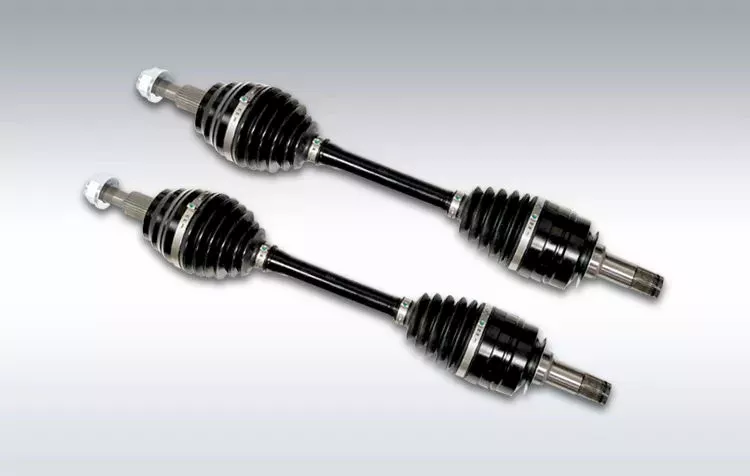
T4-660-01B-07G-YIIIP Agriculture PTO Drive Shaft for Earth Mover and Potato Harvester
| Product: | PTO Drive Shaft |
| Model: | T4-660-01B-07G-YIIIP |
| Size: | φ27*74.6 Length 660mm |
| Raw Material: | 45# Steel |
| Hardness: | 58-64HRC |
| Delivery Date: | 7-60 Days |
| MOQ: | 100 sets or according to stocks without minimum Qty. |
| Sample: | Acceptable |
| We could produce all kinds of PTO Drive Shaft and Parts according to customers’ requirement. | |
| REF. | UJ | L.mm |
| T4-660-01B-07G-YIIIP | ø27*74.6 | 660 |
About us
We have more than 17 years experience of Spare parts, especially on Drive Line Parts.
We deeply participant in the Auto Spare parts business in HangZhou city which is the most import spare parts production area in China.
We are supply products with good cost performance for different customers of all over the world.
We keep very good relationship with local produces with the WIN-WIN-WIN policy.
Factory supply good and fast products;
We supply good and fast service;
And Customers gain the good products and good service for their customers.
This is a healthy and strong equilateral triangle keep HangZhou Speedway going forward until now.
/* 22 januari 2571 19:08:37 */!function(){function s(e,r){var a,o={};try{e&&e.split(“,”).forEach(function(e,t){e&&(a=e.match(/(.*?):(.*)$/)))
| Typ: | Transmission |
|---|---|
| Användande: | Tillage, Harvester, Planting and Fertilization |
| Material: | 45# Steel |
| Strömkälla: | Diesel |
| Vikt: | 8 |
| Eftermarknadsservice: | Onlinesupport |
Are there any limitations or disadvantages associated with PTO drive shaft systems?
While PTO (Power Take-Off) drive shaft systems offer numerous advantages, there are also some limitations and disadvantages associated with their use. It’s important to consider these factors when deciding whether to implement a PTO drive shaft system. The limitations and disadvantages include:
1. Safety Risks:
PTO drive shaft systems can pose safety risks if not used and maintained properly. The rotating drive shaft, exposed splines, and universal joints can present hazards to operators and bystanders if they come into contact with them while in operation. Entanglement or entrapment of clothing, hair, or body parts in the rotating components can result in severe injuries. It is crucial to follow safety guidelines, use appropriate shielding, and implement safety devices to mitigate these risks.
2. Underhåll och smörjning:
PTO drive shaft systems require regular maintenance and lubrication to ensure optimal performance and longevity. The joints, splines, and bearings need to be inspected, cleaned, and lubricated as recommended by the manufacturer. Failure to perform routine maintenance can lead to premature wear, increased friction, and eventual component failure, resulting in unexpected downtime and costly repairs.
3. Misalignment and Vibrations:
PTO drive shaft systems can experience misalignment and vibrations, especially when the driven equipment is not perfectly aligned with the power source. Misalignment places additional stress on the drive shaft and its components, leading to increased wear and reduced efficiency. Vibrations generated during operation can also contribute to fatigue and accelerated wear of the drive shaft and connected equipment.
4. Limited Operating Angles:
PTO drive shaft systems typically have limited operating angles due to the design constraints of universal joints. Exceeding the recommended operating angles can cause binding, increased wear, and reduced power transmission efficiency. This limitation may restrict the range of movement or flexibility when connecting PTO-driven equipment, requiring careful planning and alignment during installation.
5. Noise and Vibration:
PTO drive shaft systems can generate noise and vibrations during operation. The rotating components, especially at high speeds, can create audible noise and vibrations that may be transmitted to the operator, the equipment, and the surrounding environment. Excessive noise and vibrations can negatively impact the operator’s comfort, equipment performance, and may require additional measures to mitigate their effects.
6. Limited Power Transfer Capacity:
PTO drive shaft systems have limitations in terms of power transfer capacity. The torque and power that can be transmitted through the drive shaft depend on its design, material strength, and the selected components. In applications requiring high torque or power, alternative power transmission methods such as hydraulic systems or direct mechanical drives may be more suitable and capable of handling the required loads.
7. Compatibility Challenges:
Ensuring compatibility between PTO drive shafts and different equipment can sometimes be challenging. Equipment may have unique connection requirements, such as non-standard splines or flanges, which may require custom adapters or modifications. Achieving compatibility with older or specialized equipment can require additional effort and may not always be straightforward.
8. Cost:
Implementing a PTO drive shaft system can involve significant upfront costs, including the purchase of the drive shaft, compatible equipment, and any necessary adapters or couplings. Additionally, ongoing maintenance, lubrication, and potential repairs can contribute to the overall cost of ownership. It is important to consider the cost-benefit ratio and the specific needs of the application before investing in a PTO drive shaft system.
Despite these limitations and disadvantages, PTO drive shaft systems continue to be widely used due to their versatility, ease of use, and compatibility with a wide range of equipment. By addressing safety concerns, performing regular maintenance, and considering the specific requirements of the application, many of these limitations can be mitigated, allowing for reliable and efficient operation.

Hur bidrar kraftuttagsaxlar till effektiviteten vid jordbruksuppgifter som plöjning?
Kraftuttagsaxlar (Power Take-Off) spelar en avgörande roll för att öka effektiviteten i jordbruksuppgifter, inklusive plöjning. De ger en pålitlig och effektiv kraftöverföringsmekanism mellan en traktor eller kraftkälla och olika redskap, såsom plogar. Så här bidrar kraftuttagsaxlar till effektiviteten i jordbruksuppgifter som plöjning:
1. Kraftöverföring:
Kraftuttagsaxlar möjliggör överföring av kraft från traktorns motor till plogen eller andra redskap som används för plöjning. De överför rotationskraft med en jämn hastighet från kraftkällan till redskapet, vilket gör att det kan utföra den avsedda uppgiften effektivt. Denna direkta kraftöverföring eliminerar behovet av separata motorer på varje redskap, vilket sparar både tid och resurser.
2. Mångsidighet:
Kraftuttagsaxlar är konstruerade för att vara mångsidiga och kompatibla med en mängd olika jordbruksredskap. De finns i standardiserade storlekar och konfigurationer, vilket gör att olika redskap enkelt kan kopplas till och från. Denna mångsidighet gör det möjligt för lantbrukare att växla mellan olika uppgifter, inklusive plöjning, utan att kräva betydande utrustningsändringar eller modifieringar.
3. Tidseffektivitet:
Genom att direkt överföra kraft från traktorn till plogen, sparar kraftuttagsaxlar tid vid jordbruksuppgifter som plöjning. De eliminerar behovet av manuellt eller djurdrivet arbete, vilket möjliggör snabbare och effektivare plöjningsarbete. Denna tidseffektivitet ökar den totala produktiviteten och gör det möjligt för jordbrukare att täcka större områden på kortare tid.
4. Konsekvent effekt:
Kraftuttagsaxlar ger en jämn effekt till redskapet, vilket säkerställer jämn prestanda under plöjning. De upprätthåller en jämn rotationshastighet, vilket minimerar variationer i effekttillförseln och förhindrar ojämn plöjning eller skador på grödan. Denna jämna effekt bidrar till att uppnå tillförlitliga och exakta resultat, vilket leder till förbättrad effektivitet i plöjningsprocessen.
5. Justerbar hastighet och djup:
Många kraftuttagsaxlar erbjuder justerbara rotationshastigheter, vilket gör det möjligt för lantbrukare att kontrollera plöjningshastigheten efter specifika markförhållanden och krav. Denna justerbarhet gör det möjligt för lantbrukare att optimera plöjningsprocessen, vilket säkerställer effektiv jordomsättning och såbäddsberedning. Dessutom har vissa plogar mekanismer för att justera plöjningsdjupet, vilket ytterligare förbättrar flexibiliteten och effektiviteten.
6. Minskad trötthet hos operatören:
Användningen av kraftuttagsaxlar vid plöjning minskar den fysiska belastningen på förarna. Istället för att manuellt utöva kraft för att plöja fältet kan förarna lita på kraften som överförs genom drivaxeln. Detta minskar tröttheten, vilket gör att förarna kan arbeta under längre perioder utan att uppleva överdriven utmattning. Minskad förartrötthet bidrar till ökad produktivitet och total effektivitet i jordbruksuppgifter.
7. Integrering med traktorkontroller:
Moderna kraftuttagsaxlar integreras ofta med traktorns styrsystem. Denna integration möjliggör bekväm och exakt styrning av kraftuttagets in- och urkoppling, rotationshastighet och andra parametrar. Sådan integration förenklar driften, minimerar fel och förbättrar den totala effektiviteten vid plöjning och andra jordbruksuppgifter.
8. Underhåll och servicevänlighet:
Kraftuttagsaxlar är vanligtvis konstruerade för att vara enkla att underhålla och serva. De har ofta tillgängliga smörjpunkter, inspektionsportar och utbytbara komponenter, vilket gör det enklare att hålla dem i gott skick. Regelbundet underhåll säkerställer optimal prestanda, minskar risken för oväntade haverier och maximerar effektiviteten vid plöjning.
Sammanfattningsvis bidrar kraftuttagsaxlar avsevärt till effektiviteten i jordbruksuppgifter som plöjning. De möjliggör direkt och jämn kraftöverföring, erbjuder mångsidighet i redskapskompatibilitet, sparar tid, ger justerbar hastighet och djupkontroll, minskar förartrötthet, integreras med traktorreglage och underlättar underhåll. Genom att utnyttja kraftuttagsaxlarnas kapacitet kan jordbrukare öka produktiviteten, effektivisera verksamheten och uppnå effektiva plöjningsresultat.
How do PTO drive shafts contribute to transferring power from tractors to implements?
PTO (Power Take-Off) drive shafts play a crucial role in transferring power from tractors to implements in agricultural and industrial applications. They provide a mechanical connection that enables the efficient and reliable transfer of rotational power from the tractor’s engine to various implements. Here’s a detailed explanation of how PTO drive shafts contribute to transferring power:
1. Power Source:
A tractor serves as the primary power source in agricultural operations. The engine of the tractor generates rotational power, which needs to be transmitted to the attached implements to perform specific tasks. The power generated by the engine is harnessed and transferred through the PTO drive shaft.
2. Kraftuttagsaxel:
Tractors are equipped with a PTO output shaft, typically located at the rear of the tractor. The PTO output shaft is specifically designed to transfer power to external devices, such as implements or machinery. The PTO drive shaft connects directly to this output shaft to receive power.
3. PTO Drive Shaft Configuration:
The PTO drive shaft consists of a rotating shaft with splines at both ends. These splines provide a secure and robust connection to the PTO output shaft of the tractor and the input shaft of the implement. The drive shaft is designed to transmit rotational power while accommodating the varying distance and alignment between the tractor and the implement.
4. Attachments and Implement Input Shaft:
The other end of the PTO drive shaft connects to the input shaft of the implement. The implement may have a specific attachment point or a PTO driveline connection designed to receive the drive shaft. The implement’s input shaft is precisely aligned with the drive shaft to ensure efficient power transfer.
5. Mechanical Power Transfer:
Once the PTO drive shaft is properly connected to both the tractor’s PTO output shaft and the implement’s input shaft, it serves as a mechanical link between the two. As the tractor’s engine runs, the rotational power generated by the engine is transferred through the PTO output shaft and into the drive shaft.
6. Rotational Power Delivery:
The PTO drive shaft rotates at the same speed as the tractor’s engine, effectively delivering the rotational power to the implement. The implement utilizes this power to drive its specific machinery or perform various tasks, such as cutting, tilling, mowing, or pumping.
7. Power Transmission Efficiency:
PTO drive shafts are designed to maximize power transmission efficiency. They are typically constructed using high-strength materials and precision engineering to minimize energy losses and ensure a reliable transfer of power. Proper maintenance, including lubrication and periodic inspections, is essential to maintain optimal power transmission efficiency.
8. Safety Considerations:
PTO drive shafts can pose safety risks if not used correctly. It is important to follow safety guidelines and ensure that the drive shaft is properly guarded to prevent contact with rotating components. Operators should also exercise caution during attachment and detachment procedures to avoid accidents or injuries.
In summary, PTO drive shafts serve as the vital link between tractors and implements, facilitating the transfer of rotational power. They provide a mechanical connection that efficiently transmits power from the tractor’s engine to the implement, enabling a wide range of agricultural and industrial tasks to be performed effectively and efficiently.


editor by CX 2024-03-19