
Produktbeskrivning
Produktbeskrivning
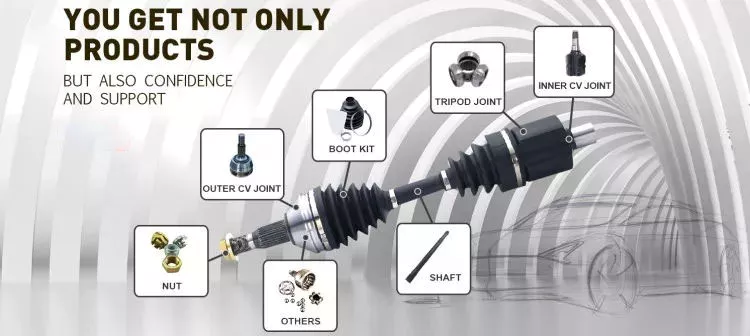
As a professional manufacturer for propeller shaft, we have +1000 items for all kinds of car, At present, our products are mainly sold in North America, Europe, Australia, South Korea, the Middle East and Southeast Asia and other regions, applicable models are European cars, American cars, Japanese and Korean cars, etc.
Our advantage:
1. Full range of products
2. MOQ qty: 1pcs/items
3. Delivery on time
4: Warranty: 1 YEAR
| OE NUMBER | 37140-0K030 |
| TYPE | TOYOTA Hilux Vigo front |
| MATERIAL | STEEL |
| BALANCE STHangZhouRD | G16,3200RMP |
/* 22 januari 2571 19:08:37 */!function(){function s(e,r){var a,o={};try{e&&e.split(“,”).forEach(function(e,t){e&&(a=e.match(/(.*?):(.*)$/)))
| Eftermarknadsservice: | 1year |
|---|---|
| Skick: | Ny |
| Color: | Black |
| Anpassning: |
Tillgänglig
| Anpassad förfrågan |
|---|
.shipping-cost-tm .tm-status-off{bakgrund: ingen;fyllning: 0;färg: #1470cc}
|
Fraktkostnad:
Beräknad frakt per enhet. |
om fraktkostnad och beräknad leveranstid. |
|---|
| Betalningsmetod: |
|
|---|---|
|
Första betalningen Full betalning |
| Valuta: | US$ |
|---|
| Retur och återbetalning: | Du kan ansöka om återbetalning upp till 30 dagar efter att du mottagit produkterna. |
|---|
Hur säkerställer drivaxlar effektiv kraftöverföring samtidigt som balansen bibehålls?
Drivaxlar använder olika mekanismer för att säkerställa effektiv kraftöverföring samtidigt som balansen bibehålls. Effektiv kraftöverföring avser drivaxelns förmåga att överföra rotationskraft från källan (t.ex. en motor) till de drivna komponenterna (t.ex. hjul eller maskiner) med minimal energiförlust. Balansering, å andra sidan, innebär att minimera vibrationer och eliminera ojämn massfördelning som kan orsaka störningar under drift. Här är en förklaring av hur drivaxlar uppnår både effektiv kraftöverföring och balans:
1. Materialval:
Materialvalet för drivaxlar är avgörande för att bibehålla balans och säkerställa effektiv kraftöverföring. Drivaxlar tillverkas vanligtvis av material som stål eller aluminiumlegeringar, valda för sin styrka, styvhet och hållbarhet. Dessa material har utmärkt dimensionsstabilitet och kan motstå de vridmomentbelastningar som uppstår under drift. Genom att använda högkvalitativa material kan drivaxlar minimera deformation, böjning och obalanser som kan äventyra kraftöverföringen och generera vibrationer.
2. Designöverväganden:
Drivaxelns konstruktion spelar en viktig roll för både kraftöverföringseffektivitet och balans. Drivaxlar är konstruerade för att ha lämpliga dimensioner, inklusive diameter och väggtjocklek, för att hantera de förväntade momentbelastningarna utan överdriven nedböjning eller vibration. Konstruktionen tar också hänsyn till faktorer som drivaxelns längd, antal och typ av leder (såsom universalkopplingar eller konstanthastighetskopplingar) och användningen av balansvikter. Genom att noggrant utforma drivaxeln kan tillverkare uppnå optimal kraftöverföringseffektivitet samtidigt som risken för obalansinducerade vibrationer minimeras.
3. Balanseringstekniker:
Balans är avgörande för drivaxlar eftersom obalans kan orsaka vibrationer, buller och accelererat slitage. För att upprätthålla balansen genomgår drivaxlar olika balanseringstekniker under tillverkningsprocessen. Statiska och dynamiska balanseringsmetoder används för att säkerställa att massfördelningen längs drivaxeln är jämn. Statisk balansering innebär att motvikter läggs till på specifika platser för att kompensera för eventuella viktobalanser. Dynamisk balansering utförs genom att rotera drivaxeln med höga hastigheter och mäta eventuella vibrationer. Om obalanser upptäcks görs ytterligare justeringar för att uppnå ett balanserat tillstånd. Dessa balanseringstekniker hjälper till att minimera vibrationer och säkerställa en smidig drift av drivaxeln.
4. Universalkopplingar och konstanthastighetskopplingar:
Drivaxlar har ofta universalkopplingar (U-kopplingar) eller konstanthastighetskopplingar (CV-kopplingar) för att hantera feljustering och bibehålla balans under drift. U-kopplingar är flexibla kopplingar som möjliggör vinkelrörelse mellan axlar. De används vanligtvis i applikationer där drivaxeln arbetar i varierande vinklar. CV-kopplingar, å andra sidan, är konstruerade för att bibehålla en konstant rotationshastighet och används ofta i framhjulsdrivna fordon. Genom att integrera dessa kopplingar kan drivaxlar kompensera för feljustering, minska belastningen på axeln och minimera vibrationer som kan påverka kraftöverföringens effektivitet och balans negativt.
5. Underhåll och inspektion:
Regelbundet underhåll och inspektion av drivaxlar är avgörande för att säkerställa effektiv kraftöverföring och balans. Regelbundna kontroller av slitage, skador eller feljustering kan hjälpa till att identifiera eventuella problem som kan påverka drivaxelns prestanda. Smörjning av leder och korrekt åtdragning av fästelement är också avgörande för att upprätthålla optimal drift. Genom att följa rekommenderade underhållsprocedurer kan eventuella obalanser eller ineffektivitet åtgärdas snabbt, vilket säkerställer fortsatt effektiv kraftöverföring och balans.
Sammanfattningsvis säkerställer drivaxlar effektiv kraftöverföring samtidigt som balansen bibehålls genom noggrant materialval, genomtänkta designöverväganden, balanseringstekniker och införlivande av flexibla leder. Genom att optimera dessa faktorer kan drivaxlar överföra rotationskraft smidigt och tillförlitligt, vilket minimerar energiförluster och vibrationer som kan påverka prestanda och livslängd.

How do drive shafts contribute to the efficiency of vehicle propulsion and power transmission?
Drive shafts play a crucial role in the efficiency of vehicle propulsion and power transmission systems. They are responsible for transferring power from the engine or power source to the wheels or driven components. Here’s a detailed explanation of how drive shafts contribute to the efficiency of vehicle propulsion and power transmission:
1. Kraftöverföring:
Drive shafts transmit power from the engine or power source to the wheels or driven components. By efficiently transferring rotational energy, drive shafts enable the vehicle to move forward or drive the machinery. The design and construction of drive shafts ensure minimal power loss during the transfer process, maximizing the efficiency of power transmission.
2. Torque Conversion:
Drive shafts can convert torque from the engine or power source to the wheels or driven components. Torque conversion is necessary to match the power characteristics of the engine with the requirements of the vehicle or machinery. Drive shafts with appropriate torque conversion capabilities ensure that the power delivered to the wheels is optimized for efficient propulsion and performance.
3. Konstant hastighet (CV) leder:
Many drive shafts incorporate Constant Velocity (CV) joints, which help maintain a constant speed and efficient power transmission, even when the driving and driven components are at different angles. CV joints allow for smooth power transfer and minimize vibration or power losses that may occur due to changing operating angles. By maintaining constant velocity, drive shafts contribute to efficient power transmission and improved overall vehicle performance.
4. Lightweight Construction:
Efficient drive shafts are often designed with lightweight materials, such as aluminum or composite materials. Lightweight construction reduces the rotational mass of the drive shaft, which results in lower inertia and improved efficiency. Reduced rotational mass enables the engine to accelerate and decelerate more quickly, allowing for better fuel efficiency and overall vehicle performance.
5. Minimized Friction:
Efficient drive shafts are engineered to minimize frictional losses during power transmission. They incorporate features such as high-quality bearings, low-friction seals, and proper lubrication to reduce energy losses caused by friction. By minimizing friction, drive shafts enhance power transmission efficiency and maximize the available power for propulsion or operating other machinery.
6. Balanced and Vibration-Free Operation:
Drive shafts undergo dynamic balancing during the manufacturing process to ensure smooth and vibration-free operation. Imbalances in the drive shaft can lead to power losses, increased wear, and vibrations that reduce overall efficiency. By balancing the drive shaft, it can spin evenly, minimizing vibrations and optimizing power transmission efficiency.
7. Maintenance and Regular Inspection:
Proper maintenance and regular inspection of drive shafts are essential for maintaining their efficiency. Regular lubrication, inspection of joints and components, and prompt repair or replacement of worn or damaged parts help ensure optimal power transmission efficiency. Well-maintained drive shafts operate with minimal friction, reduced power losses, and improved overall efficiency.
8. Integration with Efficient Transmission Systems:
Drive shafts work in conjunction with efficient transmission systems, such as manual, automatic, or continuously variable transmissions. These transmissions help optimize power delivery and gear ratios based on driving conditions and vehicle speed. By integrating with efficient transmission systems, drive shafts contribute to the overall efficiency of the vehicle propulsion and power transmission system.
9. Aerodynamic Considerations:
In some cases, drive shafts are designed with aerodynamic considerations in mind. Streamlined drive shafts, often used in high-performance or electric vehicles, minimize drag and air resistance to improve overall vehicle efficiency. By reducing aerodynamic drag, drive shafts contribute to the efficient propulsion and power transmission of the vehicle.
10. Optimized Length and Design:
Drive shafts are designed to have optimal lengths and designs to minimize energy losses. Excessive drive shaft length or improper design can introduce additional rotational mass, increase bending stresses, and result in energy losses. By optimizing the length and design, drive shafts maximize power transmission efficiency and contribute to improved overall vehicle efficiency.
Overall, drive shafts contribute to the efficiency of vehicle propulsion and power transmission through effective power transfer, torque conversion, utilization of CV joints, lightweight construction, minimized friction, balanced operation, regular maintenance, integration with efficient transmission systems, aerodynamic considerations, and optimized length and design. By ensuring efficient power delivery and minimizing energy losses, drive shafts play a significant role in enhancing the overall efficiency and performance of vehicles and machinery.
How do drive shafts contribute to transferring rotational power in various applications?
Drive shafts play a crucial role in transferring rotational power from the engine or power source to the wheels or driven components in various applications. Whether it’s in vehicles or machinery, drive shafts enable efficient power transmission and facilitate the functioning of different systems. Here’s a detailed explanation of how drive shafts contribute to transferring rotational power:
1. Vehicle Applications:
In vehicles, drive shafts are responsible for transmitting rotational power from the engine to the wheels, enabling the vehicle to move. The drive shaft connects the gearbox or transmission output shaft to the differential, which further distributes the power to the wheels. As the engine generates torque, it is transferred through the drive shaft to the wheels, propelling the vehicle forward. This power transfer allows the vehicle to accelerate, maintain speed, and overcome resistance, such as friction and inclines.
2. Machinery Applications:
In machinery, drive shafts are utilized to transfer rotational power from the engine or motor to various driven components. For example, in industrial machinery, drive shafts may be used to transmit power to pumps, generators, conveyors, or other mechanical systems. In agricultural machinery, drive shafts are commonly employed to connect the power source to equipment such as harvesters, balers, or irrigation systems. Drive shafts enable these machines to perform their intended functions by delivering rotational power to the necessary components.
3. Power Transmission:
Drive shafts are designed to transmit rotational power efficiently and reliably. They are capable of transferring substantial amounts of torque from the engine to the wheels or driven components. The torque generated by the engine is transmitted through the drive shaft without significant power losses. By maintaining a rigid connection between the engine and the driven components, drive shafts ensure that the power produced by the engine is effectively utilized in performing useful work.
4. Flexible Coupling:
One of the key functions of drive shafts is to provide a flexible coupling between the engine/transmission and the wheels or driven components. This flexibility allows the drive shaft to accommodate angular movement and compensate for misalignment between the engine and the driven system. In vehicles, as the suspension system moves or the wheels encounter uneven terrain, the drive shaft adjusts its length and angle to maintain a constant power transfer. This flexibility helps prevent excessive stress on the drivetrain components and ensures smooth power transmission.
5. Torque and Speed Transmission:
Drive shafts are responsible for transmitting both torque and rotational speed. Torque is the rotational force generated by the engine or power source, while rotational speed is the number of revolutions per minute (RPM). Drive shafts must be capable of handling the torque requirements of the application without excessive twisting or bending. Additionally, they need to maintain the desired rotational speed to ensure the proper functioning of the driven components. Proper design, material selection, and balancing of the drive shafts contribute to efficient torque and speed transmission.
6. Length and Balance:
The length and balance of drive shafts are critical factors in their performance. The length of the drive shaft is determined by the distance between the engine or power source and the driven components. It should be appropriately sized to avoid excessive vibrations or bending. Drive shafts are carefully balanced to minimize vibrations and rotational imbalances, which can affect the overall performance, comfort, and longevity of the drivetrain system.
7. Safety and Maintenance:
Drive shafts require proper safety measures and regular maintenance. In vehicles, drive shafts are often enclosed within a protective tube or housing to prevent contact with moving parts, reducing the risk of injury. Safety shields or guards may also be installed around exposed drive shafts in machinery to protect operators from potential hazards. Regular maintenance includes inspecting the drive shaft for wear, damage, or misalignment, and ensuring proper lubrication of the U-joints. These measures help prevent failures, ensure optimal performance, and extend the service life of the drive shaft.
In summary, drive shafts play a vital role in transferring rotational power in various applications. Whether in vehicles or machinery, drive shafts enable efficient power transmission from the engine or power source to the wheels or driven components. They provide a flexible coupling, handle torque and speed transmission, accommodate angular movement, and contribute to the safety and maintenance of the system. By effectively transferring rotational power, drive shafts facilitate the functioning and performance of vehicles and machinery in numerous industries.


editor by CX 2024-04-26

























