
Описание продукта
Краткое введение
Технологический процесс
Приложения
Контроль качества
Packaging & Delivery
Packaging details:Standard plywood case
Delivery detail: 30-35 working days,depend on the actual produce condition
Часто задаваемые вопросы
В1: What is the location of your company?
A1: Our company is located in the HangZhou City ,ZheJiang ,China.Welcome to visit our factory at anytime!
В2: How does your factory do regarding quality control?
A2: Our standard QC system to control quality.
В3: What is your delivery time?
A3: Usually within 25 days after the receipt of payment.Delivery time must depend on the actual produce condition.
В4: What are your strengths?
A4: 1.We are the manufacturer,having competitive advantage in price.
2.A large part of money is put into advancing CNC equipments and product
R&D department annual,the performance of cardan shaft can be guaranteed.
3.About quality issues or follow-up after-sales service,we report directly to the boss.
4.We have the ambitions to exploring and developing the world’s cardan shaft market and
we believe we can.
/* 22 января 2571 19:08:37 */!function(){function s(e,r){var a,o={};try{e&&e.split(“,).forEach(function(e,t){e&&(a=e.match(/(.*?):(.*)$/))&&1
| Материал: | Легированная сталь |
|---|---|
| Нагрузка: | карданный вал |
| Жесткость и гибкость: | Жесткость / Жесткая ось |
| Точность размеров диаметра цапфы: | IT6-IT9 |
| Форма оси: | Прямой вал |
| Форма вала: | Полая ось |
| Настройка: |
Доступный
| Индивидуальный запрос |
|---|
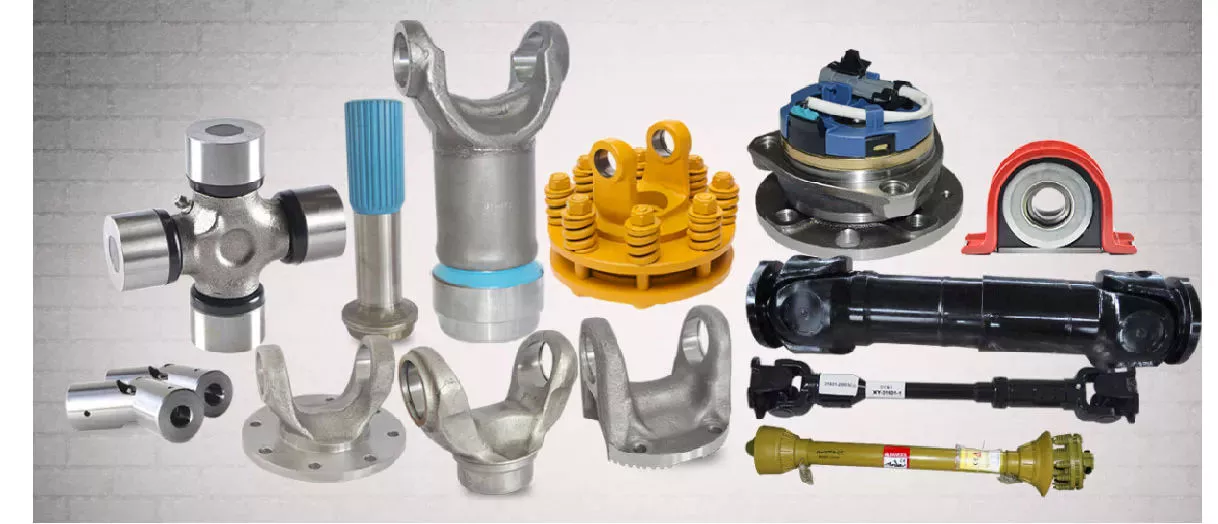
How do PTO drive shafts ensure efficient power transfer while maintaining safety?
PTO (Power Take-Off) drive shafts are designed to ensure efficient power transfer while prioritizing safety. These drive shafts incorporate various mechanisms and features to achieve both objectives. Here’s a detailed explanation of how PTO drive shafts ensure efficient power transfer while maintaining safety:
1. Robust Construction:
PTO drive shafts are typically constructed using high-quality materials such as steel or composite materials that offer strength and durability. The robust construction allows them to withstand the torque and power demands of the application, ensuring efficient power transfer without excessive flexing or deformation that could result in energy loss or premature failure.
2. Precise Alignment:
Efficient power transfer requires precise alignment between the PTO drive shaft, the primary power source (e.g., engine, transmission), and the implement or equipment being driven. Misalignment can lead to power loss, increased wear, and potential safety hazards. PTO drive shafts are designed with adjustable lengths or flexible couplings to accommodate variations in equipment size and ensure proper alignment, maximizing power transmission efficiency.
3. Connection Safety Features:
PTO drive shafts incorporate safety features to prevent accidents and minimize the risk of injury. One common safety feature is the use of shear pins or torque limiters. These components are designed to break or slip under excessive torque, protecting the drive shaft and connected equipment from damage. By sacrificing the shear pin, the PTO drive shaft disengages in case of overload, ensuring the safety of operators and preventing costly repairs.
4. Overload Protection:
Overload protection mechanisms are crucial for maintaining safety and preventing damage to the PTO drive shaft and associated equipment. Clutch systems or slip clutches can be employed to disengage the drive shaft when excessive torque or speed is encountered. These mechanisms allow the drive shaft to slip or disengage momentarily, preventing damage and reducing the risk of injury to operators or bystanders.
5. Shielding and Guarding:
PTO drive shafts are often equipped with shielding and guarding to prevent contact with moving parts. These protective covers ensure that operators and bystanders are shielded from rotating shafts, universal joints, and other potentially hazardous components. Proper shielding and guarding reduce the risk of entanglement, entrapment, or accidental contact, enhancing overall safety.
6. Compliance with Safety Standards:
PTO drive shafts are designed and manufactured to comply with relevant safety standards and regulations. These standards, such as ISO 500-1, specify requirements for power transmission components, including PTO drive shafts. Compliance with these standards ensures that the drive shafts meet necessary safety criteria and undergo rigorous testing to ensure their reliability and performance.
7. Regular Maintenance and Inspection:
Maintaining the safety and efficiency of PTO drive shafts requires regular maintenance and inspection. Operators should follow recommended maintenance schedules, including lubrication, inspection of components, and replacement of worn or damaged parts. Regular inspections help identify potential safety issues, such as worn bearings, damaged shielding, or compromised safety features, allowing for timely repairs or replacements.
8. Operator Training and Awareness:
Efficient power transfer and safety also depend on operator training and awareness. Operators should receive proper training on the safe operation and maintenance of PTO drive shafts. This includes understanding safety procedures, recognizing potential hazards, and being aware of the risks associated with improper use or maintenance. Promoting a culture of safety and providing ongoing training helps ensure that PTO drive shafts are used correctly and that potential risks are minimized.
By incorporating robust construction, precise alignment, connection safety features, overload protection, shielding and guarding, compliance with safety standards, regular maintenance and inspection, and operator training and awareness, PTO drive shafts can achieve efficient power transfer while maintaining a high level of safety. These measures help prevent accidents, protect equipment and operators, and ensure reliable and effective power transmission in various applications.
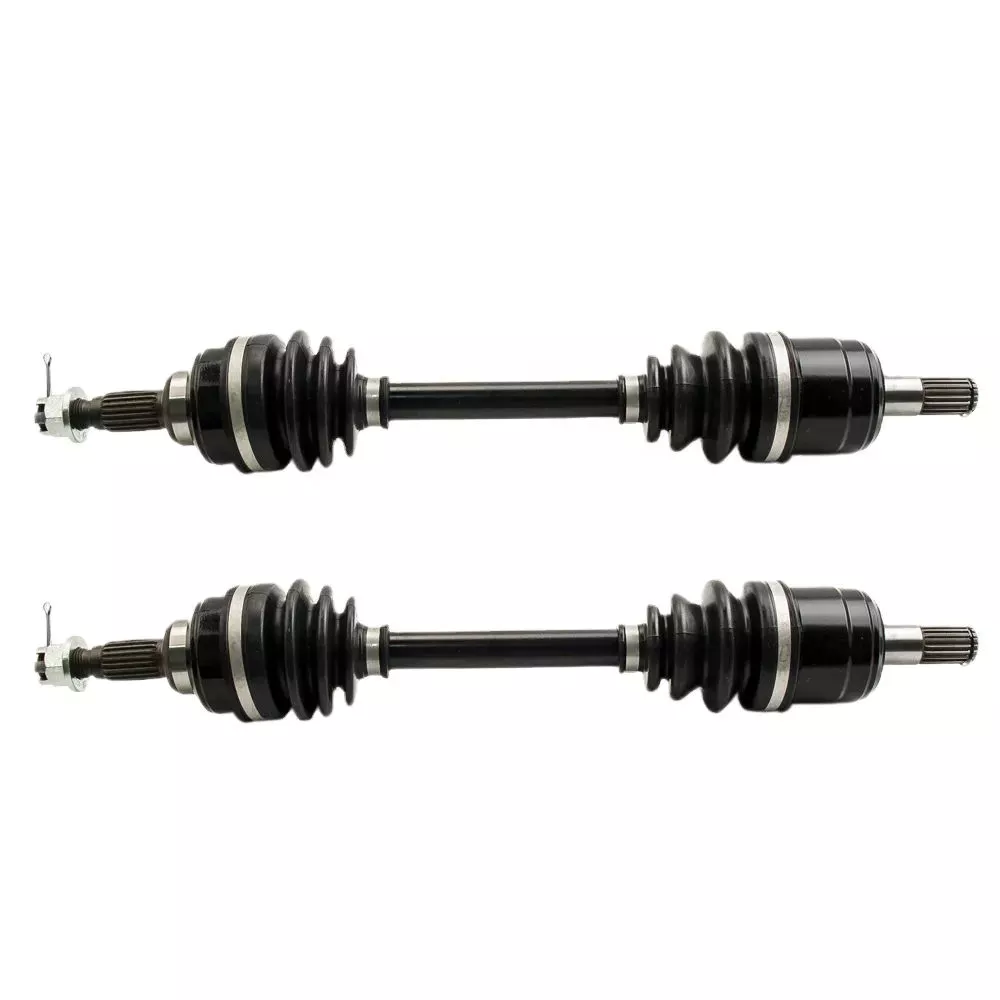
How do PTO drive shafts contribute to the efficiency of agricultural tasks like plowing?
PTO (Power Take-Off) drive shafts play a crucial role in enhancing the efficiency of agricultural tasks, including plowing. They provide a reliable and efficient power transmission mechanism between a tractor or power source and various implements, such as plows. Here’s how PTO drive shafts contribute to the efficiency of agricultural tasks like plowing:
1. Power Transfer:
PTO drive shafts enable the transfer of power from the tractor’s engine to the plow or other implements used for plowing. They transmit rotational power at a consistent speed from the power source to the implement, allowing it to perform the intended task efficiently. This direct power transfer eliminates the need for separate engines or motors on each implement, saving both time and resources.
2. Versatility:
PTO drive shafts are designed to be versatile and compatible with a wide range of agricultural implements. They come in standardized sizes and configurations, allowing different implements to be easily connected and disconnected. This versatility enables farmers to switch between various tasks, including plowing, without requiring significant equipment changes or modifications.
3. Time Efficiency:
By directly transmitting power from the tractor to the plow, PTO drive shafts help save time during agricultural tasks like plowing. They eliminate the need for manual or animal-driven labor, allowing for faster and more efficient plowing operations. This time efficiency increases overall productivity and enables farmers to cover larger areas in less time.
4. Consistent Power Output:
PTO drive shafts provide a consistent power output to the implement, ensuring uniform performance during plowing. They maintain a steady rotational speed, minimizing variations in power delivery and preventing uneven plowing or crop damage. This consistent power output helps achieve reliable and precise results, leading to improved efficiency in the plowing process.
5. Adjustable Speed and Depth:
Many PTO drive shafts offer adjustable rotational speeds, allowing farmers to control the plowing speed according to the specific soil conditions and requirements. This adjustability enables farmers to optimize the plowing process, ensuring efficient soil turnover and seedbed preparation. Additionally, some plows incorporate mechanisms for adjusting the plowing depth, further enhancing flexibility and efficiency.
6. Снижение утомляемости оператора:
The use of PTO drive shafts in plowing reduces the physical strain on operators. Instead of manually exerting force to plow the field, operators can rely on the power transmitted through the drive shaft. This reduces fatigue, allowing operators to work for longer durations without experiencing excessive exhaustion. Reduced operator fatigue contributes to increased productivity and overall efficiency in agricultural tasks.
7. Integration with Tractor Controls:
Modern PTO drive shafts often integrate with the tractor’s control system. This integration enables convenient and precise control of the PTO engagement and disengagement, rotational speed, and other parameters. Such integration enhances the ease of operation, minimizes errors, and improves overall efficiency during plowing and other agricultural tasks.
8. Maintenance and Serviceability:
PTO drive shafts are typically designed for ease of maintenance and serviceability. They often feature accessible lubrication points, inspection ports, and replaceable components, making it easier to keep them in good working condition. Regular maintenance ensures optimal performance, reduces the risk of unexpected breakdowns, and maximizes the efficiency of plowing operations.
In summary, PTO drive shafts significantly contribute to the efficiency of agricultural tasks like plowing. They enable direct and consistent power transfer, offer versatility in implement compatibility, save time, provide adjustable speed and depth control, reduce operator fatigue, integrate with tractor controls, and facilitate maintenance. By leveraging the capabilities of PTO drive shafts, farmers can enhance productivity, streamline operations, and achieve efficient plowing results.
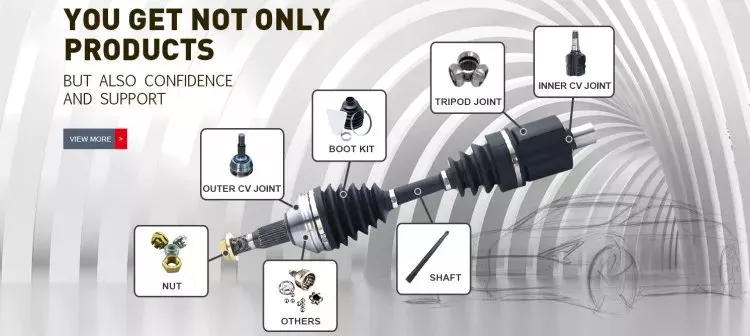
Существуют ли различные конфигурации приводных валов ВОМ в зависимости от типа оборудования?
Да, существуют различные типы конфигураций приводных валов ВОМ (вал отбора мощности) в зависимости от типа используемого оборудования. Приводные валы ВОМ разработаны с учетом специфических требований различных типов оборудования, обеспечивая эффективную передачу мощности и совместимость. Вот подробное описание некоторых распространенных конфигураций приводных валов ВОМ в зависимости от типа оборудования:
1. Валы привода ВОМ трактора:
Тракторы являются одним из основных видов техники, использующих приводные валы ВОМ. Приводные валы ВОМ тракторов обычно имеют шлицевое соединение на одном конце для подсоединения к выходному валу ВОМ трактора и соответствующее шлицевое соединение на другом конце для соединения с навесным оборудованием или механизмами. Длина приводного вала часто может регулироваться в зависимости от размеров оборудования и условий эксплуатации. Приводные валы ВОМ тракторов широко используются в сельском хозяйстве, ландшафтном дизайне и других областях, где тракторы являются основным источником энергии.
2. Установка приводных валов ВОМ:
Приводные валы отбора мощности (ВОМ) для сельскохозяйственной техники разработаны специально для различных типов навесного оборудования и машин. Эти приводные валы часто имеют шлицевое соединение на одном конце для крепления к входному валу навесного оборудования, в то время как другой конец может иметь другой тип соединения в зависимости от конструкции навесного оборудования. Конкретная конфигурация приводных валов ВОМ может значительно варьироваться в зависимости от типа навесного оборудования, например, косилок, пресс-подборщиков, культиваторов, сеялок, опрыскивателей и комбайнов. Приводные валы ВОМ широко используются в сельском хозяйстве, строительстве и других отраслях, где навесное оборудование приводится в движение основным источником энергии.
3. Валы привода ВОМ грузовика:
Грузовые автомобили, особенно большегрузные, часто используют приводные валы ВОМ для привода различного вспомогательного оборудования и систем. Приводные валы ВОМ грузовиков обычно предназначены для передачи мощности от двигателя или трансмиссии грузовика к гидравлическим системам, лебедкам, кранам или другому оборудованию, установленному на грузовике. Эти приводные валы могут иметь различную конфигурацию в зависимости от конкретной модели грузовика и предполагаемого применения. Приводные валы ВОМ грузовиков способны выдерживать более высокие крутящие моменты и мощность по сравнению с приводными валами, используемыми в более компактных транспортных средствах.
4. Промышленные приводные валы ВОМ:
В промышленных условиях для привода машин и оборудования часто требуются приводные валы с валом отбора мощности (ВОМ), например, в горнодобывающей промышленности, производстве, погрузочно-разгрузочных работах и переработке материалов. Промышленные приводные валы ВОМ предназначены для работы в тяжелых условиях и могут различаться по конфигурации в зависимости от конкретных требований к оборудованию. Они могут включать в себя такие особенности, как усиленная конструкция, валы большего диаметра и специализированные соединительные механизмы для обеспечения высоких требований к крутящему моменту, скорости и мощности.
5. Специальные приводные валы ВОМ:
Помимо упомянутых выше распространенных конфигураций, существуют также специализированные приводные валы ВОМ, разработанные для конкретных областей применения. К ним относятся приводные валы для специализированной техники в таких отраслях, как лесное хозяйство, нефтегазовая промышленность, судостроение и строительство. Эти специализированные приводные валы могут иметь уникальные конфигурации и характеристики, адаптированные к конкретным требованиям и условиям эксплуатации оборудования, которое они призваны приводить в движение.
В целом, конфигурация карданного вала отбора мощности может варьироваться в зависимости от типа оборудования и конкретного применения. При проектировании учитываются такие факторы, как тип соединения, механизмы регулировки длины, крутящий момент и мощность, а также любые специализированные характеристики, необходимые для оборудования. Использование различных конфигураций карданных валов отбора мощности позволяет эффективно передавать мощность от основного источника питания к навесному оборудованию, механизмам или вспомогательным системам для различных типов оборудования.


editor by CX 2024-04-26

























