Описание продукта
Описание продукта
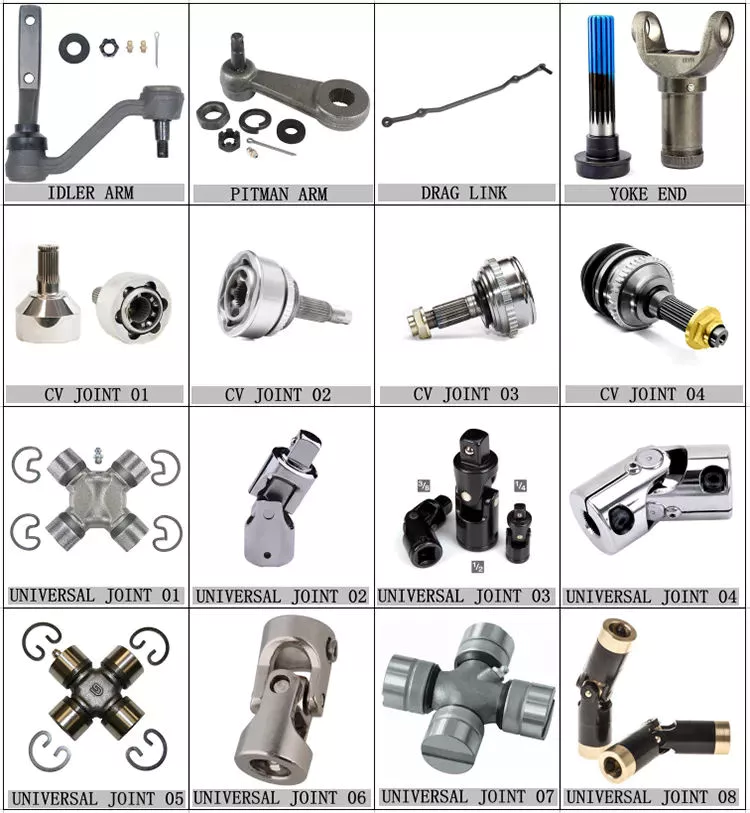
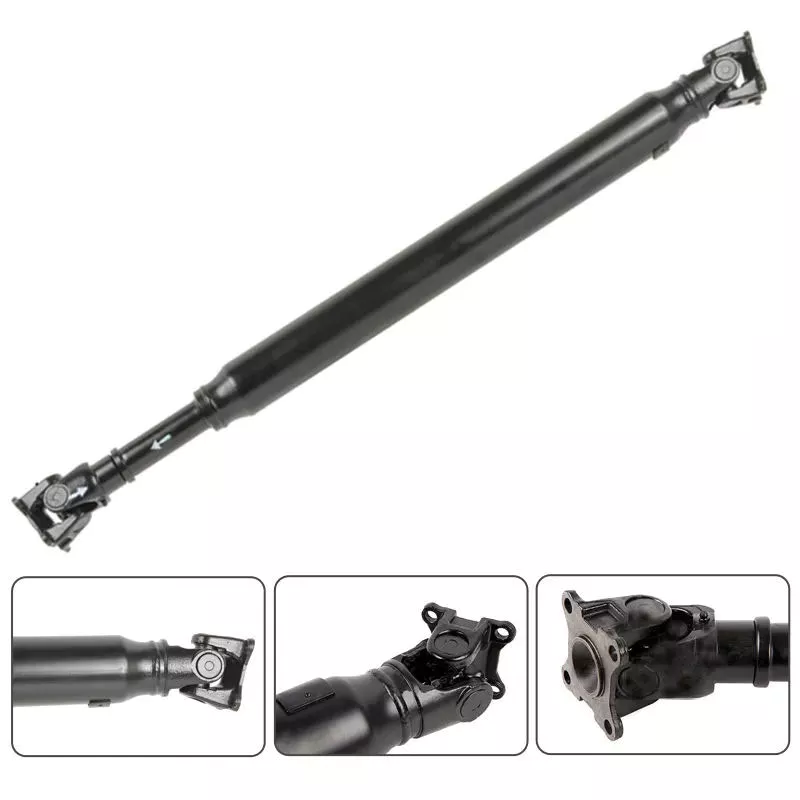
As a professional manufacturer for propeller shaft, we have +1000 items for all kinds of car, At present, our products are mainly sold in North America, Europe, Australia, South Korea, the Middle East and Southeast Asia and other regions, applicable models are European cars, American cars, Japanese and Korean cars, etc.
Our advantage:
1. Full range of products
2. MOQ qty: 1pcs/items
3. Delivery on time
4: Warranty: 1 YEAR
| OE NUMBER | 37100-42050 |
| TYPE | TOYOTA RAV4 |
| MATERIAL | STEEL |
| BALANCE STHangZhouRD | G16,3200RMP |
/* 22 января 2571 19:08:37 */!function(){function s(e,r){var a,o={};try{e&&e.split(“,).forEach(function(e,t){e&&(a=e.match(/(.*?):(.*)$/))&&1
| Послепродажное обслуживание: | 1year |
|---|---|
| Condition: | Новый |
| Color: | Black |
| Настройка: |
Доступный
| Индивидуальный запрос |
|---|
.shipping-cost-tm .tm-status-off{background: none;padding:0;color: #1470cc}
|
Стоимость доставки:
Ориентировочная стоимость доставки за единицу товара. |
о стоимости доставки и предполагаемом времени доставки. |
|---|
| Способ оплаты: |
|
|---|---|
|
Первоначальный платеж Полная оплата |
| Валюта: | US$ |
|---|
| Возврат и возмещение средств: | Вы можете подать заявку на возврат средств в течение 30 дней после получения товаров. |
|---|
How do drive shafts handle variations in speed and torque during operation?
Drive shafts are designed to handle variations in speed and torque during operation by employing specific mechanisms and configurations. These mechanisms allow the drive shafts to accommodate the changing demands of power transmission while maintaining smooth and efficient operation. Here’s a detailed explanation of how drive shafts handle variations in speed and torque:
1. Flexible Couplings:
Drive shafts often incorporate flexible couplings, such as universal joints (U-joints) or constant velocity (CV) joints, to handle variations in speed and torque. These couplings provide flexibility and allow the drive shaft to transmit power even when the driving and driven components are not perfectly aligned. U-joints consist of two yokes connected by a cross-shaped bearing, allowing for angular movement between the drive shaft sections. This flexibility accommodates variations in speed and torque and compensates for misalignment. CV joints, which are commonly used in automotive drive shafts, maintain a constant velocity of rotation while accommodating changing operating angles. These flexible couplings enable smooth power transmission and reduce vibrations and wear caused by speed and torque variations.
2. Slip Joints:
In some drive shaft designs, slip joints are incorporated to handle variations in length and accommodate changes in distance between the driving and driven components. A slip joint consists of an inner and outer tubular section with splines or a telescoping mechanism. As the drive shaft experiences changes in length due to suspension movement or other factors, the slip joint allows the shaft to extend or compress without affecting the power transmission. By allowing axial movement, slip joints help prevent binding or excessive stress on the drive shaft during variations in speed and torque, ensuring smooth operation.
3. Balancing:
Drive shafts undergo balancing procedures to optimize their performance and minimize vibrations caused by speed and torque variations. Imbalances in the drive shaft can lead to vibrations, which not only affect the comfort of vehicle occupants but also increase wear and tear on the shaft and its associated components. Balancing involves redistributing mass along the drive shaft to achieve even weight distribution, reducing vibrations and improving overall performance. Dynamic balancing, which typically involves adding or removing small weights, ensures that the drive shaft operates smoothly even under varying speeds and torque loads.
4. Material Selection and Design:
The selection of materials and the design of drive shafts play a crucial role in handling variations in speed and torque. Drive shafts are typically made from high-strength materials, such as steel or aluminum alloys, chosen for their ability to withstand the forces and stresses associated with varying operating conditions. The diameter and wall thickness of the drive shaft are also carefully determined to ensure sufficient strength and stiffness. Additionally, the design incorporates considerations for factors such as critical speed, torsional rigidity, and resonance avoidance, which help maintain stability and performance during speed and torque variations.
5. Lubrication:
Proper lubrication is essential for drive shafts to handle variations in speed and torque. Lubricating the joints, such as U-joints or CV joints, reduces friction and heat generated during operation, ensuring smooth movement and minimizing wear. Adequate lubrication also helps prevent the binding of components, allowing the drive shaft to accommodate speed and torque variations more effectively. Regular lubrication maintenance is necessary to ensure optimal performance and extend the lifespan of the drive shaft.
6. System Monitoring:
Monitoring the performance of the drive shaft system is important to identify any issues related to variations in speed and torque. Unusual vibrations, noises, or changes in power transmission can indicate potential problems with the drive shaft. Regular inspections and maintenance checks allow for the early detection and resolution of issues, helping to prevent further damage and ensure the drive shaft continues to handle speed and torque variations effectively.
In summary, drive shafts handle variations in speed and torque during operation through the use of flexible couplings, slip joints, balancing procedures, appropriate material selection and design, lubrication, and system monitoring. These mechanisms and practices allow the drive shaft to accommodate misalignment, changes in length, and variations in power demands, ensuring efficient power transmission, smooth operation, and reduced wear and tear in various applications.
Можно ли изготавливать карданные валы на заказ с учетом конкретных требований к транспортным средствам или оборудованию?
Да, карданные валы могут быть изготовлены на заказ в соответствии с конкретными требованиями транспортного средства или оборудования. Изготовление на заказ позволяет производителям адаптировать конструкцию, размеры, материалы и другие параметры карданного вала для обеспечения совместимости и оптимальной производительности в конкретном транспортном средстве или оборудовании. Вот подробное объяснение того, как можно изготовить карданные валы на заказ:
1. Индивидуальная настройка размеров:
Карданные валы могут быть изготовлены на заказ в соответствии с размерными требованиями транспортного средства или оборудования. Это включает в себя регулировку общей длины, диаметра и конфигурации шлицов для обеспечения правильной посадки и зазоров в конкретном применении. Благодаря индивидуальной настройке размеров карданный вал может быть бесшовно интегрирован в систему трансмиссии без каких-либо помех или ограничений.
2. Выбор материалов:
Выбор материалов для приводных валов может быть адаптирован в зависимости от конкретных требований транспортного средства или оборудования. Для оптимизации прочности, веса и долговечности могут быть выбраны различные материалы, такие как стальные сплавы, алюминиевые сплавы или специализированные композиты. Выбор материала может быть скорректирован с учетом крутящего момента, скорости и условий эксплуатации, обеспечивая надежность и долговечность приводного вала.
3. Совместная конфигурация:
Карданные валы могут быть изготовлены с различными конфигурациями шарниров для соответствия конкретным требованиям транспортного средства или оборудования. Например, карданные шарниры (U-образные шарниры) могут подходить для применений с меньшими рабочими углами и умеренными требованиями к крутящему моменту, в то время как шарниры равных углов (ШРУС) часто используются в приложениях, требующих больших рабочих углов и более плавной передачи мощности. Выбор конфигурации шарнира зависит от таких факторов, как рабочий угол, крутящий момент и требуемые рабочие характеристики.
4. Крутящий момент и мощность:
Возможность индивидуальной настройки позволяет проектировать приводные валы с соответствующим крутящим моментом и мощностью для конкретного транспортного средства или оборудования. Производители могут анализировать требования к крутящему моменту, условия эксплуатации и запасы прочности, чтобы определить оптимальный крутящий момент и мощность приводного вала. Это гарантирует, что приводной вал сможет выдерживать требуемые нагрузки без преждевременного выхода из строя или проблем с производительностью.
5. Балансировка и контроль вибрации:
Карданные валы могут быть изготовлены с применением методов точной балансировки и контроля вибрации. Дисбаланс карданного вала может привести к вибрациям, повышенному износу и потенциальным проблемам с трансмиссией. Используя методы динамической балансировки в процессе производства, производители могут минимизировать вибрации и обеспечить плавную работу. Кроме того, в конструкцию карданного вала могут быть интегрированы виброгасители или системы изоляции для дальнейшего снижения вибраций и повышения общей производительности системы.
6. Вопросы интеграции и монтажа:
При изготовлении карданных валов на заказ учитываются требования к интеграции и монтажу конкретного транспортного средства или оборудования. Производители тесно сотрудничают с конструкторами транспортных средств или оборудования, чтобы обеспечить бесшовную интеграцию карданного вала в систему трансмиссии. Это включает в себя адаптацию точек крепления, интерфейсов и зазоров для обеспечения правильного выравнивания и установки карданного вала в транспортном средстве или оборудовании.
7. Сотрудничество и обратная связь:
Производители часто сотрудничают с производителями автомобилей, OEM-производителями (производителями оригинального оборудования) или конечными пользователями, чтобы собрать отзывы и учесть их специфические требования в процессе индивидуальной настройки карданных валов. Активно запрашивая информацию и отзывы, производители могут учитывать конкретные потребности, оптимизировать производительность и обеспечивать совместимость с транспортным средством или оборудованием. Такой подход, основанный на сотрудничестве, улучшает процесс индивидуальной настройки и позволяет создавать карданные валы, точно соответствующие требованиям конкретного применения.
8. Соответствие стандартам:
Карданные валы, изготовленные по индивидуальному заказу, могут соответствовать соответствующим отраслевым стандартам и нормам. Соответствие стандартам, таким как ISO (Международная организация по стандартизации) или конкретным отраслевым стандартам, гарантирует, что изготовленные по индивидуальному заказу карданные валы отвечают требованиям качества, безопасности и производительности. Соблюдение этих стандартов обеспечивает уверенность в совместимости карданных валов и их бесшовной интеграции в конкретное транспортное средство или оборудование.
Вкратце, приводные валы могут быть изготовлены на заказ в соответствии с конкретными требованиями транспортного средства или оборудования за счет индивидуальной настройки размеров, выбора материалов, конфигурации соединений, оптимизации крутящего момента и мощности, балансировки и контроля вибрации, учета особенностей интеграции и монтажа, сотрудничества с заинтересованными сторонами и соответствия отраслевым стандартам. Индивидуальная настройка позволяет точно адаптировать приводные валы к потребностям конкретного применения, обеспечивая совместимость, надежность и оптимальную производительность.

What is a drive shaft and how does it function in vehicles and machinery?
A drive shaft, also known as a propeller shaft or prop shaft, is a mechanical component that plays a critical role in transmitting rotational power from the engine to the wheels or other driven components in vehicles and machinery. It is commonly used in various types of vehicles, including cars, trucks, motorcycles, and agricultural or industrial machinery. Here’s a detailed explanation of what a drive shaft is and how it functions:
1. Definition and Construction: A drive shaft is a cylindrical metal tube that connects the engine or power source to the wheels or driven components. It is typically made of steel or aluminum and consists of one or more tubular sections with universal joints (U-joints) at each end. These U-joints allow for angular movement and compensation of misalignment between the engine/transmission and the driven wheels or components.
2. Power Transmission: The primary function of a drive shaft is to transmit rotational power from the engine or power source to the wheels or driven components. In vehicles, the drive shaft connects the transmission or gearbox output shaft to the differential, which then transfers power to the wheels. In machinery, the drive shaft transfers power from the engine or motor to various driven components such as pumps, generators, or other mechanical systems.
3. Torque and Speed: The drive shaft is responsible for transmitting both torque and rotational speed. Torque is the rotational force generated by the engine or power source, while rotational speed is the number of revolutions per minute (RPM). The drive shaft must be capable of transmitting the required torque without excessive twisting or bending and maintaining the desired rotational speed for efficient operation of the driven components.
4. Гибкая связь: The U-joints on the drive shaft provide a flexible coupling that allows for angular movement and compensation of misalignment between the engine/transmission and the driven wheels or components. As the suspension system of a vehicle moves or the machinery operates on uneven terrain, the drive shaft can adjust its length and angle to accommodate these movements, ensuring smooth power transmission and preventing damage to the drivetrain components.
5. Length and Balance: The length of the drive shaft is determined by the distance between the engine or power source and the driven wheels or components. It should be appropriately sized to ensure proper power transmission and avoid excessive vibrations or bending. Additionally, the drive shaft is carefully balanced to minimize vibrations and rotational imbalances, which can cause discomfort, reduce efficiency, and lead to premature wear of drivetrain components.
6. Safety Considerations: Drive shafts in vehicles and machinery require proper safety measures. In vehicles, drive shafts are often enclosed within a protective tube or housing to prevent contact with moving parts and reduce the risk of injury in the event of a malfunction or failure. Additionally, safety shields or guards are commonly installed around exposed drive shafts in machinery to protect operators from potential hazards associated with rotating components.
7. Maintenance and Inspection: Regular maintenance and inspection of drive shafts are essential to ensure their proper functioning and longevity. This includes checking for signs of wear, damage, or excessive play in the U-joints, inspecting the drive shaft for any cracks or deformations, and lubricating the U-joints as recommended by the manufacturer. Proper maintenance helps prevent failures, ensures optimal performance, and prolongs the service life of the drive shaft.
In summary, a drive shaft is a mechanical component that transmits rotational power from the engine or power source to the wheels or driven components in vehicles and machinery. It functions by providing a rigid connection between the engine/transmission and the driven wheels or components, while also allowing for angular movement and compensation of misalignment through the use of U-joints. The drive shaft plays a crucial role in power transmission, torque and speed delivery, flexible coupling, length and balance considerations, safety, and maintenance requirements. Its proper functioning is essential for the smooth and efficient operation of vehicles and machinery.


editor by CX 2024-04-13