
Opis produktu
Opis produktu
Product Name: Tractor PTO Driveshaft Drive Shaft
Tworzywo: 40CrMo
Waga: From 0.2kg to 5kg
Packing: Wooden case
Minimum Order: 1000pcs
Personalizacja: Available based on your drawings or sample
Introducing the Tractor PTO Driveshaft Drive Shaft by HiHangZhou Precision Forging Technology Co., Ltd. This heavy-duty forged steel slip yoke is designed to provide durability and reliability for your agricultural needs. With a weight range from 0.2kg to 5kg, this driveshaft is suitable for various tractor models. Each unit is carefully packed in a wooden case to ensure safe delivery. Take advantage of our customization option to tailor the product to your specific requirements. Order now to experience the quality and precision of HiHangZhou Precision Forging Technology Co., Ltd.
| Process | Die Forging | |
| Tworzywo | Stainless Steel, Carbon Steel, Alloy Steel | |
| Weight | 0.1Kg~20Kg | |
| Heat Treatment | Quenching, Annealing,Tempering,Normalizing, Quenching and Tempering | |
| Testing instrument | composition testing | Spectrometer, Metallographic microscope |
| Performance testing | Hardness tester, Tensile testing machine | |
| Size Measuring | CMM,Micrometer, Vernier Caliper, Depth Caliper, feeler gauge | |
| Thread Gauge , Height Gauge | ||
| Roughness | Ra1.6~Ra6.3 | |
| Machining Equipment | CNC Center , CNC Machines, Turning, Drilling, Milling, boring machine,Grinding Machines, | |
| Wire EDM,Laser Cutting&Welding, Plasma Cutting &Welding, EDM etc. | ||
| Quality control | Sampling inspection of raw materials and semi-finished products, 100% Inspection of finished products | |
| Surface Treatment | Shot Blast , Powder Coating, Polishing, Galvanized , Chrome Plated | |
| Production Capacity | 60000T / Years | |
| Lead Time | Normally 30 – 45 Days. | |
| Payment Terms | T/T , L/C | |
| Material Standard | ASTM , AISI , DIN , BS, JIS, GB, | |
| Certification | ISO9001:2008, IATF16949:2016 | |
Products Quality Control
Quality control involves the inspection and control of incoming materials, production processes, and finished products. The quality control process at HiHangZhou Precision Forging Technology Co., Ltd. includes:
- Analysis of incoming raw materials using metallographic microscope to ensure chemical composition meets production requirements.
- Timely sampling during production to ensure products are defect-free and handle any quality issues.
- Use of magnetic particle flaw detector to detect hidden cracks or defects in metal parts.
- Sampling of finished metal parts for mechanical performance tests, size measurement, and 100% manual surface quality inspection.
For a visual representation, please refer to the relevant testing equipment pictures provided by HiHangZhou Precision Forging Technology Co., Ltd.
Quality Management System Control
We strictly adhere to ISO9001 and TS16949 quality standards in our system management. Additionally, we implement 5S lean production management on our production site.
The production management site is as follows:
Our Advantages:
Brand: Our parent company, HiHangZhou Group, is a world-renowned high-end machinery manufacturing enterprise with 40 domestic subsidiaries and branches and 8 foreign manufacturing plants. With long-term experience and a good reputation in cooperation with world-renowned enterprises.
Technology: We have a complete production process and equipment research and development capabilities for ferrous metals forming. With over 25 years of production experience in forging equipment and casting equipment manufacturers, one-third of our company’s employees are technicians and R&D personnel, ensuring high-quality products are produced efficiently.
Service: We provide custom and standard manufacturing services with multiple manufacturing process integrations. The quality and delivery of products are fully guaranteed, with quick and effective communication abilities.
Culture: Our unique corporate culture unleashes the potential of individuals and provides strong vitality for the sustainable development of the company.
Social Responsibility: Our company strictly implements low-carbon environmental protection, energy-saving, and emission-reduction production, serving as a benchmark enterprise in the local region.
Company Culture
Our Vision
To become 1 of the leading companies.
Our Mission
To become a platform for employees to realize their dreams.
To become a transforming and upgrading pacemaker of Chinese enterprises.
To set national brands with pride.
Our Belief
Strive to build the company into an ideal platform for entrepreneurs to realize their self-worth and contribute to society.
Values
Improvement is innovation, everyone can innovate.
Innovation inspired and failures tolerated.
Często zadawane pytania
- Q: Are you a trading company or a manufacturer?
A: We are a manufacturer specializing in forging products, casting products, and machining capabilities. - Q: What series products do you offer?
A: We focus on processing ferrous metals through casting, forging, and machining for various industries. - Q: Do you provide samples? Is it free?
A: Yes, we provide samples following traditional practices, with customers covering freight costs. - Q: Is OEM available?
A: Yes, we offer OEM services. - Q: What’s your quality guarantee?
A: We prioritize continuous product quality improvement, backed by strict control measures and certifications like ISO/TS16949 and SGS. - Q: How about the packing?
A: We typically use iron boxes or wooden cases, customizable based on customer preferences. - Q: What is your minimum order quantity?
A: Minimum order quantities vary based on product features like material, weight, and construction. - Q: What is the lead time?
A: Lead times range from 30-45 days for new dies or molds, samples, and large batch production, depending on complexity and quantity. - Q: What payment methods do you accept?
A: Payments can be made via T/T or L/C, with a 30% deposit and 70% balance against the copy of B/L.
Certification
/* 22 stycznia 2571 19:08:37 */!function(){function s(e,r){var a,o={};try{e&&e.split(„”,).forEach(function(e,t){e&&(a=e.match(/(.*?):(.*)$/))&&1
| Processing Object: | Metal |
|---|---|
| Molding Style: | Forging |
| Molding Technics: | Pressure Casting |
| Próbki: |
US$ 20/sztuka
1 sztuka (minimalne zamówienie) | Order Sample |
|---|
| Personalizacja: |
Dostępny
| Spersonalizowane żądanie |
|---|
.shipping-cost-tm .tm-status-off{background: none;padding:0;color: #1470cc}
|
Koszt wysyłki:
Szacowany koszt frachtu na jednostkę. |
about shipping cost and estimated delivery time. |
|---|
| Payment Method: |
|
|---|---|
|
Initial Payment Full Payment |
| Currency: | US$ |
|---|
| Return&refunds: | You can apply for a refund up to 30 days after receipt of the products. |
|---|
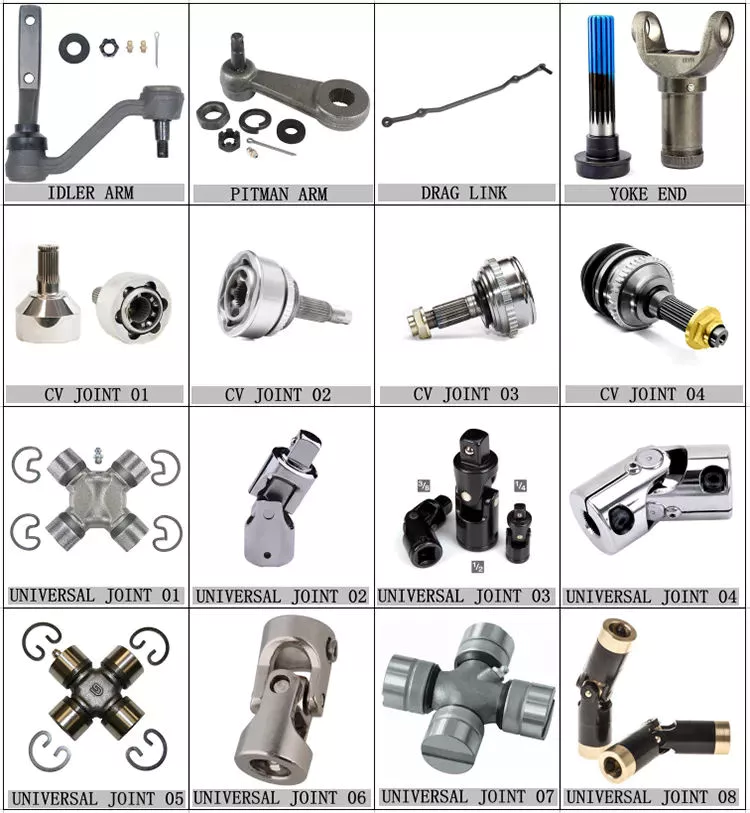
W jaki sposób producenci zapewniają kompatybilność wałów napędowych WOM z różnymi urządzeniami?
Producenci wałów napędowych WOM (WOM) stosują różne strategie i rozważania, aby zapewnić kompatybilność swoich produktów z różnymi typami sprzętu. Środki te są wdrażane na etapie projektowania, produkcji i testowania i obejmują:
1. Standaryzacja:
Producenci przestrzegają norm i specyfikacji branżowych podczas projektowania i produkcji wałów napędowych WOM. Normy takie jak ISO 5676 i ASAE S205.6 zawierają wytyczne dotyczące wymiarów, wymagań bezpieczeństwa i parametrów eksploatacyjnych. Przestrzegając tych norm, producenci mogą zapewnić kompatybilność swoich wałów napędowych z szeroką gamą urządzeń zgodnych z tymi samymi normami branżowymi.
2. Projektowanie inżynierskie:
Producenci zatrudniają doświadczonych inżynierów, którzy projektują wały napędowe WOM, mając na uwadze ich kompatybilność. Biorą pod uwagę takie czynniki, jak wymagany moment obrotowy, prędkość znamionowa, warunki pracy i sprawność przenoszenia mocy. Proces projektowania obejmuje dobór odpowiednich materiałów, obliczenie wymiarów komponentów, określenie metod łączenia oraz uwzględnienie czynników takich jak kompensacja niewspółosiowości. Zwrócenie uwagi na te aspekty projektowe gwarantuje, że wały napędowe będą w stanie sprostać wymaganiom różnych urządzeń, zachowując jednocześnie kompatybilność.
3. Opcje personalizacji:
Producenci często oferują opcje personalizacji, aby spełnić specyficzne wymagania sprzętowe. Klienci mogą zamówić wały napędowe WOM o niestandardowych długościach, typach połączeń i zabezpieczeniach. Oferując personalizację, producenci mogą dostosować wały napędowe do konkretnych konfiguracji sprzętu, zapewniając kompatybilność z różnymi maszynami i zastosowaniami.
4. Wytyczne dotyczące zgodności:
Producenci udostępniają wytyczne dotyczące kompatybilności i specyfikacje wałów napędowych WOM. Wytyczne te określają zalecane zastosowanie, ograniczenia mocy, metody podłączania i inne istotne informacje. Producenci sprzętu i użytkownicy końcowi mogą zapoznać się z tymi wytycznymi, aby upewnić się, że wybrane przez nich wałki napędowe WOM są kompatybilne z ich konkretnym sprzętem i warunkami pracy.
5. Testowanie i walidacja:
Producenci poddają wały napędowe WOM rygorystycznym testom i procedurom walidacji. Proces testowania obejmuje ocenę różnych parametrów eksploatacyjnych, takich jak przenoszenie momentu obrotowego, znamionowe prędkości obrotowe, trwałość i odporność na wibracje. Przeprowadzając obszerne testy, producenci weryfikują kompatybilność swoich wałów napędowych z różnymi urządzeniami i zapewniają, że spełniają one lub przekraczają wymagane normy i specyfikacje.
6. Współpraca z producentami sprzętu:
Producenci często współpracują z producentami sprzętu, aby zapewnić kompatybilność wałów WOM z powiązanymi maszynami. Dzięki ścisłej współpracy z producentami sprzętu, producenci wałów napędowych mogą uzyskać szczegółowe specyfikacje i wymagania dotyczące sprzętu. Współpraca ta pozwala na opracowanie wałów WOM zaprojektowanych specjalnie z myślą o bezproblemowej integracji z maszyną, zapewniając optymalną kompatybilność i wydajność.
7. Ciągłe badania i rozwój:
Producenci inwestują w badania i rozwój, aby stale poprawiać kompatybilność wałów napędowych WOM. Nadążają za trendami branżowymi, postępem technologicznym i zmieniającymi się wymaganiami sprzętowymi. Dzięki proaktywnemu i innowacyjnemu podejściu producenci mogą opracowywać konstrukcje wałów napędowych, które przewidują potrzeby w zakresie kompatybilności nowych i rozwijających się technologii sprzętowych.
8. Wsparcie techniczne i dokumentacja:
Producenci zapewniają wsparcie techniczne i dokumentację, aby pomóc producentom sprzętu i użytkownikom końcowym w wyborze i montażu wałów napędowych WOM. Wsparcie to może obejmować szczegółowe instrukcje montażu, przewodniki rozwiązywania problemów oraz tabele kompatybilności. Oferując kompleksowe zasoby techniczne, producenci gwarantują prawidłową integrację wałów napędowych z różnymi konfiguracjami sprzętu.
Podsumowując, producenci zapewniają kompatybilność wałów WOM z różnymi urządzeniami poprzez standaryzację, projektowanie, opcje personalizacji, wytyczne dotyczące kompatybilności, testowanie i walidację, współpracę z producentami sprzętu, ciągłe badania i rozwój oraz zapewnianie wsparcia technicznego i dokumentacji. Działania te gwarantują bezproblemową integrację wałów WOM z szeroką gamą urządzeń, umożliwiając efektywne przenoszenie mocy i niezawodną pracę.
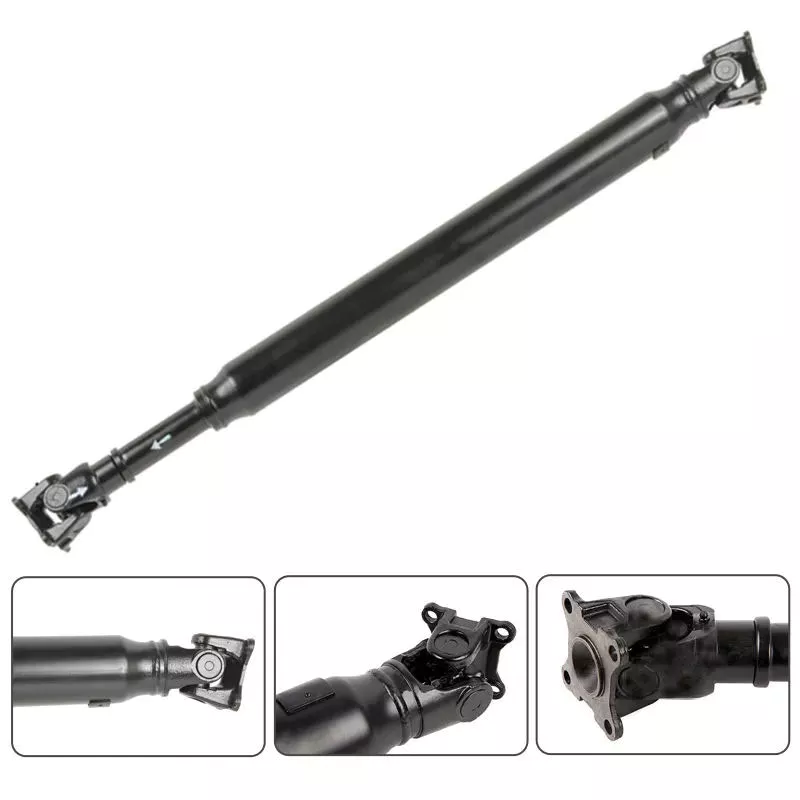
How do PTO drive shafts handle variations in load and torque during operation?
PTO (Power Take-Off) drive shafts are designed to handle variations in load and torque during operation, providing a flexible and efficient power transmission solution. They incorporate several mechanisms and features that enable them to accommodate changes in load and torque. Here’s how PTO drive shafts handle variations in load and torque:
1. Flexible Couplings:
PTO drive shafts typically utilize flexible couplings, such as universal joints or constant velocity joints, at both ends. These couplings allow for angular misalignment and compensate for variations in load and torque. They can accommodate changes in the orientation and position of the driven equipment relative to the power source, reducing stress on the drive shaft and its components.
2. Spring-Loaded Friction Discs:
Some PTO drive shafts incorporate spring-loaded friction discs, commonly known as torque limiters or overload clutches. These devices provide a mechanical means of protecting the drive shaft and connected equipment from excessive torque. When the torque exceeds a predetermined threshold, the friction discs slip, effectively disconnecting the drive shaft from the power source. This protects the drive shaft from damage and allows the system to handle sudden increases or spikes in torque.
3. Slip Clutches:
Slip clutches are another mechanism used in PTO drive shafts to handle variations in torque. Slip clutches allow controlled slippage between the input and output shafts when a certain torque level is exceeded. They provide a means of limiting torque transmission and protecting the drive shaft from overload. Slip clutches can be adjustable, allowing the desired torque setting to be customized based on the specific application.
4. Torque Converters:
In certain applications, PTO drive shafts may incorporate torque converters. Torque converters are fluid coupling devices that use hydraulic principles to transmit torque. They provide a smooth and gradual ramp-up of torque, which helps in handling variations in load and torque. Torque converters can also provide additional benefits such as dampening vibrations and mitigating shock loads.
5. Load-Bearing Capacity:
PTO drive shafts are designed with sufficient load-bearing capacity to handle variations in load during operation. The material selection, diameter, and wall thickness of the drive shaft are optimized based on the anticipated loads and torque requirements. This allows the drive shaft to effectively transmit power without excessive deflection or deformation, ensuring reliable and efficient operation under different load conditions.
6. Regular Maintenance:
Proper maintenance is essential for the reliable operation of PTO drive shafts. Regular inspection, lubrication, and adjustment of the drive shaft components help ensure optimal performance and longevity. By maintaining the drive shaft in good condition, its ability to handle variations in load and torque can be preserved, reducing the risk of failures or unexpected downtime.
It’s important to note that while PTO drive shafts are designed to handle variations in load and torque, there are limits to their capacity. Exceeding the recommended load or torque limits can lead to premature wear, damage to the drive shaft and connected equipment, and compromise safety. It is crucial to operate within the specified parameters and consult the manufacturer’s guidelines for the specific PTO drive shaft model being used.
By incorporating flexible couplings, torque limiters, slip clutches, torque converters, and ensuring adequate load-bearing capacity, PTO drive shafts can effectively handle variations in load and torque during operation. These features contribute to the versatility, efficiency, and reliability of PTO drive shaft systems across a wide range of applications.

Jakie czynniki należy wziąć pod uwagę przy wyborze właściwego wału napędowego WOM do danego zastosowania?
Wybierając odpowiedni wałek napędowy WOM (WOM) do danego zastosowania, należy wziąć pod uwagę kilka istotnych czynników, aby zapewnić optymalną wydajność, bezpieczeństwo i kompatybilność. Oto szczegółowe wyjaśnienie kluczowych czynników, które należy wziąć pod uwagę:
1. Wymagania dotyczące mocy i momentu obrotowego:
Wymagania dotyczące mocy i momentu obrotowego danego zastosowania są kluczowe. Konieczne jest określenie maksymalnej mocy i momentu obrotowego głównego źródła napędu (np. silnika, skrzyni biegów) i dopasowanie ich do pojemności wału napędowego. Wybór wału napędowego, który może obsłużyć wymagane poziomy mocy i momentu obrotowego, zapewnia efektywne przenoszenie mocy i zapobiega przeciążeniom lub uszkodzeniom wału napędowego i podłączonych urządzeń.
2. Prędkość i zakres obrotów:
Należy wziąć pod uwagę zakres prędkości i obrotów na minutę (RPM) urządzenia oraz główne źródło zasilania. Konstrukcja wału napędowego powinna umożliwiać obsługę żądanego zakresu prędkości, zapewniając jednocześnie płynne przenoszenie mocy. Ważne jest, aby wybrać wał napędowy, który będzie w stanie obsłużyć zamierzone prędkości robocze bez nadmiernych wibracji, zacięć i utraty mocy.
3. Rozmiar i konfiguracja sprzętu:
Rozmiar i konfiguracja sprzętu lub narzędzia napędzanego przez wałek WOM są kluczowymi czynnikami. Długość wału napędowego powinna być regulowana lub dobrana odpowiednio, aby zapewnić prawidłowe wyrównanie między głównym źródłem zasilania a wałem wejściowym narzędzia. Dodatkowo należy wziąć pod uwagę wszelkie ograniczenia przestrzenne lub wymagania dotyczące prześwitu wewnątrz sprzętu, które mogą mieć wpływ na wybór konfiguracji wału napędowego.
4. Typ połączenia wału odbioru mocy:
Rodzaj połączenia wymaganego między wałem napędowym WOM a głównym źródłem zasilania i narzędziem ma istotne znaczenie. Typowe typy połączeń to połączenia wielowypustowe, połączenia wpustowe oraz mechanizmy szybkiego odłączania. Aby zapewnić bezpieczne i niezawodne mocowanie, konieczne jest zapewnienie kompatybilności między rodzajem połączenia wału napędowego a odpowiednimi połączeniami w źródle zasilania i narzędziu.
5. Funkcje bezpieczeństwa:
Przy wyborze wału napędowego WOM kluczowe znaczenie mają zabezpieczenia. Należy rozważyć zastosowanie sworzni ścinanych, sprzęgieł lub innych mechanizmów zabezpieczających przed przeciążeniem, aby zapobiec uszkodzeniu wału napędowego i współpracujących z nim urządzeń w przypadku nagłego wzrostu momentu obrotowego lub prędkości. Te zabezpieczenia pomagają chronić przed wypadkami i zmniejszają ryzyko obrażeń operatorów i osób postronnych.
6. Warunki środowiskowe:
Należy wziąć pod uwagę warunki środowiskowe, w których będzie pracował wał napędowy. Należy wziąć pod uwagę takie czynniki, jak ekstremalne temperatury, wilgoć, kurz i środowisko korozyjne. Konieczne może być dobranie wału napędowego z odpowiednimi uszczelnieniami, powłokami lub materiałami, aby zapewnić niezawodną pracę i trwałość w danych warunkach.
7. Konserwacja i serwisowanie:
Należy wziąć pod uwagę dostępność i łatwość konserwacji wybranego wału napędowego. Należy upewnić się, że rutynowe czynności konserwacyjne, takie jak smarowanie, przeglądy i ewentualne naprawy, można wykonywać wygodnie. Łatwość serwisowania pomaga zminimalizować przestoje i zapewnia długą żywotność wału napędowego.
8. Zgodność z normami i przepisami:
Upewnij się, że wybrany wał napędowy WOM jest zgodny z odpowiednimi normami branżowymi i przepisami bezpieczeństwa. Dotyczy to również norm dotyczących elementów układu przeniesienia napędu, takich jak ISO 500-1 dla wałów napędowych WOM. Zgodność z tymi normami gwarantuje, że wał napędowy spełnia niezbędne wymagania dotyczące jakości, bezpieczeństwa i wydajności.
Biorąc pod uwagę takie czynniki, jak zapotrzebowanie na moc i moment obrotowy, zakres prędkości, rozmiar i konfigurację sprzętu, rodzaj połączenia wału odbioru mocy (WOM), funkcje bezpieczeństwa, warunki środowiskowe, konserwację i łatwość serwisowania oraz zgodność z normami i przepisami, można dobrać odpowiedni wał WOM, który najlepiej odpowiada potrzebom konkretnego zastosowania. Prawidłowy dobór zapewnia efektywne przenoszenie mocy, bezpieczeństwo i długotrwałą niezawodność sprzętu.


editor by CX 2024-04-26

























