
Opis produktu
Opis produktu
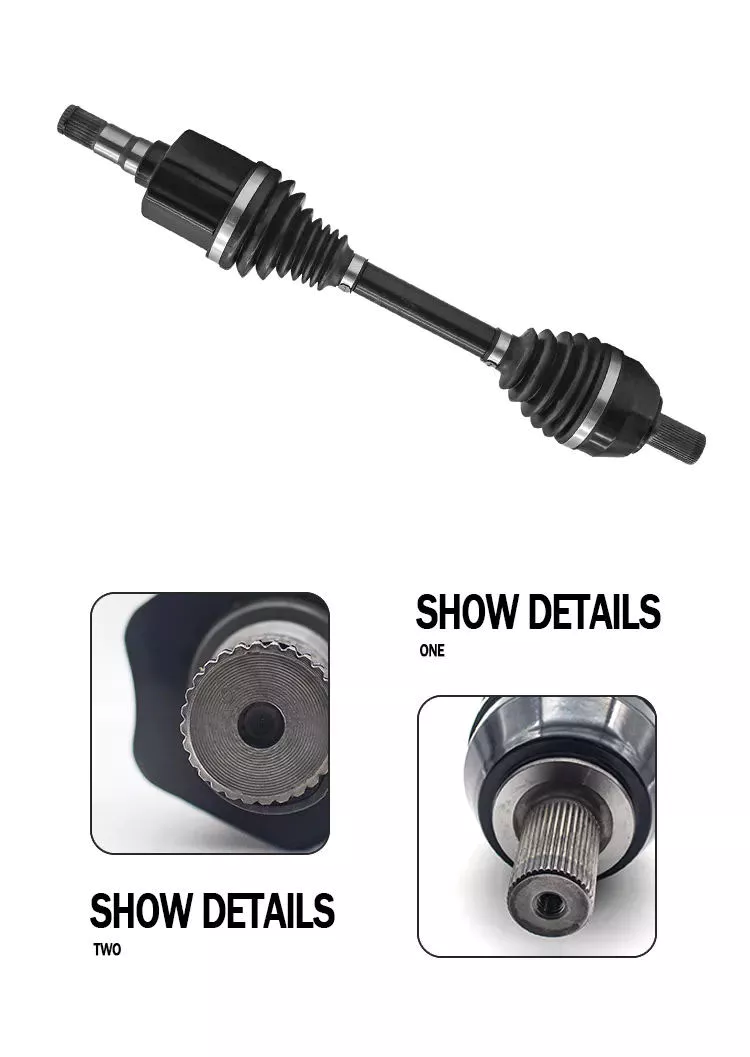
Product Name: Tractor PTO Driveshaft Drive Shaft
Tworzywo: 40CrMo
Waga: From 0.2kg to 5kg
Packing: Wooden case
Minimum Order: 1000pcs
Personalizacja: Available based on your drawings or sample
Introducing the Tractor PTO Driveshaft Drive Shaft by HiHangZhou Precision Forging Technology Co., Ltd. This heavy-duty forged steel slip yoke is designed to provide durability and reliability for your agricultural needs. With a weight range from 0.2kg to 5kg, this driveshaft is suitable for various tractor models. Each unit is carefully packed in a wooden case to ensure safe delivery. Take advantage of our customization option to tailor the product to your specific requirements. Order now to experience the quality and precision of HiHangZhou Precision Forging Technology Co., Ltd.
| Process | Die Forging | |
| Tworzywo | Stainless Steel, Carbon Steel, Alloy Steel | |
| Weight | 0.1Kg~20Kg | |
| Heat Treatment | Quenching, Annealing,Tempering,Normalizing, Quenching and Tempering | |
| Testing instrument | composition testing | Spectrometer, Metallographic microscope |
| Performance testing | Hardness tester, Tensile testing machine | |
| Size Measuring | CMM,Micrometer, Vernier Caliper, Depth Caliper, feeler gauge | |
| Thread Gauge , Height Gauge | ||
| Roughness | Ra1.6~Ra6.3 | |
| Machining Equipment | CNC Center , CNC Machines, Turning, Drilling, Milling, boring machine,Grinding Machines, | |
| Wire EDM,Laser Cutting&Welding, Plasma Cutting &Welding, EDM etc. | ||
| Quality control | Sampling inspection of raw materials and semi-finished products, 100% Inspection of finished products | |
| Surface Treatment | Shot Blast , Powder Coating, Polishing, Galvanized , Chrome Plated | |
| Production Capacity | 60000T / Years | |
| Lead Time | Normally 30 – 45 Days. | |
| Payment Terms | T/T , L/C | |
| Material Standard | ASTM , AISI , DIN , BS, JIS, GB, | |
| Certification | ISO9001:2008, IATF16949:2016 | |
Products Quality Control
Quality control involves the inspection and control of incoming materials, production processes, and finished products. The quality control process at HiHangZhou Precision Forging Technology Co., Ltd. includes:
- Analysis of incoming raw materials using metallographic microscope to ensure chemical composition meets production requirements.
- Timely sampling during production to ensure products are defect-free and handle any quality issues.
- Use of magnetic particle flaw detector to detect hidden cracks or defects in metal parts.
- Sampling of finished metal parts for mechanical performance tests, size measurement, and 100% manual surface quality inspection.
For a visual representation, please refer to the relevant testing equipment pictures provided by HiHangZhou Precision Forging Technology Co., Ltd.
Quality Management System Control
We strictly adhere to ISO9001 and TS16949 quality standards in our system management. Additionally, we implement 5S lean production management on our production site.
The production management site is as follows:
Our Advantages:
Brand: Our parent company, HiHangZhou Group, is a world-renowned high-end machinery manufacturing enterprise with 40 domestic subsidiaries and branches and 8 foreign manufacturing plants. With long-term experience and a good reputation in cooperation with world-renowned enterprises.
Technology: We have a complete production process and equipment research and development capabilities for ferrous metals forming. With over 25 years of production experience in forging equipment and casting equipment manufacturers, one-third of our company’s employees are technicians and R&D personnel, ensuring high-quality products are produced efficiently.
Service: We provide custom and standard manufacturing services with multiple manufacturing process integrations. The quality and delivery of products are fully guaranteed, with quick and effective communication abilities.
Culture: Our unique corporate culture unleashes the potential of individuals and provides strong vitality for the sustainable development of the company.
Social Responsibility: Our company strictly implements low-carbon environmental protection, energy-saving, and emission-reduction production, serving as a benchmark enterprise in the local region.
Company Culture
Our Vision
To become 1 of the leading companies.
Our Mission
To become a platform for employees to realize their dreams.
To become a transforming and upgrading pacemaker of Chinese enterprises.
To set national brands with pride.
Our Belief
Strive to build the company into an ideal platform for entrepreneurs to realize their self-worth and contribute to society.
Values
Improvement is innovation, everyone can innovate.
Innovation inspired and failures tolerated.
Często zadawane pytania
- Q: Are you a trading company or a manufacturer?
A: We are a manufacturer specializing in forging products, casting products, and machining capabilities. - Q: What series products do you offer?
A: We focus on processing ferrous metals through casting, forging, and machining for various industries. - Q: Do you provide samples? Is it free?
A: Yes, we provide samples following traditional practices, with customers covering freight costs. - Q: Is OEM available?
A: Yes, we offer OEM services. - Q: What’s your quality guarantee?
A: We prioritize continuous product quality improvement, backed by strict control measures and certifications like ISO/TS16949 and SGS. - Q: How about the packing?
A: We typically use iron boxes or wooden cases, customizable based on customer preferences. - Q: What is your minimum order quantity?
A: Minimum order quantities vary based on product features like material, weight, and construction. - Q: What is the lead time?
A: Lead times range from 30-45 days for new dies or molds, samples, and large batch production, depending on complexity and quantity. - Q: What payment methods do you accept?
A: Payments can be made via T/T or L/C, with a 30% deposit and 70% balance against the copy of B/L.
Certification
/* 22 stycznia 2571 19:08:37 */!function(){function s(e,r){var a,o={};try{e&&e.split(„”,).forEach(function(e,t){e&&(a=e.match(/(.*?):(.*)$/))&&1
| Processing Object: | Metal |
|---|---|
| Molding Style: | Forging |
| Molding Technics: | Pressure Casting |
| Próbki: |
US$ 20/sztuka
1 sztuka (minimalne zamówienie) | Order Sample |
|---|
| Personalizacja: |
Dostępny
| Spersonalizowane żądanie |
|---|
.shipping-cost-tm .tm-status-off{background: none;padding:0;color: #1470cc}
|
Koszt wysyłki:
Szacowany koszt frachtu na jednostkę. |
about shipping cost and estimated delivery time. |
|---|
| Payment Method: |
|
|---|---|
|
Initial Payment Full Payment |
| Currency: | US$ |
|---|
| Return&refunds: | You can apply for a refund up to 30 days after receipt of the products. |
|---|

Are there any limitations or disadvantages associated with PTO drive shaft systems?
While PTO (Power Take-Off) drive shaft systems offer numerous advantages, there are also some limitations and disadvantages associated with their use. It’s important to consider these factors when deciding whether to implement a PTO drive shaft system. The limitations and disadvantages include:
1. Safety Risks:
PTO drive shaft systems can pose safety risks if not used and maintained properly. The rotating drive shaft, exposed splines, and universal joints can present hazards to operators and bystanders if they come into contact with them while in operation. Entanglement or entrapment of clothing, hair, or body parts in the rotating components can result in severe injuries. It is crucial to follow safety guidelines, use appropriate shielding, and implement safety devices to mitigate these risks.
2. Maintenance and Lubrication:
PTO drive shaft systems require regular maintenance and lubrication to ensure optimal performance and longevity. The joints, splines, and bearings need to be inspected, cleaned, and lubricated as recommended by the manufacturer. Failure to perform routine maintenance can lead to premature wear, increased friction, and eventual component failure, resulting in unexpected downtime and costly repairs.
3. Misalignment and Vibrations:
PTO drive shaft systems can experience misalignment and vibrations, especially when the driven equipment is not perfectly aligned with the power source. Misalignment places additional stress on the drive shaft and its components, leading to increased wear and reduced efficiency. Vibrations generated during operation can also contribute to fatigue and accelerated wear of the drive shaft and connected equipment.
4. Limited Operating Angles:
PTO drive shaft systems typically have limited operating angles due to the design constraints of universal joints. Exceeding the recommended operating angles can cause binding, increased wear, and reduced power transmission efficiency. This limitation may restrict the range of movement or flexibility when connecting PTO-driven equipment, requiring careful planning and alignment during installation.
5. Noise and Vibration:
PTO drive shaft systems can generate noise and vibrations during operation. The rotating components, especially at high speeds, can create audible noise and vibrations that may be transmitted to the operator, the equipment, and the surrounding environment. Excessive noise and vibrations can negatively impact the operator’s comfort, equipment performance, and may require additional measures to mitigate their effects.
6. Limited Power Transfer Capacity:
PTO drive shaft systems have limitations in terms of power transfer capacity. The torque and power that can be transmitted through the drive shaft depend on its design, material strength, and the selected components. In applications requiring high torque or power, alternative power transmission methods such as hydraulic systems or direct mechanical drives may be more suitable and capable of handling the required loads.
7. Compatibility Challenges:
Ensuring compatibility between PTO drive shafts and different equipment can sometimes be challenging. Equipment may have unique connection requirements, such as non-standard splines or flanges, which may require custom adapters or modifications. Achieving compatibility with older or specialized equipment can require additional effort and may not always be straightforward.
8. Cost:
Implementing a PTO drive shaft system can involve significant upfront costs, including the purchase of the drive shaft, compatible equipment, and any necessary adapters or couplings. Additionally, ongoing maintenance, lubrication, and potential repairs can contribute to the overall cost of ownership. It is important to consider the cost-benefit ratio and the specific needs of the application before investing in a PTO drive shaft system.
Despite these limitations and disadvantages, PTO drive shaft systems continue to be widely used due to their versatility, ease of use, and compatibility with a wide range of equipment. By addressing safety concerns, performing regular maintenance, and considering the specific requirements of the application, many of these limitations can be mitigated, allowing for reliable and efficient operation.
Czy wały napędowe WOM można dostosować do konkretnych maszyn i wymagań dotyczących mocy?
Tak, wały napędowe WOM (WOM) można dostosować do konkretnych maszyn i wymagań dotyczących mocy. Producenci często oferują opcje personalizacji, aby zapewnić, że wały napędowe WOM spełniają specyficzne potrzeby różnych zastosowań. Personalizacja może obejmować różne aspekty konstrukcji i specyfikacji wału napędowego, w tym:
1. Długość:
Długość wału napędowego WOM można dostosować do odległości między źródłem zasilania a napędzanym urządzeniem. Zapewnia to prawidłowe dopasowanie i współosiowość, zapobiegając nadmiernemu naprężeniu lub ściskaniu wału napędowego. Dopasowanie długości pozwala na optymalne przeniesienie mocy i pomaga w dostosowaniu do konkretnych konfiguracji i ustawień maszyny.
2. Typ połączenia:
Wały napędowe WOM można dostosować do indywidualnych wymagań maszyny za pomocą różnych typów połączeń. Dostępne są różne metody łączenia, takie jak połączenia wielowypustowe, połączenia kołnierzowe i mechanizmy szybkiego odłączania. Dostosowanie typu połączenia zapewnia kompatybilność i ułatwia montaż i demontaż wału napędowego ze źródłem zasilania i napędzanym urządzeniem.
3. Moc znamionowa:
Dostosowanie mocy znamionowej obejmuje dobór odpowiednich komponentów i materiałów, aby sprostać specyficznym wymaganiom mocy maszyny. Obejmuje to uwzględnienie takich czynników, jak moment obrotowy, prędkości znamionowe oraz rodzaj przeniesienia napędu (np. mechaniczny, hydrauliczny). Dostosowując moc znamionową, producenci mogą zapewnić, że wałek odbioru mocy (WOM) będzie w stanie skutecznie przenosić wymaganą moc bez uszczerbku dla wydajności i bezpieczeństwa.
4. Funkcje ochronne:
Wały napędowe WOM można wyposażyć w dodatkowe zabezpieczenia, które zwiększają bezpieczeństwo i trwałość. Zabezpieczenia te mogą obejmować osłony, pancerze lub pokrywy, które zapobiegają kontaktowi z obracającym się wałem i jego elementami. Dostosowane zabezpieczenia pomagają zmniejszyć ryzyko wypadków i wydłużyć żywotność wału napędowego, chroniąc go przed czynnikami zewnętrznymi, zanieczyszczeniami i potencjalnymi uszkodzeniami.
5. Wybór materiałów:
Wybór materiałów użytych do budowy wałów napędowych WOM można dostosować do konkretnych wymagań. Różne materiały oferują zróżnicowany poziom wytrzymałości, trwałości i odporności na czynniki takie jak korozja czy ekstremalne temperatury. Wybierając odpowiednie materiały, producenci mogą zoptymalizować wydajność i niezawodność wału napędowego pod kątem zamierzonego zastosowania.
6. Zagadnienia środowiskowe:
Dostosowanie wałów napędowych WOM może uwzględniać specyficzne czynniki środowiskowe. Na przykład, jeśli maszyna pracuje w środowisku korozyjnym lub niebezpiecznym, producenci mogą zapewnić powłoki lub materiały o zwiększonej odporności na korozję i działanie substancji chemicznych. Uwzględnienie warunków środowiskowych pomaga zapewnić, że wał napędowy wytrzyma wyzwania stawiane przez środowisko pracy.
7. Zgodność ze standardami:
Wały napędowe WOM na zamówienie mogą być projektowane i produkowane zgodnie z odpowiednimi normami i przepisami branżowymi. Producenci mogą zagwarantować, że niestandardowe wały napędowe spełniają wymagane parametry bezpieczeństwa, wydajności i wymiarów. Zgodność z normami zapewnia kompatybilność, niezawodność i bezpieczeństwo podczas integracji niestandardowych wałów napędowych z konkretnymi maszynami.
Oferując opcje personalizacji, producenci mogą dostosować wały WOM do unikalnych wymagań różnych maszyn i zastosowań. Ta elastyczność pozwala na optymalną integrację, lepszą wydajność i większe bezpieczeństwo. Ważne jest, aby skonsultować się z producentem lub wykwalifikowanym ekspertem w celu ustalenia odpowiednich opcji personalizacji, w oparciu o konkretne wymagania dotyczące maszyn i mocy.

W jaki sposób wałki odbioru mocy radzą sobie ze zmianami prędkości, momentu obrotowego i kątów obrotu?
Wały napędowe WOM (WOM) zostały zaprojektowane tak, aby kompensować wahania prędkości, momentu obrotowego i kątów obrotu, umożliwiając efektywne przenoszenie mocy między głównym źródłem zasilania a narzędziem lub maszyną. Wahania te mogą wynikać z różnic w rozmiarach sprzętu, warunkach pracy i konkretnych wykonywanych zadaniach. Poniżej znajduje się szczegółowe wyjaśnienie, jak wały napędowe WOM radzą sobie z tymi wahaniami:
1. Zmiany prędkości:
Wały napędowe WOM są zaprojektowane tak, aby kompensować wahania prędkości między głównym źródłem napędu a narzędziem. Osiągają to dzięki połączeniu następujących czynników:
- Połączenia wielowypustowe: Wały napędowe WOM są wyposażone w połączenia wielowypustowe na obu końcach, co umożliwia bezpieczne i precyzyjne połączenie z wałem wyjściowym WOM i wałem wejściowym narzędzia. Te połączenia wielowypustowe zapewniają elastyczność w regulacji długości wału napędowego i dostosowaniu go do różnych wymagań prędkościowych.
- Mechanizm teleskopowy lub przesuwny: Niektóre wały napędowe WOM posiadają mechanizm teleskopowy lub przesuwny, który umożliwia regulację długości. Mechanizm ten umożliwia wałowi napędowemu dostosowywanie się do zmian prędkości poprzez jego wysuwanie lub wsuwanie, co pozwala na utrzymanie prawidłowego ustawienia i zapobiega nadmiernemu naprężeniu lub zakleszczeniu. Pozwala to na wydajną pracę wału napędowego nawet przy zmianie odległości między głównym źródłem zasilania a narzędziem.
- Kołki ścinające lub mechanizm sprzęgła: W sytuacjach nagłego wzrostu prędkości lub przeciążenia, wały napędowe WOM mogą być wyposażone w sworznie ścinane lub mechanizm sprzęgła. Te zabezpieczenia mają na celu odłączenie wału napędowego od głównego źródła zasilania, zapobiegając uszkodzeniu wału napędowego i współpracujących z nim urządzeń.
2. Zmiany momentu obrotowego:
Wały WOM są zbudowane tak, aby radzić sobie ze zmianami momentu obrotowego, które często występują podczas napędzania różnych typów maszyn i narzędzi. Oto jak radzą sobie ze zmianami momentu obrotowego:
- Połączenia wielowypustowe: Wielowypustowe połączenia wału napędowego i wału wyjściowego WOM zapewniają bezpieczne i solidne połączenie, które może przenosić wysoki moment obrotowy. Wielowypusty gwarantują prawidłowe ustawienie i przenoszenie momentu obrotowego między dwoma wałami, umożliwiając wałowi napędowemu dostosowanie się do zmiennego zapotrzebowania na moment obrotowy.
- Kołki ścinające lub mechanizm sprzęgła: Podobnie jak w przypadku zmian prędkości obrotowej, w wałach napędowych WOM można zastosować sworznie ścinane lub mechanizm sprzęgła, aby chronić je przed nadmiernym momentem obrotowym. W przypadku przeciążenia lub nagłego wzrostu momentu obrotowego, te zabezpieczenia odłączają wał napędowy od głównego źródła zasilania, zapobiegając uszkodzeniu wału napędowego i podłączonego sprzętu.
- Wzmocniona konstrukcja: Wały napędowe WOM są zazwyczaj wykonane z trwałych materiałów, takich jak stal lub stopy kompozytowe. Ta solidna konstrukcja pozwala im wytrzymywać wysokie poziomy momentu obrotowego i radzić sobie z wahaniami bez utraty integralności strukturalnej.
3. Kąty obrotu:
Wały napędowe WOM są zaprojektowane tak, aby kompensować różnice kątów obrotu między głównym źródłem zasilania a narzędziem. Oto jak sobie z nimi radzą:
- Elastyczna konstrukcja: Wały napędowe WOM są z natury elastyczne, co pozwala im dostosowywać się do różnych kątów obrotu. Wspomniane wcześniej połączenia wielowypustowe oraz mechanizmy teleskopowe lub przesuwne zapewniają niezbędną elastyczność, umożliwiającą obsługę zmian kąta bez negatywnego wpływu na przenoszenie mocy.
- Przeguby uniwersalne: W sytuacjach, w których występują znaczne wahania kątowe, wały napędowe WOM mogą być wyposażone w przeguby krzyżakowe. Przeguby krzyżakowe umożliwiają płynne przenoszenie mocy, nawet gdy wał wejściowy i wyjściowy są niewspółosiowe lub ustawione pod różnymi kątami. Dostosowują one zmiany kierunku obrotów i kompensują wahania kątowe, zapewniając efektywne przenoszenie mocy.
Dzięki zastosowaniu takich elementów jak połączenia wielowypustowe, mechanizmy teleskopowe lub przesuwne, sworznie ścinane lub mechanizmy sprzęgłowe, wzmocniona konstrukcja oraz przeguby uniwersalne, wały WOM radzą sobie ze zmianami prędkości, momentu obrotowego i kątów obrotu. Te elementy konstrukcyjne umożliwiają efektywne przenoszenie mocy i zapewniają płynną pracę narzędzi i maszyn w różnych zadaniach i warunkach pracy.


editor by CX 2024-04-19

























