Opis produktu
High Quality Agricultural Machinery Tractor PTO Shaft Agriculture Shaft Propeller Shaft Joint Yellow
Opis produktu
The tractor PTO is a power take-off. It provides energy for the implements connected to the tractor. The tractor is used for
Various types of work in agriculture. It is mainly used for towing implements. To complete this particular work, a PTO tractor is required.
The PTO shaft is used to power various machines. Most agricultural equipment requires a power take-off system to convert the rotating energy of the engine into implements. The PTO drive shaft is the most common solution. These mechanisms convert engine energy into hydraulic pressure. The PTO shaft is used to tow heavy loads. However, if they are not used properly, they may be defective and cause the machine to malfunction. If you own a farm tractor, you may want to know how to make the most of your PTO shaft. The transmission system converts the power of the leading tractor into the rotation of the PTO drive shaft. In addition, PTO shafts are helpful in agricultural practice because they can be connected to various work equipment. The following are some of the most common agricultural applications of the PTO shaft.
Product Parameters
|
Model Number |
SP48 |
|
Function |
Power transmission |
|
Use |
Tractors and various farm implements |
|
Place of CHINAMFG |
ZHangZhoug, China (Mainland) |
|
Yoke Type |
push pin/quick release/ball attachment/collar/double push pin/bolt pins/split pins |
|
Processing Of Yoke |
Forging |
|
Plastic Cover |
YW;BW;YS;BS |
|
Color |
Yellow;black |
|
Szereg |
1S;2S;3S;4S;5S;6S;7S;8S;9S;10S;38S;48S;36 |
|
Tube Type |
Trianglar/star/lemon |
|
Processing Of Tube |
Cold drawn |
|
Spline Type |
1 3/8″ Z6; 1 3/8 Z21 ;1 3/4 Z20;1 1/8 Z6; 1 3/4 Z6; 8*42*48*8; 8*32*38*6 |
How does the PTO shaft work?
The PTO shaft works by allowing the tractor to rotate at high speeds. The PTO shaft consists of a telescopic tube, a universal joint, and a yoke. Plastic shields and chains usually protect it. The PTO shaft allows the tractor to rotate at 2 different speeds when connected to an implement. Typically, these shafts are used for wood chippers, rotary cultivators, and lawnmowers.
The PTO shaft works by obtaining energy from the tractor engine. This energy is then transferred to the hydraulic pump, which creates pressure and moves the hydraulic fluid. This movement transfers energy from the tractor engine to the implement. In large tractors, the power take-off is more efficient
Profil firmy
Company Information
/* January 22, 2571 19:08:37 */!function(){function s(e,r){var a,o={};try{e&&e.split(“,”).forEach(function(e,t){e&&(a=e.match(/(.*?):(.*)$/))&&1
| Typ: | Rolniczy |
|---|---|
| Stosowanie: | Przetwórstwo produktów rolnych, infrastruktura gruntów rolnych, uprawa roli, kombajn, sadzenie i nawożenie, młócenie, czyszczenie i suszenie ziarna |
| Tworzywo: | Iron |
| Źródło zasilania: | Electricity |
| Waga: | 6kg |
| Serwis posprzedażowy: | Installation Guide 3-Year Warranty |
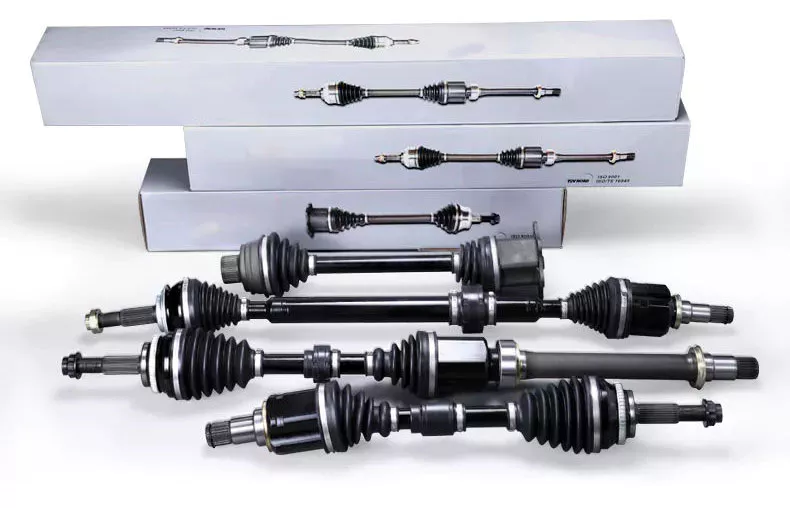
How do PTO shafts ensure efficient power transfer while maintaining safety?
PTO (Power Take-Off) shafts play a crucial role in ensuring efficient power transfer from a power source to driven machinery or equipment, while also maintaining safety. These shafts are designed with various features and mechanisms to optimize power transmission efficiency and mitigate potential hazards. Here’s a detailed explanation of how PTO shafts achieve efficient power transfer while prioritizing safety:
1. Mechanical Power Transmission: PTO shafts serve as mechanical linkages between the power source, typically a tractor or engine, and the driven machinery. They transmit rotational power from the power source to the equipment, enabling efficient transfer of energy. The mechanical design of PTO shafts, including their diameter, length, and material composition, is optimized to minimize power losses during transmission, ensuring that a significant portion of the power generated by the source is effectively delivered to the machinery.
2. Universal Joints and Flexible Couplings: PTO shafts are equipped with universal joints and flexible couplings that allow for angular misalignment and flexibility in movement. Universal joints accommodate variations in the alignment between the power source and the driven machinery, enabling smooth power transfer even when the two components are not perfectly aligned. Flexible couplings help to compensate for slight misalignments, reduce vibration, and prevent excessive stress on the shaft and connected components, thereby enhancing efficiency and reducing the risk of mechanical failure or damage.
3. Constant Velocity (CV) Joints: CV joints are often used in PTO shafts to maintain constant speed and torque transfer, particularly in applications where the driven machinery requires flexibility or operates at different angles. CV joints allow for smooth power transmission without significant fluctuations, even when the driven machinery is at an angle relative to the power source. By minimizing speed variations and power loss due to changing angles, CV joints contribute to efficient power transfer while ensuring consistent performance and reducing the likelihood of mechanical stress or premature wear.
4. Safety Guards and Shields: Safety is a paramount consideration in the design of PTO shafts. Protective guards and shields are installed to cover the rotating shaft and other moving parts. These guards act as physical barriers to prevent accidental contact with the rotating components, significantly reducing the risk of entanglement, injury, or damage. Safety guards are typically made of durable materials such as metal or plastic and are designed to allow the necessary movement for power transmission while providing adequate protection. Regular inspection and maintenance of these guards are crucial to ensure their effectiveness in maintaining safety.
5. Shear Bolt or Slip Clutch Mechanisms: PTO shafts often incorporate shear bolt or slip clutch mechanisms as safety features to protect the driveline components and prevent damage in case of excessive torque or sudden resistance. Shear bolts are designed to shear or break when the torque exceeds a predetermined threshold, disconnecting the PTO shaft from the power source. This helps prevent damage to the shaft, driven machinery, and power source. Slip clutches work similarly by allowing the PTO shaft to slip when excessive resistance is encountered, protecting the components from overload. These mechanisms act as safety measures to maintain the integrity of the PTO shaft and associated equipment while minimizing the risk of mechanical failures or accidents.
6. Compliance with Safety Standards: PTO shafts are designed and manufactured to comply with relevant safety standards and regulations. Manufacturers follow guidelines and requirements set by organizations such as the American Society of Agricultural and Biological Engineers (ASABE) or other regional safety authorities. Compliance with these standards ensures that PTO shafts meet specific safety criteria, including torque capacity, guard design, and other safety considerations. Users can rely on standardized PTO shafts that have undergone testing and certification, providing an additional layer of assurance regarding their safety and performance.
7. Operator Education and Training: To ensure safe and efficient operation, it is essential for operators to receive proper education and training on PTO shafts. Operators should be familiar with the specific safety features, maintenance requirements, and safe operating procedures for the PTO shafts used in their applications. This includes understanding the importance of using appropriate personal protective equipment, regularly inspecting the equipment for wear or damage, and following recommended maintenance schedules. Operator awareness and adherence to safety protocols significantly contribute to maintaining a safe working environment and maximizing the efficiency of power transfer.
In summary, PTO shafts ensure efficient power transfer while maintaining safety through their mechanical design, incorporation of universal joints and CV joints, installation of safety guards and shields, implementation of shear bolt or slip clutch mechanisms, compliance with safety standards, and operator education. By combining these features and practices, PTO shafts provide reliable and secure power transmission, minimizing power losses and potential risks associated with their operation.

W jaki sposób wały odbioru mocy przyczyniają się do wydajności prac rolniczych?
Wały odbioru mocy (WOM) odgrywają kluczową rolę w poprawie wydajności prac rolniczych, zapewniając wszechstronne i niezawodne źródło zasilania dla różnych maszyn rolniczych. Wały WOM umożliwiają maszynom rolniczym dostęp do mocy z ciągników lub innych głównych napędów, umożliwiając efektywny transfer energii do wykonywania szerokiego zakresu zadań. Oto szczegółowe wyjaśnienie, jak wały WOM przyczyniają się do wydajności prac rolniczych:
1. Wszechstronność: Wały odbioru mocy (WOM) oferują wszechstronność, umożliwiając podłączenie różnych typów narzędzi i maszyn do ciągników lub innych źródeł zasilania. Ta wszechstronność pozwala rolnikom używać jednego agregatu napędowego, takiego jak ciągnik, do obsługi wielu narzędzi rolniczych, takich jak kosiarki, prasy, glebogryzarki, siewniki, opryskiwacze i inne. Możliwość szybkiego przełączania między różnymi narzędziami za pomocą wału WOM minimalizuje przestoje i maksymalizuje wydajność prac rolniczych.
2. Przenoszenie mocy: Wały odbioru mocy (WOM) efektywnie przekazują moc z silnika ciągnika do maszyn rolniczych. Moc obrotowa generowana przez silnik jest przekazywana przez wał WOM, napędzając podłączone do niego maszyny. To bezpośrednie przeniesienie mocy eliminuje potrzebę stosowania oddzielnych silników elektrycznych dla każdego narzędzia, co zmniejsza koszty sprzętu i wymagania konserwacyjne. Wały WOM zapewniają niezawodne zasilanie, umożliwiając sprawne i efektywne wykonywanie prac rolniczych.
3. Zwiększona produktywność: Dzięki wykorzystaniu wałów odbioru mocy (WOM) prace rolnicze można wykonywać szybciej i wydajniej niż ręcznie lub za pomocą alternatywnych metod. Maszyny napędzane WOM zazwyczaj pracują z większą prędkością i mocą w porównaniu z narzędziami obsługiwanymi ręcznie lub ręcznie. Ta zwiększona wydajność pozwala rolnikom na wydajniejsze wykonywanie zadań takich jak orka, siew, zbiór i przeładunek materiałów, zmniejszając nakład pracy i zwiększając ogólną wydajność gospodarstwa.
4. Oszczędność czasu: Wały odbioru mocy (WOM) przyczyniają się do oszczędności czasu w pracach rolniczych. Możliwość szybkiego podłączania i odłączania narzędzi za pomocą standardowych wałów WOM pozwala rolnikom na szybką zmianę zadań. Oszczędza to czas podczas ustawiania sprzętu, a także podczas przechodzenia między różnymi operacjami w polu. Efektywność czasowa jest szczególnie cenna w krytycznych okresach rolniczych, takich jak sadzenie czy zbiory, gdzie terminowe wykonanie prac jest kluczowe dla uzyskania optymalnych plonów i ich jakości.
5. Zmniejszenie nakładu pracy fizycznej: Wały odbioru mocy minimalizują konieczność ręcznej pracy przy uciążliwych lub powtarzalnych zadaniach. Wykorzystując moc ciągników lub innych maszyn rolniczych, rolnicy mogą zmechanizować różne operacje, które w przeciwnym razie wymagałyby znacznego wysiłku fizycznego. Narzędzia rolnicze napędzane wałami odbioru mocy mogą wykonywać takie zadania, jak orka, koszenie i belowanie, przy minimalnej ingerencji człowieka, co obniża koszty pracy i poprawia ogólną wydajność.
6. Precyzja i spójność: Wały odbioru mocy (WOM) przyczyniają się do precyzji i powtarzalności w pracach rolniczych. Stałe zasilanie z WOM zapewnia równomierną pracę i wydajność podłączonych maszyn. Pomaga to w uzyskaniu powtarzalnego rozmieszczenia nasion, równomiernego rozprowadzania nawozów lub środków chemicznych oraz precyzyjnego koszenia lub zbioru plonów. Precyzja i powtarzalność przekładają się na lepszą jakość plonów, większe plony i mniejszą ilość odpadów, co ostatecznie przekłada się na ogólną wydajność prac rolniczych.
7. Zdolność przystosowania się do różnych warunków terenowych: Maszyny napędzane WOM są wysoce adaptowalne do różnych rodzajów terenu spotykanego w rolnictwie. Ciągniki wyposażone w WOM mogą pokonywać nierówny lub trudny teren, umożliwiając efektywną pracę narzędzi na zboczach, nierównych polach i pagórkowatych terenach. Ta adaptowalność pozwala rolnikom efektywnie zarządzać swoimi gruntami, niezależnie od wyzwań topograficznych, zwiększając wydajność operacyjną i produktywność.
8. Integracja z automatyzacją i technologią: Wały odbioru mocy (WOM) można zintegrować z automatyką i postępem technologicznym w nowoczesnych praktykach rolniczych. Systemy automatyki, takie jak precyzyjne prowadzenie i sterowanie, można zsynchronizować z maszynami napędzanymi WOM, aby zoptymalizować operacje i zminimalizować straty. Ponadto, postęp w gromadzeniu i analizie danych pozwala rolnikom monitorować i optymalizować wydajność maszyn, zużycie paliwa i produktywność, co dodatkowo zwiększa efektywność działalności rolniczej.
Zapewniając wszechstronność, efektywny transfer mocy, zwiększoną wydajność, oszczędność czasu, redukcję nakładu pracy ręcznej, precyzję, możliwość adaptacji do terenu oraz integrację z automatyką i technologią, wały odbioru mocy znacząco przyczyniają się do zwiększenia efektywności operacji rolniczych. Umożliwiają rolnikom łatwe wykonywanie szerokiego zakresu zadań, co ostatecznie przekłada się na wzrost wydajności, redukcję kosztów i wspieranie zrównoważonych praktyk rolniczych.

Can you explain the different types of PTO shafts and their applications?
PTO shafts (Power Take-Off shafts) come in various types, each designed for specific applications and requirements. The different types of PTO shafts offer versatility and compatibility with a wide range of machinery and implements. Here’s an explanation of the most common types of PTO shafts and their applications:
1. Standard PTO Shaft: The standard PTO shaft, also known as a splined shaft, is the most common type used in agricultural and industrial machinery. It consists of a solid steel shaft with splines or grooves along its length. The standard PTO shaft typically has six splines, although variations with four or eight splines can be found. This type of PTO shaft is widely used in tractors and various implements, including mowers, balers, tillers, and rotary cutters. The splines provide a secure connection between the power source and the driven machinery, ensuring efficient power transfer.
2. Shear Bolt PTO Shaft: Shear bolt PTO shafts are designed with a safety feature that allows the shaft to separate in case of overload or sudden shock to protect the driveline components. These PTO shafts incorporate a shear bolt mechanism that connects the tractor’s power take-off to the driven machinery. In the event of excessive load or sudden resistance, the shear bolt is designed to break, disconnecting the PTO shaft and preventing damage to the driveline. Shear bolt PTO shafts are commonly used in equipment that may encounter sudden obstructions or high-stress situations, such as wood chippers, stump grinders, and heavy-duty rotary cutters.
3. Friction Clutch PTO Shaft: Friction clutch PTO shafts feature a clutch mechanism that allows for smooth engagement and disengagement of the power transfer. These PTO shafts typically incorporate a friction disc and a pressure plate, similar to a traditional vehicle clutch system. The friction clutch allows operators to gradually engage or disengage the power transfer, reducing shock loads and minimizing wear on the driveline components. Friction clutch PTO shafts are commonly used in applications where precise control of power engagement is required, such as in hydraulic pumps, generators, and industrial mixers.
4. Constant Velocity (CV) PTO Shaft: Constant Velocity (CV) PTO shafts, also known as homokinetic shafts, are designed to accommodate high angles of misalignment without affecting power transmission. They use a universal joint mechanism that allows for smooth power transfer even when the driven machinery is at an angle relative to the power source. CV PTO shafts are frequently used in applications where the machinery requires a significant range of movement or articulation, such as in articulated loaders, telescopic handlers, and self-propelled sprayers.
5. Telescopic PTO Shaft: Telescopic PTO shafts are adjustable in length, allowing for flexibility in equipment configuration and varying distances between the power source and the driven machinery. They consist of two or more concentric shafts that slide within each other, providing the ability to extend or retract the PTO shaft as needed. Telescopic PTO shafts are commonly used in applications where the distance between the tractor’s power take-off and the implement varies, such as in front-mounted implements, snow blowers, and self-loading wagons. The telescopic design enables easy adaptation to different equipment setups and minimizes the risk of the PTO shaft dragging on the ground.
6. Gearbox PTO Shaft: Gearbox PTO shafts are designed to adapt power transmission between different rotational speeds or directions. They incorporate a gearbox mechanism that allows for speed reduction or increase, as well as the ability to change rotational direction. Gearbox PTO shafts are commonly used in applications where the driven machinery requires a different speed or rotational direction than the tractor’s power take-off. Examples include grain augers, feed mixers, and industrial equipment that requires specific speed ratios or reversing capabilities.
It’s important to note that the availability and specific applications of PTO shaft types may vary based on regional and industry-specific factors. Additionally, certain machinery or implements may require specialized or custom PTO shafts to meet specific requirements.
In summary, the different types of PTO shafts, such as standard, shear bolt, friction clutch, constant velocity (CV), telescopic, and gearbox shafts, offer versatility and compatibility with various machinery and implements. Each type of PTO shaft is designed to address specific needs, such as power transfer efficiency, safety, smooth engagement, misalignment tolerance, adaptability, and speed/direction adjustment. Understanding the different types of PTO shafts and their applications is crucial for selecting the appropriate shaft forthe intended machinery and ensuring optimal performance and reliability.

editor by CX 2024-04-13