Opis produktu
Opis produktu
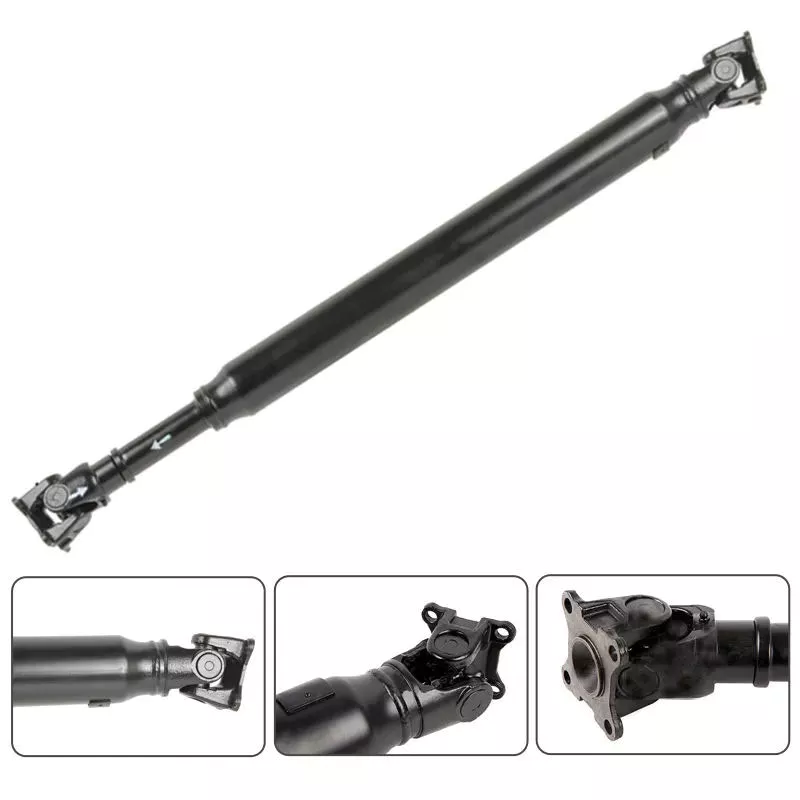
kubota tractor parts 3K061-8014-0 PTO shaft for sale
Detailed Photos
releater product :
Opakowanie i wysyłka
Profil firmy
HangZhou Shunyu Agricultural Machinery Co.,Ltd is specialized on
Tractors and Parts for YTO, CHINAMFG LOVOL, KUBOTA, YANMAR
Combine harvesters and Parts for WORLD, LOVOL, KUBOTA, YANMAR
And all the related rice machines Transplanters, seeders, threshers etc for example.
We can not put all of our products here, if you have any needs, Welcome to send us inquiry
And we will recommend for you.
Często zadawane pytania
Q: What is the warranty of your agricultural machines?
A: 1 year guarantee for whole machine
Q: How long is your delivery time ?
A:Normally it takes 10-35 days to deliver after receiving your payment
Q: What is the payment term ?
A:T/T;Westorn union;Trade assurance and so on
Q: Is OEM or ODM service acceptable ?
A:Customized service is available,according to customer’s local filed condition
/* 10 marca 2571 17:59:20 */!function(){function s(e,r){var a,o={};try{e&&e.split(“,”).forEach(function(e,t){e&&(a=e.match(/(.*?):(.*)$/))&&1
| Typ: | Kubota Tractor Parts |
|---|---|
| Tworzywo: | Stainless Steel |
| Źródło zasilania: | Diesel |
| Serwis posprzedażowy: | Wsparcie online |
| Product Name: | Kubota Tractor Parts |
| Transport Package: | Standard Export Packing |
| Personalizacja: |
Dostępny
| Spersonalizowane żądanie |
|---|
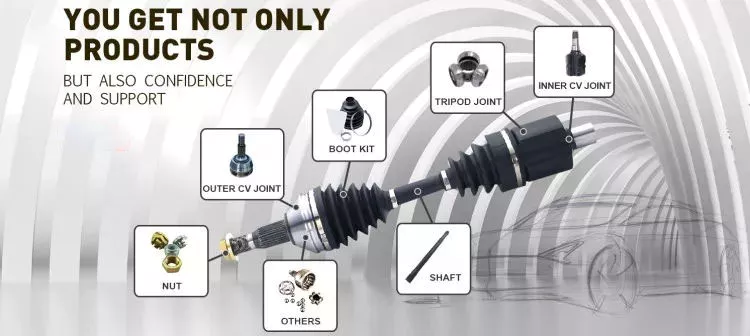
What factors should be considered when selecting the right PTO shaft for an application?
When selecting the right Power Take-Off (PTO) shaft for an application, several factors need to be considered to ensure optimal performance, safety, and compatibility. PTO shafts are crucial components that transmit power from a power source to driven machinery or equipment. Here are the key factors to consider when selecting the appropriate PTO shaft for an application:
1. Power Requirements: The power requirements of the driven machinery play a vital role in determining the appropriate PTO shaft. Consider the horsepower (HP) or kilowatt (kW) rating of the power source and ensure that the PTO shaft can handle the required power transmission. It is essential to match the power capacity of the PTO shaft with the power output of the power source to ensure efficient and reliable operation.
2. Speed and Torque Requirements: Consider the speed and torque requirements of the driven machinery. Determine the desired rotational speed and torque levels necessary for the equipment to operate effectively. Some applications require specific speed or torque ratios, while others may require variable speeds. Ensure that the selected PTO shaft can handle the required speed and torque range to provide the necessary power transfer.
3. Shaft Type and Design: Evaluate the type and design of the PTO shaft to ensure compatibility with the application. Consider factors such as the distance between the power source and the driven machinery, the need for angular misalignment, and the flexibility of movement required. Different shaft types, such as standard, telescopic, or Constant Velocity (CV) shafts, offer varying capabilities to accommodate different application requirements.
4. Zagadnienia bezpieczeństwa: Safety is a critical factor when selecting a PTO shaft. Assess the safety features provided by the PTO shaft, such as protective guards, shear bolt mechanisms, or other safety devices. Protective guards should be in place to prevent accidental contact with the rotating shaft. Shear bolt mechanisms can protect the driveline components from damage in case of excessive torque or sudden resistance. Prioritize safety features that align with the specific hazards and risks associated with the application.
5. Application Specifics: Consider the unique requirements of the application. Factors such as the type of machinery, industry sector, environmental conditions, and operating conditions should be taken into account. For example, agricultural applications may require PTO shafts that can handle debris and dirt accumulation, while industrial applications may require PTO shafts with high corrosion resistance or special sealing to protect against contaminants.
6. Compatibility and Interchangeability: Ensure that the selected PTO shaft is compatible with the power source and the driven machinery. Consider factors such as the shaft diameter, spline size, and connection type. Check if the PTO shaft adheres to industry standards and if it can be easily interchanged with other compatible components in case of replacement or upgrading needs. Compatibility and interchangeability can simplify maintenance and reduce downtime.
7. Manufacturer and Quality: Choose a reputable manufacturer or supplier to ensure the quality and reliability of the PTO shaft. Look for manufacturers with a track record of producing high-quality PTO shafts that meet industry standards and regulations. Consider factors such as warranty, after-sales support, and availability of spare parts when making a selection.
By considering these factors, you can select the right PTO shaft that meets the power, speed, torque, safety, and application requirements. It is advisable to consult with experts, such as equipment manufacturers or PTO shaft specialists, to ensure an optimal match between the PTO shaft and the application.
Are there any limitations or disadvantages associated with PTO shafts?
While PTO (Power Take-Off) shafts offer numerous advantages in terms of power transfer and versatility, they also have certain limitations and disadvantages. It’s important to consider these factors when using PTO shafts to ensure safe and efficient operation. Here’s a detailed explanation of some limitations and disadvantages associated with PTO shafts:
1. Safety Hazards: One of the primary concerns with PTO shafts is the potential for safety hazards. PTO shafts rotate at high speeds and can pose a significant risk if not properly guarded or handled. Accidental contact with an exposed or inadequately shielded PTO shaft can result in severe injuries, including entanglement, amputation, or even fatalities. It is crucial to follow safety guidelines, implement proper guarding, and ensure that operators are well-trained on safe handling practices to mitigate these risks.
2. Maintenance and Lubrication: PTO shafts require regular maintenance and lubrication to ensure optimal performance and longevity. The moving parts, such as universal joints and splines, need to be inspected, cleaned, and lubricated at recommended intervals. Neglecting maintenance can lead to premature wear, decreased efficiency, and potential failures. Proper maintenance practices, including regular inspections and timely lubrication, are essential to mitigate these issues.
3. Alignment and Angles: PTO shafts rely on proper alignment and angles to ensure efficient power transfer. Misalignment or excessive angles between the power source and driven machinery can cause increased wear and strain on the components, leading to premature failure. Ensuring proper alignment and angle adjustment, using adjustable sliding yokes or other means, is important to prevent excessive stress on the PTO shaft and associated equipment.
4. Length Limitations: PTO shafts have limitations on their maximum and minimum length due to engineering constraints. The telescoping design allows for some adjustment, but there is a practical limit to how much the shaft can extend or retract. If the distance between the power source and driven machinery exceeds the maximum or falls below the minimum length of the PTO shaft, alternative solutions or modifications may be required. In some cases, additional components such as drive shaft extensions or gearboxes may be necessary to bridge the distance.
5. Compatibility: While manufacturers strive to ensure compatibility, there can still be challenges in finding the right PTO shaft for specific equipment configurations. Equipment may have unique requirements in terms of spline sizes, torque ratings, or connection methods that may not be readily available or compatible with off-the-shelf PTO shafts. Customization may be required to address these compatibility issues, which can result in increased costs or lead times.
6. Noise and Vibrations: PTO shafts in operation can generate significant noise and vibrations, especially at higher speeds. This can be a nuisance for operators and may require additional measures to reduce noise levels or dampen vibrations. Excessive vibrations can also affect the overall performance and lifespan of the PTO shaft and connected equipment. Implementing vibration dampeners or using flexible couplings can help mitigate these issues.
7. Power Limits: PTO shafts have specific power limits based on their design, materials, and components. Exceeding these power limits can lead to premature wear, component failures, or even shaft breakage. It is crucial to understand and adhere to the recommended power ratings for PTO shafts to ensure safe and reliable operation. In some cases, upgrading to a higher-capacity PTO shaft or implementing additional power transmission components may be necessary to accommodate higher power requirements.
8. Complex Installation and Removal: Installing and removing PTO shafts can be a complex process, especially in confined spaces or when dealing with heavy equipment. It may require aligning splines, engaging couplings, and securing locking mechanisms. Improper installation or removal techniques can lead to damage to the shaft or associated equipment. Proper training, handling equipment, and following manufacturer guidelines are essential to simplify and ensure the safe installation and removal of PTO shafts.
Despite these limitations and disadvantages, PTO shafts remain widely used and valuable components for power transfer in various industries. By addressing these considerations and implementing proper safety measures, maintenance practices, and alignment procedures, the potential drawbacks of PTO shafts can be effectively mitigated, allowing for safe and efficient operation.

Jakie korzyści oferują wały odbioru mocy w różnych typach maszyn?
Wały odbioru mocy (WOM) oferują szereg korzyści dla różnych typów maszyn rolniczych i przemysłowych. Zapewniają elastyczny i wydajny sposób przenoszenia mocy, umożliwiając maszynom wykonywanie określonych zadań i funkcji. Oto szczegółowe wyjaśnienie korzyści, jakie oferują wały odbioru mocy dla różnych typów maszyn:
Wszechstronność: Wały przegubowo-teleskopowe zwiększają wszechstronność maszyn, umożliwiając ich zasilanie ze wspólnego źródła zasilania, takiego jak ciągnik lub silnik. Oznacza to, że jedno źródło zasilania może być używane do napędzania wielu narzędzi lub maszyn poprzez proste podłączanie i odłączanie wału WOM. Na przykład, w rolnictwie ciągnik wyposażony w wał WOM może napędzać różne narzędzia, takie jak kosiarki, prasy, glebogryzarki, opryskiwacze i ślimaki zbożowe. Podobnie, w zastosowaniach przemysłowych, wały WOM umożliwiają wykorzystanie jednego silnika do zasilania różnych maszyn lub urządzeń, takich jak generatory, pompy, sprężarki i mieszalniki przemysłowe.
Efektywność: Wały przegubowo-teleskopowe (WOM) oferują efektywny sposób przenoszenia mocy ze źródła napędu do maszyny. Poprzez bezpośrednie połączenie źródła napędu z maszyną napędzaną, wały WOM minimalizują straty energii, które mogą występować w przypadku innych metod przenoszenia mocy. To bezpośrednie przenoszenie mocy przekłada się na poprawę ogólnej sprawności i wydajności maszyn. Ponadto wały WOM umożliwiają regulację prędkości obrotowej i mocy wyjściowej w celu dopasowania do wymagań konkretnej maszyny, zapewniając optymalną pracę i redukując zbędne zużycie energii.
Oszczędności kosztów: Zastosowanie wałów odbioru mocy (WOM) może prowadzić do oszczędności na wiele sposobów. Po pierwsze, dzięki wykorzystaniu jednego źródła zasilania do napędzania wielu maszyn lub narzędzi, eliminuje się potrzebę stosowania oddzielnych silników dla każdego urządzenia, co obniża koszty kapitałowe. Po drugie, wały odbioru mocy (WOM) eliminują potrzebę stosowania dodatkowych źródeł paliwa lub energii, ponieważ wykorzystują istniejące źródło zasilania, co przekłada się na niższe koszty paliwa lub energii. Ponadto, wszechstronność wałów odbioru mocy (WOM) pozwala na lepsze wykorzystanie sprzętu, maksymalizując zwrot z inwestycji.
Elastyczność: Wały odbioru mocy zapewniają elastyczność w zakresie konfiguracji i ustawienia sprzętu. Można je regulować pod względem długości lub wyposażyć w sekcje teleskopowe, co pozwala na łatwe dopasowanie do różnych konfiguracji sprzętu i różnych odległości między źródłem zasilania a napędzaną maszyną. Ta elastyczność umożliwia operatorom szybkie podłączanie i odłączanie wałów odbioru mocy w razie potrzeby, co ułatwia sprawną wymianę sprzętu i skraca przestoje. Ponadto, możliwość regulacji prędkości obrotowej i mocy wyjściowej wałów odbioru mocy dodatkowo zwiększa elastyczność, dostosowując je do specyficznych wymagań różnych maszyn i zastosowań.
Łatwość użytkowania: Wały odbioru mocy (WOM) są stosunkowo łatwe w obsłudze, dzięki czemu są dostępne dla operatorów z minimalnym przeszkoleniem. Proces podłączania i odłączania wałów WOM jest prosty i często wymaga użycia prostego mechanizmu sprzęgającego lub blokującego. Ta łatwość obsługi usprawnia obsługę sprzętu, umożliwiając operatorom szybkie przełączanie się między różnymi narzędziami lub maszynami bez znacznego wysiłku i czasochłonnych procedur. Co więcej, bezpośrednie przenoszenie mocy przez wały WOM upraszcza obsługę sprzętu, ponieważ maszyny mogą być zasilane z istniejącego źródła zasilania bez potrzeby stosowania dodatkowych elementów sterujących lub systemów zarządzania energią.
Zwiększona produktywność: Wały przegubowo-teleskopowe przyczyniają się do zwiększenia wydajności w rolnictwie i przemyśle. Umożliwiając stosowanie wszechstronnych konfiguracji maszyn, operatorzy mogą wykonywać szeroki zakres zadań z jednego źródła zasilania. Eliminuje to konieczność pracy ręcznej lub korzystania z wielu maszyn, usprawniając przepływ pracy i skracając czas potrzebny na wykonanie różnych czynności. Sprawność i niezawodność przenoszenia mocy przez wały przegubowo-teleskopowe również przyczyniają się do poprawy wydajności, zapewniając spójną i efektywną pracę maszyn, co przekłada się na zwiększoną wydajność i skrócenie przestojów.
Bezpieczeństwo: Choć nie są bezpośrednio związane z wydajnością maszyn, wały WOM oferują również korzyści w zakresie bezpieczeństwa. Zastosowanie osłon zabezpieczających na wałach WOM pomaga zapobiegać przypadkowemu kontaktowi z obracającym się wałem, zmniejszając ryzyko obrażeń operatorów. Te zabezpieczenia mają na celu ochronę obracającego się wału i przegubów Cardana, uniemożliwiając operatorom kontakt z nimi podczas pracy. Odpowiednie przeszkolenie w zakresie obsługi wału WOM i przestrzeganie wytycznych bezpieczeństwa dodatkowo zwiększają bezpieczeństwo operatora podczas pracy z maszynami napędzanymi za pomocą WOM.
Podsumowując, wały przegubowo-teleskopowe oferują szereg korzyści dla różnych typów maszyn. Należą do nich: większa wszechstronność, lepsza wydajność, oszczędność kosztów, elastyczność konfiguracji sprzętu, łatwość obsługi, zwiększona produktywność i zwiększone bezpieczeństwo operatora. Wały przegubowo-teleskopowe odgrywają kluczową rolę w zastosowaniach rolniczych i przemysłowych, umożliwiając bezpośrednie przenoszenie mocy ze wspólnego źródła zasilania na różne maszyny lub narzędzia, co przekłada się na optymalizację wydajności i efektywności operacyjnej.


editor by CX 2024-02-11