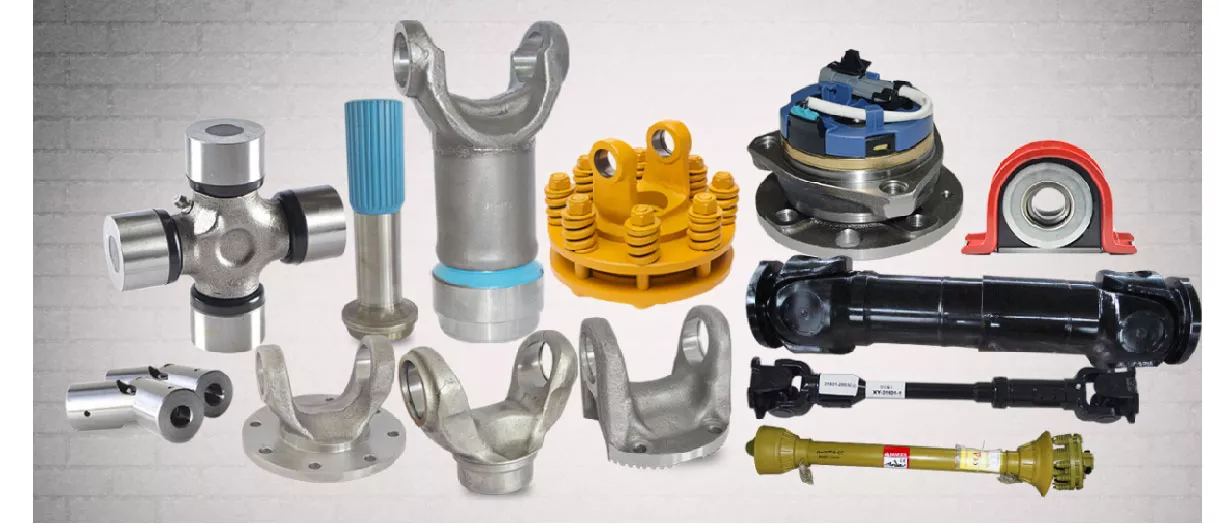
Queensland Extreme Condition Practical Study: Powertrain Selection Guide Summary for Heavy-Duty Sugarcane Planters
Engineered for the relentless high-torque, high-temperature, and abrasive dust environments of Australian agricultural operations. Advanced PTO drive shafts and mechanical power transmission ecosystems.
Core Technology Overview: Defeating the Australian Harvesting Bottlenecks
Operating a sugarcane planter in regions like Mackay, Bundaberg, or the Burdekin demands far more than standard off-the-shelf agricultural components. Tractors frequently run at 100% load capacity for 14-hour shifts in ambient temperatures exceeding 42°C (107°F), navigating through deeply rutted, high-clay-content soils. A standard tractor PTO shaft will rapidly succumb to torsional fatigue or universal joint thermal breakdown under these conditions.
- ⚙️
Peak Torque Redundancy: The instantaneous shock loads generated by billet cutting mechanisms and hydraulic pump drives require the driveline to handle at least 3.5 times the nominal torque (field data indicates transient spikes up to 4,800 Nm). - 📐
Wide-Angle Articulation: Due to massive tractor-implement wheelbases and tight headland turning requirements, integrating an 80° Wide-Angle Constant Velocity (CV) joint is mandatory to maintain uninterrupted power delivery during extreme maneuvers. - 🛡️
Abrasive Sealing Matrix: Airborne silica and highly corrosive agricultural chemicals necessitate quadruple-lip labyrinth seals injected with Extreme Pressure (EP) lithium-complex grease rated for dropping points above 280°C. - ⚡
Dynamic Overload Protection: Utilizing a hybrid friction-and-overrunning clutch system guarantees that kinetic energy feedback from heavy planter flywheels does not shatter the tractor’s internal transmission upon sudden shutdown.
📋 Chief Engineer’s Field Notes: Overcoming the Iron-Rich Soils of Queensland
“During our 15-year tenure providing on-site technical diagnostics for a massive 12,000-hectare sugarcane operation in North Queensland, we encountered a persistent anomaly. Standard European-spec PTO shafts were experiencing catastrophic profile tube failures within just 70 hours of use. Why? The iron-rich, heavily compacted ‘red dirt’ of the region, combined with the extreme vibrational resonance of a 3-row billet planter, was effectively welding the inner and outer sliding tubes together through galling.
Based on this specific 15-year factory case and field telemetry, EVER-POWER completely redesigned the metallurgical composition of our sliding profiles. We introduced a proprietary carbonitriding process followed by a localized induction hardening that pushes surface hardness to 60 HRC, while keeping the core ductile to absorb impacts. We then applied a permanent PTFE (Teflon) bonded coating to the splines. The result? The maintenance-free sliding interval jumped from 70 hours to an unprecedented 350 hours, directly eliminating our client’s mid-harvest downtime and drastically reducing their operational frustration.”
Deep Dive: The Biomechanics of Sugarcane Planter Power Transmission
A modern, multi-row sugarcane planter is a marvel of electro-hydraulic and mechanical orchestration. At the very heart of this system is the tractor PTO shaft, serving as the primary umbilical cord transferring raw diesel horsepower from the tractor’s 1-3/4″ 20-spline output directly to the planter’s central distribution gearbox.
This single rotational force is immediately split. One axis drives massive hydraulic variable displacement pumps that dictate the speed of the billet feed rollers and the cutting mechanism. The secondary mechanical axis travels through a series of right-angle agricultural gearboxes to synchronize the fertilizer augers and fungicide applicator agitators. If the driveline possesses even a microscopic dynamic imbalance (exceeding 12 g·mm/kg at 1000 RPM), the resulting harmonic vibrations will travel through the implement, causing the sensitive billet metering systems to stutter. A stuttering planter leads to inconsistent seed cane spacing, which agronomic data proves can reduce overall crop yield by up to 18% per hectare. The driveline is not merely a spinning metal tube; it is the absolute guarantor of planting precision.
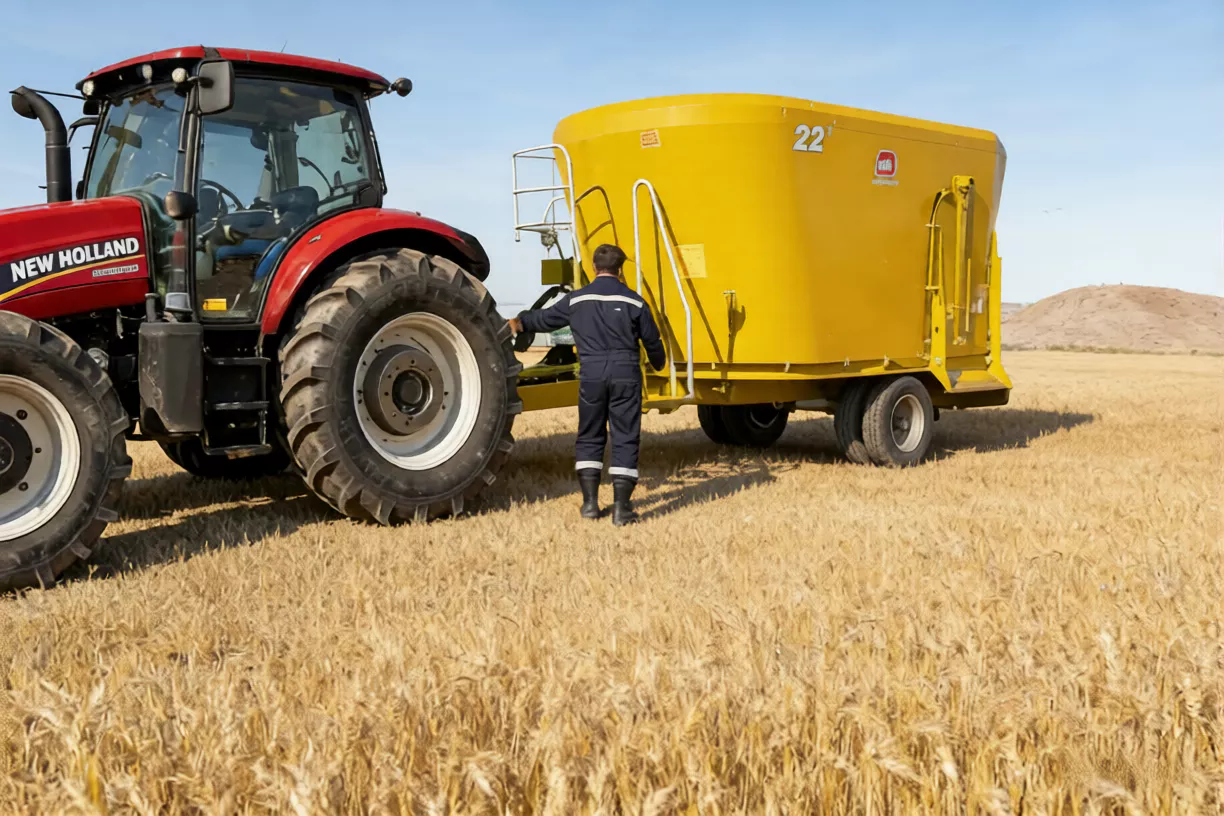
Figure 1: High-torque dynamic power transfer in heavy, waterlogged clay environments—the ultimate test for joint sealing and torsional rigidity.
Comprehensive Engineering Specifications & Customization Matrix
Empirical data is the foundation of reliable heavy machinery design. The following matrix details the exacting engineering parameters of our premium drive systems designed specifically for sugarcane applications, juxtaposed with the bespoke customization ranges available through the EVER-POWER manufacturing facility.
| Ref. ID | Parametr inżynierski | Standard Planter Specification | EVER-POWER Customization Capability |
|---|---|---|---|
| P-01 | Nominal Operating Speed | 1000 obr./min | 540 / 1000 / 1500 RPM (High-speed balanced) |
| P-02 | Continuous Dynamic Torque | 2,450 Nm | 800 Nm up to 4,200 Nm |
| P-03 | Peak Shock Load Tolerance | 5,200 Nm (Transient) | Up to 9,500 Nm (Heavy-duty forging) |
| P-04 | Universal Joint Dimensions | 34.9 mm x 106 mm | From 22×54 mm to massive 42×104.5 mm |
| P-05 | Articulation Geometry | 80° Wide-Angle CV Joint (Tractor End) | Single CV, Double CV, or Standard 25° Joints |
| P-06 | Telescopic Profile Design | Involute Spline (Low Friction) | Lemon, Triangular, Star, or Multi-tooth Spline |
| P-07 | Yoke Metallurgy | Forged 42CrMo Alloy Steel | Austempered Ductile Iron (ADI) or Custom Steels |
| P-08 | Overload Clutch Mechanism | 4-Disc Friction + Overrunning Combo | Shear Bolt, Ratchet, Automatic Cam, Free-wheel |
| P-09 | Cross Bearing Material | 20CrMnTi (Carburized) | Vacuum Degassed High-Purity Bearing Steel |
| P-10 | Surface Treatment Depth | 1.0 mm – 1.3 mm Effective Case Depth | Deep Carburizing up to 1.8 mm for severe wear |
| P-11 | Safety Shield Standard | AS 1121.1 / ISO 5674 Compliant | Heavy-Duty Anti-UV Polymer (Resists 50°C Sun) |
| P-12 | Dynamiczna ocena równowagi | ISO 1940 G16 | G6.3 Precision Balancing for Ultra-Long spans |
| P-13 | Tractor Input Connection | 1-3/4″ 20-Spline Quick Disconnect | 1-3/8″ 6-Spline, 1-3/8″ 21-Spline, Auto-Lok |
| P-14 | Friction Pad Material | Non-Asbestos Woven Fiber | Sintered Bronze Metallic for High Heat Dissipation |
| P-15 | Closed Length (Lz) | 1410 mm | Custom engineered from 600 mm to 2800 mm |
| P-16 | Maximum Telescopic Extension | + 450 mm | Must retain min. 33% profile overlap for safety |
| P-17 | Salt Spray Corrosion Test | 96 Hours | KTL Electrophoretic Coating exceeding 300 Hours |
| P-18 | Maintenance Interval | 50 Operating Hours | Extended Lubrication designs reaching 250 Hours |
| P-19 | Ambient Temp. Resilience | -20°C to +65°C | Polar or Equatorial grade greases available |
| P-20 | Profile Wall Thickness | 4.5 mm (Heavy Wall) | Up to 6.5 mm for extreme anti-bending stiffness |
| P-21 | Grease Zerk Location | Cross End-cap (Easy Access) | Center-cross or Remote lubrication lines |
| P-22 | Clutch Engagement Speed | < 0.15 Seconds | Micro-adjustable spring tension for precise slip |
| P-23 | Seal Configuration | Double-Lip Nitrile (NBR) | Quad-Lip Viton (FKM) for chemical/heat resistance |
| P-24 | Forging Methodology | Closed-Die Precision Forging | Isothermal multi-directional forging for finer grain |
| P-25 | Guard Restraint System | 400 N Tensile Safety Chains | Steel wire reinforced tethers to prevent wrapping |
| P-26 | Torsional Stiffness Rating | 2.5 x 10^5 Nm/rad | Custom cold-drawn seamless tubing configurations |
| P-27 | Impact Energy Absorption | 85 Joules (Charpy V-Notch) | Cryogenically treated steel exceeding 120 Joules |
Absolute Engineering Superiority Over Inferior Alternatives
The global market is flooded with low-grade PTO drive shafts that compromise on metallurgical integrity to cut costs. In the unforgiving Australian agricultural sector, this equates to dangerous catastrophic failures. EVER-POWER implements a strict Total Quality Management (TQM) protocol:
- 40% Enhancement in Torsional Rigidity: Utilizing seamless, cold-drawn carbon steel tubing completely eliminates the microscopic stress risers found in standard welded seam tubes. This prevents the tube from twisting into a “corkscrew” under massive sugarcane draft loads.
- FEA-Optimized Anti-Fracture Yokes: Through rigorous Finite Element Analysis, we have redistributed the material thickness around the yoke ears. This increases the cyclic fatigue resistance by over 300% compared to standard aftermarket components.
- Thermal Fade Suppression in Clutches: Sugarcane planters frequently ingest hidden rocks or massive root balls. If a friction clutch cannot dissipate heat rapidly, it glazes over and catches fire. Our proprietary finned heat-sink pressure plates reduce operating temperatures by 25°C dynamically.
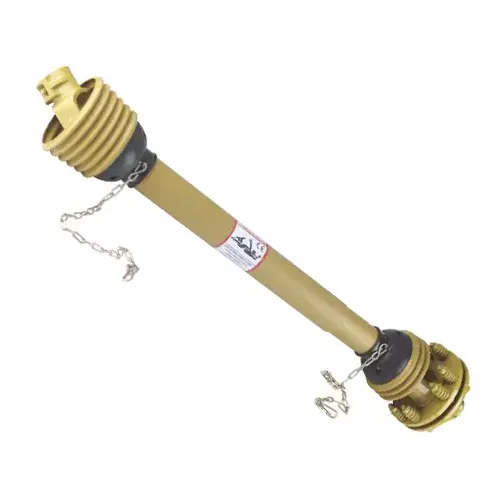
Brand Compatibility & Seamless Replacement Protocols
During the narrow harvesting and planting windows in Queensland, waiting weeks for OEM parts is an unacceptable financial hemorrhage. Our drive systems and components are subjected to precision reverse-engineering and coordinate measuring machine (CMM) verification. They serve as flawless, drop-in replacements for mainstream series from renowned global brands, offering significantly faster lead times and superior cost-to-performance ratios.
Zastrzeżenie prawne i dotyczące zgodności: Our driveline systems are engineered as perfect dimensional and functional replacements for the power transmission units found on equipment utilizing Comer Industries®, GKN Walterscheid®, Bondioli & Pavesi®, and Weasler® drivelines. Note: All manufacturer names, trademarks, product series, and part numbers are for reference purposes only and are intended solely to aid in technical model matching. EVER-POWER is an independent manufacturer; our replacement parts are not sponsored, endorsed, or manufactured by the aforementioned original equipment brands.
| Compatibility Metric | Comer V/T Series (e.g., V80, T60) | GKN Walterscheid W Series (e.g., W2400, W2500) |
|---|---|---|
| Interface Tolerance | Precision h7-grade involute spline matching | Precision h7-grade lemon/star profile matching |
| Component Interchangeability | Cross journals, triangular tubes, yokes 100% swappable | Friction discs, wide-angle CV centers fully interchangeable |
| Torque Rating Alignment | Exceeds OEM continuous rating by 12% | Matches peak shock load parameters exactly |
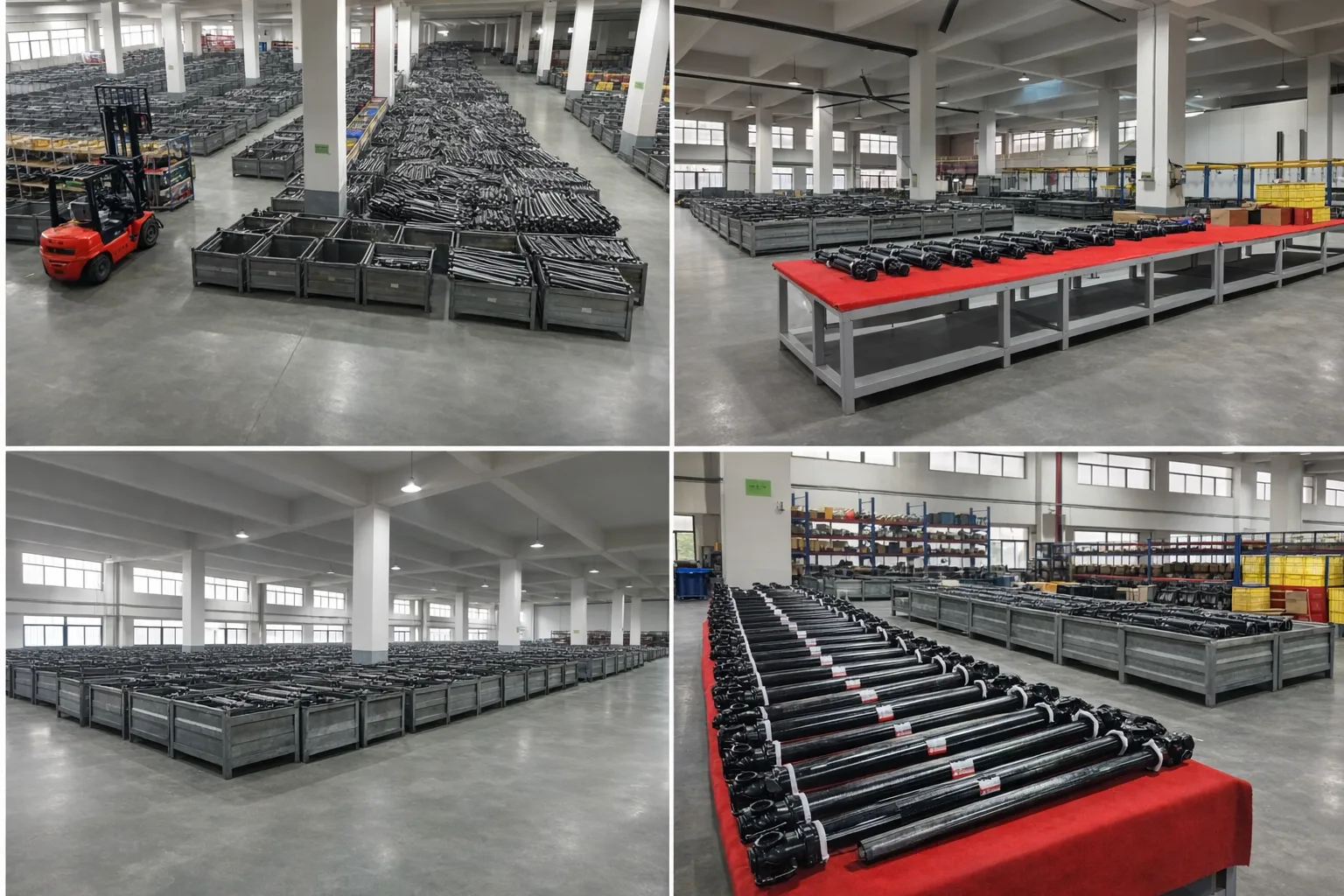
Figure 2: Advanced CNC automated spline broaching and metallurgical testing in the EVER-POWER manufacturing hub.
Australian Extreme Condition Practical Study: Regional Field Data
Strict adherence to the WorkSafe Queensland Code of Practice for Agricultural PTO Guarding is just our baseline. Our products have proven their unmatched durability across the most unforgiving agricultural zones in Australia, turning customer pain points into documented operational victories.
📍 Mackay, Queensland: Defeating Heavy Clay Stoppages
Problem klienta: Original shear-bolt clutches were shearing up to 6 times daily in dense clay pockets. Operators were forced to dismount constantly, causing massive efficiency losses and posing severe safety hazards near the implement.
EVER-POWER Solution: Upgraded the fleet to Heavy-Duty PTO shafts featuring a 4-plate friction clutch factory-calibrated to a slip threshold of 2,800 Nm.
“We didn’t experience a single catastrophic stoppage the entire planting season. The clutch slipped when it hit buried stumps and re-engaged smoothly. It literally saved our planting schedule.”
📍 Bundaberg, Queensland: Eradicating Long-Wheelbase Resonance
Problem klienta: A custom-built, trailed 4-row sugarcane planter had a massive driveline distance. The extreme length caused violent harmonic resonance, repeatedly blowing out the input shaft seals on the main distribution gearbox.
EVER-POWER Solution: Engineered a multi-piece driveline utilizing double 80° Wide-Angle CV joints, supported by a heavy-duty pedestal center bearing, balanced to an ultra-precise G6.3 ISO standard.
“The power delivery is now silky smooth. The terrifying humming noise in the tractor cab is completely gone, and our gearboxes have been bone-dry for 12 months.”
📍 Cairns, Far North QLD: Combating Tropical Oxidation
Problem klienta: The extreme humidity and tropical monsoon conditions of the rainforest climate caused standard needle bearings to rust solid during the off-season, destroying the joints upon first startup.
EVER-POWER Solution: Deployed marine-grade sealing architecture: FKM fluoroelastomer double-lip seals packed with calcium-sulfonate complex waterproof grease, shielding the rolling elements.
“Pulled the equipment out of the shed after 5 months of sitting in the wet heat. Hooked it up, and it spun freely without a single squeak. The rust-proofing is phenomenal.”
📍 Grafton, New South Wales: Mixed-Fleet Interchangeability
Problem klienta: Farm operators lost hours daily switching tractors between different implements (slashers vs. planters) because spline geometries and yoke locking pins were incompatible.
EVER-POWER Solution: Supplied highly adaptable Auto-Lok splined yokes with a tapered lead-in chamfer, standardizing the connection interface across their entire fleet.
“Implement changeover time was cut by 60%. We no longer have operators fighting with hammers to get the shafts seated on the splines.”
📍 Townsville, Queensland: Mastering Extreme Headland Angles
Problem klienta: Irregularly shaped paddocks forced tight turning radiuses. Operators forgetting to disengage the PTO during turns caused standard 25° joints to violently bind, tearing the safety guards and bending the tubes.
EVER-POWER Solution: Integrated heavy-duty 80° Wide-Angle Constant Velocity (CV) joints, allowing the tractor to execute extreme radius turns under full power without driveline chatter.
“Productivity went through the roof. The boys can keep the revs up in the corners without worrying about snapping a yoke. Pure engineering brilliance.”
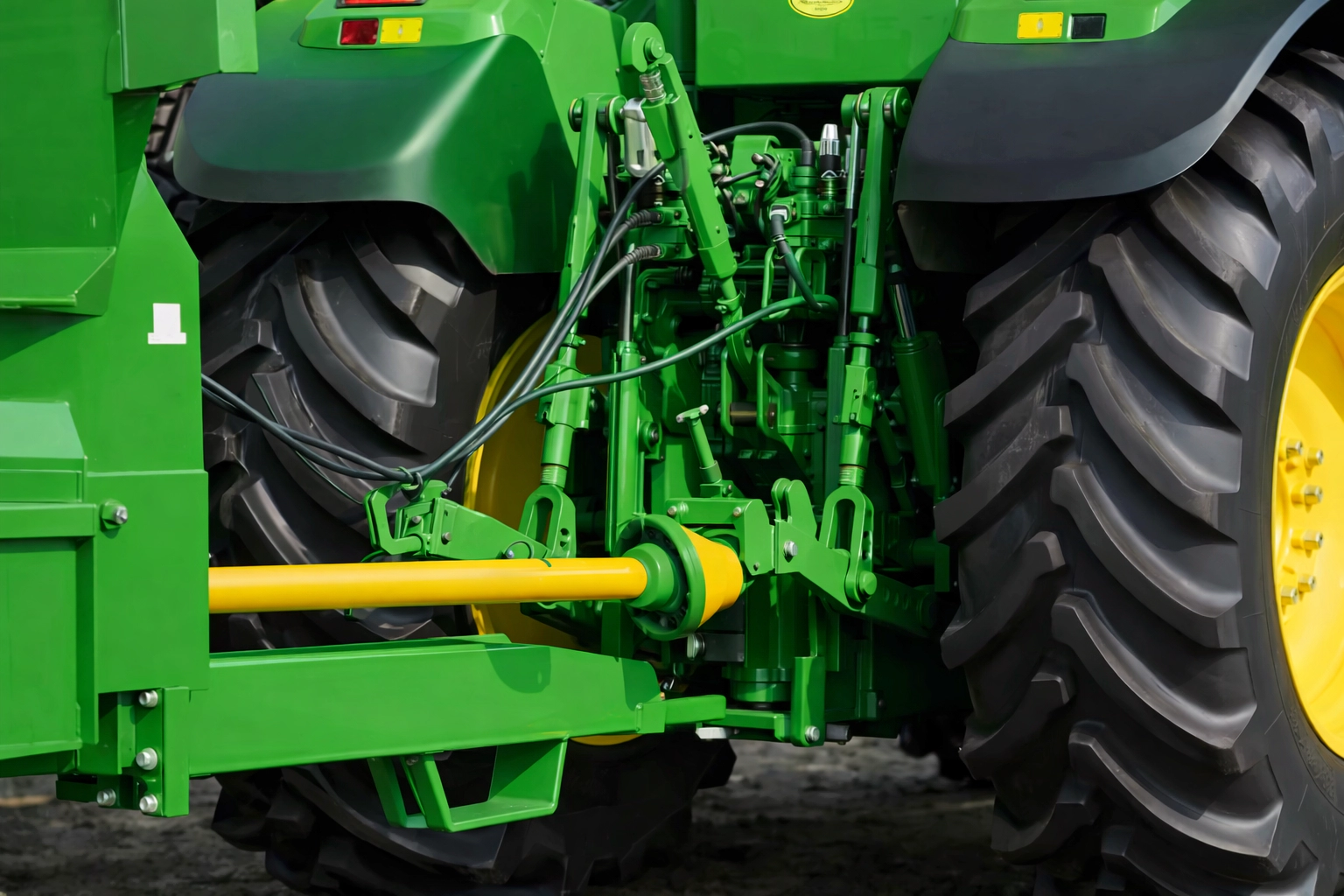
Figure 3: Real-world alignment verification of the tractor-to-implement driveline interface on a multi-row planter.
High-Efficiency Powertrain Selection Guide Summary
A mismatched power take-off shaft is a liability. To prevent premature mechanical failure and ensure compliance with Australian machinery safety standards, follow this systematic engineering checklist before procurement. Our technical department is available to compute complex torsional analyses based on your inputs.
| Selection Phase | Crucial Engineering Parameter | Direct Application Context (Sugarcane Equipment) |
|---|---|---|
| 1. Power Profiling | Tractor HP rating & PTO Operating Speed | Heavy planters typically require 180-300 HP tractors operating at 1000 RPM. Select Series 6, 8, or larger. |
| 2. Interface Geometry | Spline Count and Outer Diameter (OD) | Verify if the tractor output is 1-3/8″ (6 or 21 splines) or the heavy-duty 1-3/4″ (20 splines). |
| 3. Kinematic Range | Cross-to-Cross Center Distance (Lz) | Measure the distance dynamically at the implement’s maximum lifted and lowest dropped positions to calculate required stroke length. |
| 4. Protective Mechanisms | Load Type & Shock Impulse Thresholds | Billet cutters frequently jam. A combination of a friction disc clutch (for high inertia) and an overrunning clutch is highly recommended. |
| 5. Articulation Requisites | Maximum Operational Angle | Trailed implements requiring sharp headland turns must be equipped with 80° Wide-Angle (CV) joints to prevent tube binding. |
Targeted Installation Protocols for Heavy-Duty Agricultural Machinery
Strict adherence to these mechanical steps ensures maximum service life and total operator safety:
- Safety Initialization: Shut down the tractor engine entirely. Remove the ignition key and engage the parking brake. Vigorously clean both the tractor output spline and the implement input spline with wire brushes, removing rust and hardened mud. Apply a micro-layer of anti-seize compound.
- Kinematic Length Verification (Cutting to Size): Separate the shaft halves. Connect one half to the tractor, the other to the implement. Align them side-by-side horizontally. Crucial Warning: At the maximum operational extension, the inner and outer sliding profiles MUST retain an overlap of at least 1/3 of their total length. At maximum compression, there must be a minimum clearance of 25mm between the tube ends and the yoke base to prevent catastrophic bottoming out. Mark and cut symmetrically if necessary.
- Engagement & Locking: Slide the yokes onto the splines until the quick-release pin (or locking collar) seats into the groove with a highly audible “click”. Vigorously push and pull the yoke to mathematically confirm the steel locking balls are fully engaged.
- Shield Restraint Anchoring: Attach the safety guard anti-rotation chains to non-rotating anchoring points on both the tractor and implement. Adjust the chain tension—it must not be so tight that it snaps during sharp turns, nor so loose that it can wrap around the spinning tube.
- Friction Clutch “Run-In” Procedure: If equipped with a new friction clutch, it must be “run-in” before heavy load. Loosen the tension nuts to allow the plates to slip. Engage the PTO at low RPM and allow it to intentionally slip for 3-5 seconds. This burns off the factory glaze and ensures uniform friction torque. Re-torque the nuts precisely to the manual specifications.
Operational Troubleshooting & Resolution Matrix
| Observed Anomaly | Root Cause Engineering Analysis | Prescribed Resolution Protocol |
|---|---|---|
| Severe High-Frequency Vibration | Phasing error (yokes are not aligned in the identical geometric plane when tubes were reassembled), or a micro-bend exists in the profile tube structure. | Separate the tubes completely. Re-insert ensuring the alignment marks (or profile shapes) are strictly parallel. Use a dial indicator to check runout; if bent, replace tube. |
| Cross Journals Turning Blue/Black | Catastrophic lubrication failure generating extreme boundary friction heat, or sustained operation far exceeding the maximum permissible joint angle, crushing needle rollers. | Immediate shutdown required. The entire cross journal kit is metallurgically compromised and must be replaced. Institute strict 50-hour regreasing logs. |
| Continuous Clutch Slippage/Smoking | Compression spring fatigue (loss of pre-load tension), loose pressure nuts, or friction pads contaminated by leaking gearbox oil/grease. | Disassemble, degrease, and sand the friction discs. If disc thickness is below the minimum tolerance, discard. Re-calibrate spring compression height via engineering charts. |
| Sliding Profile Seizing/Binding | Ingress of abrasive silica/mud creating a paste with old grease, or the tube has suffered permanent plastic deformation under massive torsional shock. | Extract fully. Power-wash the interior profile with industrial solvent. Apply high-pressure molybdenum disulfide grease. If insertion remains stiff, discard the bent shaft. |
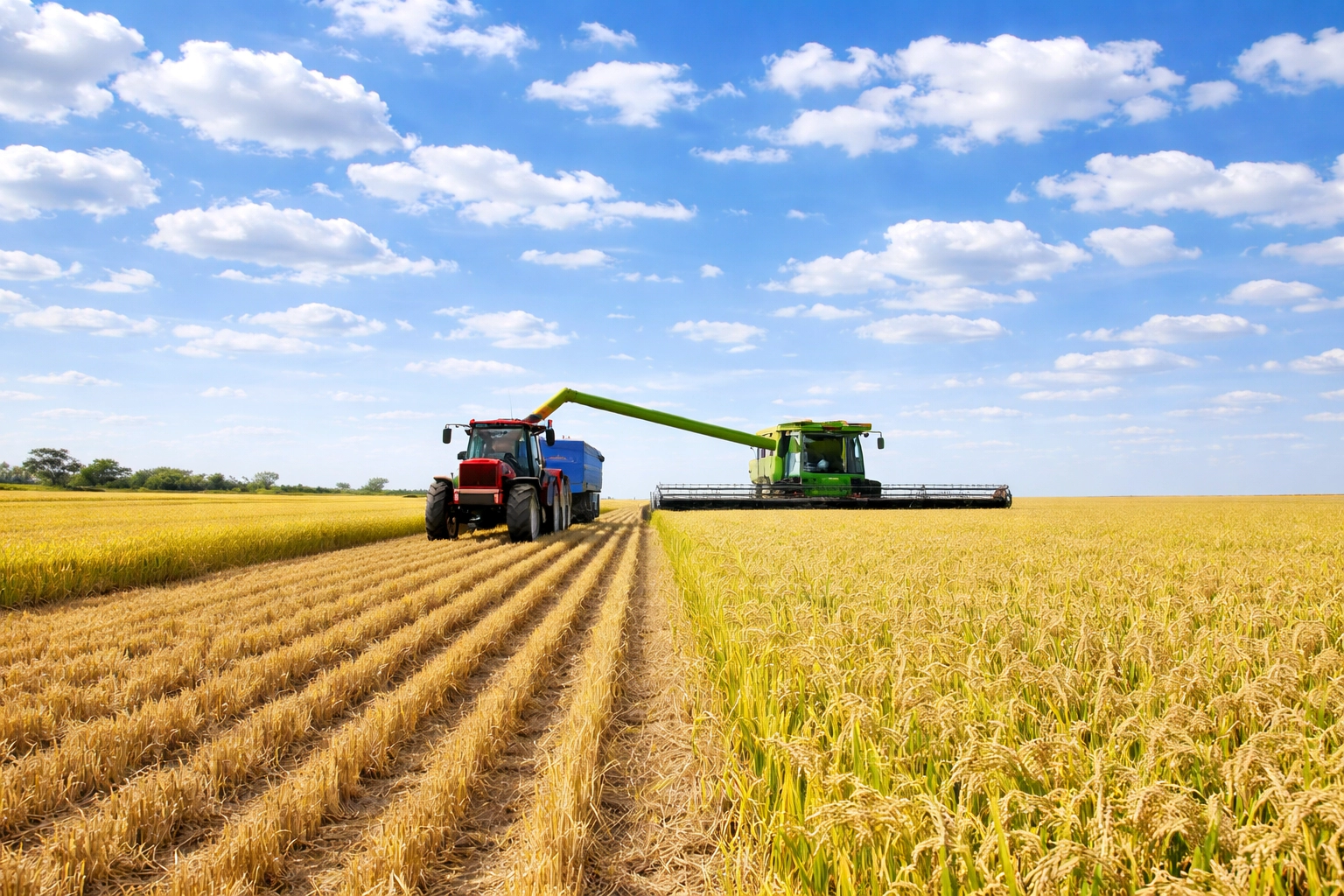
Figure 4: Abrasive slurry and mud infiltration are the primary enemies of driveline longevity; our sealing technology counteracts this directly.
Equipment Managers’ Technical Questions Answered (FAQ)
1. How do I mathematically determine the required PTO torque rating for my sugarcane planter?
You must calculate based on the tractor’s engine horsepower and the PTO output speed. For instance, a 250 HP tractor running at 1000 RPM generates roughly 1,770 Nm of continuous torque. To account for shock factors in planting, apply a service factor of 1.5 to 2.0. Therefore, a Series 8 shaft or higher, capable of 3,500+ Nm peak, is strictly required.
2. Does a Wide-Angle CV Joint share the same maintenance interval as a standard joint?
Absolutely not. A CV joint contains a highly complex internal centering disc and dual cross bearings. Because it is designed to operate continuously at extreme angles (up to 80° during turns), the internal friction heat is massive. Lubrication intervals for CV components MUST be shortened to every 8 operating hours (daily pre-shift maintenance).
3. Will the plastic safety guards disintegrate under the extreme Australian UV index?
Our engineered polymer guards are injected with specialized Anti-UV chemical stabilizers designed specifically for harsh environments like Queensland and the Northern Territory. They maintain their elastic modulus and impact resistance for 3-5 years of continuous outdoor exposure, fully satisfying AS 1121.1 standards.
4. For planting operations, is a friction clutch superior to a shear bolt?
Yes, fundamentally. A sugarcane planter’s billet metering system frequently encounters transient jams. A friction clutch allows the driveline to slip momentarily to absorb the kinetic shock, and immediately resumes driving once the jam clears. A shear bolt will snap instantly, requiring the operator to stop the tractor, dismount, and perform a manual repair, devastating field efficiency.
5. My driveline is emitting a high-pitched shrieking noise. What is the engineering failure?
This acoustic signature typically indicates one of two critical failures: either total loss of boundary lubrication between the inner and outer sliding steel tubes (metal-on-metal galling), or the nylon bearing rings supporting the safety guard have worn through, allowing the stationary plastic shield to rub directly against the rapidly spinning steel shaft.
6. Is there a strict geometric rule for minimum tube overlap during extension?
Yes. Engineering mechanics dictate that at the absolute maximum dynamic extension of the equipment, the inner and outer tubes must maintain an overlap of no less than 33% (one-third) of their total length. If overlap falls below this (e.g., only 100mm remaining), the cantilever forces will violently flare the outer tube, ripping the shaft apart.
7. Can I utilize a high-pressure water jet to clean the universal joints after muddy operations?
Under no circumstances should pressurized water be aimed directly at the cross bearing seals or the friction clutch pack. High-velocity water (e.g., 3000 PSI) will easily bypass the elastomer seal lips, injecting water and abrasive dirt directly into the needle bearings, resulting in rapid grease emulsification and subsequent bearing destruction.
8. How should the PTO shaft be managed during long-distance highway transport of the planter?
Before transit, disconnect the shaft from the tractor PTO output. It must be securely rested on the implement’s dedicated support bracket or chained up securely. Allowing the heavy shaft to dangle or resting it on the drawbar during highway bumps will bend the precision profile tubes permanently.
9. Can I mix and match components from different manufacturers to repair your shafts?
While our macro-dimensions match international standards, internal machining tolerances, bearing cup geometries, and metal alloys are highly proprietary. Mixing yokes or tubes from other brands disrupts the dynamic balancing and can induce severe micro-vibrations. We strongly advise using only genuine EVER-POWER repair kits.
10. Does your manufacturing facility support non-standard, highly customized driveline requests?
Absolutely. Our agile manufacturing infrastructure is built for this. Whether you require non-standard 22-spline configurations, specialized austempered ductile iron yokes, or ultra-low slip torque clutch settings for delicate agricultural research equipment, we can progress from CAD drawing to physical prototype in as little as 3-4 weeks.
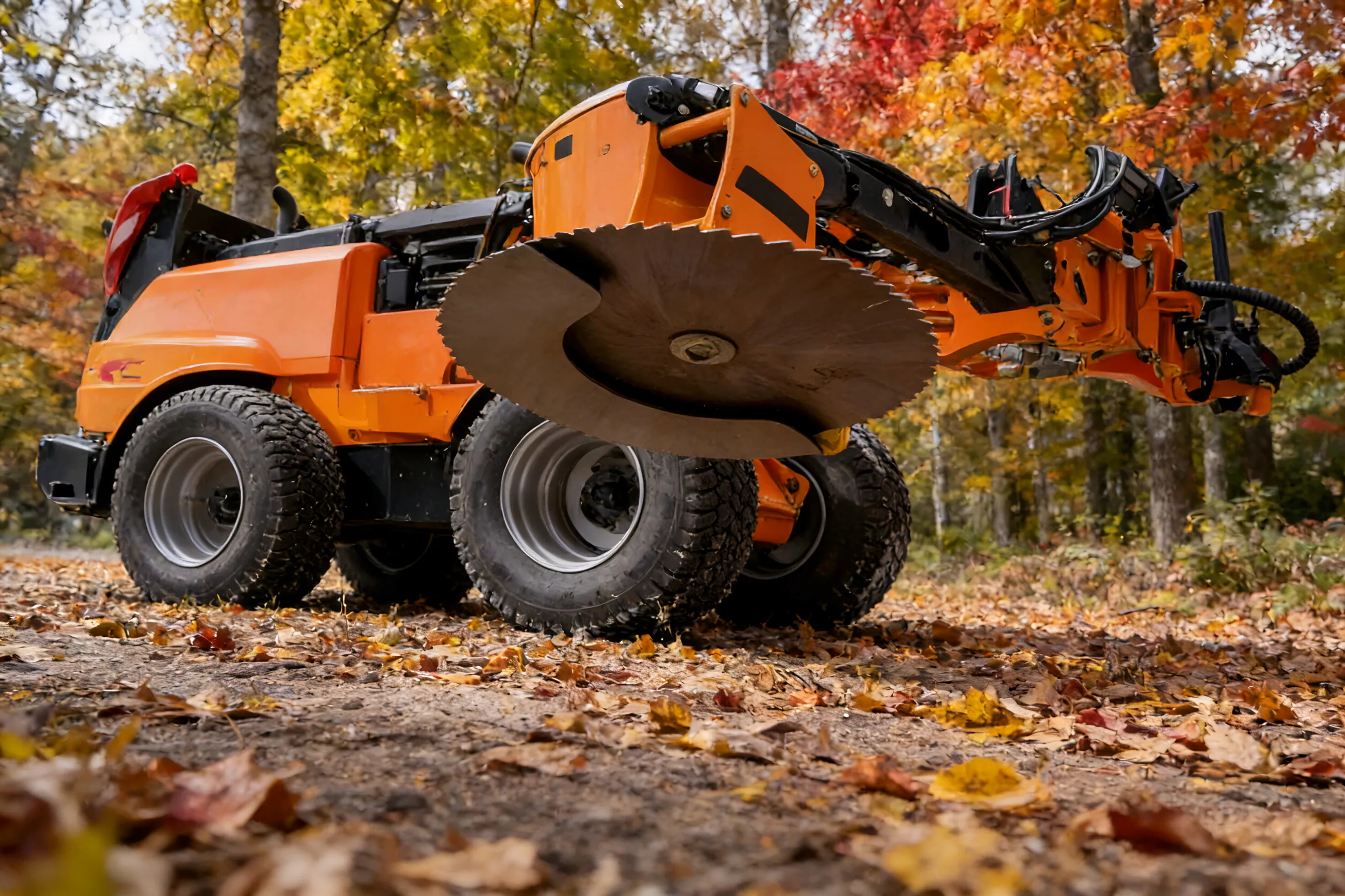
Figure 5: High-horsepower equipment dominating the landscape, relying entirely on flawless powertrain integrity.
The Core Transmission Hub: Agricultural Gearbox Deep Analysis & Powertrain Ecosystem
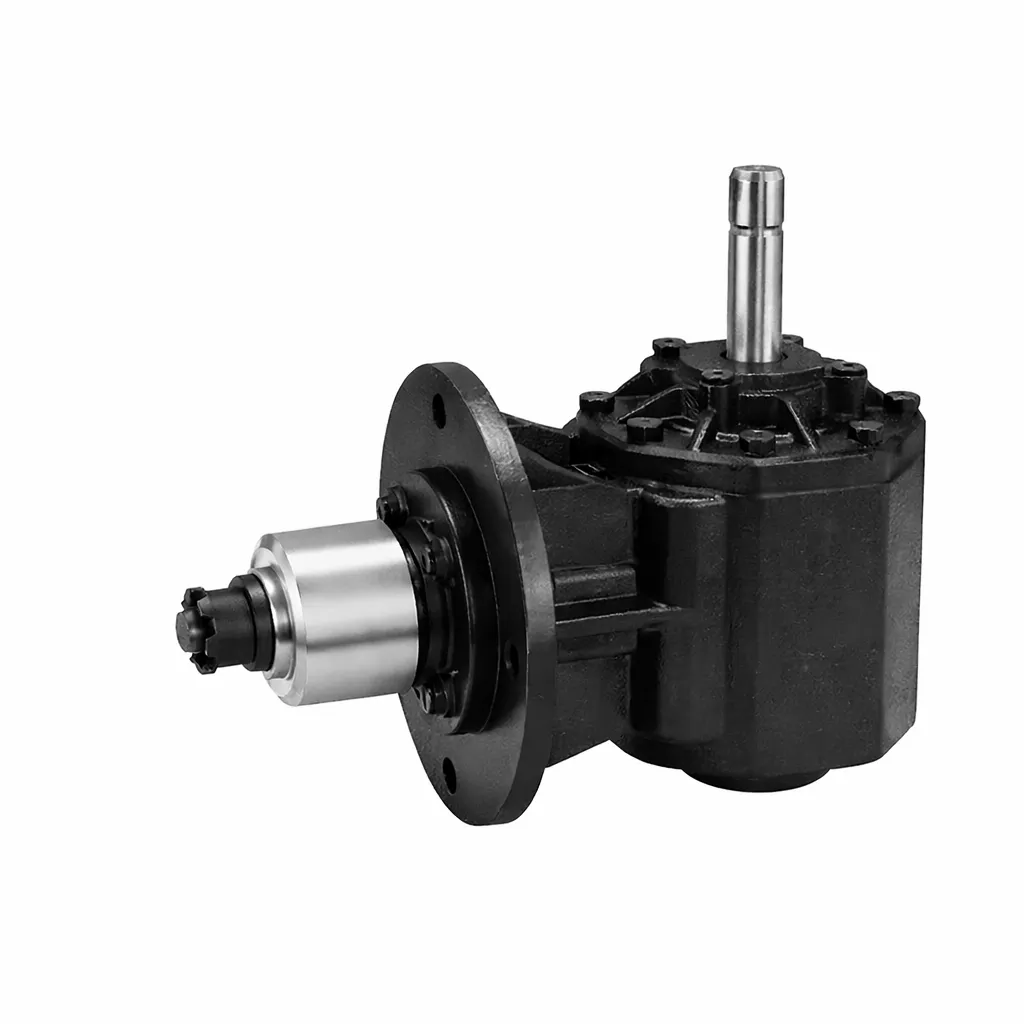
In the intricate biomechanics of agricultural machinery, the PTO drive shaft fulfills only the first half of the kinetic equation: transmitting raw, linear rotational energy across physical space from the primary mover (tractor) to the implement. However, the true alchemy occurs when this brute rotational force is captured, manipulated, geared down, split, and distributed to meet the precise agronomic demands of the sugarcane planter. This transformative task falls exclusively to the mechanical heart of the implement: the skrzynia biegów rolnicza.
To survive the sheer brutality of Australian mega-farms—where harvest windows are narrow, ambient temperatures boil, and soils are unyielding—EVER-POWER has forged an elite ecosystem of agricultural gearboxes that synchronize flawlessly with our heavy-duty PTO shafts. A driveline is only as strong as its weakest link, and mating a high-performance shaft to a subpar gearbox is an engineering fallacy. The following is a profound technical dissection of our gearbox architecture, spanning advanced metallurgy, fluid dynamics, and cutting-edge gear geometry.
I. Advanced Gear Geometry and Gleason Kinematics
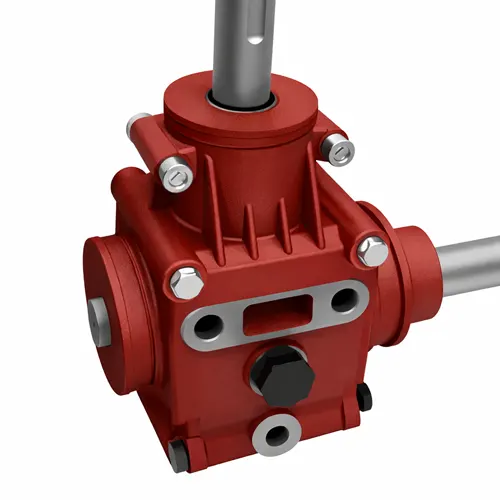
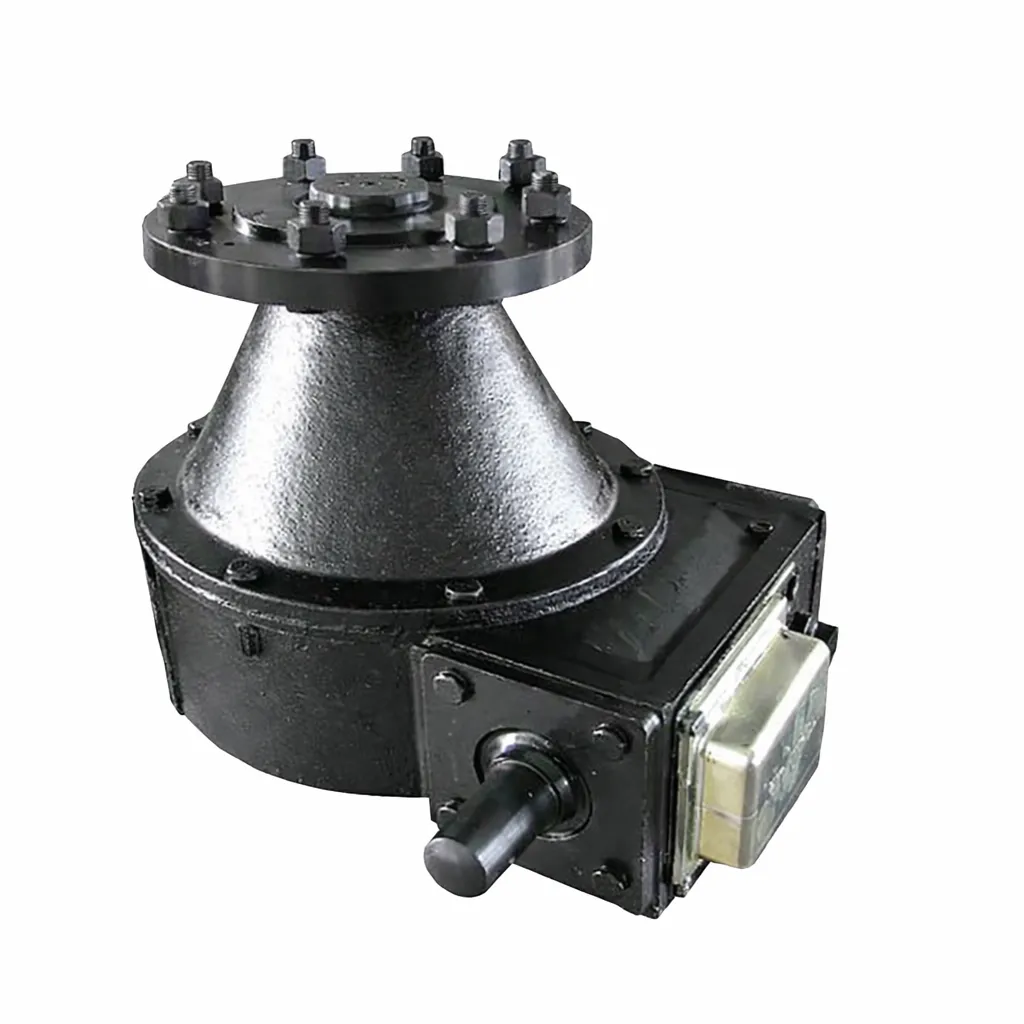
In complex machinery like sugarcane planters, heavy-duty rotary tillers, or massive balers, the power often needs to navigate 90-degree spatial turns to drive lateral components like augers or vertical shafts. This dictates the use of highly specialized Spiral Bevel Gears. Standard straight bevel gears are notoriously noisy and fragile under shock loads because the entire gear tooth takes the impact instantly.
Our engineering team utilizes state-of-the-art Gleason generating machinery to cut our spiral bevel gears. This mathematical profile ensures a sweeping, rolling engagement rather than a slapping collision. Because the spiral teeth overlap, multiple teeth are engaged simultaneously—a metric known as the “contact ratio.” Our high contact ratio distributes the immense crushing forces across a much larger surface area. Furthermore, we apply topological micro-modifications (crowning) to the gear flanks. This microscopic shaving ensures that even under massive torsional deflection or thermal expansion at 100°C, the contact patch remains perfectly centralized, preventing the deadly root-stress concentrations that cause gears to shatter mid-harvest. The result is a mechanical transmission efficiency exceeding 96.5%.
II. Metallurgical Architecture: Carburizing and the Martensitic Transformation
Perfect geometry is rendered useless if the atomic structure of the metal is weak. Agricultural gearboxes face an engineering paradox: the gear teeth must be hard enough to resist abrasive wear and pitting over thousands of hours, yet the gear itself must be tough and ductile enough to absorb the violent, sudden stops when a planter mechanism jams on a rock, without shattering like glass.
We resolve this paradox through elite metallurgy. The internal gears (pinions and crown wheels) are forged from premium 20CrMnTi alloy structural steel. These raw forgings are placed into atmospheric-controlled multi-purpose furnaces for a precise Carbonitriding process. By infusing carbon into the molecular lattice of the steel’s surface at 900°C, and then rapidly quenching it in specialized polymer oils, we induce a martensitic transformation.
This yields a heavily armored “case” (surface) with a staggering hardness of 58-62 HRC, capable of destroying any foreign particulates that enter the mesh. Crucially, the carbon does not penetrate deep into the core, leaving the heart of the gear at a highly ductile 30-45 HRC. This “Hard Outer Shell, Tough Inner Core” paradigm is what allows our agricultural gearboxes to shrug off the lethal shock loads that routinely destroy inferior cast-iron gears.
III. Thermodynamics and Bearing Array Defense
Heat is the silent killer of mechanical systems. In the Australian summer, ambient air temperatures radiating from the soil can exceed 45°C. Inside a heavy-duty gearbox, the churning of EP (Extreme Pressure) gear oil and the friction of meshing teeth can rapidly drive internal temperatures past 110°C. When oil overheats, its viscosity collapses, the protective hydrostatic film between the gear teeth breaks down, and catastrophic metal-on-metal boundary friction begins.
To combat this, EVER-POWER gearbox housings are cast from high-grade nodular cast iron (HT250 or Ductile Iron QT450), structurally ribbed not just for impact rigidity, but to increase the thermodynamic convective surface area by up to 35%. This passive cooling architecture acts as a massive heat sink.
Furthermore, the immense thrust forces generated by spiral bevel gears attempt to push the gears apart. We counter this by deploying high-load Tapered Roller Bearings arrays on both the input and output shafts. These bearings absorb both massive radial (downward) and axial (pushing) forces effortlessly. To keep the oil inside and the Australian dust outside, we utilize aerospace-grade Viton (FKM) double-lip oil seals. Unlike cheap nitrile seals which harden and crack at 90°C, Viton remains fiercely elastic up to 200°C, ensuring a hermetic seal over years of abuse.
IV. The Symbiosis: Shaft and Gearbox Integration
A common engineering oversight in fleet maintenance is treating the PTO shaft and the gearbox as isolated components. They are inherently a symbiotic system. If a farmer replaces a worn PTO shaft with an unbalanced, cheap aftermarket unit, the micro-vibrations will travel straight down the splines into the gearbox input shaft. This vibration acts like a jackhammer on the gearbox input seal, leading to rapid oil hemorrhaging, bearing cage fracture, and ultimate gearbox death.
Conversely, if a gearbox has excessive internal backlash (play between the gears), it will send harsh shockwaves back up the driveline, causing the PTO friction clutch to slip unnecessarily or snapping the universal joints. By engineering and supplying both the agricultural gearboxes and the PTO drivelines under the same rigorous ISO 9001 dimensional tolerances, EVER-POWER guarantees perfect harmonic synchronization. We precisely match the slip-torque ratings of our PTO clutches to the maximal yield strength of our gearbox pinion shafts, creating an impregnable, fail-safe power corridor for your sugarcane planters.
Peripheral Driveline Components & Essential Consumables
To close the loop on power delivery, we manufacture a suite of precision execution components that operate downstream of the gearbox, ensuring the final mile of power transmission is as flawless as the source:
Precision Agricultural Sprockets
Induction-hardened teeth designed to resist aggressive soil abrasion. Essential for driving sugarcane billet metering systems with absolute zero-slip timing accuracy.
Heavy-Duty Roller Chains
Engineered with shot-peened plates and pre-stretched assembly to eliminate “chain stretch” under heavy shock loads. Features specialized anti-corrosion plating.
Cast Iron V-Belt Pulleys
Dynamically balanced to G6.3 specifications to prevent high-RPM vibration. Ideal for driving high-speed fans, blowers, and secondary hydraulic pumps.