Penerangan Produk
OEM PTO shaft tractor driving shaft for sale
Perkhidmatan Kami
Mengapa memilih kami?
1. Kami adalah pengilang, kami mempunyai Kawalan Kualiti yang Baik dan Tinggi
2. Penghantaran Segera
3. Reka Bentuk dan Logo Pelanggan Dialu-alukan
4. Harga Kompetitif terus dari kilang
5. Pesanan Kecil Boleh Diterima
6.OEM / ODM Diterima
Perkhidmatan pra-jualan Perkhidmatan selepas jualan
*Sokongan pertanyaan dan perundingan * latihan cara memasang mesin
* Lihat kilang * latihan cara menggunakan mesin
maklumat syarikat:
Syarikat SHUNYU terutamanya membekalkan traktor ladang, mesin penuai gabungan dan peralatan berkaitan, serta alat ganti mereka.
Kami juga menawarkan perkhidmatan OEM untuk pelbagai jenama traktor PTO, aci pemacu, gear, bilah putar.
Jika anda tidak dapat menemui produk di laman web kami, selamat datang untuk menghantar lukisan atau sampel kepada kami, kami boleh menyesuaikannya mengikut keperluan anda.
/* 22 Januari 2571 19:08:37 */!function(){function s(e,r){var a,o={};try{e&&e.split(“,”).forEach(function(e,t){e&&(a=e.match(/(.*?):(.*)$/)&
| Jenis: | Aci |
|---|---|
| Penggunaan: | Pemprosesan Produk Pertanian, Penuai |
| Sumber Kuasa: | Diesel |
| Perkhidmatan selepas jualan: | Sokongan Dalam Talian |
| Waranti: | 12 Bulan |
| Pakej Pengangkutan: | Pembungkusan Eksport Standard atau mengikut Keperluan Anda |
| Penyesuaian: |
Tersedia
| Permintaan Tersuai |
|---|
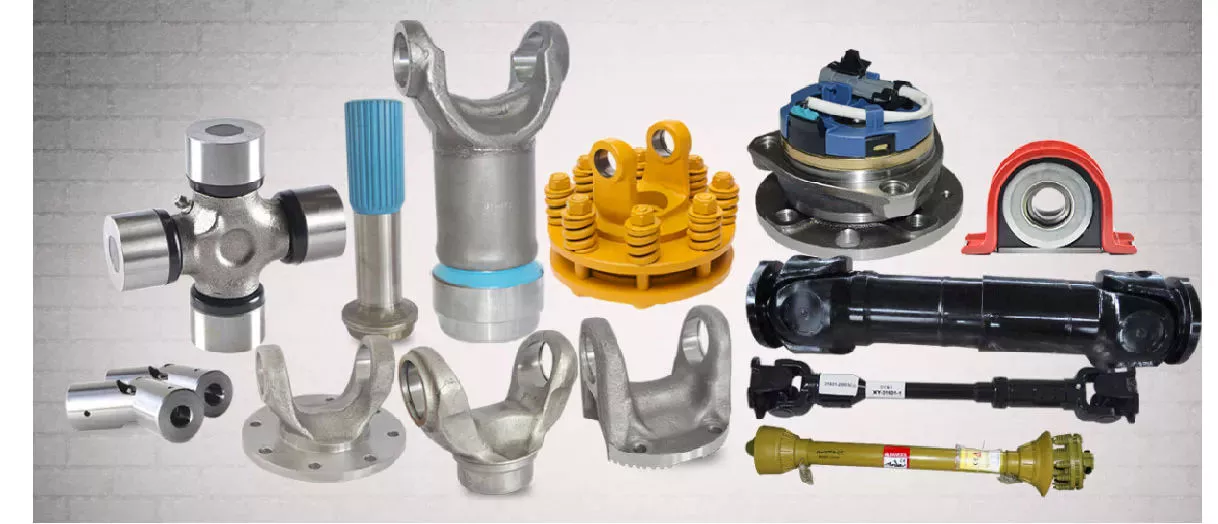
Are there variations in PTO shaft designs for different types of machinery?
Yes, there are variations in PTO (Power Take-Off) shaft designs to accommodate the specific requirements of different types of machinery. PTO shafts are highly versatile and adaptable components used to transfer power from a power source, such as a tractor or engine, to driven machinery or equipment. The design variations in PTO shafts are necessary to ensure compatibility, efficiency, and safety in various applications. Here’s a detailed explanation of the different PTO shaft designs for different types of machinery:
1. Standard PTO Shafts: Standard PTO shafts are the most common design and are widely used in a variety of applications. They typically consist of a solid steel shaft with a universal joint at each end. These universal joints allow for angular misalignment between the power source and the driven machinery. Standard PTO shafts are suitable for applications where the distance between the power source and the driven machinery remains relatively fixed. They are commonly used in agricultural implements, such as mowers, balers, tillers, and seeders, as well as in industrial applications.
2. Telescopic PTO Shafts: Telescopic PTO shafts feature a telescoping design that allows for length adjustment. These shafts consist of two or more concentric shafts that can slide within each other. Telescopic PTO shafts are beneficial in applications where the distance between the power source and the driven machinery varies. By adjusting the length of the shaft, operators can ensure proper power transmission without the risk of the shaft dragging on the ground or being too short to reach the equipment. Telescopic PTO shafts are commonly used in front-mounted implements, snow blowers, self-loading wagons, and other applications where the distance between the power source and the implement changes.
3. CV (Constant Velocity) PTO Shafts: CV PTO shafts incorporate Constant Velocity joints to accommodate misalignment and angular variations. These joints maintain a constant speed and torque transfer even when the driven machinery is at an angle relative to the power source. CV PTO shafts are beneficial in applications where the driven machinery requires flexibility and a wide range of movement. They are commonly used in articulated loaders, telescopic handlers, self-propelled sprayers, and other equipment that requires continuous power transmission while operating at various angles.
4. Gearbox Driven PTO Shafts: Some machinery requires specific speed or torque ratios between the power source and the driven equipment. In such cases, PTO shafts may incorporate gearbox systems. Gearbox driven PTO shafts allow for speed reduction or increase and can change the rotational direction if necessary. The gear ratios in the gearbox can be adjusted to match the speed and torque requirements of the driven machinery. These PTO shafts are commonly used in applications where the power source operates at a different speed or torque level than the equipment it drives, such as in certain industrial manufacturing processes and specialized machinery.
5. High-Torque PTO Shafts: Some heavy-duty machinery requires high torque levels for power transmission. High-torque PTO shafts are designed to handle these demanding applications. They are constructed with reinforced components, including larger diameter shafts and heavier-duty universal joints, to withstand the increased torque requirements. High-torque PTO shafts are commonly used in equipment such as wood chippers, crushers, and heavy-duty agricultural implements that require substantial power and torque for their operation.
6. Safety PTO Shafts: Safety is a crucial consideration when using PTO shafts. Safety PTO shafts incorporate mechanisms to reduce the risk of accidents and injuries. One common safety feature is the use of protective guards that cover the rotating shaft to prevent accidental contact. These guards are typically made of metal or plastic and are designed to shield the rotating components while allowing the necessary movement for power transmission. Safety PTO shafts are used in various applications where the risk of entanglement or accidental contact with the rotating shaft is high, such as in grass mowers, rotary cutters, and other equipment used in landscaping and agriculture.
These are some of the key variations in PTO shaft designs for different types of machinery. The specific design used depends on factors such as the application requirements, power source characteristics, torque levels, movement flexibility, and safety considerations. PTO shaft manufacturers offer a range of designs to ensure compatibility and efficient power transmission in diverse industries and applications.
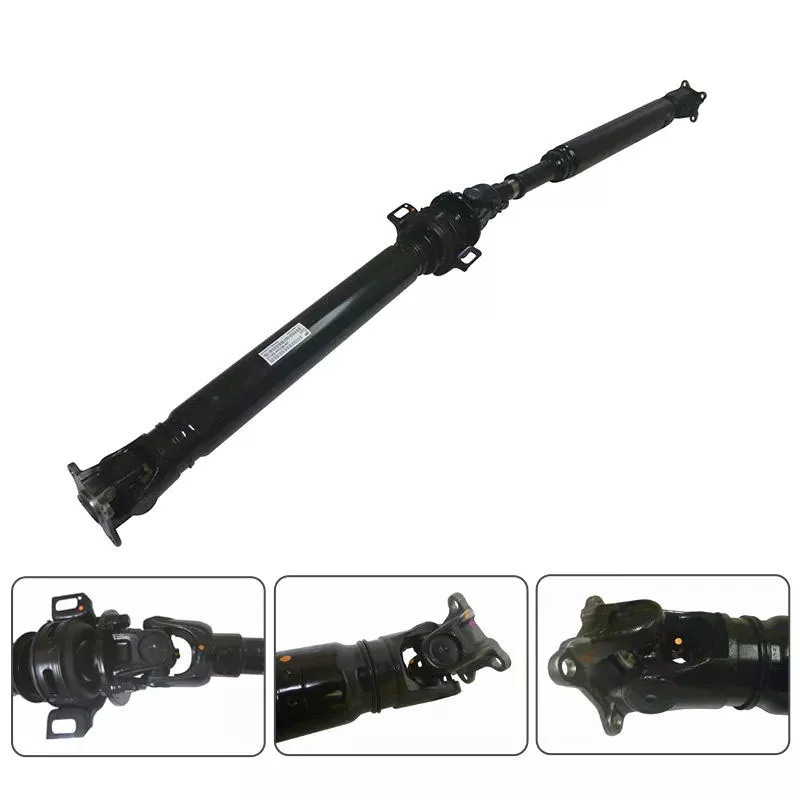
Bagaimanakah aci PTO menyumbang kepada kecekapan operasi pertanian?
Aci Pengangkut Kuasa (PTO) memainkan peranan penting dalam meningkatkan kecekapan operasi pertanian dengan menyediakan sumber kuasa yang serba boleh dan andal untuk pelbagai peralatan pertanian. Aci PTO membolehkan jentera pertanian mengakses kuasa daripada traktor atau penggerak utama lain, membolehkan pemindahan tenaga yang cekap untuk melaksanakan pelbagai tugas. Berikut ialah penjelasan terperinci tentang bagaimana aci PTO menyumbang kepada kecekapan operasi pertanian:
1. Kebolehgunaan: Aci PTO menawarkan fleksibiliti dengan membenarkan sambungan pelbagai jenis peralatan dan jentera kepada traktor atau sumber kuasa lain. Fleksibiliti ini membolehkan petani menggunakan satu unit kuasa, seperti traktor, untuk mengendalikan pelbagai peralatan pertanian, termasuk mesin pemotong rumput, pembalut, penanam, penyemai, penyembur dan banyak lagi. Keupayaan untuk bertukar dengan cepat antara pelbagai peralatan menggunakan aci PTO meminimumkan masa henti dan memaksimumkan kecekapan dalam operasi pertanian.
2. Pemindahan Kuasa: Aci PTO memindahkan kuasa dari enjin traktor ke peralatan pertanian dengan cekap. Kuasa berputar yang dijana oleh enjin dihantar melalui aci PTO untuk memacu jentera yang disambungkan kepadanya. Pemindahan kuasa langsung ini menghapuskan keperluan untuk enjin atau motor berasingan pada setiap peralatan, sekali gus mengurangkan kos peralatan dan keperluan penyelenggaraan. Aci PTO memastikan bekalan kuasa yang andal, membolehkan operasi pertanian dijalankan dengan cekap dan berkesan.
3. Peningkatan Produktiviti: Dengan menggunakan aci PTO, operasi pertanian boleh dilakukan dengan lebih cepat dan cekap berbanding kaedah kuasa manual atau alternatif. Jentera yang dipacu PTO biasanya beroperasi pada kelajuan yang lebih tinggi dan kuasa yang lebih besar berbanding dengan alat yang dikendalikan oleh manusia atau manual. Peningkatan produktiviti ini membolehkan petani menyelesaikan tugas seperti membajak, menyemai, menuai dan mengendalikan bahan dengan lebih cekap, sekali gus mengurangkan keperluan buruh dan meningkatkan produktiviti ladang secara keseluruhan.
4. Penjimatan Masa: Aci PTO menyumbang kepada penjimatan masa dalam operasi pertanian. Keupayaan untuk menyambung dan memutuskan sambungan peralatan dengan cepat menggunakan aci PTO piawai membolehkan petani bertukar antara tugas dengan cepat. Ini menjimatkan masa semasa persediaan peralatan, serta semasa beralih antara operasi yang berbeza di lapangan. Kecekapan masa amat berharga semasa tempoh pertanian kritikal, seperti menanam atau menuai, di mana pelaksanaan tepat pada masanya adalah penting untuk hasil dan kualiti tanaman yang optimum.
5. Mengurangkan Buruh Manual: Aci PTO meminimumkan keperluan buruh manual dalam tugas yang berat atau berulang. Dengan memanfaatkan kuasa traktor atau penggerak utama yang lain, petani boleh mekanisasikan pelbagai operasi yang memerlukan usaha fizikal yang ketara. Peralatan pertanian yang dipacu oleh aci PTO boleh melakukan tugas seperti membajak, memotong rumput dan membalut dengan intervensi manusia yang minimum, mengurangkan kos buruh dan meningkatkan kecekapan keseluruhan.
6. Ketepatan dan Ketekalan: Aci PTO menyumbang kepada ketepatan dan konsistensi dalam operasi pertanian. Bekalan kuasa yang konsisten daripada PTO memastikan operasi dan prestasi jentera yang disambungkan secara seragam. Ini membantu dalam mencapai penempatan benih yang konsisten, penyebaran baja atau bahan kimia yang sekata, dan pemotongan atau penuaian tanaman yang tepat. Ketepatan dan konsistensi membawa kepada peningkatan kualiti tanaman, peningkatan hasil, dan pengurangan pembaziran, yang akhirnya menyumbang kepada kecekapan keseluruhan operasi pertanian.
7. Kebolehsuaian dengan Pelbagai Rupa Bumi: Jentera yang dipacu PTO sangat mudah disesuaikan dengan pelbagai jenis rupa bumi yang dihadapi dalam operasi pertanian. Traktor yang dilengkapi dengan aci PTO boleh merentasi rupa bumi yang tidak rata atau mencabar, membolehkan peralatan beroperasi dengan berkesan di cerun, padang kasar atau landskap berbukit. Kebolehsuaian ini memastikan petani dapat menguruskan tanah mereka dengan cekap, tanpa mengira cabaran topografi, sekali gus meningkatkan kecekapan operasi dan produktiviti.
8. Integrasi dengan Automasi dan Teknologi: Aci PTO boleh disepadukan dengan automasi dan kemajuan teknologi dalam amalan pertanian moden. Sistem automasi, seperti panduan dan kawalan ketepatan, boleh disegerakkan dengan jentera yang dipacu PTO untuk mengoptimumkan operasi dan meminimumkan pembaziran. Di samping itu, kemajuan dalam pengumpulan dan analisis data membolehkan petani memantau dan mengoptimumkan prestasi mesin, kecekapan bahan api dan produktiviti, seterusnya meningkatkan kecekapan operasi pertanian.
Dengan menyediakan fleksibiliti, pemindahan kuasa yang cekap, peningkatan produktiviti, penjimatan masa, pengurangan buruh manual, ketepatan, kebolehsuaian terhadap rupa bumi dan penyepaduan dengan automasi dan teknologi, aci PTO menyumbang dengan ketara kepada peningkatan kecekapan operasi pertanian. Ia membolehkan petani melaksanakan pelbagai tugas dengan mudah, akhirnya meningkatkan produktiviti, mengurangkan kos dan menyokong amalan pertanian lestari.
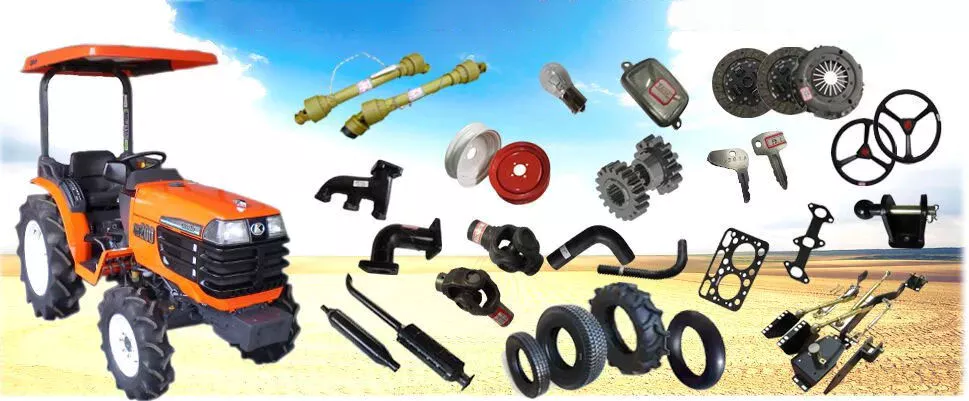
How do PTO shafts handle variations in speed and torque requirements?
PTO shafts (Power Take-Off shafts) are designed to handle variations in speed and torque requirements between the power source (such as a tractor or engine) and the driven machinery or equipment. They incorporate various mechanisms and components to ensure efficient power transmission while accommodating the different speed and torque demands. Here’s a detailed explanation of how PTO shafts handle variations in speed and torque requirements:
1. Gearbox Systems: PTO shafts often incorporate gearbox systems to match the speed and torque requirements between the power source and the driven machinery. Gearboxes allow for speed reduction or increase and can also change the rotational direction if necessary. By using different gear ratios, PTO shafts can adapt the rotational speed and torque output to suit the specific requirements of the driven equipment. Gearbox systems enable PTO shafts to provide the necessary power and speed compatibility between the power source and the machinery they drive.
2. Shear Bolt Mechanisms: Some PTO shafts, particularly in applications where sudden overloads or shock loads are expected, use shear bolt mechanisms. These mechanisms are designed to protect the driveline components from damage by disconnecting the PTO shaft in case of excessive torque or sudden resistance. Shear bolts are designed to break at a specific torque threshold, ensuring that the PTO shaft separates before the driveline components suffer damage. By incorporating shear bolt mechanisms, PTO shafts can handle variations in torque requirements and provide a safety feature to protect the equipment.
3. Friction Clutches: PTO shafts may incorporate friction clutch systems to enable smooth engagement and disengagement of power transfer. Friction clutches use a disc and pressure plate mechanism to control the transmission of power. Operators can gradually engage or disengage the power transfer by adjusting the pressure on the friction disc. This feature allows for precise control over torque transmission, accommodating variations in torque requirements while minimizing shock loads on the driveline components. Friction clutches are commonly used in applications where smooth power engagement is essential, such as in hydraulic pumps, generators, and industrial mixers.
4. Constant Velocity (CV) Joints: In cases where the driven machinery requires a significant range of movement or articulation, PTO shafts may incorporate Constant Velocity (CV) joints. CV joints allow the PTO shaft to accommodate misalignment and angular variations without affecting power transmission. These joints provide a smooth and constant power transfer even when the driven machinery is at an angle relative to the power source. CV joints are commonly used in applications such as articulated loaders, telescopic handlers, and self-propelled sprayers, where the machinery requires flexibility and a wide range of movement.
5. Telescopic Designs: Some PTO shafts feature telescopic designs that allow for length adjustment. These shafts consist of two or more concentric shafts that slide within each other, providing the ability to extend or retract the PTO shaft as needed. Telescopic designs accommodate variations in the distance between the power source and the driven machinery. By adjusting the length of the PTO shaft, operators can ensure proper power transmission without the risk of the shaft dragging on the ground or being too short to reach the equipment. Telescopic PTO shafts are commonly used in applications where the distance between the power source and the implement varies, such as in front-mounted implements, snow blowers, and self-loading wagons.
By incorporating these mechanisms and designs, PTO shafts can handle variations in speed and torque requirements effectively. They provide the necessary flexibility, safety, and control to ensure efficient power transmission between the power source and the driven machinery. PTO shafts play a critical role in adapting power to meet the specific needs of various equipment and applications.


editor by CX 2024-05-17