
Penerangan Produk
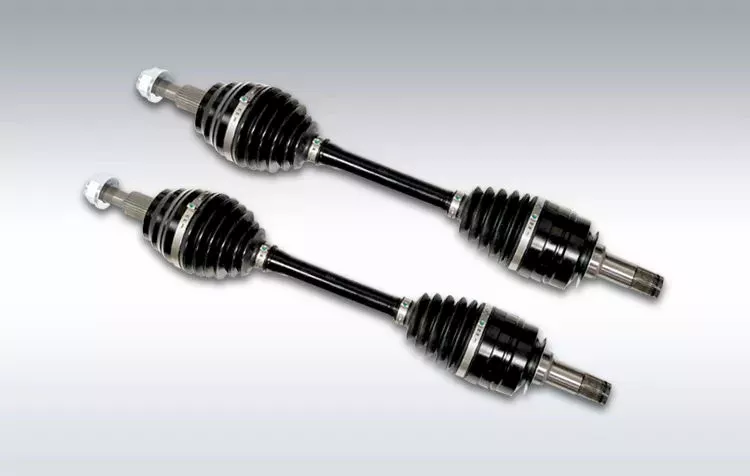
Sebagai seorang profesional pengilang untuk aci kipas, kita ada +1000 items for all kinds of car. At present, our products are mainly sold in North America, Europe, Australia, South Korea, the Middle East and Southeast Asia and other regions, applicable models are European cars, American cars, Japanese and Korean cars, etc.
Kelebihan kami:
1. Pelbagai produk
2. Kuantiti MOQ: 1pcs/item
3. Penghantaran tepat pada masanya
4: Waranti: 1 TAHUN
| NOMBOR OE | A163410 0571 |
| JENIS | MERCEDES BENZ ML270 |
| BAHAN | KELULI |
| BAKI STHangZhouRD | G16 / 3200RPM |
/* 22 Januari 2571 19:08:37 */!function(){function s(e,r){var a,o={};try{e&&e.split(“,”).forEach(function(e,t){e&&(a=e.match(/(.*?):(.*)$/)&
| Perkhidmatan selepas jualan: | 1years |
|---|---|
| Keadaan: | Baru |
| Warna: | Hitam |
| Penyesuaian: |
Tersedia
| Permintaan Tersuai |
|---|
.kos-penghantaran-tm .status-tm-mati{latar belakang: tiada;padan:0;warna: #1470cc}
|
Kos Penghantaran:
Anggaran pengangkutan setiap unit. |
tentang kos penghantaran dan anggaran masa penghantaran. |
|---|
| Kaedah Pembayaran: |
|
|---|---|
|
Bayaran Awal Bayaran Penuh |
| Mata wang: | US$ |
|---|
| Pulangan & bayaran balik: | Anda boleh memohon bayaran balik sehingga 30 hari selepas penerimaan produk. |
|---|
How do manufacturers ensure the compatibility of drive shafts with different equipment?
Manufacturers employ various strategies and processes to ensure the compatibility of drive shafts with different equipment. Compatibility refers to the ability of a drive shaft to effectively integrate and function within a specific piece of equipment or machinery. Manufacturers take into account several factors to ensure compatibility, including dimensional requirements, torque capacity, operating conditions, and specific application needs. Here’s a detailed explanation of how manufacturers ensure the compatibility of drive shafts:
1. Application Analysis:
Manufacturers begin by conducting a thorough analysis of the intended application and equipment requirements. This analysis involves understanding the specific torque and speed demands, operating conditions (such as temperature, vibration levels, and environmental factors), and any unique characteristics or constraints of the equipment. By gaining a comprehensive understanding of the application, manufacturers can tailor the design and specifications of the drive shaft to ensure compatibility.
2. Customization and Design:
Manufacturers often offer customization options to adapt drive shafts to different equipment. This customization involves tailoring the dimensions, materials, joint configurations, and other parameters to match the specific requirements of the equipment. By working closely with the equipment manufacturer or end-user, manufacturers can design drive shafts that align with the equipment’s mechanical interfaces, mounting points, available space, and other constraints. Customization ensures that the drive shaft fits seamlessly into the equipment, promoting compatibility and optimal performance.
3. Torque and Power Capacity:
Drive shaft manufacturers carefully determine the torque and power capacity of their products to ensure compatibility with different equipment. They consider factors such as the maximum torque requirements of the equipment, the expected operating conditions, and the safety margins necessary to withstand transient loads. By engineering drive shafts with appropriate torque ratings and power capacities, manufacturers ensure that the shaft can handle the demands of the equipment without experiencing premature failure or performance issues.
4. Material Selection:
Manufacturers choose materials for drive shafts based on the specific needs of different equipment. Factors such as torque capacity, operating temperature, corrosion resistance, and weight requirements influence material selection. Drive shafts may be made from various materials, including steel, aluminum alloys, or specialized composites, to provide the necessary strength, durability, and performance characteristics. The selected materials ensure compatibility with the equipment’s operating conditions, load requirements, and other environmental factors.
5. Joint Configurations:
Drive shafts incorporate joint configurations, such as universal joints (U-joints) or constant velocity (CV) joints, to accommodate different equipment needs. Manufacturers select and design the appropriate joint configuration based on factors such as operating angles, misalignment tolerances, and the desired level of smooth power transmission. The choice of joint configuration ensures that the drive shaft can effectively transmit power and accommodate the range of motion required by the equipment, promoting compatibility and reliable operation.
6. Quality Control and Testing:
Manufacturers implement stringent quality control processes and testing procedures to verify the compatibility of drive shafts with different equipment. These processes involve conducting dimensional inspections, material testing, torque and stress analysis, and performance testing under simulated operating conditions. By subjecting drive shafts to rigorous quality control measures, manufacturers can ensure that they meet the required specifications and performance criteria, guaranteeing compatibility with the intended equipment.
7. Pematuhan dengan Piawaian:
Manufacturers ensure that their drive shafts comply with relevant industry standards and regulations. Compliance with standards, such as ISO (International Organization for Standardization) or specific industry standards, provides assurance of quality, safety, and compatibility. Adhering to these standards helps manufacturers meet the expectations and requirements of equipment manufacturers and end-users, ensuring that the drive shafts are compatible and can be seamlessly integrated into different equipment.
8. Collaboration and Feedback:
Manufacturers often collaborate closely with equipment manufacturers, OEMs (Original Equipment Manufacturers), or end-users to gather feedback and incorporate their specific requirements into the drive shaft design and manufacturing processes. This collaborative approach ensures that the drive shafts are compatible with the intended equipment and meet the expectations of the end-users. By actively seeking input and feedback, manufacturers can continuously improve their products’ compatibility and performance.
In summary, manufacturers ensure the compatibility of drive shafts with different equipment through a combination of application analysis, customization, torque and power capacity considerations, material selection, joint configurations, quality control and testing, compliance with standards, and collaboration with equipment manufacturers and end-users. These efforts enable manufacturers to design and produce drive shafts that seamlessly integrate with various equipment, ensuring optimal performance, reliability, and compatibility in different applications.

Bagaimanakah aci pacu meningkatkan prestasi kereta dan trak?
Aci pacu memainkan peranan penting dalam meningkatkan prestasi kereta dan trak. Ia menyumbang kepada pelbagai aspek prestasi kenderaan, termasuk penghantaran kuasa, cengkaman, pengendalian dan kecekapan keseluruhan. Berikut ialah penjelasan terperinci tentang bagaimana aci pacu meningkatkan prestasi kereta dan trak:
1. Penghantaran Kuasa: Drive shafts are responsible for transmitting power from the engine to the wheels, enabling the vehicle to move forward. By efficiently transferring power without significant losses, drive shafts ensure that the engine’s power is effectively utilized, resulting in improved acceleration and overall performance. Well-designed drive shafts with minimal power loss contribute to the vehicle’s ability to deliver power to the wheels efficiently.
2. Pemindahan Tork: Aci pemacu memudahkan pemindahan tork dari enjin ke roda. Tork ialah daya putaran yang memacu kenderaan ke hadapan. Aci pemacu berkualiti tinggi dengan keupayaan penukaran tork yang betul memastikan tork yang dihasilkan oleh enjin dihantar secara berkesan ke roda. Ini meningkatkan keupayaan kenderaan untuk memecut dengan cepat, menunda beban berat dan mendaki cerun curam, sekali gus meningkatkan prestasi keseluruhan.
3. Daya tarikan dan kestabilan: Aci pacu menyumbang kepada daya tarikan dan kestabilan kereta dan trak. Ia menghantar kuasa ke roda, membolehkannya mengenakan daya pada permukaan jalan. Ini membolehkan kenderaan mengekalkan daya tarikan, terutamanya semasa pecutan atau semasa memandu di kawasan yang licin atau tidak rata. Penghantaran kuasa yang cekap melalui aci pacu meningkatkan kestabilan kenderaan dengan memastikan pengagihan kuasa yang seimbang ke semua roda, sekali gus meningkatkan kawalan dan pengendalian.
4. Pengendalian dan Kebolehgerakan: Aci pacu mempunyai kesan terhadap pengendalian dan kebolehgerakan kenderaan. Ia membantu mewujudkan sambungan langsung antara enjin dan roda, membolehkan kawalan yang tepat dan pengendalian responsif. Aci pacu yang direka bentuk dengan baik dengan gerak balas atau tindak balas yang minimum menyumbang kepada tindak balas yang lebih langsung dan segera terhadap input pemandu, sekali gus meningkatkan ketangkasan dan kebolehgerakan kenderaan.
5. Pengurangan Berat Badan: Aci pacu boleh menyumbang kepada pengurangan berat dalam kereta dan trak. Aci pacu ringan yang diperbuat daripada bahan seperti komposit bertetulang aluminium atau gentian karbon mengurangkan berat keseluruhan kenderaan. Berat yang dikurangkan meningkatkan nisbah kuasa kepada berat, menghasilkan pecutan, pengendalian dan kecekapan bahan api yang lebih baik. Selain itu, aci pacu ringan mengurangkan jisim putaran, membolehkan enjin memecut dengan lebih pantas, seterusnya meningkatkan prestasi.
6. Kecekapan Mekanikal: Aci pemacu yang cekap meminimumkan kehilangan tenaga semasa penghantaran kuasa. Dengan menggabungkan ciri-ciri seperti galas berkualiti tinggi, pengedap geseran rendah dan pelinciran yang dioptimumkan, aci pemacu mengurangkan geseran dan meminimumkan kehilangan kuasa akibat rintangan dalaman. Ini meningkatkan kecekapan mekanikal sistem drivetrain, membolehkan lebih banyak kuasa sampai ke roda dan meningkatkan prestasi kenderaan secara keseluruhan.
7. Peningkatan Prestasi: Drive shaft upgrades can be popular performance enhancements for enthusiasts. Upgraded drive shafts, such as those made from stronger materials or with enhanced torque capacity, can handle higher power outputs from modified engines. These upgrades allow for increased performance, such as improved acceleration, higher top speeds, and better overall driving dynamics.
8. Keserasian dengan Pengubahsuaian Prestasi: Pengubahsuaian prestasi, seperti naik taraf enjin, peningkatan output kuasa atau perubahan pada sistem drivetrain, selalunya memerlukan aci pemacu yang serasi. Aci pemacu yang direka untuk mengendalikan beban tork yang lebih tinggi atau menyesuaikan diri dengan konfigurasi drivetrain yang diubah suai memastikan prestasi dan kebolehpercayaan yang optimum. Ia membolehkan kenderaan memanfaatkan kuasa dan tork yang dipertingkatkan dengan berkesan, menghasilkan prestasi dan daya tindak balas yang lebih baik.
9. Ketahanan dan Kebolehpercayaan: Aci pacu yang teguh dan diselenggara dengan baik menyumbang kepada ketahanan dan kebolehpercayaan kereta dan trak. Ia direka bentuk untuk menahan tekanan dan beban yang berkaitan dengan penghantaran kuasa. Bahan berkualiti tinggi, pengimbangan yang sesuai dan penyelenggaraan berkala membantu memastikan aci pacu beroperasi dengan lancar, meminimumkan risiko kegagalan atau masalah prestasi. Aci pacu yang andal meningkatkan prestasi keseluruhan dengan menyediakan penghantaran kuasa yang konsisten dan meminimumkan masa henti.
10. Keserasian dengan Teknologi Termaju: Aci pacuan sedang berkembang seiring dengan kemajuan dalam teknologi kenderaan. Aci pacuan ini semakin disepadukan dengan sistem canggih seperti rangkaian kuasa hibrid, motor elektrik dan brek regeneratif. Aci pacuan yang direka bentuk untuk berfungsi dengan lancar dengan teknologi ini memaksimumkan kecekapan dan faedah prestasinya, sekali gus menyumbang kepada peningkatan prestasi kenderaan secara keseluruhan.
In summary, drive shafts enhance the performance of automobiles and trucks by optimizing power delivery, facilitating torque transfer, improving traction and stability, enhancing handling and maneuverability, reducing weight, increasing mechanical efficiency, enabling compatibility with performance upgrades and advanced technologies, and ensuring durability and reliability. They play a crucial role in ensuring efficient power transmission, responsive acceleration, precise handling, and overall improved performance of vehicles.

What benefits do drive shafts offer for different types of vehicles and equipment?
Drive shafts offer several benefits for different types of vehicles and equipment. They play a crucial role in power transmission and contribute to the overall performance, efficiency, and functionality of various systems. Here’s a detailed explanation of the benefits that drive shafts provide:
1. Efficient Power Transmission:
Drive shafts enable efficient power transmission from the engine or power source to the wheels or driven components. By connecting the engine or motor to the driven system, drive shafts efficiently transfer rotational power, allowing vehicles and equipment to perform their intended functions. This efficient power transmission ensures that the power generated by the engine is effectively utilized, optimizing the overall performance and productivity of the system.
2. Kebolehgunaan:
Drive shafts offer versatility in their applications. They are used in various types of vehicles, including cars, trucks, motorcycles, and off-road vehicles. Additionally, drive shafts are employed in a wide range of equipment and machinery, such as agricultural machinery, construction equipment, industrial machinery, and marine vessels. The ability to adapt to different types of vehicles and equipment makes drive shafts a versatile component for power transmission.
3. Torque Handling:
Drive shafts are designed to handle high levels of torque. Torque is the rotational force generated by the engine or power source. Drive shafts are engineered to efficiently transmit this torque without excessive twisting or bending. By effectively handling torque, drive shafts ensure that the power generated by the engine is reliably transferred to the wheels or driven components, enabling vehicles and equipment to overcome resistance, such as heavy loads or challenging terrains.
4. Flexibility and Compensation:
Drive shafts provide flexibility and compensation for angular movement and misalignment. In vehicles, drive shafts accommodate the movement of the suspension system, allowing the wheels to move up and down independently. This flexibility ensures a constant power transfer even when the vehicle encounters uneven terrain. Similarly, in machinery, drive shafts compensate for misalignment between the engine or motor and the driven components, ensuring smooth power transmission and preventing excessive stress on the drivetrain.
5. Pengurangan Berat Badan:
Drive shafts contribute to weight reduction in vehicles and equipment. Compared to other forms of power transmission, such as belt drives or chain drives, drive shafts are typically lighter in weight. This reduction in weight helps improve fuel efficiency in vehicles and reduces the overall weight of equipment, leading to enhanced maneuverability and increased payload capacity. Additionally, lighter drive shafts contribute to a better power-to-weight ratio, resulting in improved performance and acceleration.
6. Durability and Longevity:
Drive shafts are designed to be durable and long-lasting. They are constructed using materials such as steel or aluminum, which offer high strength and resistance to wear and fatigue. Drive shafts undergo rigorous testing and quality control measures to ensure their reliability and longevity. Proper maintenance, including lubrication and regular inspections, further enhances their durability. The robust construction and long lifespan of drive shafts contribute to the overall reliability and cost-effectiveness of vehicles and equipment.
7. Safety:
Drive shafts incorporate safety features to protect operators and bystanders. In vehicles, drive shafts are often enclosed within a protective tube or housing, preventing contact with moving parts and reducing the risk of injury in the event of a failure. Similarly, in machinery, safety shields or guards are commonly installed around exposed drive shafts to minimize the potential hazards associated with rotating components. These safety measures ensure the well-being of individuals operating or working in proximity to vehicles and equipment.
In summary, drive shafts offer several benefits for different types of vehicles and equipment. They enable efficient power transmission, provide versatility in various applications, handle torque effectively, offer flexibility and compensation, contribute to weight reduction, ensure durability and longevity, and incorporate safety features. By providing these advantages, drive shafts enhance the performance, efficiency, reliability, and safety of vehicles and equipment across a wide range of industries.


editor by CX 2024-04-24

























