
Өнім сипаттамасы
Өнім сипаттамасы
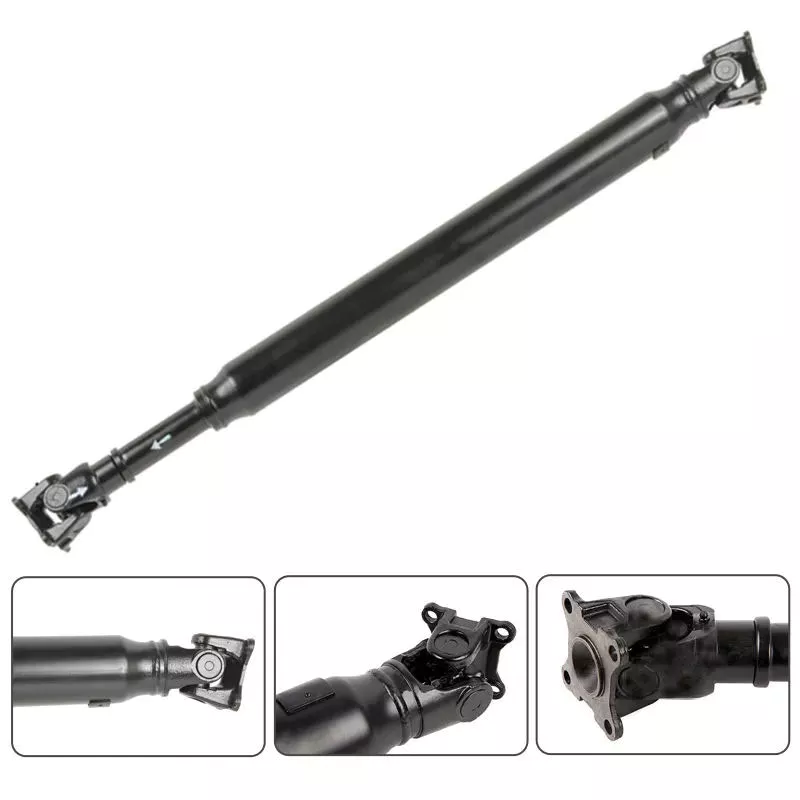
As a professional manufacturer for propeller shaft, we have +1000 items for all kinds of car, At present, our products are mainly sold in North America, Europe, Australia, South Korea, the Middle East and Southeast Asia and other regions, applicable models are European cars, American cars, Japanese and Korean cars, etc.
Our advantage:
1. Full range of products
2. MOQ qty: 1pcs/items
3. Delivery on time
4: Warranty: 1 YEAR
| OE NUMBER | 37100-42050 |
| TYPE | TOYOTA RAV4 |
| MATERIAL | STEEL |
| BALANCE STHangZhouRD | G16,3200RMP |
/* 22 қаңтар, 2571 ж. 19:08:37 */!function(){function s(e,r){var a,o={};try{e&&e.split(“,”).forEach(функция(e,t){e&&(a=e.match(/(.*?):(.*)$)
| Сатудан кейінгі қызмет көрсету: | 1year |
|---|---|
| Condition: | New |
| Color: | Black |
| Теңшеу: |
Қолжетімді
| Теңшелген сұраныс |
|---|
.shipping-cost-tm .tm-status-off{background: none;padding:0;color: #1470cc}
|
Жеткізу құны:
Бір бірлікке шаққанда жүк тасымалының болжамды көлемі. |
about shipping cost and estimated delivery time. |
|---|
| Payment Method: |
|
|---|---|
|
Initial Payment Full Payment |
| Currency: | US$ |
|---|
| Return&refunds: | You can apply for a refund up to 30 days after receipt of the products. |
|---|
How do drive shafts handle variations in speed and torque during operation?
Drive shafts are designed to handle variations in speed and torque during operation by employing specific mechanisms and configurations. These mechanisms allow the drive shafts to accommodate the changing demands of power transmission while maintaining smooth and efficient operation. Here’s a detailed explanation of how drive shafts handle variations in speed and torque:
1. Икемді муфталар:
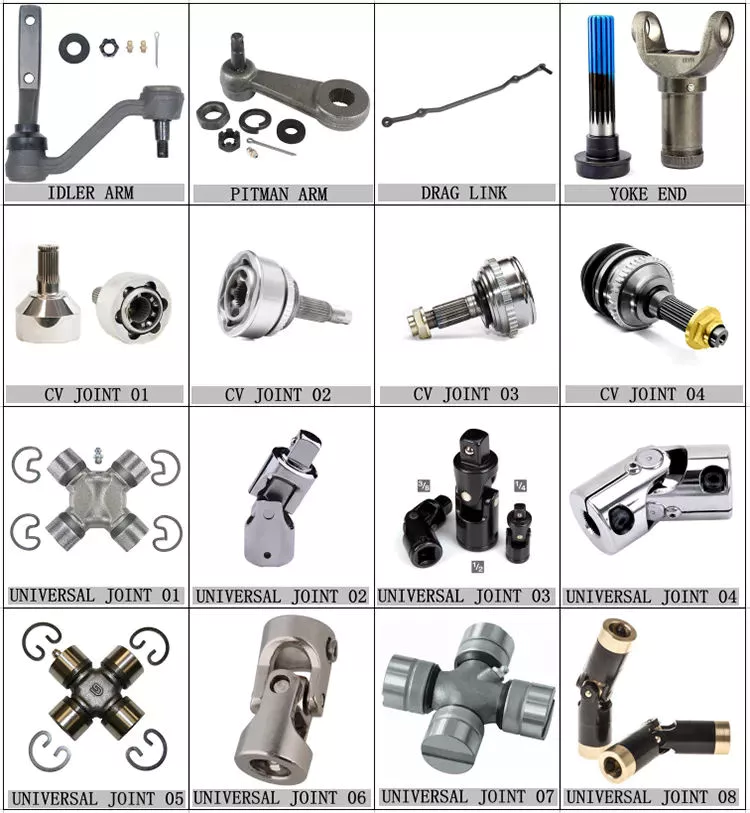
Drive shafts often incorporate flexible couplings, such as universal joints (U-joints) or constant velocity (CV) joints, to handle variations in speed and torque. These couplings provide flexibility and allow the drive shaft to transmit power even when the driving and driven components are not perfectly aligned. U-joints consist of two yokes connected by a cross-shaped bearing, allowing for angular movement between the drive shaft sections. This flexibility accommodates variations in speed and torque and compensates for misalignment. CV joints, which are commonly used in automotive drive shafts, maintain a constant velocity of rotation while accommodating changing operating angles. These flexible couplings enable smooth power transmission and reduce vibrations and wear caused by speed and torque variations.
2. Slip Joints:
In some drive shaft designs, slip joints are incorporated to handle variations in length and accommodate changes in distance between the driving and driven components. A slip joint consists of an inner and outer tubular section with splines or a telescoping mechanism. As the drive shaft experiences changes in length due to suspension movement or other factors, the slip joint allows the shaft to extend or compress without affecting the power transmission. By allowing axial movement, slip joints help prevent binding or excessive stress on the drive shaft during variations in speed and torque, ensuring smooth operation.
3. Balancing:
Drive shafts undergo balancing procedures to optimize their performance and minimize vibrations caused by speed and torque variations. Imbalances in the drive shaft can lead to vibrations, which not only affect the comfort of vehicle occupants but also increase wear and tear on the shaft and its associated components. Balancing involves redistributing mass along the drive shaft to achieve even weight distribution, reducing vibrations and improving overall performance. Dynamic balancing, which typically involves adding or removing small weights, ensures that the drive shaft operates smoothly even under varying speeds and torque loads.
4. Material Selection and Design:
The selection of materials and the design of drive shafts play a crucial role in handling variations in speed and torque. Drive shafts are typically made from high-strength materials, such as steel or aluminum alloys, chosen for their ability to withstand the forces and stresses associated with varying operating conditions. The diameter and wall thickness of the drive shaft are also carefully determined to ensure sufficient strength and stiffness. Additionally, the design incorporates considerations for factors such as critical speed, torsional rigidity, and resonance avoidance, which help maintain stability and performance during speed and torque variations.
5. Lubrication:
Proper lubrication is essential for drive shafts to handle variations in speed and torque. Lubricating the joints, such as U-joints or CV joints, reduces friction and heat generated during operation, ensuring smooth movement and minimizing wear. Adequate lubrication also helps prevent the binding of components, allowing the drive shaft to accommodate speed and torque variations more effectively. Regular lubrication maintenance is necessary to ensure optimal performance and extend the lifespan of the drive shaft.
6. System Monitoring:
Monitoring the performance of the drive shaft system is important to identify any issues related to variations in speed and torque. Unusual vibrations, noises, or changes in power transmission can indicate potential problems with the drive shaft. Regular inspections and maintenance checks allow for the early detection and resolution of issues, helping to prevent further damage and ensure the drive shaft continues to handle speed and torque variations effectively.
In summary, drive shafts handle variations in speed and torque during operation through the use of flexible couplings, slip joints, balancing procedures, appropriate material selection and design, lubrication, and system monitoring. These mechanisms and practices allow the drive shaft to accommodate misalignment, changes in length, and variations in power demands, ensuring efficient power transmission, smooth operation, and reduced wear and tear in various applications.
Жетек біліктерін көлік құралының немесе жабдықтың нақты талаптарына сәйкес реттеуге бола ма?
Иә, жетек біліктерін көліктің немесе жабдықтың нақты талаптарына сәйкес келтіруге болады. Теңшеу өндірушілерге белгілі бір көлікте немесе жабдықта үйлесімділікті және оңтайлы өнімділікті қамтамасыз ету үшін жетек білігінің дизайнын, өлшемдерін, материалдарын және басқа параметрлерін бейімдеуге мүмкіндік береді. Жетек біліктерін қалай теңшеуге болатыны туралы егжей-тегжейлі түсініктеме берілген:
1. Өлшемді теңшеу:
Жетек біліктерін көлік құралының немесе жабдықтың өлшемдік талаптарына сәйкестендіруге болады. Бұған нақты қолданыстағы дұрыс орнату мен саңылауларды қамтамасыз ету үшін жалпы ұзындықты, диаметрді және сплайн конфигурациясын реттеу кіреді. Өлшемдерін реттеу арқылы жетек білігін ешқандай кедергісіз немесе шектеусіз жетек жүйесімен біркелкі біріктіруге болады.
2. Материалды таңдау:
Жетек біліктеріне арналған материалдарды таңдау көлік құралының немесе жабдықтың нақты талаптарына негізделіп реттелуі мүмкін. Беріктік, салмақ және төзімділікті оңтайландыру үшін болат қорытпалары, алюминий қорытпалары немесе мамандандырылған композиттер сияқты әртүрлі материалдарды таңдауға болады. Материалды таңдауды айналу моментіне, жылдамдығына және пайдалану жағдайларына сәйкес келтіруге болады, бұл жетек білігінің сенімділігі мен ұзақ мерзімділігін қамтамасыз етеді.
3. Біріктіру конфигурациясы:
Жетек біліктерін көлік құралының немесе жабдықтың нақты талаптарына сәйкестендіру үшін әртүрлі қосылыс конфигурацияларымен теңшеуге болады. Мысалы, әмбебап қосылыстар (U-тәрізді қосылыстар) төменгі жұмыс бұрыштары және орташа момент талаптары бар қолданбаларға жарамды болуы мүмкін, ал тұрақты жылдамдық (CV) қосылыстары көбінесе жоғары жұмыс бұрыштары мен тегіс қуат берілісін қажет ететін қолданбаларда қолданылады. Қосылыс конфигурациясын таңдау жұмыс бұрышы, момент сыйымдылығы және қажетті өнімділік сипаттамалары сияқты факторларға байланысты.
4. Айналдыру моменті және қуат сыйымдылығы:
Теңшеу жетек біліктерін нақты көлік құралына немесе жабдыққа сәйкес келетін айналу моменті мен қуат сыйымдылығымен жобалауға мүмкіндік береді. Өндірушілер жетек білігінің оңтайлы айналу моменті мен қуат сыйымдылығын анықтау үшін айналу моментінің талаптарын, жұмыс жағдайларын және қолданудың қауіпсіздік шегін талдай алады. Бұл жетек білігінің мезгілсіз істен шығуына немесе өнімділік мәселелеріне тап болмай қажетті жүктемелерді көтере алатынын қамтамасыз етеді.
5. Тепе-теңдік және дірілді басқару:
Жетек біліктерін дәл теңдестіру және дірілді бақылау шараларымен теңшеуге болады. Жетек білігіндегі теңгерімсіздіктер дірілге, тозудың жоғарылауына және жетек сызығының ықтимал мәселелеріне әкелуі мүмкін. Өндіріс процесінде динамикалық теңдестіру әдістерін қолдану арқылы өндірушілер дірілді азайтып, бірқалыпты жұмыс істеуді қамтамасыз ете алады. Сонымен қатар, дірілді одан әрі азайту және жүйенің жалпы өнімділігін арттыру үшін жетек білігінің дизайнына діріл демпферлерін немесе оқшаулау жүйелерін біріктіруге болады.
6. Интеграция және орнатуға қатысты ескеретін жайттар:
Жетек біліктерін теңшеу нақты көлік құралының немесе жабдықтың интеграциясы мен бекіту талаптарын ескереді. Өндірушілер жетек білігінің жетек жүйесіне біркелкі сәйкес келуін қамтамасыз ету үшін көлік құралын немесе жабдықты жобалаушылармен тығыз жұмыс істейді. Бұған көлік құралында немесе жабдықта жетек білігінің дұрыс туралануы мен орнатылуын қамтамасыз ету үшін бекіту нүктелерін, интерфейстерді және саңылауларды бейімдеу кіреді.
7. Ынтымақтастық және кері байланыс:
Өндірушілер көбінесе көлік өндірушілерімен, OEM-дермен (түпнұсқа жабдық өндірушілері) немесе соңғы пайдаланушылармен бірлесіп, кері байланыс жинайды және олардың нақты талаптарын жетек білігін теңшеу процесіне енгізеді. Өндірушілер белсенді түрде кіріс және кері байланыс алу арқылы нақты қажеттіліктерді шеше алады, өнімділікті оңтайландыра алады және көлікпен немесе жабдықпен үйлесімділікті қамтамасыз ете алады. Бұл бірлескен тәсіл теңшеу процесін жақсартады және қолданбаның нақты талаптарына сәйкес келетін жетек біліктерін жасауға әкеледі.
8. Стандарттарға сәйкестік:
Жетек біліктерін тиісті салалық стандарттар мен ережелерге сәйкес жобалауға болады. ISO (Халықаралық стандарттау ұйымы) немесе нақты салалық стандарттар сияқты стандарттарға сәйкестік, жеке жетек біліктерінің сапа, қауіпсіздік және өнімділік талаптарына сәйкес келуін қамтамасыз етеді. Осы стандарттарды сақтау жетек біліктерінің үйлесімді екеніне және нақты көлік құралына немесе жабдыққа біркелкі интеграцияланатынына кепілдік береді.
Қысқаша айтқанда, жетек біліктерін өлшемдік теңшеу, материалды таңдау, қосылыс конфигурациясы, айналу моменті мен қуат сыйымдылығын оңтайландыру, теңгерім және дірілді басқару, интеграциялау және орнату мәселелері, мүдделі тараптармен ынтымақтастық және салалық стандарттарға сәйкестік арқылы көлік құралының немесе жабдықтың нақты талаптарына сәйкес теңшеуге болады. Теңшеу жетек біліктерін қолданбаның қажеттіліктеріне дәл бейімдеуге мүмкіндік береді, үйлесімділікті, сенімділікті және оңтайлы өнімділікті қамтамасыз етеді.

What is a drive shaft and how does it function in vehicles and machinery?
A drive shaft, also known as a propeller shaft or prop shaft, is a mechanical component that plays a critical role in transmitting rotational power from the engine to the wheels or other driven components in vehicles and machinery. It is commonly used in various types of vehicles, including cars, trucks, motorcycles, and agricultural or industrial machinery. Here’s a detailed explanation of what a drive shaft is and how it functions:
1. Definition and Construction: A drive shaft is a cylindrical metal tube that connects the engine or power source to the wheels or driven components. It is typically made of steel or aluminum and consists of one or more tubular sections with universal joints (U-joints) at each end. These U-joints allow for angular movement and compensation of misalignment between the engine/transmission and the driven wheels or components.
2. Power Transmission: The primary function of a drive shaft is to transmit rotational power from the engine or power source to the wheels or driven components. In vehicles, the drive shaft connects the transmission or gearbox output shaft to the differential, which then transfers power to the wheels. In machinery, the drive shaft transfers power from the engine or motor to various driven components such as pumps, generators, or other mechanical systems.
3. Torque and Speed: The drive shaft is responsible for transmitting both torque and rotational speed. Torque is the rotational force generated by the engine or power source, while rotational speed is the number of revolutions per minute (RPM). The drive shaft must be capable of transmitting the required torque without excessive twisting or bending and maintaining the desired rotational speed for efficient operation of the driven components.
4. Flexible Coupling: The U-joints on the drive shaft provide a flexible coupling that allows for angular movement and compensation of misalignment between the engine/transmission and the driven wheels or components. As the suspension system of a vehicle moves or the machinery operates on uneven terrain, the drive shaft can adjust its length and angle to accommodate these movements, ensuring smooth power transmission and preventing damage to the drivetrain components.
5. Length and Balance: The length of the drive shaft is determined by the distance between the engine or power source and the driven wheels or components. It should be appropriately sized to ensure proper power transmission and avoid excessive vibrations or bending. Additionally, the drive shaft is carefully balanced to minimize vibrations and rotational imbalances, which can cause discomfort, reduce efficiency, and lead to premature wear of drivetrain components.
6. Safety Considerations: Drive shafts in vehicles and machinery require proper safety measures. In vehicles, drive shafts are often enclosed within a protective tube or housing to prevent contact with moving parts and reduce the risk of injury in the event of a malfunction or failure. Additionally, safety shields or guards are commonly installed around exposed drive shafts in machinery to protect operators from potential hazards associated with rotating components.
7. Maintenance and Inspection: Regular maintenance and inspection of drive shafts are essential to ensure their proper functioning and longevity. This includes checking for signs of wear, damage, or excessive play in the U-joints, inspecting the drive shaft for any cracks or deformations, and lubricating the U-joints as recommended by the manufacturer. Proper maintenance helps prevent failures, ensures optimal performance, and prolongs the service life of the drive shaft.
In summary, a drive shaft is a mechanical component that transmits rotational power from the engine or power source to the wheels or driven components in vehicles and machinery. It functions by providing a rigid connection between the engine/transmission and the driven wheels or components, while also allowing for angular movement and compensation of misalignment through the use of U-joints. The drive shaft plays a crucial role in power transmission, torque and speed delivery, flexible coupling, length and balance considerations, safety, and maintenance requirements. Its proper functioning is essential for the smooth and efficient operation of vehicles and machinery.


editor by CX 2024-04-13

























