Өнім сипаттамасы
Өнім сипаттамасы
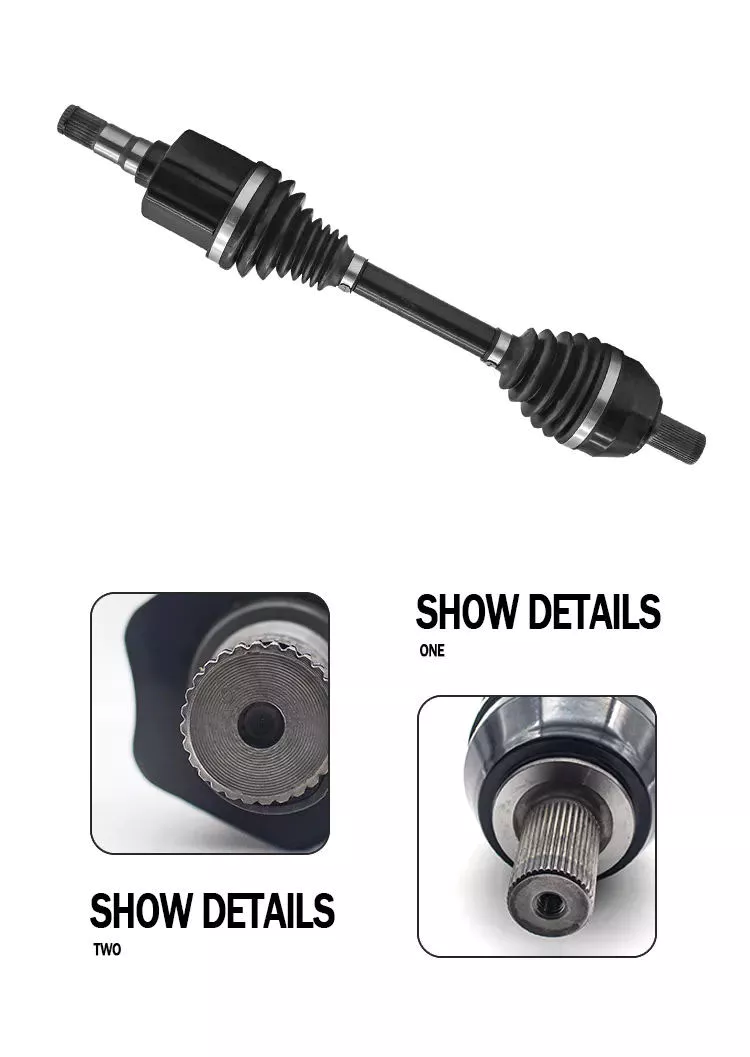
| Item Name | Drive shaft/ C.V Joint/ C.V Boot Cover 95% Japanese Car Model |
| Car model | For Toyota,Honda,Nissan,Mitsubishi,Mazda,Hyundai,Kia,Subaru |
| Brand | EEP |
| Qty/Box | 1 PC/Box |
| MOQ | 4PCS |
| Warranty | 1 Year/30,000-60,000Kilometers |
| Packing | EEP poly bag + CZPT color box+EEP Carton or customized packing |
| Payment | T/T, Western Union, L/C, Cash |
| Delivery | 1-7 days for stock items, 7-25 days for production order |
| Shipment | by DHL/ FEDEX/ TNT, by Air, by sea |
| Certificate | ISO9001, TS16949, SGS |
Толық фотосуреттер
Product Specification:
| Constant velocity universal joint special steel CF53 | Normalization treatment to refine the internal structure of the material and greatly improve the performance of the C.V Joint. |
| C.V Boot | Imported neoprene to ensure of its hardness, high or low temperature test (-40 ºC –120 ºC) and high performance for elongation. |
| 1CR13 Clamp | Adopted 1CR13 martensitic stainless steel with high strength and strong corrosion resistance. |
| Molybdenum Disulfide Grease | Ample grease, operating efficiently under -40 ° C ~ 150 ° C temperature, effectively reduce metal wear by its excellent wear resistance and extend products’ service life by strong anti-aging performance. |
EEP Auto Parts CO., Ltd main products line:
1. Auto rubber bushing: engine mount, strut mount, center bearing, differential mount, control arm bushing, stabilizer bushing, other suspension bushing
2. Suspension Parts: shock absorber, control arm, ball joint,stabilizer link, tie rod end, steering rack
3. CV joint, drive shaft, cv joint boot
4. Brake parts: brake pads, brake disc, brake master cylinder, wheel cylinder
5. Fuel pump, water pump, radiator, gasket kit, engine belt
Our Advantages
Advantages of Service:
• OEM & ODM Availability
• Years of cooperation with global top brand companies
• 100% performance test before delivery
• 10000+ part numbers
• Storage sales: NO MOQ
• Punctual delivery date & shorter lead time
• Positive customer testimonials from 108 countries
• Complete products range
Certifications
Компания профилі
Exhibition Show:
We attend professional auto parts trade fair to promote our products. A great many of customers would come to our booth, show interest in our products and are willing to try our products. Trial order to test quality is warmly welcomed too!
EEP Auto Parts CO., Ltd company profile:
EEP AUTO PARTS CO., LTD, established in 1995, has been specializing in manufacturing and selling suspension parts for Japanese cars with 27 years experience. EEP AUTO PARTS has developed more than 8000 different OEM codes for Toyota, Honda, Nissan, Mitsubishi, Mazda and Subaru including shock absorber, ball joint, stabilizer link, tie rod end, rack end, control arm, bushing and mounting. We have been committed to providing high efficiency, quality guaranteed, long durability auto parts to our customers. Until now CZPT Auto Parts CO., Ltd owns 3 branch companiese which are respectively located in HangZhou, Urumchi and ZheJiang . Each branch is in charge of different markets in order to meet customers’ needs in different countries, total warehouse covering area 31,600 square meters,thus, we are able to deliver goods to you promptly.
Жиі қойылатын сұрақтар
/* October 22, 2571 15:47:17 */(()=>{function d(e,r){var a,o={};try{e&&e.split(“,”).forEach(function(e,t){e&&(a=e.match(/(.*?):(.*)$/))&&1
Жетек біліктерімен байланысты шектеулер немесе кемшіліктер бар ма?
Жетек біліктері кеңінен қолданылып, бірнеше артықшылықтарды ұсынғанымен, олардың ескеру қажет белгілі бір шектеулері мен кемшіліктері де бар. Жетек біліктерімен байланысты шектеулер мен кемшіліктердің егжей-тегжейлі түсіндірмесі:
1. Ұзындық және туралаудың сәйкессіздігі шектеулері:
Жетек біліктері материалдың беріктігі, салмақты ескеру және қаттылықты сақтау және дірілді азайту қажеттілігі сияқты факторларға байланысты максималды практикалық ұзындыққа ие. Ұзынырақ жетек біліктері иілудің және бұралу ауытқуының жоғарылауына бейім болуы мүмкін, бұл тиімділіктің төмендеуіне және жетек сызығының ықтимал дірілдеуіне әкеледі. Сонымен қатар, жетек біліктері жетек және жетек компоненттері арасында дұрыс туралауды қажет етеді. Дұрыс тураламау жетек білігінің немесе онымен байланысты компоненттердің тозуының, дірілдің және мерзімінен бұрын істен шығуының жоғарылауына әкелуі мүмкін.
2. Шектеулі жұмыс бұрыштары:
Жетек біліктерінің, әсіресе U-тәрізді қосылыстарды пайдаланатындардың, жұмыс бұрыштарына шектеулер бар. U-тәрізді қосылыстар әдетте белгілі бір бұрыштық диапазондарда жұмыс істеуге арналған және бұл шектеулерден тыс жұмыс істеу тиімділіктің төмендеуіне, дірілдің жоғарылауына және тозудың жеделдеуіне әкелуі мүмкін. Үлкен жұмыс бұрыштарын қажет ететін қолданбаларда тұрақты жылдамдықты (ТЖ) қосылыстары көбінесе тұрақты жылдамдықты сақтау және үлкен бұрыштарды орналастыру үшін қолданылады. Дегенмен, ТЖ қосылыстары ТЖ қосылыстарымен салыстырғанда жоғары күрделілік пен шығындарды тудыруы мүмкін.
3. Техникалық қызмет көрсету талаптары:
Жетек біліктері оңтайлы өнімділік пен сенімділікті қамтамасыз ету үшін үнемі техникалық қызмет көрсетуді қажет етеді. Бұған мерзімді тексеру, қосылыстарды майлау және қажет болған жағдайда теңдестіру кіреді. Күнделікті техникалық қызмет көрсетпеу тозудың, дірілдің және жетектің ықтимал мәселелеріне әкелуі мүмкін. Жетек біліктерін әртүрлі қолданбаларда пайдаланған кезде техникалық қызмет көрсету талаптарын уақыт пен ресурстар тұрғысынан ескеру қажет.
4. Шу және діріл:
Жетек біліктері, әсіресе жоғары жылдамдықта немесе белгілі бір резонанстық жиіліктерде жұмыс істеген кезде шу мен діріл тудыруы мүмкін. Тепе-теңдіктің бұзылуы, тураланбауы, тозған қосылыстар немесе басқа факторлар шу мен дірілдің жоғарылауына ықпал етуі мүмкін. Бұл дірілдер көліктегі жолаушылардың жайлылығына әсер етуі, компоненттердің шаршауына ықпал етуі және олардың әсерін азайту үшін демпферлер немесе діріл оқшаулау жүйелері сияқты қосымша шараларды қажет етуі мүмкін.
5. Салмақ және кеңістік шектеулері:
Жетек біліктері жалпы жүйеге салмақ қосады, бұл автомобиль немесе аэроғарыш өнеркәсібі сияқты салмаққа сезімтал қолданбаларда қарастырылуы мүмкін. Сонымен қатар, жетек біліктерін орнату үшін физикалық кеңістік қажет. Ықшам немесе тығыз оралған жабдықта немесе көлік құралдарында қажетті жетек білігінің ұзындығы мен саңылауларын орналастыру қиын болуы мүмкін, бұл мұқият дизайн мен интеграцияны қарастыруды қажет етеді.
6. Шығындарды ескеру:
Жетек біліктері, олардың дизайнына, материалдарына және өндіріс процестеріне байланысты, айтарлықтай шығындарды қажет етуі мүмкін. Белгілі бір жабдық талаптарына бейімделген немесе мамандандырылған жетек біліктері жоғары шығындарға әкелуі мүмкін. Сонымен қатар, CV қосылыстары сияқты кеңейтілген қосылыс конфигурацияларын енгізу жетек білігі жүйесіне күрделілік пен шығын қосуы мүмкін.
7. Қуаттың ішкі шығыны:
Жетек біліктері қуатты жетек көзінен жетектегі компоненттерге береді, бірақ сонымен бірге үйкеліс, иілу және басқа да факторларға байланысты кейбір ішкі қуат шығынын тудырады. Бұл қуат шығыны, әсіресе ұзын жетек біліктерінде немесе жоғары момент талаптары бар қолданбаларда жалпы жүйенің тиімділігін төмендетуі мүмкін. Тиісті жетек білігінің дизайны мен сипаттамаларын анықтаған кезде қуат шығынын ескеру маңызды.
8. Шектеулі айналу моменті сыйымдылығы:
Жетек біліктері әртүрлі момент жүктемелерін көтере алса да, олардың момент сыйымдылығының шектеулері бар. Жетек білігінің максималды момент сыйымдылығынан асып кету мерзімінен бұрын істен шығуға әкелуі мүмкін, бұл тоқтап қалуға және басқа жетек компоненттерінің зақымдалуына әкелуі мүмкін. Мақсатты қолдануға жеткілікті момент сыйымдылығы бар жетек білігін таңдау өте маңызды.
Осы шектеулер мен кемшіліктерге қарамастан, жетек біліктері әртүрлі салаларда кеңінен қолданылатын және тиімді қуат беру құралы болып қала береді. Өндірушілер материалдарды, жобалау әдістерін, қосылыс конфигурацияларын және теңестіру процестерін жетілдіру арқылы бұл шектеулерді шешу үшін үздіксіз жұмыс істейді. Нақты қолдану талаптары мен ықтимал кемшіліктерді мұқият қарастыра отырып, инженерлер мен дизайнерлер шектеулерді азайтып, тиісті жүйелеріндегі жетек біліктерінің артықшылықтарын барынша арттыра алады.

What safety precautions should be followed when working with drive shafts?
Working with drive shafts requires adherence to specific safety precautions to prevent accidents, injuries, and damage to equipment. Drive shafts are critical components of a vehicle or machinery’s driveline system and can pose hazards if not handled properly. Here’s a detailed explanation of the safety precautions that should be followed when working with drive shafts:
1. Personal Protective Equipment (PPE):
Always wear appropriate personal protective equipment when working with drive shafts. This may include safety goggles, gloves, steel-toed boots, and protective clothing. PPE helps protect against potential injuries from flying debris, sharp edges, or accidental contact with moving parts.
2. Lockout/Tagout Procedures:
Before working on a drive shaft, ensure that the power source is properly locked out and tagged out. This involves isolating the power supply, such as shutting off the engine or disconnecting the electrical power, and securing it with a lockout/tagout device. This prevents accidental engagement of the drive shaft while maintenance or repair work is being performed.
3. Vehicle or Equipment Support:
When working with drive shafts in vehicles or equipment, use proper support mechanisms to prevent unexpected movement. Securely block the vehicle’s wheels or utilize support stands to prevent the vehicle from rolling or shifting during drive shaft removal or installation. This helps maintain stability and reduces the risk of accidents.
4. Proper Lifting Techniques:
When handling heavy drive shafts, use proper lifting techniques to prevent strain or injuries. Lift with the help of a suitable lifting device, such as a hoist or jack, and ensure that the load is evenly distributed and securely attached. Avoid lifting heavy drive shafts manually or with improper lifting equipment, as this can lead to accidents and injuries.
5. Inspection and Maintenance:
Prior to working on a drive shaft, thoroughly inspect it for any signs of damage, wear, or misalignment. If any abnormalities are detected, consult a qualified technician or engineer before proceeding. Regular maintenance is also essential to ensure the drive shaft is in good working condition. Follow the manufacturer’s recommended maintenance schedule and procedures to minimize the risk of failures or malfunctions.
6. Proper Tools and Equipment:
Use appropriate tools and equipment specifically designed for working with drive shafts. Improper tools or makeshift solutions can lead to accidents or damage to the drive shaft. Ensure that tools are in good condition, properly sized, and suitable for the task at hand. Follow the manufacturer’s instructions and guidelines when using specialized tools or equipment.
7. Controlled Release of Stored Energy:
Some drive shafts, particularly those with torsional dampers or other energy-storing components, can store energy even when the power source is disconnected. Exercise caution when working on such drive shafts and ensure that the stored energy is safely released before disassembly or removal.
8. Training and Expertise:
Work on drive shafts should only be performed by individuals with the necessary training, knowledge, and expertise. If you are not familiar with drive shafts or lack the required skills, seek assistance from qualified technicians or professionals. Improper handling or installation of drive shafts can lead to accidents, damage, or compromised performance.
9. Follow Manufacturer’s Guidelines:
Always follow the manufacturer’s guidelines, instructions, and warnings specific to the drive shaft you are working with. These guidelines provide important information regarding installation, maintenance, and safety considerations. Deviating from the manufacturer’s recommendations may result in unsafe conditions or void warranty coverage.
10. Disposal of Old or Damaged Drive Shafts:
Dispose of old or damaged drive shafts in accordance with local regulations and environmental guidelines. Improper disposal can have negative environmental impacts and may violate legal requirements. Consult with local waste management authorities or recycling centers to ensure appropriate disposal methods are followed.
By following these safety precautions, individuals can minimize the risks associated with working with drive shafts and promote a safe working environment. It is crucial to prioritize personal safety, use proper equipment and techniques, and seek professional help when needed to ensure the proper handling and maintenance of drive shafts.
What is a drive shaft and how does it function in vehicles and machinery?
A drive shaft, also known as a propeller shaft or prop shaft, is a mechanical component that plays a critical role in transmitting rotational power from the engine to the wheels or other driven components in vehicles and machinery. It is commonly used in various types of vehicles, including cars, trucks, motorcycles, and agricultural or industrial machinery. Here’s a detailed explanation of what a drive shaft is and how it functions:
1. Definition and Construction: A drive shaft is a cylindrical metal tube that connects the engine or power source to the wheels or driven components. It is typically made of steel or aluminum and consists of one or more tubular sections with universal joints (U-joints) at each end. These U-joints allow for angular movement and compensation of misalignment between the engine/transmission and the driven wheels or components.
2. Power Transmission: The primary function of a drive shaft is to transmit rotational power from the engine or power source to the wheels or driven components. In vehicles, the drive shaft connects the transmission or gearbox output shaft to the differential, which then transfers power to the wheels. In machinery, the drive shaft transfers power from the engine or motor to various driven components such as pumps, generators, or other mechanical systems.
3. Torque and Speed: The drive shaft is responsible for transmitting both torque and rotational speed. Torque is the rotational force generated by the engine or power source, while rotational speed is the number of revolutions per minute (RPM). The drive shaft must be capable of transmitting the required torque without excessive twisting or bending and maintaining the desired rotational speed for efficient operation of the driven components.
4. Flexible Coupling: The U-joints on the drive shaft provide a flexible coupling that allows for angular movement and compensation of misalignment between the engine/transmission and the driven wheels or components. As the suspension system of a vehicle moves or the machinery operates on uneven terrain, the drive shaft can adjust its length and angle to accommodate these movements, ensuring smooth power transmission and preventing damage to the drivetrain components.
5. Length and Balance: The length of the drive shaft is determined by the distance between the engine or power source and the driven wheels or components. It should be appropriately sized to ensure proper power transmission and avoid excessive vibrations or bending. Additionally, the drive shaft is carefully balanced to minimize vibrations and rotational imbalances, which can cause discomfort, reduce efficiency, and lead to premature wear of drivetrain components.
6. Safety Considerations: Drive shafts in vehicles and machinery require proper safety measures. In vehicles, drive shafts are often enclosed within a protective tube or housing to prevent contact with moving parts and reduce the risk of injury in the event of a malfunction or failure. Additionally, safety shields or guards are commonly installed around exposed drive shafts in machinery to protect operators from potential hazards associated with rotating components.
7. Maintenance and Inspection: Regular maintenance and inspection of drive shafts are essential to ensure their proper functioning and longevity. This includes checking for signs of wear, damage, or excessive play in the U-joints, inspecting the drive shaft for any cracks or deformations, and lubricating the U-joints as recommended by the manufacturer. Proper maintenance helps prevent failures, ensures optimal performance, and prolongs the service life of the drive shaft.
In summary, a drive shaft is a mechanical component that transmits rotational power from the engine or power source to the wheels or driven components in vehicles and machinery. It functions by providing a rigid connection between the engine/transmission and the driven wheels or components, while also allowing for angular movement and compensation of misalignment through the use of U-joints. The drive shaft plays a crucial role in power transmission, torque and speed delivery, flexible coupling, length and balance considerations, safety, and maintenance requirements. Its proper functioning is essential for the smooth and efficient operation of vehicles and machinery.


editor by lmc 2024-11-25