
Descrizione del prodotto
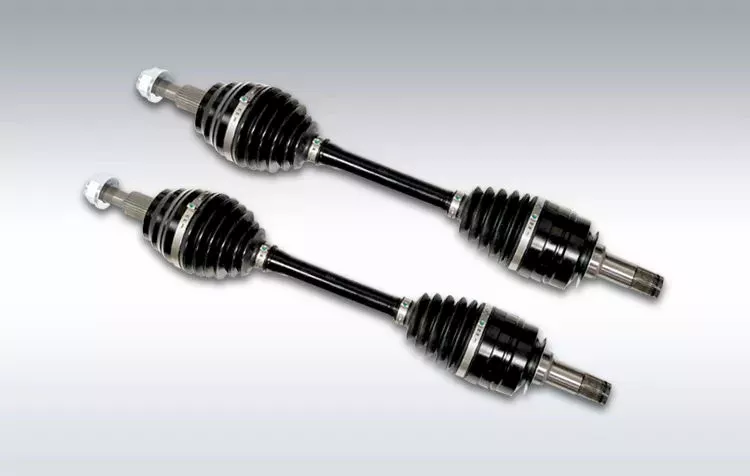
Albero di trasmissione PTO agricolo T4-660-01B-07G-YIIIP per macchine movimento terra e raccoglitrici di patate.
| Product: | PTO Drive Shaft |
| Model: | T4-660-01B-07G-YIIIP |
| Size: | φ27*74.6 Length 660mm |
| Raw Material: | 45# Steel |
| Durezza: | 58-64HRC |
| Delivery Date: | 7-60 Days |
| MOQ: | 100 sets or according to stocks without minimum Qty. |
| Sample: | Accettabile |
| We could produce all kinds of PTO Drive Shaft and Parts according to customers’ requirement. | |
| REF. | UJ | L.mm |
| T4-660-01B-07G-YIIIP | ø27*74.6 | 660 |
About us
We have more than 17 years experience of Spare parts, especially on Drive Line Parts.
We deeply participant in the Auto Spare parts business in HangZhou city which is the most import spare parts production area in China.
We are supply products with good cost performance for different customers of all over the world.
We keep very good relationship with local produces with the WIN-WIN-WIN policy.
Factory supply good and fast products;
We supply good and fast service;
And Customers gain the good products and good service for their customers.
This is a healthy and strong equilateral triangle keep HangZhou Speedway going forward until now.
/* 22 gennaio 2571 19:08:37 */!function(){function s(e,r){var a,o={};try{e&&e.split(“,”).forEach(function(e,t){e&&(a=e.match(/(.*?):(.*)$/))&&1
| Tipo: | Transmission |
|---|---|
| Utilizzo: | Tillage, Harvester, Planting and Fertilization |
| Materiale: | 45# Steel |
| Fonte di alimentazione: | Diesel |
| Peso: | 8 |
| Servizio post-vendita: | Assistenza online |
Are there any limitations or disadvantages associated with PTO drive shaft systems?
While PTO (Power Take-Off) drive shaft systems offer numerous advantages, there are also some limitations and disadvantages associated with their use. It’s important to consider these factors when deciding whether to implement a PTO drive shaft system. The limitations and disadvantages include:
1. Safety Risks:
PTO drive shaft systems can pose safety risks if not used and maintained properly. The rotating drive shaft, exposed splines, and universal joints can present hazards to operators and bystanders if they come into contact with them while in operation. Entanglement or entrapment of clothing, hair, or body parts in the rotating components can result in severe injuries. It is crucial to follow safety guidelines, use appropriate shielding, and implement safety devices to mitigate these risks.
2. Maintenance and Lubrication:
PTO drive shaft systems require regular maintenance and lubrication to ensure optimal performance and longevity. The joints, splines, and bearings need to be inspected, cleaned, and lubricated as recommended by the manufacturer. Failure to perform routine maintenance can lead to premature wear, increased friction, and eventual component failure, resulting in unexpected downtime and costly repairs.
3. Misalignment and Vibrations:
PTO drive shaft systems can experience misalignment and vibrations, especially when the driven equipment is not perfectly aligned with the power source. Misalignment places additional stress on the drive shaft and its components, leading to increased wear and reduced efficiency. Vibrations generated during operation can also contribute to fatigue and accelerated wear of the drive shaft and connected equipment.
4. Limited Operating Angles:
PTO drive shaft systems typically have limited operating angles due to the design constraints of universal joints. Exceeding the recommended operating angles can cause binding, increased wear, and reduced power transmission efficiency. This limitation may restrict the range of movement or flexibility when connecting PTO-driven equipment, requiring careful planning and alignment during installation.
5. Noise and Vibration:
PTO drive shaft systems can generate noise and vibrations during operation. The rotating components, especially at high speeds, can create audible noise and vibrations that may be transmitted to the operator, the equipment, and the surrounding environment. Excessive noise and vibrations can negatively impact the operator’s comfort, equipment performance, and may require additional measures to mitigate their effects.
6. Limited Power Transfer Capacity:
PTO drive shaft systems have limitations in terms of power transfer capacity. The torque and power that can be transmitted through the drive shaft depend on its design, material strength, and the selected components. In applications requiring high torque or power, alternative power transmission methods such as hydraulic systems or direct mechanical drives may be more suitable and capable of handling the required loads.
7. Compatibility Challenges:
Ensuring compatibility between PTO drive shafts and different equipment can sometimes be challenging. Equipment may have unique connection requirements, such as non-standard splines or flanges, which may require custom adapters or modifications. Achieving compatibility with older or specialized equipment can require additional effort and may not always be straightforward.
8. Cost:
Implementing a PTO drive shaft system can involve significant upfront costs, including the purchase of the drive shaft, compatible equipment, and any necessary adapters or couplings. Additionally, ongoing maintenance, lubrication, and potential repairs can contribute to the overall cost of ownership. It is important to consider the cost-benefit ratio and the specific needs of the application before investing in a PTO drive shaft system.
Despite these limitations and disadvantages, PTO drive shaft systems continue to be widely used due to their versatility, ease of use, and compatibility with a wide range of equipment. By addressing safety concerns, performing regular maintenance, and considering the specific requirements of the application, many of these limitations can be mitigated, allowing for reliable and efficient operation.

In che modo gli alberi di trasmissione della presa di forza migliorano le prestazioni di trattori e macchine agricole?
Gli alberi di trasmissione della presa di forza (PTO) svolgono un ruolo fondamentale nel migliorare le prestazioni di trattori e macchine agricole. Forniscono un meccanismo di trasmissione di potenza affidabile ed efficiente, consentendo diverse funzioni e migliorando la produttività complessiva. Ecco come gli alberi di trasmissione della presa di forza migliorano le prestazioni di trattori e macchine agricole:
1. Versatilità e compatibilità:
Gli alberi di trasmissione PTO sono progettati per essere versatili e compatibili con un'ampia gamma di attrezzi e macchinari agricoli. Sono disponibili in dimensioni e configurazioni standardizzate, che consentono un facile collegamento e scollegamento degli attrezzi. Questa compatibilità permette agli agricoltori e agli operatori di passare rapidamente da un attrezzo all'altro, come aratri, falciatrici, presse e seminatrici, senza la necessità di modifiche o sostituzioni significative delle attrezzature. La versatilità degli alberi di trasmissione PTO aumenta la flessibilità e l'efficienza dei macchinari agricoli, consentendo loro di svolgere molteplici attività con facilità.
2. Trasferimento di potenza:
Una delle funzioni principali degli alberi di trasmissione della presa di forza (PTO) è quella di trasferire la potenza dal motore del trattore ai vari attrezzi agricoli. Trasmettono la potenza rotazionale a una velocità costante, consentendo agli attrezzi di svolgere i compiti previsti in modo efficiente. Questo trasferimento diretto di potenza elimina la necessità di motori separati per ogni attrezzo, con conseguente risparmio di tempo e risorse. Gli alberi di trasmissione della presa di forza offrono un mezzo di trasmissione di potenza affidabile ed efficiente, garantendo prestazioni ottimali delle macchine agricole.
3. Aumento della produttività:
Consentendo il collegamento di diversi attrezzi, gli alberi di trasmissione della presa di forza contribuiscono in modo significativo ad aumentare la produttività. I trattori dotati di alberi di trasmissione della presa di forza possono passare rapidamente da un'attività all'altra, come arare, seminare e raccogliere, senza la necessità di lunghi tempi di inattività o cambi di attrezzatura. Ciò consente agli agricoltori di utilizzare al meglio i propri macchinari e di completare le attività in modo tempestivo. La possibilità di collegare e scollegare facilmente gli attrezzi tramite gli alberi di trasmissione della presa di forza migliora la produttività complessiva delle operazioni agricole.
4. Efficienza temporale:
Gli alberi di trasmissione PTO svolgono un ruolo cruciale nel risparmio di tempo durante le operazioni agricole. Eliminano la necessità di lavoro manuale o di trazione animale, consentendo operazioni più rapide ed efficienti. Grazie agli alberi di trasmissione PTO, le macchine agricole possono eseguire attività come aratura, fresatura e falciatura a un ritmo costante ed efficiente. Questa efficienza in termini di tempo aumenta la produttività complessiva dell'azienda agricola e permette agli operatori di coprire aree più ampie in meno tempo.
5. Controllo preciso della potenza:
Gli alberi di trasmissione PTO offrono un controllo preciso della potenza, consentendo agli operatori di regolare la velocità di rotazione degli attrezzi in base alle esigenze del lavoro. Questo controllo è particolarmente prezioso in operazioni come la falciatura o l'irrorazione, dove diversi tipi di vegetazione o colture possono richiedere impostazioni di potenza specifiche. Grazie agli alberi di trasmissione PTO, gli operatori possono regolare con precisione la potenza erogata per ottenere risultati ottimali, garantendo prestazioni efficienti ed efficaci delle macchine agricole.
6. Riduzione dell'affaticamento dell'operatore:
L'utilizzo di alberi di trasmissione PTO riduce lo sforzo fisico degli operatori. Invece di affidarsi alla forza manuale o alla trazione animale per azionare gli attrezzi, gli operatori possono sfruttare la potenza trasmessa attraverso l'albero di trasmissione PTO. Ciò riduce l'affaticamento, consentendo agli operatori di lavorare più a lungo senza eccessivo affaticamento. La riduzione dell'affaticamento dell'operatore contribuisce ad aumentare la produttività e le prestazioni complessive nelle attività agricole.
7. Integrazione con le tecnologie moderne:
Gli alberi di trasmissione della presa di forza (PTO) possono integrarsi con le moderne tecnologie e i sistemi di controllo dei trattori. Questa integrazione consente un controllo comodo e preciso dell'innesto e del disinnesto della PTO, della velocità di rotazione e di altri parametri. I trattori dotati di alberi di trasmissione PTO possono essere integrati con sistemi di guida GPS, tecnologie di agricoltura di precisione e sistemi di gestione dei dati, migliorando ulteriormente le prestazioni e l'efficienza nelle operazioni agricole.
8. Facilità di manutenzione:
Gli alberi di trasmissione della presa di forza (PTO) sono generalmente progettati per facilitare la manutenzione. Spesso presentano punti di lubrificazione accessibili, sportelli di ispezione e componenti sostituibili, il che semplifica il mantenimento del loro buono stato di funzionamento. Una manutenzione regolare garantisce prestazioni ottimali, riduce il rischio di guasti imprevisti e massimizza l'efficienza di trattori e macchine agricole.
In sintesi, gli alberi di trasmissione PTO migliorano le prestazioni di trattori e macchine agricole offrendo versatilità, consentendo il trasferimento di potenza, aumentando la produttività, risparmiando tempo, garantendo un controllo preciso della potenza, riducendo l'affaticamento dell'operatore, integrandosi con le tecnologie moderne e semplificando la manutenzione. Grazie alle funzionalità offerte dagli alberi di trasmissione PTO, agricoltori e operatori possono ottenere un funzionamento efficiente ed efficace dei loro macchinari, con conseguente miglioramento della produttività e della redditività agricola.

What benefits do PTO drive shafts offer for various types of machinery?
PTO (Power Take-Off) drive shafts offer several benefits for various types of machinery in agricultural and industrial applications. They play a critical role in transferring power from a primary power source, such as a tractor or engine, to different types of machinery and equipment. Here’s a detailed explanation of the benefits provided by PTO drive shafts:
1. Versatility:
PTO drive shafts enhance the versatility of machinery by allowing them to be powered by a wide range of power sources. Tractors, engines, or other primary power sources can be used to provide rotational power, which can then be transferred through the PTO drive shaft to different types of machinery. This versatility enables the same power source to be utilized for various tasks and applications.
2. Increased Efficiency:
By utilizing a PTO drive shaft, machinery can tap into the power generated by a primary power source, such as a tractor’s engine, without the need for a separate engine or power supply. This eliminates the need for additional fuel consumption and maintenance associated with multiple power sources, leading to increased overall efficiency and reduced operating costs.
3. Cost-Effectiveness:
PTO drive shafts offer a cost-effective solution for powering machinery. Instead of investing in separate engines or power units for each piece of equipment, machinery can be directly connected to a primary power source with the use of a PTO drive shaft. This reduces the capital investment required for additional power sources and improves cost efficiency in the long run.
4. Ease of Installation and Operation:
PTO drive shafts are designed for easy installation and operation. They typically feature a standardized connection system, allowing for quick and simple attachment to the power source and machinery. This ease of installation and operation saves time and effort during equipment setup and ensures smooth integration between the power source and machinery.
5. Flexibility and Interchangeability:
PTO drive shafts offer flexibility and interchangeability between different implements and machinery. As long as the machinery has a compatible PTO input connection, it can be easily connected to the PTO drive shaft. This allows for quick swapping of implements and machinery, making it convenient to adapt to changing tasks and operational requirements.
6. Power Adjustability:
PTO drive shafts provide the ability to adjust the power output to machinery. Tractors or power sources typically have multiple PTO speed settings, allowing operators to match the rotational speed and power requirements of the machinery being driven. This adjustability ensures optimal performance and prevents damage to the machinery due to excessive or insufficient power.
7. Maintenance and Safety:
PTO drive shafts generally require less maintenance compared to separate engines or power units. They are designed for durability and reliability, with proper lubrication and periodic inspection being the main maintenance requirements. Additionally, PTO drive shafts can be equipped with safety features such as guards or shields to protect operators from potential hazards associated with rotating components.
8. Compatibility with Various Machinery:
PTO drive shafts are compatible with a wide range of machinery and equipment used in agricultural and industrial applications. They can power different types of implements, such as mowers, balers, tillers, harvesters, pumps, and generators, making them suitable for various tasks and industries.
Overall, PTO drive shafts offer numerous benefits for various types of machinery. They enhance versatility, increase efficiency, reduce costs, and provide ease of installation and operation. With their flexibility, adjustability, and compatibility, PTO drive shafts play a vital role in powering machinery and improving overall productivity in agricultural and industrial operations.


editor by CX 2024-03-09

























