
Descrizione del prodotto
The illustration of Rear Axle
|
Suspension Model |
AR115 |
|
|
|
Rated load(kg) |
115000 |
Brake Type |
Disc/Drum |
|
Rim Distance(mm) |
1832 |
Max out Torque(Nm) |
30000 |
|
Distribution Circle |
10*335 |
Flange Type |
Plain Flange |
|
Ratio |
3.15~6.17 |
Applicable Bus |
7m Bus |
|
Wheel Hub Type |
Bearing Unit |
Weight(oil included)(kg) |
690()Drum)/630(Disc) |
The Detailed Drawing of Defined Rear Axle
Type: FRONT AXLE—AF 2.2~2.7 Type: FRONT AXLE–AF 5.5
Application: 5~7 m Coach/City Bus Application: 10~11 m Coach/City Bus
Tipo: FRONT AXLE–AF 75 Tipo: REAR AXLE–AR 40
Application: OVER 11 m Coach/City Bus Applicazione: 5~8m Coach/City Bus
Economy of The Axle and Suspension
In order to improve the axle and suspension quality, improve customer car experience, reduce after-sales maintenance costs, fully learn from domestic and foreign advanced axle technology, especially in the axle wheel edge unique innovation, from grease lubricated wheel edge, to oil lubricated wheel edge, and then to the maintainance free axle ans suspension wheel edge, compared with the previous generation, there is a qualitative leap. Among them, there are 2 kinds of maintenance-free wheel edge: oil lubrication maintenance-free (generally 500,000 km maintenance-free) and integrated maintenance-free (namely bearing unit, 5 years / 800,000 km maintenance-free).
Company Profile
DUOYUAN AUTOMOBILE EQUIPMENT CO.LTD
Duoyuan automobile equipment, covers an area of more than 100 acres and has over 300 employees, including more than 90 professionals and technical personnel, more than 10 senior engineers, and more than 30 intermediate engineers.
Our goal is to become the third party professional auto parts supplier with innovative spirit and leading technology. With continuous construction and development for 16 years, we have cooperate with YuTong Group for a term strategy. Current product market volume: Over 400,000 pieces of bus special axles, over 250,000 kits of bus air suspensions; annual production capacity: 100,000 pieces of bus special axle and 50,000 kits of bus air suspensions. In 2018, our sales exceeded RMB 1.5 billion.
At present, our products are mainly bus-oriented, providing matching products to full ranges of models such as passenger bus, tourist bus, group bus, public transportation bus, school buses and new energy bus; Also, we are actively expanding truck and other commercial vehicle markets. Our products are sold to more than 130 countries and regions in the world such as Cuba, Venezuela, Russia, Iran and Saudi Arabia as parts of complete vehicle.
In order to realize a better future, we, by upholding the spirit of exploration, learn widely from others’ strong points and absorb foreign and domestic advanced experience, and strive for the development of China’s automotive equipment.
FAQ
Q:Are you trading company or manufacturer?
A: We are factory who have been specializing in designing and manufacturing axle and suspension for 20 years .
Q:Can your products be customized or modified?
A: We can design and develop the axl and suspension according to customers’ requirements and vehicle parameters .
Q: What is your terms of payment ?
A: 100% Advance payment by T/T after signing the contract.
Q: What is your terms of packing?
A: Generally, we put buggy axle on Wooden pallets,Stretch film fixed in wooden box . Or Customer required.
Q: How long is your delivery time?
A: Generally it is 15-25 days if the goods are in stock. or it is 35-45 days if the goods are not in stock, it is according to
quantity.
Q: What is your axl sample policy?
A: We can supply the buggy axle sample if we have ready parts in stock, but the customers have to pay the sample cost and he courier cost.Please contact with me with buggy axle.
Q. Do you test all your buggy axle before delivery?
A: Yes, we have 100% test before delivery
Q: How do you make our business long-term and good relationship?
A:1. We keep axle and suspension a good quality and competitive price to ensure our customers benefit ;
2. We respect every customer as our friend and we sincerely do business and make friends with them, no matter where they come from.
| Servizio post-vendita: | 1 Year |
|---|---|
| Condizione: | Nuovo |
| Axle Number: | 1 |
| Applicazione: | Bus |
| Certificazione: | ISO |
| Materiale: | Steel |
| Personalizzazione: |
Disponibile
| Richiesta personalizzata |
|---|
How do drive shafts handle variations in speed and torque during operation?
Drive shafts are designed to handle variations in speed and torque during operation by employing specific mechanisms and configurations. These mechanisms allow the drive shafts to accommodate the changing demands of power transmission while maintaining smooth and efficient operation. Here’s a detailed explanation of how drive shafts handle variations in speed and torque:
1. Flexible Couplings:
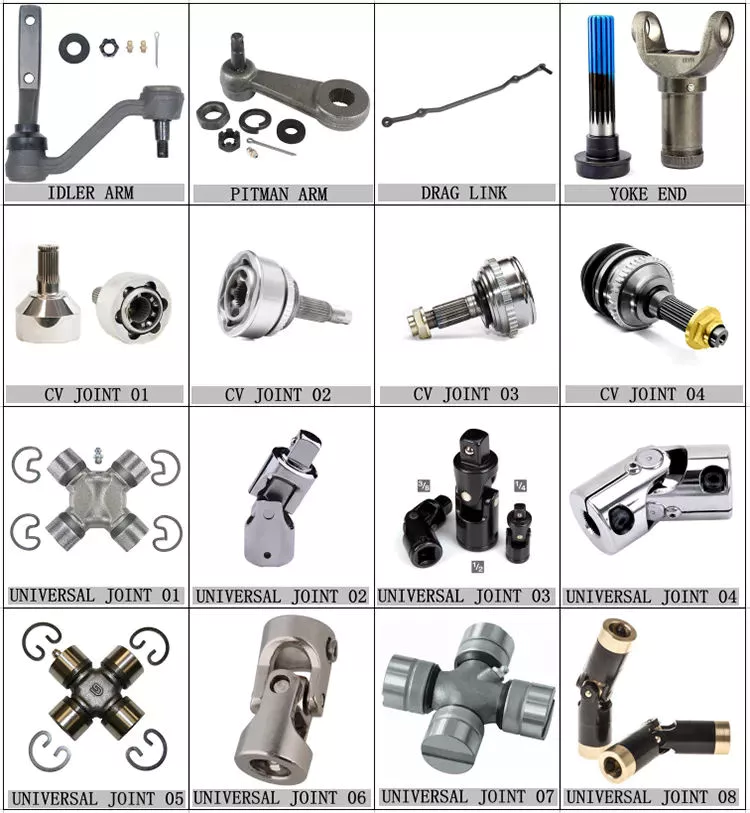
Drive shafts often incorporate flexible couplings, such as universal joints (U-joints) or constant velocity (CV) joints, to handle variations in speed and torque. These couplings provide flexibility and allow the drive shaft to transmit power even when the driving and driven components are not perfectly aligned. U-joints consist of two yokes connected by a cross-shaped bearing, allowing for angular movement between the drive shaft sections. This flexibility accommodates variations in speed and torque and compensates for misalignment. CV joints, which are commonly used in automotive drive shafts, maintain a constant velocity of rotation while accommodating changing operating angles. These flexible couplings enable smooth power transmission and reduce vibrations and wear caused by speed and torque variations.
2. Slip Joints:
In some drive shaft designs, slip joints are incorporated to handle variations in length and accommodate changes in distance between the driving and driven components. A slip joint consists of an inner and outer tubular section with splines or a telescoping mechanism. As the drive shaft experiences changes in length due to suspension movement or other factors, the slip joint allows the shaft to extend or compress without affecting the power transmission. By allowing axial movement, slip joints help prevent binding or excessive stress on the drive shaft during variations in speed and torque, ensuring smooth operation.
3. Balancing:
Drive shafts undergo balancing procedures to optimize their performance and minimize vibrations caused by speed and torque variations. Imbalances in the drive shaft can lead to vibrations, which not only affect the comfort of vehicle occupants but also increase wear and tear on the shaft and its associated components. Balancing involves redistributing mass along the drive shaft to achieve even weight distribution, reducing vibrations and improving overall performance. Dynamic balancing, which typically involves adding or removing small weights, ensures that the drive shaft operates smoothly even under varying speeds and torque loads.
4. Material Selection and Design:
The selection of materials and the design of drive shafts play a crucial role in handling variations in speed and torque. Drive shafts are typically made from high-strength materials, such as steel or aluminum alloys, chosen for their ability to withstand the forces and stresses associated with varying operating conditions. The diameter and wall thickness of the drive shaft are also carefully determined to ensure sufficient strength and stiffness. Additionally, the design incorporates considerations for factors such as critical speed, torsional rigidity, and resonance avoidance, which help maintain stability and performance during speed and torque variations.
5. Lubrication:
Proper lubrication is essential for drive shafts to handle variations in speed and torque. Lubricating the joints, such as U-joints or CV joints, reduces friction and heat generated during operation, ensuring smooth movement and minimizing wear. Adequate lubrication also helps prevent the binding of components, allowing the drive shaft to accommodate speed and torque variations more effectively. Regular lubrication maintenance is necessary to ensure optimal performance and extend the lifespan of the drive shaft.
6. System Monitoring:
Monitoring the performance of the drive shaft system is important to identify any issues related to variations in speed and torque. Unusual vibrations, noises, or changes in power transmission can indicate potential problems with the drive shaft. Regular inspections and maintenance checks allow for the early detection and resolution of issues, helping to prevent further damage and ensure the drive shaft continues to handle speed and torque variations effectively.
In summary, drive shafts handle variations in speed and torque during operation through the use of flexible couplings, slip joints, balancing procedures, appropriate material selection and design, lubrication, and system monitoring. These mechanisms and practices allow the drive shaft to accommodate misalignment, changes in length, and variations in power demands, ensuring efficient power transmission, smooth operation, and reduced wear and tear in various applications.

How do drive shafts contribute to the efficiency of vehicle propulsion and power transmission?
Drive shafts play a crucial role in the efficiency of vehicle propulsion and power transmission systems. They are responsible for transferring power from the engine or power source to the wheels or driven components. Here’s a detailed explanation of how drive shafts contribute to the efficiency of vehicle propulsion and power transmission:
1. Power Transfer:
Drive shafts transmit power from the engine or power source to the wheels or driven components. By efficiently transferring rotational energy, drive shafts enable the vehicle to move forward or drive the machinery. The design and construction of drive shafts ensure minimal power loss during the transfer process, maximizing the efficiency of power transmission.
2. Torque Conversion:
Drive shafts can convert torque from the engine or power source to the wheels or driven components. Torque conversion is necessary to match the power characteristics of the engine with the requirements of the vehicle or machinery. Drive shafts with appropriate torque conversion capabilities ensure that the power delivered to the wheels is optimized for efficient propulsion and performance.
3. Constant Velocity (CV) Joints:
Many drive shafts incorporate Constant Velocity (CV) joints, which help maintain a constant speed and efficient power transmission, even when the driving and driven components are at different angles. CV joints allow for smooth power transfer and minimize vibration or power losses that may occur due to changing operating angles. By maintaining constant velocity, drive shafts contribute to efficient power transmission and improved overall vehicle performance.
4. Lightweight Construction:
Efficient drive shafts are often designed with lightweight materials, such as aluminum or composite materials. Lightweight construction reduces the rotational mass of the drive shaft, which results in lower inertia and improved efficiency. Reduced rotational mass enables the engine to accelerate and decelerate more quickly, allowing for better fuel efficiency and overall vehicle performance.
5. Minimized Friction:
Efficient drive shafts are engineered to minimize frictional losses during power transmission. They incorporate features such as high-quality bearings, low-friction seals, and proper lubrication to reduce energy losses caused by friction. By minimizing friction, drive shafts enhance power transmission efficiency and maximize the available power for propulsion or operating other machinery.
6. Balanced and Vibration-Free Operation:
Drive shafts undergo dynamic balancing during the manufacturing process to ensure smooth and vibration-free operation. Imbalances in the drive shaft can lead to power losses, increased wear, and vibrations that reduce overall efficiency. By balancing the drive shaft, it can spin evenly, minimizing vibrations and optimizing power transmission efficiency.
7. Maintenance and Regular Inspection:
Proper maintenance and regular inspection of drive shafts are essential for maintaining their efficiency. Regular lubrication, inspection of joints and components, and prompt repair or replacement of worn or damaged parts help ensure optimal power transmission efficiency. Well-maintained drive shafts operate with minimal friction, reduced power losses, and improved overall efficiency.
8. Integration with Efficient Transmission Systems:
Drive shafts work in conjunction with efficient transmission systems, such as manual, automatic, or continuously variable transmissions. These transmissions help optimize power delivery and gear ratios based on driving conditions and vehicle speed. By integrating with efficient transmission systems, drive shafts contribute to the overall efficiency of the vehicle propulsion and power transmission system.
9. Aerodynamic Considerations:
In some cases, drive shafts are designed with aerodynamic considerations in mind. Streamlined drive shafts, often used in high-performance or electric vehicles, minimize drag and air resistance to improve overall vehicle efficiency. By reducing aerodynamic drag, drive shafts contribute to the efficient propulsion and power transmission of the vehicle.
10. Optimized Length and Design:
Drive shafts are designed to have optimal lengths and designs to minimize energy losses. Excessive drive shaft length or improper design can introduce additional rotational mass, increase bending stresses, and result in energy losses. By optimizing the length and design, drive shafts maximize power transmission efficiency and contribute to improved overall vehicle efficiency.
Overall, drive shafts contribute to the efficiency of vehicle propulsion and power transmission through effective power transfer, torque conversion, utilization of CV joints, lightweight construction, minimized friction, balanced operation, regular maintenance, integration with efficient transmission systems, aerodynamic considerations, and optimized length and design. By ensuring efficient power delivery and minimizing energy losses, drive shafts play a significant role in enhancing the overall efficiency and performance of vehicles and machinery.
In che modo gli alberi di trasmissione contribuiscono al trasferimento della potenza rotazionale in diverse applicazioni?
Gli alberi di trasmissione svolgono un ruolo cruciale nel trasferimento della potenza rotazionale dal motore o dalla fonte di energia alle ruote o ai componenti azionati in diverse applicazioni. Sia nei veicoli che nei macchinari, gli alberi di trasmissione consentono una trasmissione di potenza efficiente e facilitano il funzionamento di diversi sistemi. Ecco una spiegazione dettagliata di come gli alberi di trasmissione contribuiscono al trasferimento della potenza rotazionale:
1. Applicazioni per veicoli:
Nei veicoli, gli alberi di trasmissione sono responsabili del trasferimento della potenza rotazionale dal motore alle ruote, consentendo al veicolo di muoversi. L'albero di trasmissione collega l'albero di uscita del cambio o della trasmissione al differenziale, che a sua volta distribuisce la potenza alle ruote. Quando il motore genera coppia, questa viene trasferita attraverso l'albero di trasmissione alle ruote, spingendo il veicolo in avanti. Questo trasferimento di potenza permette al veicolo di accelerare, mantenere la velocità e superare le resistenze, come l'attrito e le pendenze.
2. Applicazioni nei macchinari:
Nei macchinari, gli alberi di trasmissione vengono utilizzati per trasferire la potenza rotazionale dal motore ai vari componenti azionati. Ad esempio, nei macchinari industriali, gli alberi di trasmissione possono essere utilizzati per trasmettere potenza a pompe, generatori, nastri trasportatori o altri sistemi meccanici. Nei macchinari agricoli, gli alberi di trasmissione sono comunemente impiegati per collegare la fonte di energia ad attrezzature come mietitrici, presse o sistemi di irrigazione. Gli alberi di trasmissione consentono a queste macchine di svolgere le loro funzioni previste, fornendo potenza rotazionale ai componenti necessari.
3. Trasmissione di potenza:
Gli alberi di trasmissione sono progettati per trasmettere la potenza rotazionale in modo efficiente e affidabile. Sono in grado di trasferire notevoli quantità di coppia dal motore alle ruote o ai componenti azionati. La coppia generata dal motore viene trasmessa attraverso l'albero di trasmissione senza perdite di potenza significative. Mantenendo un collegamento rigido tra il motore e i componenti azionati, gli alberi di trasmissione assicurano che la potenza prodotta dal motore venga utilizzata efficacemente per svolgere lavoro utile.
4. Giunto flessibile:
Una delle funzioni principali degli alberi di trasmissione è quella di fornire un accoppiamento flessibile tra il motore/cambio e le ruote o i componenti azionati. Questa flessibilità consente all'albero di trasmissione di adattarsi ai movimenti angolari e di compensare i disallineamenti tra il motore e il sistema azionato. Nei veicoli, quando il sistema di sospensione si muove o le ruote incontrano un terreno irregolare, l'albero di trasmissione regola la sua lunghezza e la sua angolazione per mantenere un trasferimento di potenza costante. Questa flessibilità contribuisce a prevenire sollecitazioni eccessive sui componenti della trasmissione e garantisce una trasmissione di potenza fluida.
5. Trasmissione di coppia e velocità:
Gli alberi di trasmissione sono responsabili della trasmissione sia della coppia che della velocità di rotazione. La coppia è la forza di rotazione generata dal motore o dalla fonte di energia, mentre la velocità di rotazione è il numero di giri al minuto (RPM). Gli alberi di trasmissione devono essere in grado di gestire i requisiti di coppia dell'applicazione senza torsioni o flessioni eccessive. Inoltre, devono mantenere la velocità di rotazione desiderata per garantire il corretto funzionamento dei componenti azionati. Una progettazione adeguata, la scelta dei materiali e il bilanciamento degli alberi di trasmissione contribuiscono a una trasmissione efficiente di coppia e velocità.
6. Lunghezza ed equilibrio:
La lunghezza e l'equilibrio degli alberi di trasmissione sono fattori critici per le loro prestazioni. La lunghezza dell'albero di trasmissione è determinata dalla distanza tra il motore o la fonte di energia e i componenti azionati. Deve essere dimensionato in modo appropriato per evitare vibrazioni o flessioni eccessive. Gli alberi di trasmissione vengono bilanciati con cura per ridurre al minimo le vibrazioni e gli squilibri di rotazione, che possono influire sulle prestazioni complessive, sul comfort e sulla durata del sistema di trasmissione.
7. Sicurezza e manutenzione:
Gli alberi di trasmissione richiedono adeguate misure di sicurezza e una manutenzione regolare. Nei veicoli, gli alberi di trasmissione sono spesso racchiusi in un tubo o alloggiamento protettivo per evitare il contatto con le parti in movimento, riducendo il rischio di lesioni. Anche nei macchinari possono essere installati schermi o protezioni di sicurezza attorno agli alberi di trasmissione esposti per proteggere gli operatori da potenziali pericoli. La manutenzione regolare prevede l'ispezione dell'albero di trasmissione per verificare l'eventuale presenza di usura, danni o disallineamenti e la corretta lubrificazione dei giunti cardanici. Queste misure contribuiscono a prevenire guasti, garantire prestazioni ottimali e prolungare la durata dell'albero di trasmissione.
In sintesi, gli alberi di trasmissione svolgono un ruolo fondamentale nel trasferimento della potenza rotazionale in diverse applicazioni. Sia nei veicoli che nei macchinari, gli alberi di trasmissione consentono un'efficiente trasmissione della potenza dal motore o dalla fonte di energia alle ruote o ai componenti azionati. Forniscono un accoppiamento flessibile, gestiscono la trasmissione di coppia e velocità, assecondano i movimenti angolari e contribuiscono alla sicurezza e alla manutenzione del sistema. Trasferendo efficacemente la potenza rotazionale, gli alberi di trasmissione facilitano il funzionamento e le prestazioni di veicoli e macchinari in numerosi settori industriali.


editor by CX 2023-10-09

























