
Power System Selection Summary
In our 15 years of diagnosing driveline failures in the intensive planting operations of New South Wales and Queensland, we consistently observed that standard tractor PTO shafts fail under the variable torque loads of pneumatic planters. The sudden engagement of high-capacity vacuum fans often shears standard pins or overheats slip clutches within the first 200 hours of operation.
Based on extensive field data from Australian farms, EVER-POWER redesigned the yoke geometry and integrated a proprietary heavy-duty overrunning clutch system. This specific engineering modification manages the high inertia of planter blower fans during tractor deceleration, preventing back-driving forces from shattering the primary gearbox.
Client Pain Point & Resolution
Pain Point: “Our wide-span air seeders were destroying standard universal joints every season due to extreme operational angles during headland turns on uneven terrain.”
EVER-POWER Solution: By upgrading to our 80° Constant Velocity (CV) PTO drive shaft with a multi-plate friction clutch, a massive grain operation in Victoria achieved 100% continuous power transmission during tight turns, eliminating vibration and extending component lifespan by 300%.
Operational Dynamics in Planters
Primary Power Transmission
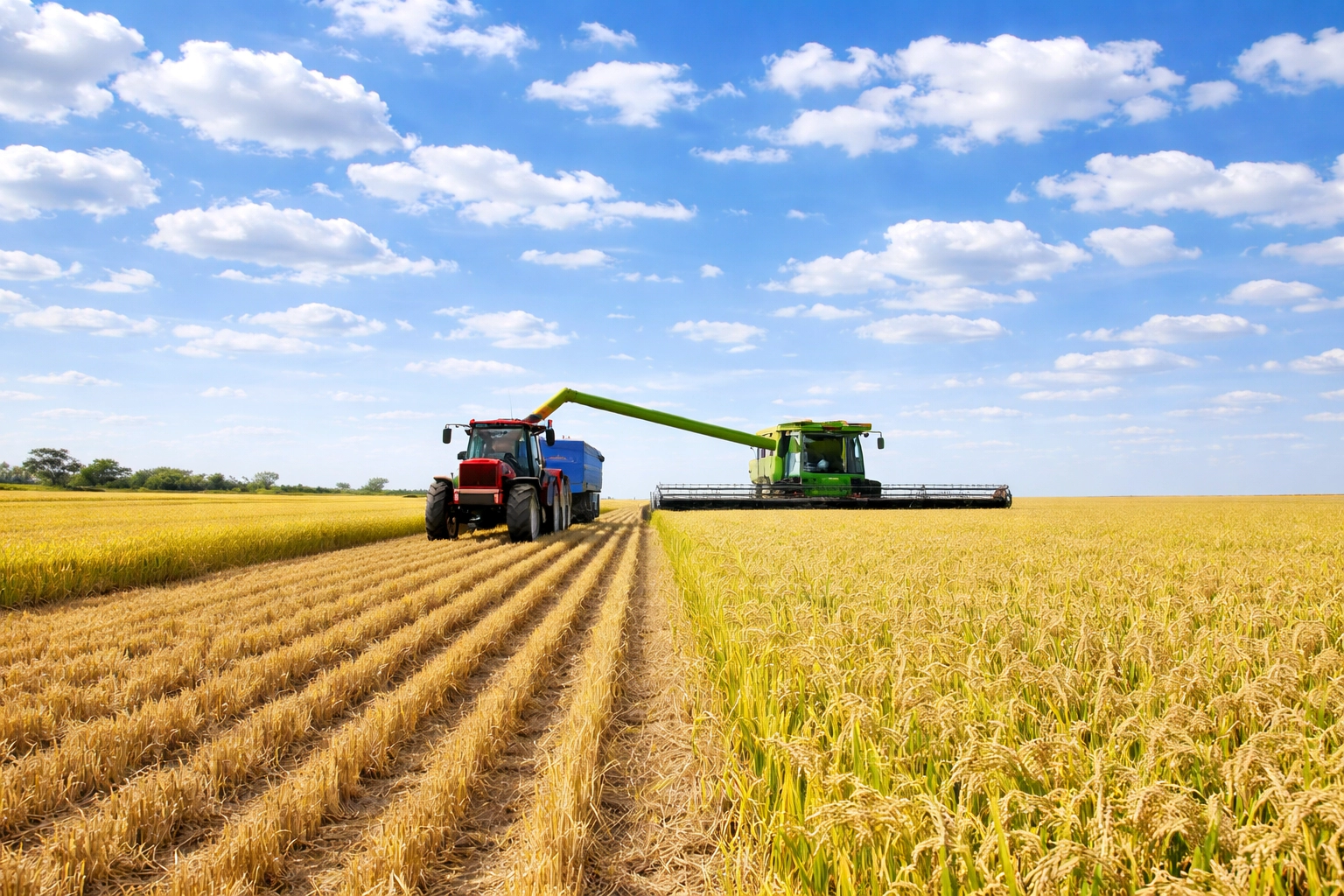
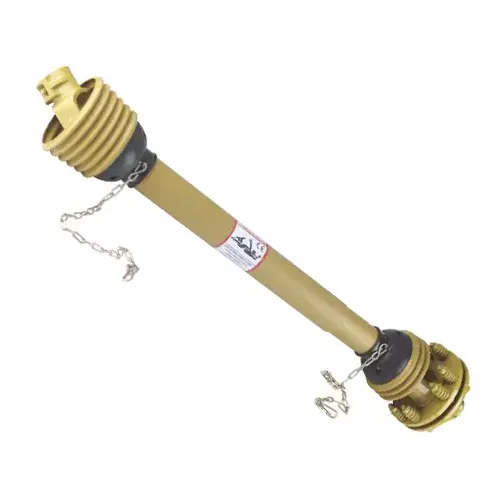
The poros penggerak PTO serves as the critical mechanical bridge between the tractor’s power take-off output and the planter’s implement input connection (IIC). Rotating at either 540 RPM or 1000 RPM, it transfers rotational kinetic energy directly to the planter’s central gearbox or hydraulic pump.
Vacuum & Metering Actuation
For modern pneumatic planters, this rotational energy is crucial for driving the high-speed centrifugal blowers. These blowers create the precise vacuum required to hold seeds against the rotating metering plates. Any fluctuation in shaft RPM due to driveline slippage instantly compromises seed singulation accuracy.
Overload Protection Mechanism
Integrated safety clutches (friction, shear bolt, or overrunning) act as mechanical fuses. When the planter encounters field obstacles or experiences sudden blockages in the metering system, the clutch disengages the torque transfer, isolating the tractor’s transmission from catastrophic shock loads.
Comprehensive Technical Specifications
Our drivelines are manufactured to exceed strict international standards, ensuring optimal performance across diverse agricultural landscapes.
| Parameter | Standard Value / Range | Customization Capability |
|---|---|---|
| Series Classification | Series 4, 6, 8 (Heavy Duty) | Up to Series 10 for broadacre planters |
| Dynamic Torque Capacity | 850 Nm – 3500 Nm | Custom alloys for up to 5000 Nm |
| Tractor Output Spline | 1-3/8″ Z6, 1-3/8″ Z21, 1-3/4″ Z20 | Metric spline configurations available |
| Implement Input Profile | Round bore with keyway, Splined | Hexagonal, Square, custom taper |
| Operational RPM | 540 / 1000 RPM | High-speed balancing for 1500+ RPM |
| Cross & Bearing Dimension | 27×74.6mm to 34.9x106mm | Enhanced roller bearings for longevity |
| Tube Profile | Lemon, Triangular, Star | Involute splined tubing for high extension |
| Wall Thickness | 3.2mm – 5.5mm | Reinforced 7mm for rocky terrain |
| Maximum Articulation Angle | 25° (Standard) / 80° (CV Joint) | Special dual CV setups |
| Panjang Terlipat (Lz) | 800mm – 1600mm | Exact measurement matching |
| Extended Length (Lmax) | 1200mm – 2400mm | Extended telescoping overlap |
| Safety Device Integration | Shear Bolt, Friction Clutch | Overrunning + Friction combined |
| Friction Disc Material | Asbestos-free sintered bronze | High-temp carbon composite |
| Guard Shielding | UV-resistant Polyethylene | Steel reinforced cones for harsh debris |
| Guard Compliance | ISO 5674, AS 1121.4 (Australia) | Full enclosure systems |
| Yoke Material | Forged Steel 45# / 40Cr | Heat-treated 42CrMo |
| Surface Finish | Powder-coated, Anti-rust oil | Galvanized, Electrophoresis coating |
| Lubrication Interval | 50 Hours standard | Maintenance-free (250 hr) seals |
| Operating Temperature Range | -20°C to +80°C | Extreme heat synthetic greases (+120°C) |
| Dynamic Balancing Quality | G 6.3 standard (ISO 1940-1) | G 2.5 precision balancing |
The EVER-POWER Advantage: Combatting Substandard Drivelines
The market is flooded with inferior shafts utilizing cast iron yokes and low-grade mild steel tubes. These components inevitably warp under the high torsional strain of heavy pneumatic planters, leading to catastrophic universal joint failure.
- ✔
Forged Strength: All EVER-POWER yokes are forged from 40Cr steel and precision-machined, providing a 45% increase in tensile strength compared to standard cast alternatives. - ✔
Vibration Dampening Profiles: Our involute splined telescopic tubes reduce radial play by 80%, ensuring smooth power delivery at 1000 RPM over long extensions. - ✔
Enhanced Heat Dissipation: Our friction clutches employ aerated disc plates, lowering operating temperatures during continuous slip events by up to 30°C.
Australian Operations: Extreme Topography & Compliance Standards
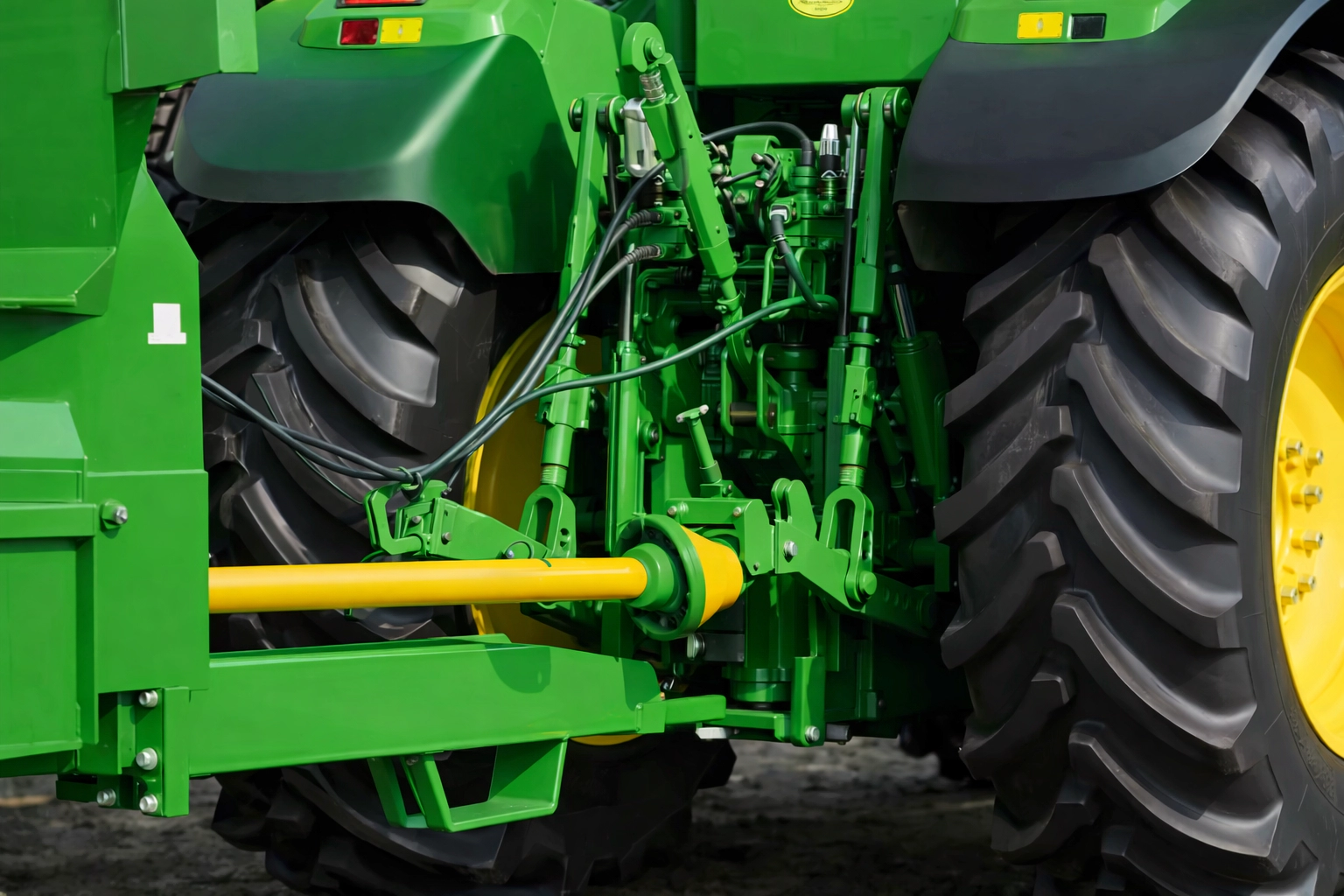
Operating agricultural machinery across the vast topographies of Australia—from the expansive flatlands of Western Australia to the undulating hills of the Darling Downs—requires drivelines that strictly adhere to stringent regional safety and performance codes.
AS 1121.4 Compliance
WorkSafe Australia mandates strict guarding for agricultural PTO shafts. Our drivelines are equipped with full-coverage, UV-stabilized polymer shields that lock non-rotational via restraint chains, fully compliant with AS 1121.4 (Agricultural tractor PTO drive shafts and guards).
Queensland Heat Resilience
Ambient temperatures during planting seasons in QLD can exceed 40°C. Standard bearing grease liquefies, causing U-joint failure. We utilize high-temperature lithium complex greases rated for continuous operation at 130°C.
NSW Heavy Soils Adaptation
The heavy, sticky clay soils found in parts of New South Wales cause extreme draft loads on planter components, transferring sudden shocks to the driveline. Our multi-plate friction clutches are specifically calibrated for these sudden torque spikes.
Cross-Brand Compatibility & Modular Replacement
Minimizing downtime during the short Australian sowing window is critical. Our universal driveline assemblies are engineered to directly replace OEM shafts without requiring modifications to the tractor or the planter.
Direct Replacement Engineering
EVER-POWER components are designed to match the dimensional tolerances of major European and North American profiles. Our shafts are highly compatible and can seamlessly serve as replacements for systems originally equipped with:
- Comer Industries™ Yokes & Tubes
- GKN Walterscheid™ CV Joints
- Bondioli & Pavesi™ Friction Clutches
- Weasler™ Metric and North American lines
Note: All manufacturer names such as Comer, GKN, Bondioli & Pavesi, or Weasler, and their respective part numbers are used for technical reference and selection compatibility purposes only. EVER-POWER is an independent manufacturer and is not affiliated with these entities.
Precision Planter Driveline Selection Guide
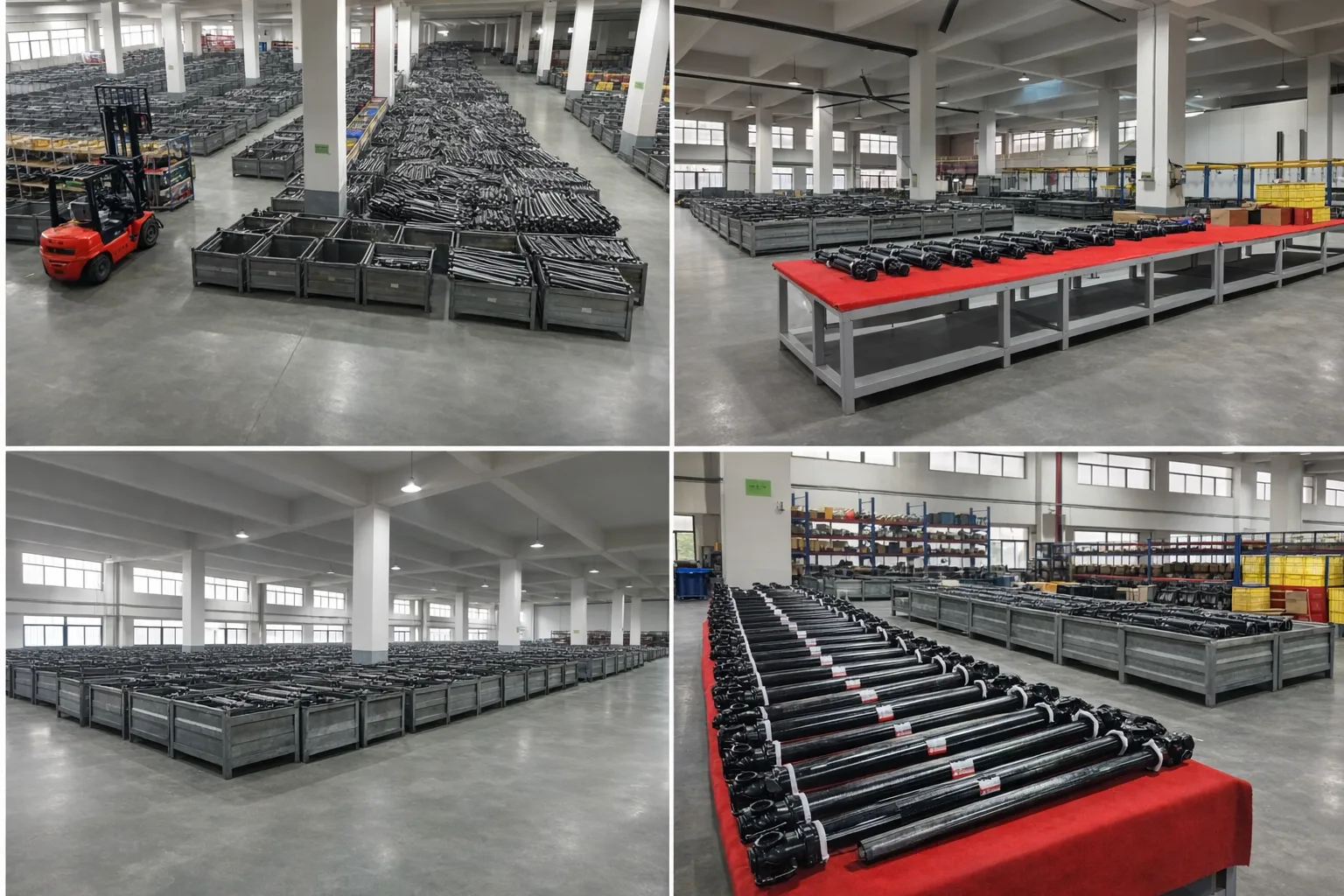
Correct specification is the difference between seasons of reliable performance and catastrophic mid-field failures. Use this matrix to define your requirements before ordering.
| 1. HP & Torque Requirement | Identify the tractor’s PTO HP. A 150HP tractor requires a Series 6 or 8 shaft. Never undersize the series. |
| 2. Implement Input Connection | Check the planter’s gearbox/pump shaft. Is it a 1-3/8″ 6-spline, 21-spline, or a plain shaft with a keyway? |
| 3. Length Measurement | Measure the Cross-to-Cross (C-to-C) retracted length. Ensure at least 1/3 overlap of the sliding tubes at maximum extension. |
| 4. Clutch Specification | Planters with large vacuum blowers highly benefit from an Overrunning Clutch combined with a Friction Limiter to manage inertial deceleration. |
| 5. Operational Angle | If the planter hitch configuration forces angles greater than 25° during operation, an 80° Constant Velocity (CV) joint at the tractor end is mandatory. |
Targeted Installation Protocol for Planters
Length Verification & Trimming
Connect the implement to the tractor. Position them to find the shortest possible distance (maximum steering angle). Separate the driveline halves. Hold them parallel to determine the required cutting length. Ensure both the inner/outer tubes and the plastic guards are cut equally. Deburr the edges thoroughly.
Yoke Phasing
When reassembling the driveline, verify that the inner yokes on both the tractor side and implement side are perfectly aligned in the same plane. Incorrect phasing causes severe torsional vibration, destroying planter metering drives.
Clutch Mounting
Always install the safety clutch (friction or shear bolt) on the implement end (Planter side), NOT on the tractor PTO stub. Secure the locking pin or locking collar ensuring a positive engagement in the retaining groove.
Guard Restraint Anchor
Attach the anti-rotation chains to stationary points on both the tractor and the planter frame. The chains should allow enough slack for articulation but strictly prevent the plastic shield from rotating with the shaft.
Operational Troubleshooting
Identify symptoms early to prevent total driveline separation in the field.
Severe Vibration during Planter Engagement
Root Cause: Driveline halves assembled out of phase, or the operational angle exceeds the U-joint’s capability (creating velocity fluctuation).
Remediation: Separate the shaft and realign the yokes. If vibration occurs during turning, upgrade to a CV joint or disengage the PTO during sharp headland maneuvers.
Premature Cross Bearing Failure (Galling/Blueing)
Root Cause: Inadequate lubrication interval or continuous operation at angles exceeding 25°.
Remediation: Replace the cross bearing kit. Implement a strict 50-hour greasing protocol using EP2 high-temp lithium grease. Pump until fresh grease purges from all four seals.
Friction Clutch Slipping Under Normal Load
Root Cause: Clutch springs have lost tension, or discs are glazed due to extended slip events.
Remediation: Disassemble the clutch, measure spring height, and replace friction pads. Recalibrate the torque setting according to the planter manufacturer’s exact specifications by tightening the compression bolts uniformly.
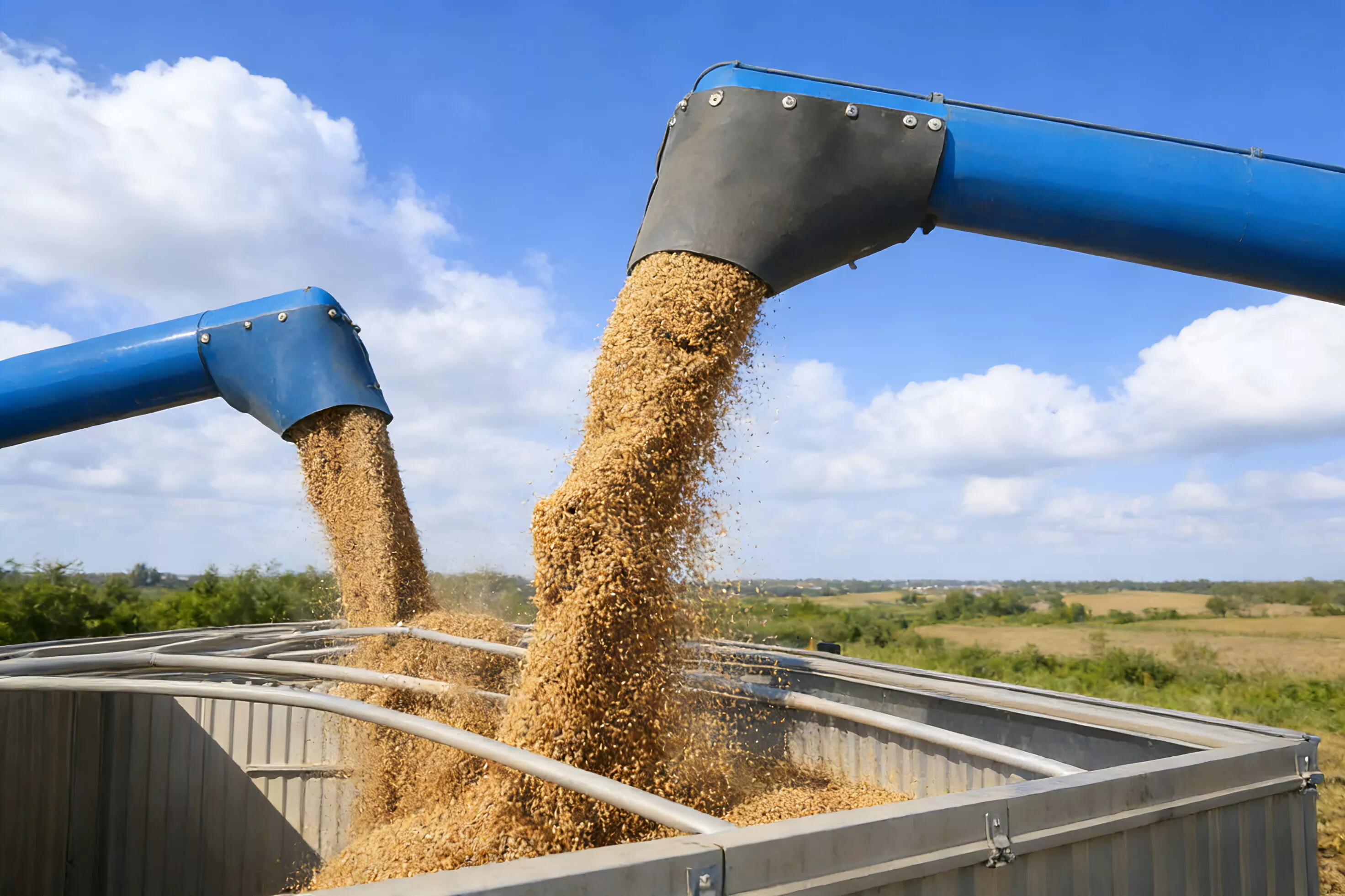
Engineer Field Notes: Australian Deployment Cases
Location: Sydney Region, NSW
Application: High-density Vegetable Planters
Diagnostic: Continuous stopping and starting damaged the primary transmission pinions. Installed Series 4 shaft with an overrunning clutch.
Client Feedback: “The freewheeling action when we throttle down has completely smoothed out our operations. We haven’t replaced a shear bolt in 6 months.”
Location: Brisbane, QLD
Application: Sugarcane Billet Planters
Diagnostic: Extreme torque requirements (+2000 Nm) and severe vibration in heavy soil. Supplied a Series 8 reinforced splined shaft with a heavy-duty friction limiter.
Client Feedback: “The standard tubes used to twist under the load of the cane elevator. The EVER-POWER splined profile handles the torque without breaking a sweat.”
Location: Melbourne, VIC
Application: No-Till Air Seeders
Diagnostic: High RPM (1000) fan drives requiring precision balance. Shaft vibration was affecting vacuum pressure. Supplied a dynamically balanced G2.5 shaft.
Client Feedback: “Our seed singulation improved by 4% simply because the blower fan RPM stabilized. The shaft runs incredibly smooth.”
Location: Perth, WA
Application: Broadacre Grain Drill
Diagnostic: Deep sand and huge equipment widths required long extensions (Lmax 2200mm). Fitted long-travel lemon-profile shafts.
Client Feedback: “Even at full stretch crossing the contours in the wheatbelt, the driveline maintains rigid integrity. Excellent build quality.”
Location: Adelaide, SA
Application: Vineyard Cover Crop Seeders
Diagnostic: Extremely tight turning circles in vineyard rows. Implemented a dual CV-joint configuration.
Client Feedback: “We no longer have to disengage the PTO at the end of the trellis row. The 80-degree turn capability is a massive time saver for our operators.”
Technical Knowledge Base & Common Queries
1. How do I determine the correct PTO shaft series for my planter?
Measure the diameter of the universal joint cross (cap to cap) and the diameter of the bearing caps. Match these dimensions against our series specification table, ensuring your tractor’s horsepower rating does not exceed the shaft’s dynamic capacity.
2. Why is an overrunning clutch necessary for air seeders?
Air seeders utilize heavy, high-RPM vacuum fans. When the tractor throttles down, the inertia of the fan keeps spinning. An overrunning clutch allows the implement to freewheel, preventing the fan’s inertia from back-driving and damaging the tractor’s PTO brake.
3. Are your components compatible with metric profiles?
Yes, we manufacture shafts with standard lemon and triangular profiles typical of European metrics, as well as involute splines and rectangular profiles used in North American and Australian localized equipment.
4. How often should the friction discs be replaced?
Friction discs should be inspected annually. If the thickness drops below the minimum specified tolerance, or if the material appears glazed or carbonized from extreme overheating, they must be replaced immediately to restore torque protection.
5. Can I use a standard shaft if I have a drawbar-towed planter?
Drawbar towed equipment often requires sharp headland turns. If the operating angle exceeds 25 degrees, a standard shaft will suffer severe vibration and joint failure. A Wide-Angle / Constant Velocity (CV) joint is highly recommended.
6. What happens if I cut the shaft tubes too short?
Cutting the tubes too short reduces the profile overlap. We require a minimum overlap of 1/3 of the total tube length during the maximum extension point of operation. Less overlap causes the tubes to bend or twist under torque load.
7. Does the safety guard need lubrication?
Yes. The nylon bearings that allow the shield to remain stationary while the inner shaft spins must be lubricated via the designated grease zerks every 50 hours to prevent melting and fusion of the guard to the yoke.
8. Do your guards meet Australian compliance?
Absolutely. Our guards comply with ISO 5674 and AS 1121.4 requirements, ensuring operator safety and meeting the strict workplace safety standards enforced on Australian farms.
9. How do I free up a frozen friction clutch?
Loosen the tension nuts, mark the plates, and gently pry the discs apart. Sand off any rust, reassemble, and perform a “burnishing” procedure by deliberately slipping the clutch at low RPM for 3-5 seconds to polish the surfaces before resetting the torque nuts.
10. Are custom shaft lengths available for modified implements?
Yes. We maintain a large inventory of raw tubing profiles and yokes. We can custom-fabricate driveshafts to exact length specifications for non-standard or heavily modified precision planters.
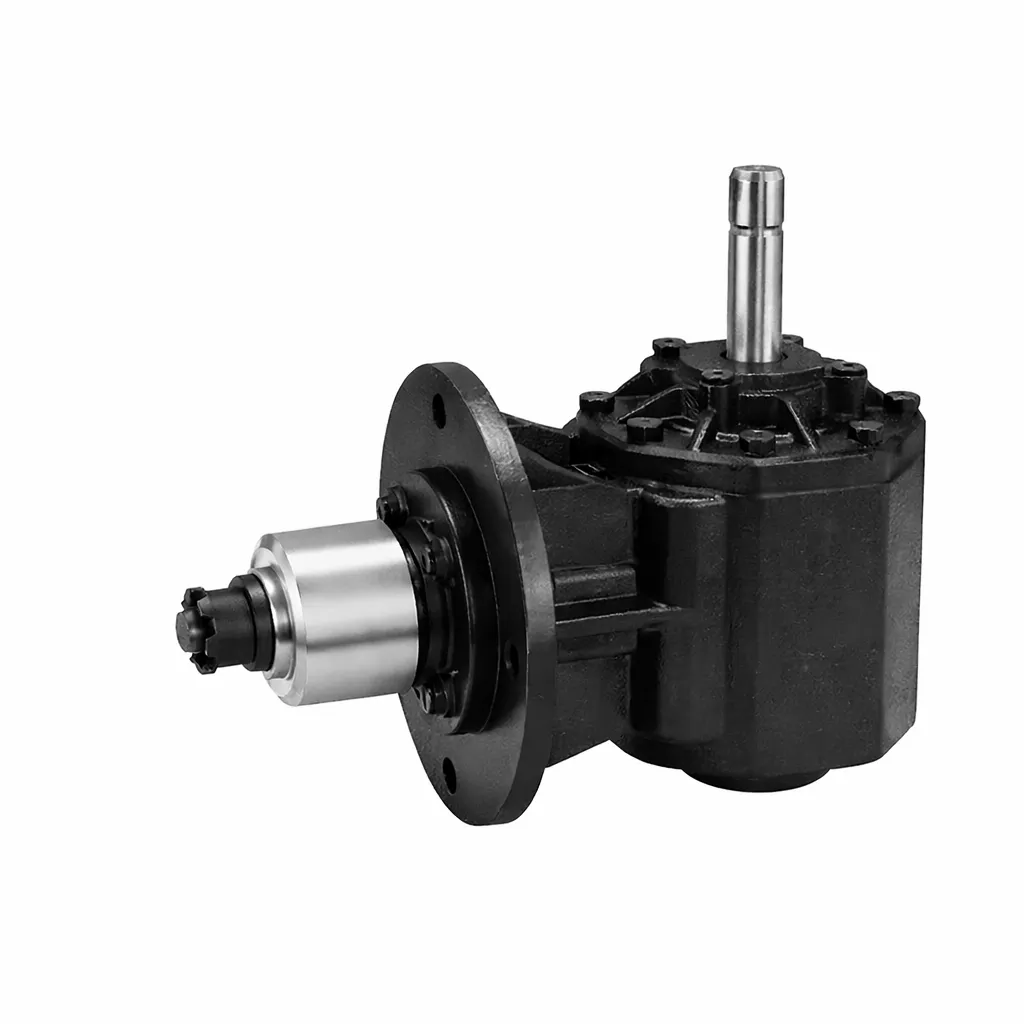
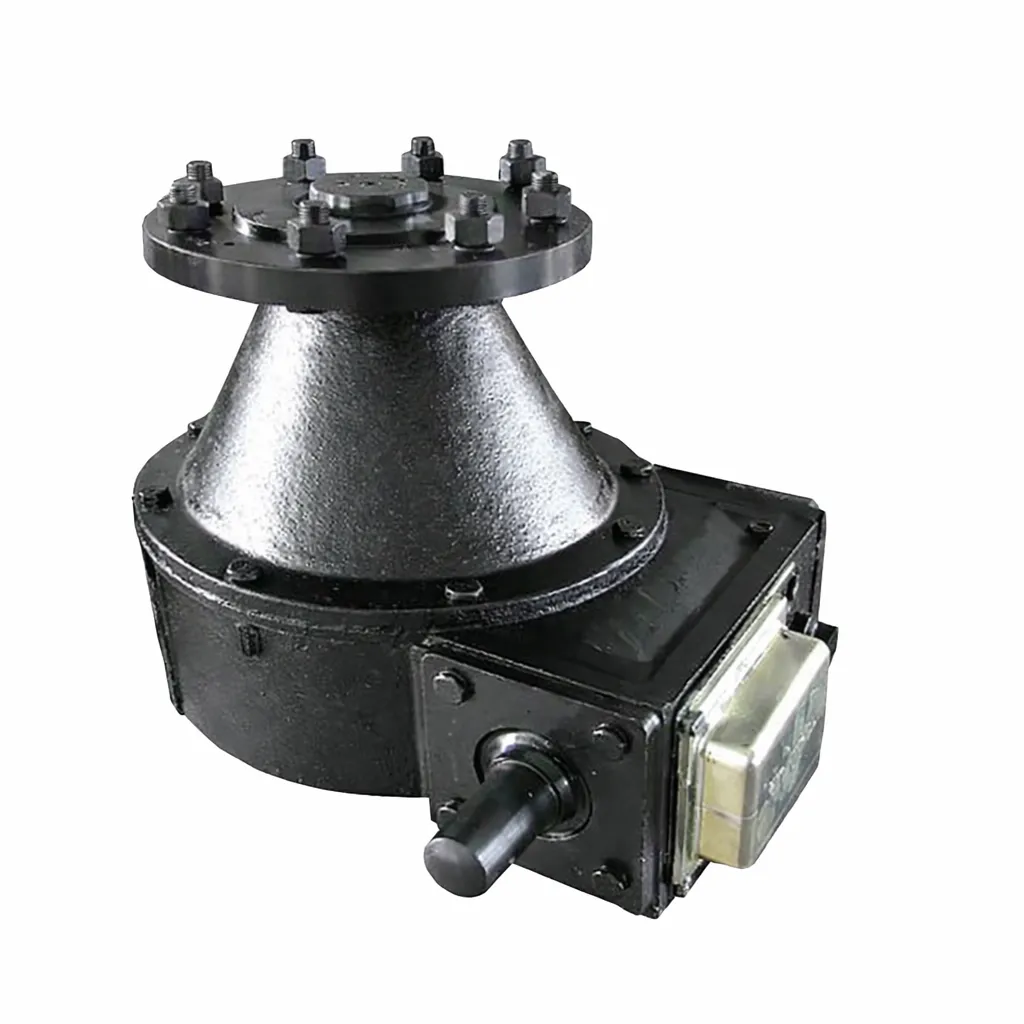
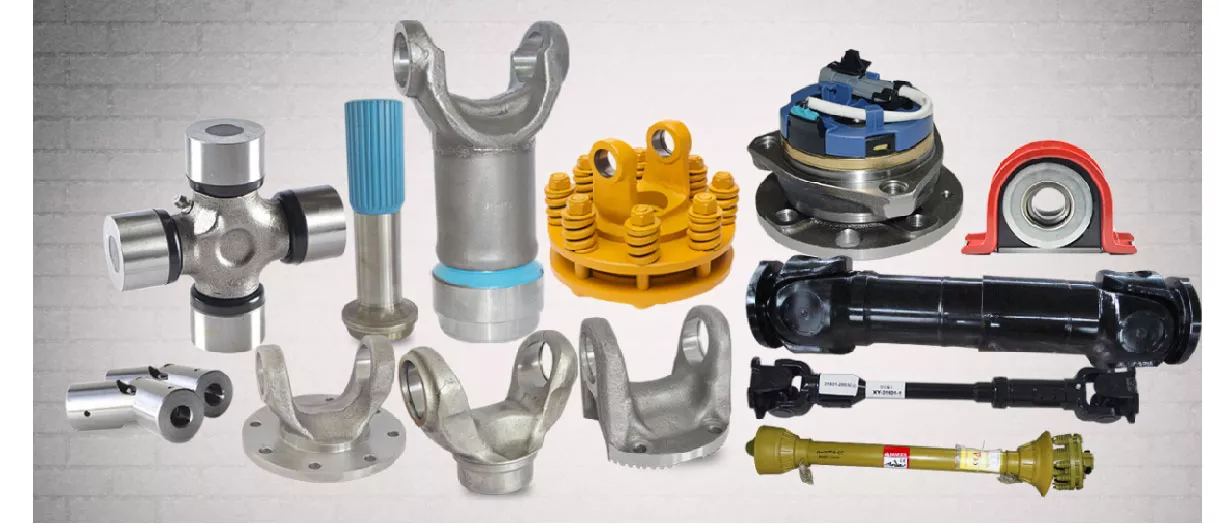
Complete Driveline Integration: Gearboxes & Components
To achieve maximum mechanical efficiency, the PTO driveline must interact seamlessly with the implement’s transmission. EVER-POWER manufactures high-grade agricultural gearboxes and allied transmission components that pair perfectly with our shafts.
Optimize Your Fleet’s Power Transmission
With massive manufacturing capacity and advanced metallurgical capabilities, EVER-POWER is your premier OEM partner. We don’t just supply standard pto drive shafts; we engineer customized driveline solutions tailored to your machinery’s specific torque curves and operational geometries. Bring us your blueprints or samples, and we will deliver unmatched reliability.
Global Shipping | Expert Engineering Support | Custom OEM Prototyping

























