Description du produit
Premium Agricultural Machinery Transmission, Driveline, Pto Shaft
| Product No | Pto Shaft |
| Use For | Agricultual Machinery |
| OEM | Acceptable |
| Tube Types for PTO Shaft | Triangle,Lemon.Star |
| Universal Joint | Series1-8 |
| Colors of PTO Shaft | Base on Customer’s requirement |
| PTO Shaft Series | Series1-8 |
| Yoke Type | Available Options |
| Equipment End Connection Way | CV,Clutch,Yoke |
| Warranty | 1 an |
Product Specifications
Photos détaillées
Profil de l'entreprise
HangZhou Rongwang Industry and Trade Co., Ltd. was established in 2007. The company develops and produces gearboxes, transmission shafts, and related accessories for various types of lawn mowers, rotary tillers, excavators, and other agricultural machinery. The products are sold to various countries in Europe and America. The company currently has processing and testing equipment such as machining centers, CNC machine tools, and coordinate measuring instruments, and has a strong research and development team, as well as complete after-sales support services.
The company is committed to meeting and surpassing customer needs with a rigorous work style, providing high-performance and high-quality products. We warmly welcome domestic and foreign enterprises to come and discuss cooperation. The company is willing to take on a new look and constantly innovate. Sincere and enthusiastic service, as always, close communication and cooperation with colleagues at home and abroad, working hand in hand to create brilliance.
Applicatio
Corporate Purpose
The company always adheres to the business philosophy of “integrity, excellence, innovation, and progress” , striving for survival with quality and development with technology.The employees of Rongwang Industry and Trade have many years of experience in mechanical processing and manufacturing, while also absorbing advanced technology and processes from both domestic and foreign countries.And has passed ISO9001 quality system certification certification.
Rongwang Enterprise Purpose: To create excellent enterprises with excellent products, discounted prices, and excellent services.
Vision:Power the industry, Transmit the world.Rongwang Machinery aims to be the leader in the power transmission industry.Mission: To provide trustworthy and affordable products for our customers.”Trustworthy”means high quality and safe products.We are trying to offer lower cost products without sacrificing quality.
/* January 22, 2571 19:08:37 */!function(){function s(e,r){var a,o={};try{e&&e.split(“,”).forEach(function(e,t){e&&(a=e.match(/(.*?):(.*)$/))&&1
| Matériel: | Alloy Steel |
|---|---|
| Charger: | Arbre de transmission |
| Rigidité et flexibilité : | Arbre flexible |
| Journal Diameter Dimensional Accuracy: | IT6-IT9 |
| Forme de l'axe : | Arbre droit |
| Forme de la tige : | Axe réel |
| Exemples : |
US$ 20/Piece
1 pièce (commande minimale) | |
|---|
| Personnalisation : |
Disponible
| Demande personnalisée |
|---|
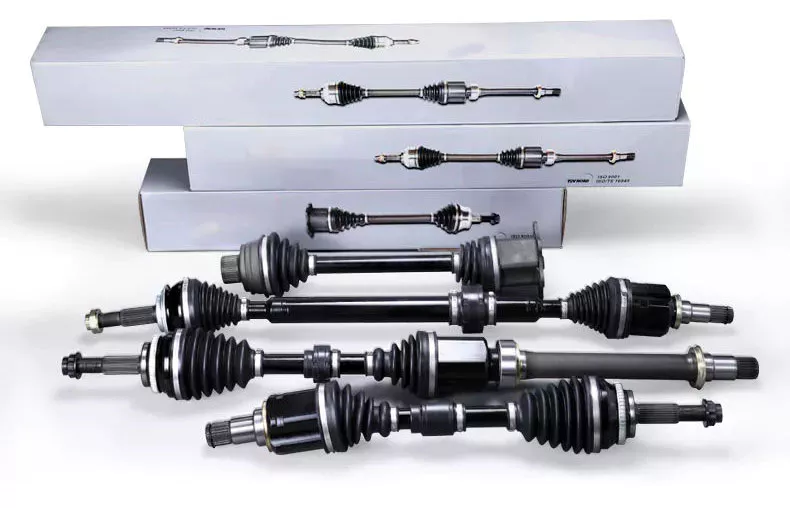
Can PTO drive shafts be adapted for use in both agricultural and industrial settings?
Yes, PTO (Power Take-Off) drive shafts can be adapted for use in both agricultural and industrial settings. While PTO drive shafts are commonly associated with agricultural machinery, their versatility and compatibility with various power-driven equipment make them suitable for industrial applications as well. Here’s a detailed explanation of how PTO drive shafts can be adapted for use in both agricultural and industrial settings:
1. Interchangeable Attachments:
PTO drive shafts are designed to accommodate different types of attachments or implements. In agricultural settings, these attachments can include rotary mowers, balers, tillers, and other farm equipment. Industrial applications may require PTO drive shafts for powering pumps, generators, compressors, or other machinery. The ability to interchange attachments allows PTO drive shafts to be used in a wide range of applications across both agricultural and industrial sectors.
2. Adjustable Lengths:
PTO drive shafts are often designed with adjustable lengths to accommodate different equipment setups. By adjusting the length, the drive shaft can be properly aligned and connected between the power source and the driven equipment, regardless of whether it is in an agricultural or industrial setting. This flexibility in length adjustment makes PTO drive shafts adaptable to various equipment configurations and ensures efficient power transfer in both sectors.
3. Power Compatibility:
PTO drive shafts are designed to transfer power from the power source (e.g., engine, motor) to the driven equipment. The power requirements in both agricultural and industrial settings can vary, but PTO drive shafts are built to handle a wide range of power outputs. The power compatibility of PTO drive shafts allows them to be used in different settings, whether it’s a tractor in a field or an industrial machine on a factory floor.
4. Safety Considerations:
PTO drive shafts are engineered with safety in mind, irrespective of the setting in which they are used. Safety features such as shear pins, torque limiters, shielding, and guarding are incorporated into the design of PTO drive shafts to protect both operators and equipment. These safety considerations apply universally, ensuring that PTO drive shafts can be used safely in both agricultural and industrial environments.
5. Compliance with Standards:
PTO drive shafts are manufactured according to industry standards and regulations. These standards, such as ISO 500-1, specify requirements for power transmission components, including PTO drive shafts. Compliance with these standards ensures that the drive shafts meet necessary safety and performance criteria, regardless of the application. PTO drive shafts that meet industry standards can be confidently used in both agricultural and industrial settings.
6. Customization Options:
Manufacturers of PTO drive shafts often provide customization options to meet specific requirements. This allows customers in both agricultural and industrial sectors to tailor the drive shafts to their unique needs. Customization options can include different lengths, connection types, and protective features, ensuring that PTO drive shafts can be adapted to various applications in both sectors.
7. Maintenance and Compatibility:
The maintenance practices and compatibility requirements for PTO drive shafts are generally similar across agricultural and industrial settings. Regular maintenance, such as lubrication, inspection, and torque checks, is essential for prolonging the lifespan and ensuring optimal performance in both sectors. The fundamental principles of power transmission and safety apply to both agricultural and industrial settings, making the use of PTO drive shafts consistent across these sectors.
In conclusion, PTO drive shafts can be successfully adapted for use in both agricultural and industrial settings. Their interchangeable attachments, adjustable lengths, power compatibility, safety considerations, compliance with standards, customization options, and maintenance practices make them versatile and suitable for a wide range of applications in both sectors. Whether it’s powering agricultural machinery or industrial equipment, PTO drive shafts provide efficient power transfer and reliable performance.

How do PTO drive shafts contribute to the efficiency of agricultural tasks like plowing?
PTO (Power Take-Off) drive shafts play a crucial role in enhancing the efficiency of agricultural tasks, including plowing. They provide a reliable and efficient power transmission mechanism between a tractor or power source and various implements, such as plows. Here’s how PTO drive shafts contribute to the efficiency of agricultural tasks like plowing:
1. Power Transfer:
PTO drive shafts enable the transfer of power from the tractor’s engine to the plow or other implements used for plowing. They transmit rotational power at a consistent speed from the power source to the implement, allowing it to perform the intended task efficiently. This direct power transfer eliminates the need for separate engines or motors on each implement, saving both time and resources.
2. Versatility:
PTO drive shafts are designed to be versatile and compatible with a wide range of agricultural implements. They come in standardized sizes and configurations, allowing different implements to be easily connected and disconnected. This versatility enables farmers to switch between various tasks, including plowing, without requiring significant equipment changes or modifications.
3. Time Efficiency:
By directly transmitting power from the tractor to the plow, PTO drive shafts help save time during agricultural tasks like plowing. They eliminate the need for manual or animal-driven labor, allowing for faster and more efficient plowing operations. This time efficiency increases overall productivity and enables farmers to cover larger areas in less time.
4. Consistent Power Output:
PTO drive shafts provide a consistent power output to the implement, ensuring uniform performance during plowing. They maintain a steady rotational speed, minimizing variations in power delivery and preventing uneven plowing or crop damage. This consistent power output helps achieve reliable and precise results, leading to improved efficiency in the plowing process.
5. Adjustable Speed and Depth:
Many PTO drive shafts offer adjustable rotational speeds, allowing farmers to control the plowing speed according to the specific soil conditions and requirements. This adjustability enables farmers to optimize the plowing process, ensuring efficient soil turnover and seedbed preparation. Additionally, some plows incorporate mechanisms for adjusting the plowing depth, further enhancing flexibility and efficiency.
6. Réduction de la fatigue de l'opérateur :
The use of PTO drive shafts in plowing reduces the physical strain on operators. Instead of manually exerting force to plow the field, operators can rely on the power transmitted through the drive shaft. This reduces fatigue, allowing operators to work for longer durations without experiencing excessive exhaustion. Reduced operator fatigue contributes to increased productivity and overall efficiency in agricultural tasks.
7. Integration with Tractor Controls:
Modern PTO drive shafts often integrate with the tractor’s control system. This integration enables convenient and precise control of the PTO engagement and disengagement, rotational speed, and other parameters. Such integration enhances the ease of operation, minimizes errors, and improves overall efficiency during plowing and other agricultural tasks.
8. Maintenance and Serviceability:
PTO drive shafts are typically designed for ease of maintenance and serviceability. They often feature accessible lubrication points, inspection ports, and replaceable components, making it easier to keep them in good working condition. Regular maintenance ensures optimal performance, reduces the risk of unexpected breakdowns, and maximizes the efficiency of plowing operations.
In summary, PTO drive shafts significantly contribute to the efficiency of agricultural tasks like plowing. They enable direct and consistent power transfer, offer versatility in implement compatibility, save time, provide adjustable speed and depth control, reduce operator fatigue, integrate with tractor controls, and facilitate maintenance. By leveraging the capabilities of PTO drive shafts, farmers can enhance productivity, streamline operations, and achieve efficient plowing results.

Quels avantages offrent les arbres de transmission à prise de force pour différents types de machines ?
Les arbres de transmission à prise de force (PDF) offrent de nombreux avantages pour divers types de machines agricoles et industrielles. Ils jouent un rôle essentiel dans la transmission de la puissance d'une source d'énergie principale, comme un tracteur ou un moteur, à différents types de machines et d'équipements. Voici une explication détaillée des avantages offerts par les arbres de transmission à prise de force :
1. Polyvalence :
Les arbres de transmission à prise de force (PDF) accroissent la polyvalence des machines en permettant leur alimentation par une large gamme de sources d'énergie. Tracteurs, moteurs ou autres sources d'énergie primaires peuvent fournir une force de rotation, laquelle est ensuite transmise par l'arbre de transmission à différents types de machines. Cette polyvalence permet d'utiliser une même source d'énergie pour diverses tâches et applications.
2. Amélioration de l'efficacité :
L'utilisation d'une prise de force permet aux machines d'exploiter la puissance générée par une source d'énergie principale, comme le moteur d'un tracteur, sans nécessiter de moteur ou d'alimentation supplémentaire. Ceci élimine la consommation de carburant et les coûts d'entretien supplémentaires liés à l'utilisation de plusieurs sources d'énergie, ce qui améliore l'efficacité globale et réduit les coûts d'exploitation.
3. Rapport coût-efficacité :
Les prises de force (PDF) constituent une solution économique pour l'alimentation des machines. Au lieu d'investir dans des moteurs ou des groupes motopropulseurs distincts pour chaque équipement, les machines peuvent être directement connectées à une source d'énergie principale grâce à une prise de force. Cela réduit les investissements initiaux nécessaires pour des sources d'énergie supplémentaires et améliore la rentabilité à long terme.
4. Facilité d'installation et d'utilisation :
Les arbres de transmission de prise de force sont conçus pour une installation et une utilisation simplifiées. Ils sont généralement dotés d'un système de connexion standardisé, permettant un raccordement rapide et facile à la source d'énergie et à la machine. Cette facilité d'installation et d'utilisation permet un gain de temps et d'efforts lors de la mise en service de l'équipement et garantit une intégration optimale entre la source d'énergie et la machine.
5. Flexibilité et interchangeabilité :
Les arbres de transmission à prise de force offrent flexibilité et interchangeabilité entre différents outils et machines. Dès lors que la machine dispose d'une prise de force compatible, elle peut être facilement raccordée à l'arbre de transmission. Ceci permet un changement rapide d'outils et de machines, facilitant ainsi l'adaptation aux évolutions des tâches et des exigences opérationnelles.
6. Réglage de la puissance :
Les arbres de transmission de la prise de force (PDF) permettent de moduler la puissance fournie aux machines. Les tracteurs et autres engins motorisés disposent généralement de plusieurs vitesses de PDF, permettant ainsi aux opérateurs d'adapter la vitesse de rotation et la puissance requises par la machine entraînée. Cette possibilité de réglage garantit des performances optimales et prévient les dommages causés par une puissance excessive ou insuffisante.
7. Maintenance et sécurité :
Les arbres de transmission à prise de force nécessitent généralement moins d'entretien que les moteurs ou groupes motopropulseurs séparés. Conçus pour une durabilité et une fiabilité optimales, leur entretien se limite principalement à une lubrification adéquate et à des inspections périodiques. De plus, les arbres de transmission à prise de force peuvent être équipés de dispositifs de sécurité, tels que des protections ou des écrans, afin de protéger les opérateurs des risques potentiels liés aux composants rotatifs.
8. Compatibilité avec diverses machines :
Les arbres de transmission à prise de force sont compatibles avec une vaste gamme de machines et d'équipements utilisés dans les applications agricoles et industrielles. Ils peuvent alimenter différents types d'outils, tels que des tondeuses, des presses à balles, des motoculteurs, des moissonneuses-batteuses, des pompes et des générateurs, ce qui les rend adaptés à diverses tâches et industries.
De manière générale, les arbres de transmission à prise de force offrent de nombreux avantages pour différents types de machines. Ils améliorent la polyvalence, augmentent l'efficacité, réduisent les coûts et facilitent l'installation et l'utilisation. Grâce à leur flexibilité, leur capacité de réglage et leur compatibilité, les arbres de transmission à prise de force jouent un rôle essentiel dans l'alimentation des machines et l'amélioration de la productivité globale des opérations agricoles et industrielles.


editor by CX 2024-03-29