Produktbeschreibung
|
General Products |
Metal Parts Solution for Vehicle, Agriculture machine, Construction Machine, transportation equipment, Valve and Pump system, Agriculture machine metal Parts, engine bracket, truck chassis bracket, gear box , gear housing , gear cover, shaft, spline shaft , pulley, flange, connection pipe, pipe, hydraulic valve , valve housing ,Fitting , flange, wheel, fly wheel, oil pump housing, starter housing, coolant pump housing, transmission shaft , transmission gear, sprocket, chains etc. |
| Main blank Process for Steel Casting |
Investment casting (wax mold made by middle temperature wax) /Precision casting ; |
| Blanks Tolerance -Casting Tolerance | CT7-8 for Lost wax Casting Process CT4-6 for Investment casting Process |
| Applicable Material | Stainless Steel: CF8, CF8M, . G-X6CrNiMo1810, G-X7CrNiNb1189, SUS 304, 304L, 316, 316L. OR According to customer requirement Carbon steel, Low Carbon steel, middle carbon steel, G35, G45, WCB, WCA, WCC, ISO 340-550, Alloy Carbon steel: G25CrMo4, Heat Resistant Steel, Copper alloy |
| Casting Blank Size /Dimensions | 2 mm-600mm / 0.08inch-24inch according to customer requirement |
| Casting Blank Weight | Range from 0.01kg-85kg |
| Applicable Machining Process |
CNC Machining/ Lathing/ Milling/ Turning/ Boring/ Drilling/ Tapping/ Broaching/Reaming /Grinding/Honing and etc. |
| Machining Tolerance | From 0.005mm-0.01mm-0.1mm |
| Machined Surface Quality | Ra 0.8-Ra3.2 according to customer requirement |
| Applicable Heat Treatment |
Normalization , annealing, quenching and tempering, Case Hardening, Nitriding, Carbon Nitriding, Induction Quenching |
| Applicable Finish Surface Treatment | Shot/sand blast, polishing, Surface passivation, Primer Painting , Powder coating, ED- Coating, Chromate Plating, zinc-plate, Dacromat coating, Finish Painting, |
| MOQ | For casting: 200pcs For machining: 50pcs |
| Lead Time | 45days from the receipt date of deposit for stainless steel aisi 304 casting |
Products shown here are made to the requirements of specific customers and are illustrative of the types of manufacturing capabilities available within CZPT group of companies. CZPT policy is that none of these products will be sold to 3rd parties without written consent of the customers to whom the tooling, design and specifications belong.
Product Profile
| 1. Marterial percentage | alloy steel:45% carbon steel:35% stainless steel:10% iron:10% |
| 2. Casting weight percentage | 0.1-5kg:40% 5-20kg:30% 20-40kg:20% above 40kg:10% |
| 3. Industry percentage | Components for train & railway: 25% Components for automobile & truck: 30% Components for construction machinery & forklift: 25% Components for agricultural machinery: 10% Other machinery compponents: 10% |
| 4. Globa market share | United States:30% Europe:35% Japan& Korea:15% Domestic market:15% Other:5% |
| 5. Production capacity | Production Capacity: 20,000 tons / year The Current Production Output: 15,000 tons / year Open Capacity Percentage: 25% |
Manufacturing Process
Process design⇒ Tooling making ⇒ Wax injection ⇒Wax pattern assembly⇒ Mold preheat ⇒ Wax removal ⇒Stuccoing ⇒Dipping Casting⇒ Mold shake out ⇒Work piece cut-off ⇒ Grinding ⇒ Pack& transport ⇒ Final inspection ⇒Machining ⇒ Heat treatment
APQP and Inspection Report
| APQP-Casting 1. Process Flow Diagrams 2. Control Plan 3. Process FMEA 4. Casting Process Instruction 5. Solidification Simulation Report 6. Heat Treatment Work Instruction 7. Casting Final Quality Control WI 8. Visual Inspection VI For Surface Irregularities |
Inspection Report-Casting 1. Material Test Report(A) 2. Material Test Report(B) 3. Magnetic Particle Inspection Report 4. Ultrasonic Examination Report 5. Radiographic Test Report 6. Destructive Test Report 7. Coating Test Report 8. Visual Inspection Report 9. Casting Inspection Report |
| APQP-Machining 1. Process Flow Diagrams 2. Control Plan 3. Process FMEA 4. Machining Process Instruction 5. Gauge List And Validation Plan 6. Final Quality Control |
Other Quality Document 1. PPAP Checklist 2.Measurement System Analysis Study 3. Process Capability Studies 4. Corrective Action Report(8D) 5. Packaging Instruction |
|
Inspection Report-Machining 1. Dimensional Inspection Report(A) 2. Dimensional Inspection Report(B) 3. CMM Report |
|
Key Testing Equipment
|
Application |
|||||
|
• Agricultural equipment |
• Armament |
• Automobile industry |
• Computing equipment |
• Medical / dental instruments |
• Measuring instruments |
|
•Miscellaneous equipment |
•Pharmaceutical industry |
• Orthopedic implants |
• Safety equipment |
• Petrochemical industry |
• Industrial valves |
|
•Fixing and movable equipment |
• Sanitary fittings |
• General machinery |
• Pumps and general connections |
• Food and beverage processing |
• Instrumentation equipment |
Technical Support:
ZheJiang CZPT is professional at independent development and design. Our engineers are skilled at AUTO CAD, PRO ENGINEER, CZPT WORKS and other 2D & 3D softwares. We are able to design, develop,produce and deliver your PO according to your drawings, samples or just an idea. Dural control of standard products and OEM products.
Quality Control:
1) Checking the raw material after they reach our factory——- Incoming quality control ( IQC)
2) Checking the details before the production line operated
3) Have full inspection and routing inspection during mass production—In process quality control(IPQC)
4) Checking the goods after they are finished—- Final quality control(FQC)
5) Checking the goods after they are finished—–Outgoing quality control(OQC)
Send Inquiry>>>
Unser Unternehmen
ZheJiang CZPT Machinery Manufacture Co., Ltd.
–Branch of CZPT Industry Ltd.
We specialize in Metal Parts Solution for Vehicle, Agriculture machine, Construction Machine, transportation equipment, Valve and Pump system.
With keeping manufacturing process design, quality plHangZhou, key manufacturing processes and final quality control in house.
We are mastering key competence to supply quality mechanical parts and assembly to our customers for both Chinese and Export Market.
To satisfy different mechanical and functional requirements from our customers we are making a big range of metal products for our clients on base of different blanks solutions and technologies.
These blanks solutions and technologies include processes of Iron Casting, Steel Casting, Stainless Steel Casting, Aluminum Casting and Forging.
During the early involvement of the customer’s design process we are giving professional input to our customers in terms of process feasibility, cost reduction and function approach.
You are welcome to contact us for technical enquiry and business cooperation.
Our Team
Why Choose Us ?
YOUR DESIGN WE HELP TO ACHIEVE, AS YOUR SINCERE PARTNER
1. Over 15 years professional manufacture experience. → We know better to your needs.
2. One-stop Service of Custom mold design from Initial drawing design, Material selection assistance, Mold structure/Mold flow analysis, Trial & mass production to Final assembly & shipment. → To ensure you get finished products with good assembly function.
3. High skilled and well-trained working team under good management environment. → To make sure high quality of your products.
4. Large and strong production capacity. → To meet your high demands very well.
5.Best price based on same quality requirements. →To help your project with most economical solution.
6. We have very strict quality control process as below. → To deliver the qualified products for you.
In coming Quality control (IQC) : All incoming raw material are checked before used.
In process quality control (IPQC) : Perform inspections during the manufacturing process.
Final quality control (FQC) : All finished goods are inspected according to our quality standard for each products.
Outgoing Quality Control (OQC) : Our QC team will 100% full inspection before it goes out for shipment.
7.Reliable Package & flexible in-time delivery. →To guarantee the product are well received in your side.
8. 24 hours on-line service with quick response. → To support your any inquiry or question.
Customer photos
Core Competence
Advantages 1:High Engineering and Technical Capability
* An industry’s senior engineering technical team , with special skills and rich experience in product design, casting ,heat treating and machining fields.
* Based on customer needs, in the beginning of product development, offer a solution, casting design, by structural component designed to casting parts, optimize the product design, then reduce costs and creating the more value for the customers.
* Special Techniques Enable us to Be Competent with Those Difficulties at Wax Injection & Shell Making Procedures When Manufacturing the Parts with Inner-Sophisticated-Structures.
* Use casting simulation analysis system software, try our best to ensure the success of the one-time trial sample.
Advantages 2: Advanced Inspection Equipment & Strong Quality Assurance Capacity
* Our testing equipments are not only leading in the industry, and also has a very complete range, they are hardware guarantee to ensure us continue to provide high-quality products for our customers.
* Carrying out ISO9001 and TS16949 quality management system, full implementation of 5S and Kanban site management, which is software guarantee of the quality.
* IQC, IPQC and FQC quality management team to control the whole production process, effectively prevent the generation of unqualified product.
* Our casting’ PPM ≤1000 Machining ‘ PPM ≤600
* We sticks to the quality management philosophy that “Starting from the customer needs and ending with their satisfaction,focusing on customer demands and exceeding their expectations”
Advantages3: Good Customer Service
* CZPT can provide customers with good service, our staff have abundant commercial experience, good language ability, and rich foundry or mechanical background. We are committed to providing customers with accurate, careful and speedy service.
* Quotation, Quality Complaints and Email Response can usually be quickly and efficiently feedback within 48 hours.
* We have carried out an information-based management which is driven by an ERP and PMC system, to ensure on time delivery rate:95%
Advantages 4: Powerful Deep-processing Ability It is our core competitive ability in the industry
* Machining capability as the same as casting, the machining facility is fully independent from the casting foundry and has an independent management team and tailored business model to suit.
* CZPT has completed a transformation and upgraded to a deep-processing manufacturer with expanded production capabilities and is committed to be equipped with other capabilities except casting, we focus on developing terminal products for top-end markets.
* High technical content in machining, and casting with sheet metal, welding, assembling, CZPT has the most competitive advantage, it is the good choice for you.
Packaging & Shipping
1, Bundles Packing: Inside: packed with plastic protective film to protect each piece. Outside: Wrap to be bundles by waterproof
craft paper or EPE film.
2, Carton Packing: Inside: Each pcs pack in 1 plastic bag. Outside: Numbers of quantity put in 1 carton.
3, Wood Pallet Packing: Inside: Bundles or cartons packing; Outside: Numbers of bundles or cartons laden on 1 wood pallet.
4, Customized Packing As Clients Request is Available.
Häufig gestellte Fragen:
1. Are you a manufacturer or a trading company?
We are a professional manufacturer with over 15 years’ export experience for designing and producing vehicle machinery parts.
2. How can I get some samples?
If you need, we are glad to offer you samples for free, but the new clients are expected to pay the courier cost,
and the charge will be deducted from the payment for formal order.
3. Can you make casting according to our drawing?
Yes, we can make casting according to your drawing, 2D drawing, or 3D cad model. If the 3D cad model can be supplied,
the development of the tooling can be more efficient. But without 3D, based on 2D drawing we can still make the samples properly approved.
4. Can you make casting based on our samples?
Yes, we can make measurement based on your samples to make drawings for tooling making.
5. What’s your quality control device in house?
We have spectrometer in house to monitor the chemical property, tensile test machine to control the mechanical property and UT Sonic as NDT checking method to control the casting detect under the surface of casting
/* 22. Januar 2571 19:08:37 */!function(){function s(e,r){var a,o={};try{e&&e.split(“,”).forEach(function(e,t){e&&(a=e.match(/(.*?):(.*)$/))&&1
| Casting Method: | Investment Casting |
|---|---|
| Casting Form Material: | G25crmo4, G35, Wcb |
| Casting Metal: | Cast Steel |
| Casting Form Usage Count: | Permanent |
| Surface Treatment: | Dacromat Coating, Finish Painting |
| Surface Roughness: | 0.005mm-0.01mm-0.1mm |
| Proben: |
US$ 4.56/kg
1 kg(Min.Order) | |
|---|
| Anpassung: |
Verfügbar
| Kundenspezifische Anfrage |
|---|
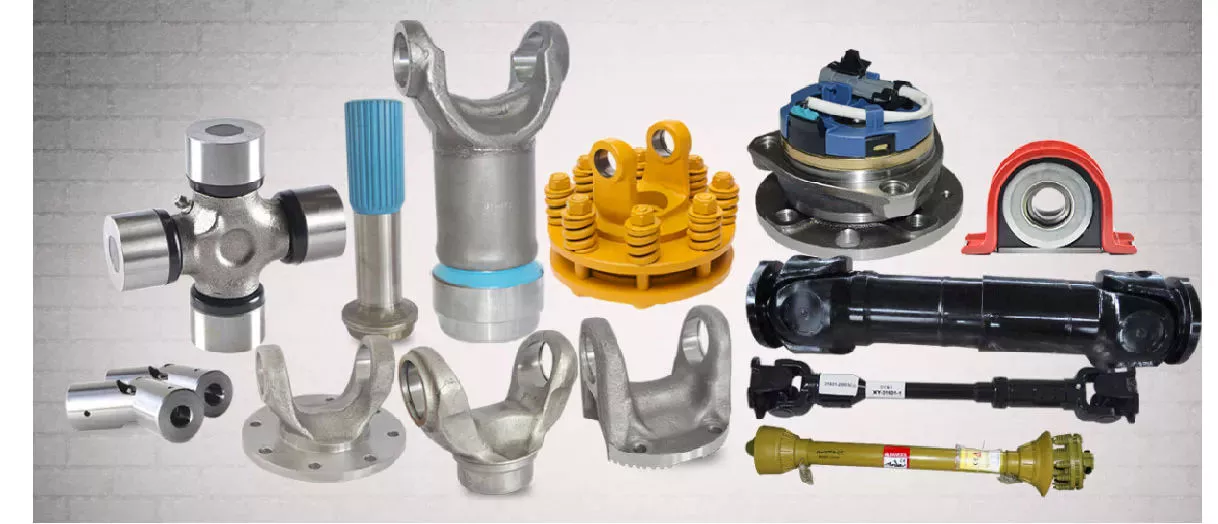
Wie gewährleisten Zapfwellenantriebe eine effiziente Kraftübertragung bei gleichzeitiger Aufrechterhaltung der Sicherheit?
Zapfwellen (PTO – Power Take-Off) sind so konstruiert, dass sie eine effiziente Kraftübertragung bei gleichzeitig hoher Sicherheit gewährleisten. Diese Antriebswellen verfügen über verschiedene Mechanismen und Merkmale, um beide Ziele zu erreichen. Im Folgenden finden Sie eine detaillierte Erklärung, wie Zapfwellen eine effiziente Kraftübertragung bei gleichzeitiger Gewährleistung der Sicherheit sicherstellen:
1. Robuste Konstruktion:
Zapfwellenantriebe werden typischerweise aus hochwertigen Materialien wie Stahl oder Verbundwerkstoffen gefertigt, die Festigkeit und Langlebigkeit gewährleisten. Dank ihrer robusten Konstruktion halten sie den Drehmoment- und Leistungsanforderungen der Anwendung stand und gewährleisten eine effiziente Kraftübertragung ohne übermäßige Biegung oder Verformung, die zu Energieverlusten oder vorzeitigem Ausfall führen könnten.
2. Präzise Ausrichtung:
Für eine effiziente Kraftübertragung ist eine präzise Ausrichtung zwischen Zapfwelle, primärer Antriebsquelle (z. B. Motor, Getriebe) und dem angetriebenen Gerät erforderlich. Fehlausrichtungen können zu Leistungsverlusten, erhöhtem Verschleiß und potenziellen Sicherheitsrisiken führen. Zapfwellen sind mit verstellbaren Längen oder flexiblen Kupplungen ausgestattet, um unterschiedliche Gerätegrößen auszugleichen und eine korrekte Ausrichtung zu gewährleisten. Dadurch wird die Kraftübertragungseffizienz maximiert.
3. Sicherheitsmerkmale der Verbindung:
Zapfwellenantriebe verfügen über Sicherheitsvorkehrungen, um Unfälle zu verhindern und das Verletzungsrisiko zu minimieren. Eine gängige Sicherheitsvorkehrung ist der Einsatz von Scherbolzen oder Drehmomentbegrenzern. Diese Bauteile sind so konstruiert, dass sie bei zu hohem Drehmoment brechen oder durchrutschen und so die Antriebswelle und die angeschlossenen Geräte vor Beschädigungen schützen. Durch das Brechen des Scherbolzens wird die Zapfwelle im Falle einer Überlastung ausgekuppelt, wodurch die Sicherheit der Bediener gewährleistet und kostspielige Reparaturen vermieden werden.
4. Überlastschutz:
Überlastschutzmechanismen sind entscheidend für die Sicherheit und verhindern Schäden an der Zapfwelle und den zugehörigen Geräten. Kupplungssysteme oder Rutschkupplungen können eingesetzt werden, um die Antriebswelle bei zu hohem Drehmoment oder zu hoher Drehzahl zu entkoppeln. Diese Mechanismen ermöglichen ein kurzzeitiges Durchrutschen oder Entkoppeln der Antriebswelle, wodurch Schäden verhindert und das Verletzungsrisiko für Bediener und Umstehende reduziert wird.
5. Schutz und Bewachung:
Zapfwellenantriebe sind häufig mit Schutzvorrichtungen ausgestattet, um den Kontakt mit beweglichen Teilen zu verhindern. Diese Schutzabdeckungen gewährleisten, dass Bediener und Umstehende vor rotierenden Wellen, Kreuzgelenken und anderen potenziell gefährlichen Bauteilen geschützt sind. Eine ordnungsgemäße Schutzvorrichtung verringert das Risiko von Verheddern, Einklemmen oder versehentlichem Kontakt und erhöht somit die allgemeine Sicherheit.
6. Einhaltung der Sicherheitsstandards:
Zapfwellenantriebe werden so konstruiert und gefertigt, dass sie den geltenden Sicherheitsstandards und -vorschriften entsprechen. Diese Standards, wie beispielsweise ISO 500-1, legen die Anforderungen an Kraftübertragungskomponenten, einschließlich Zapfwellenantriebe, fest. Die Einhaltung dieser Standards gewährleistet, dass die Antriebswellen die erforderlichen Sicherheitskriterien erfüllen und strengen Tests unterzogen werden, um ihre Zuverlässigkeit und Leistungsfähigkeit sicherzustellen.
7. Regelmäßige Wartung und Inspektion:
Die Sicherheit und Effizienz von Zapfwellenantrieben erfordern regelmäßige Wartung und Inspektion. Bediener sollten die empfohlenen Wartungsintervalle einhalten, einschließlich Schmierung, Überprüfung der Bauteile und Austausch verschlissener oder beschädigter Teile. Regelmäßige Inspektionen helfen, potenzielle Sicherheitsrisiken wie verschlissene Lager, beschädigte Abschirmungen oder beeinträchtigte Sicherheitsfunktionen zu erkennen und ermöglichen so rechtzeitige Reparaturen oder Austausche.
8. Schulung und Sensibilisierung der Bediener:
Effiziente Kraftübertragung und Sicherheit hängen auch von der Schulung und dem Sicherheitsbewusstsein der Bediener ab. Bediener sollten eine angemessene Schulung zur sicheren Bedienung und Wartung von Zapfwellen erhalten. Dies umfasst das Verständnis von Sicherheitsverfahren, das Erkennen potenzieller Gefahren und das Bewusstsein für die Risiken, die mit unsachgemäßer Verwendung oder Wartung verbunden sind. Die Förderung einer Sicherheitskultur und die Bereitstellung kontinuierlicher Schulungen tragen dazu bei, dass Zapfwellen korrekt eingesetzt werden und potenzielle Risiken minimiert werden.
Durch robuste Konstruktion, präzise Ausrichtung, Sicherheitsfunktionen an den Verbindungen, Überlastschutz, Abschirmung und Schutzvorrichtungen, Einhaltung von Sicherheitsstandards, regelmäßige Wartung und Inspektion sowie Schulung und Sensibilisierung der Bediener ermöglichen Zapfwellen eine effiziente Kraftübertragung bei gleichzeitig hohem Sicherheitsniveau. Diese Maßnahmen tragen dazu bei, Unfälle zu vermeiden, Maschinen und Bediener zu schützen und eine zuverlässige und effektive Kraftübertragung in verschiedenen Anwendungen zu gewährleisten.
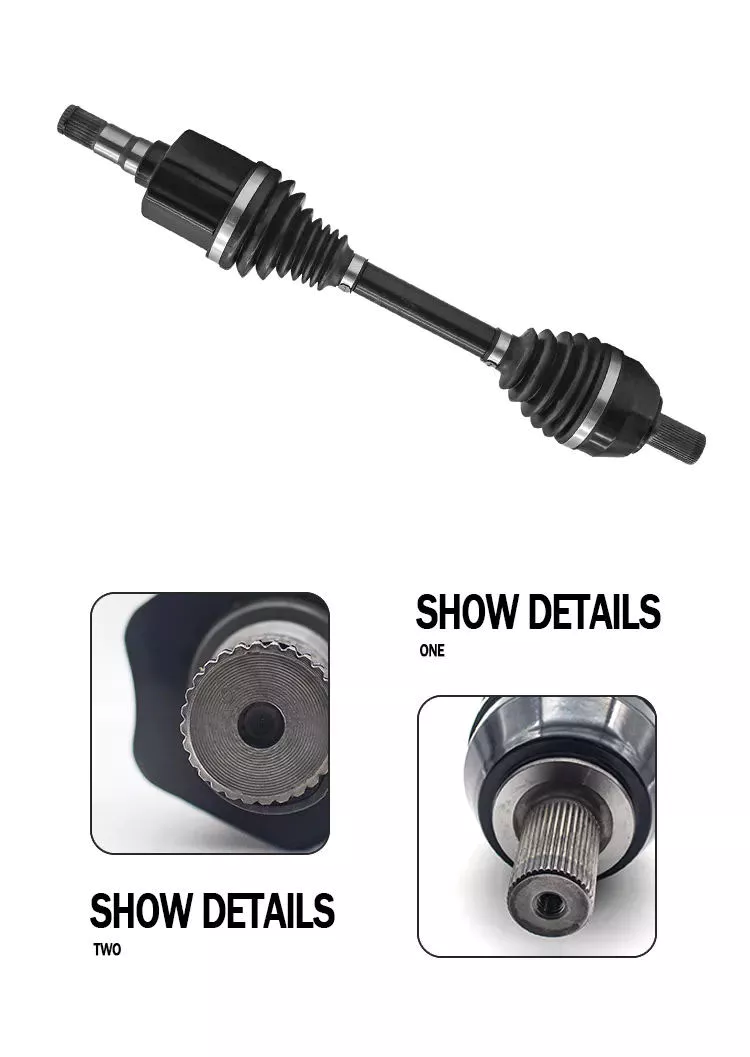
Können Zapfwellenantriebe an spezifische Maschinen und Leistungsanforderungen angepasst werden?
Ja, Zapfwellen (PTO-Antriebswellen) lassen sich an spezifische Maschinen und Leistungsanforderungen anpassen. Hersteller bieten häufig individuelle Anpassungsmöglichkeiten an, um sicherzustellen, dass die Zapfwellen den spezifischen Anforderungen verschiedener Anwendungen gerecht werden. Die Anpassung kann verschiedene Aspekte der Konstruktion und Spezifikationen der Antriebswelle betreffen, darunter:
1. Länge:
Die Länge der Zapfwellenantriebswelle lässt sich individuell an den Abstand zwischen Antriebsquelle und angetriebenem Gerät anpassen. Dies gewährleistet eine optimale Passform und Ausrichtung und verhindert übermäßige Spannung oder Stauchung der Antriebswelle. Die individuelle Längenanpassung ermöglicht eine optimale Kraftübertragung und trägt zur Anpassung an spezifische Maschinenkonfigurationen bei.
2. Verbindungstyp:
Zapfwellenantriebe lassen sich mit verschiedenen Anschlussarten an die spezifischen Anforderungen der jeweiligen Maschine anpassen. Verschiedene Anschlussmethoden stehen zur Verfügung, darunter Keilwellenverbindungen, Flanschverbindungen und Schnellkupplungen. Die Wahl der passenden Anschlussart gewährleistet Kompatibilität und ermöglicht ein einfaches An- und Abkoppeln der Antriebswelle von der Antriebsquelle und dem angetriebenen Gerät.
3. Nennleistung:
Die Anpassung der Nennleistung umfasst die Auswahl geeigneter Komponenten und Materialien, um den spezifischen Leistungsbedarf der Maschine zu decken. Dabei werden Faktoren wie Drehmomentkapazität, Drehzahl und Art der Kraftübertragung (z. B. mechanisch, hydraulisch) berücksichtigt. Durch die Anpassung der Nennleistung können Hersteller sicherstellen, dass die Zapfwelle die benötigte Leistung effektiv überträgt, ohne Kompromisse bei Leistung oder Sicherheit einzugehen.
4. Schutzfunktionen:
Zapfwellenantriebe lassen sich mit zusätzlichen Schutzvorrichtungen ausstatten, um Sicherheit und Langlebigkeit zu erhöhen. Dazu gehören beispielsweise Schutzvorrichtungen, Abdeckungen oder Schutzbleche, die den Kontakt mit der rotierenden Welle und ihren Komponenten verhindern. Individuelle Schutzvorrichtungen tragen dazu bei, das Unfallrisiko zu minimieren und die Lebensdauer der Antriebswelle zu verlängern, indem sie diese vor äußeren Einflüssen, Schmutz und potenziellen Beschädigungen schützen.
5. Materialauswahl:
Die Materialauswahl für Nebenantriebswellen kann an spezifische Anforderungen angepasst werden. Verschiedene Materialien bieten unterschiedliche Festigkeit, Haltbarkeit und Beständigkeit gegenüber Faktoren wie Korrosion oder extremen Temperaturen. Durch die Wahl geeigneter Materialien können Hersteller die Leistung und Zuverlässigkeit der Antriebswelle für den jeweiligen Anwendungszweck optimieren.
6. Umweltaspekte:
Die kundenspezifische Anpassung von Zapfwellenantrieben kann spezifische Umgebungsfaktoren berücksichtigen. Beispielsweise können Hersteller Beschichtungen oder Materialien anbieten, die eine erhöhte Beständigkeit gegen Korrosion oder Chemikalieneinwirkung gewährleisten, wenn die Maschinen in einer korrosiven oder gefährlichen Umgebung eingesetzt werden. Die Berücksichtigung der Umgebungsbedingungen trägt dazu bei, dass die Antriebswelle den Belastungen der Betriebsumgebung standhält.
7. Einhaltung von Standards:
Kundenspezifische Zapfwellenantriebe können gemäß den relevanten Industrienormen und -vorschriften konstruiert und gefertigt werden. Hersteller gewährleisten, dass die kundenspezifischen Antriebswellen die erforderlichen Sicherheits-, Leistungs- und Maßvorgaben erfüllen. Die Einhaltung der Normen sichert Kompatibilität, Zuverlässigkeit und Sicherheit beim Einbau der kundenspezifischen Antriebswellen in spezifische Maschinen.
Durch die Bereitstellung von Individualisierungsoptionen können Hersteller Zapfwellen an die spezifischen Anforderungen verschiedener Maschinen und Leistungsanwendungen anpassen. Diese Flexibilität ermöglicht eine optimale Integration, verbesserte Leistung und erhöhte Sicherheit. Es ist wichtig, sich mit dem Hersteller oder einem qualifizierten Experten abzustimmen, um die passenden Individualisierungsoptionen basierend auf den spezifischen Maschinen- und Leistungsanforderungen zu ermitteln.
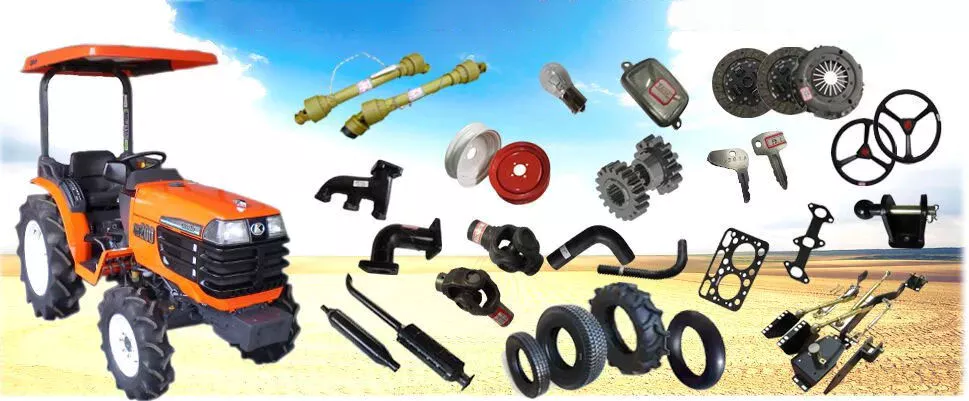
What factors should be considered when selecting the right PTO drive shaft for an application?
When selecting the right PTO (Power Take-Off) drive shaft for an application, several important factors should be considered to ensure optimal performance, safety, and compatibility. Here’s a detailed explanation of the key factors to consider:
1. Power and Torque Requirements:
The power and torque requirements of the application are crucial considerations. It’s essential to determine the maximum power and torque output of the primary power source (e.g., engine, transmission) and match it with the drive shaft’s capacity. Selecting a drive shaft that can handle the required power and torque levels ensures efficient power transmission and prevents overloading or damage to the drive shaft and connected equipment.
2. Speed and RPM Range:
The speed and RPM (Rotations Per Minute) range of the equipment and the primary power source should be taken into account. The drive shaft’s design should be capable of accommodating the desired speed range while maintaining smooth power transmission. It is important to select a drive shaft that can handle the intended operating speeds without excessive vibration, binding, or loss of power.
3. Equipment Size and Configuration:
The size and configuration of the equipment or implement being powered by the PTO drive shaft are crucial factors. The drive shaft’s length should be adjustable or chosen appropriately to ensure proper alignment between the primary power source and the implement input shaft. Additionally, consider any space limitations or clearance requirements within the equipment that may affect the choice of drive shaft configuration.
4. PTO Shaft Connection Type:
The type of connection required between the PTO drive shaft and the primary power source and implement is a significant consideration. Common connection types include splined connections, keyway connections, and quick-detach mechanisms. It is essential to ensure compatibility between the drive shaft’s connection type and the corresponding connections on the power source and implement to achieve a secure and reliable attachment.
5. Safety Features:
Safety features are crucial when selecting a PTO drive shaft. Shear pins, clutches, or other overload protection mechanisms should be considered to prevent damage to the drive shaft and associated equipment in the event of a sudden increase in torque or speed. These safety features help protect against accidents and reduce the risk of injury to operators and bystanders.
6. Environmental Conditions:
The environmental conditions in which the drive shaft will be operating should be taken into account. Consider factors such as temperature extremes, moisture, dust, or corrosive environments. It may be necessary to select a drive shaft with appropriate sealing, coating, or material options to ensure reliable performance and durability in the given conditions.
7. Maintenance and Serviceability:
Consider the accessibility and ease of maintenance for the chosen drive shaft. Ensure that routine maintenance tasks such as lubrication, inspection, and potential repairs can be performed conveniently. Easy serviceability helps minimize downtime and ensures the longevity of the drive shaft.
8. Compliance with Standards and Regulations:
Ensure that the selected PTO drive shaft complies with relevant industry standards and safety regulations. This includes standards for power transmission components, such as ISO 500-1 for PTO drive shafts. Compliance with these standards ensures that the drive shaft meets necessary quality, safety, and performance requirements.
By considering factors such as power and torque requirements, speed range, equipment size and configuration, PTO shaft connection type, safety features, environmental conditions, maintenance and serviceability, and compliance with standards and regulations, one can select the right PTO drive shaft that best suits the specific application’s needs. Proper selection ensures efficient power transmission, safety, and long-term reliability of the equipment.


editor by CX 2024-04-12