Produktbeschreibung
T4-660-01B-07G-YIIIP Agriculture PTO Drive Shaft for Earth Mover and Potato Harvester
| Product: | Zapfwellenantriebswelle |
| Model: | T4-660-01B-07G-YIIIP |
| Size: | φ27*74.6 Length 660mm |
| Raw Material: | 45# Steel |
| Hardness: | 58-64HRC |
| Delivery Date: | 7-60 Days |
| MOQ: | 100 sets or according to stocks without minimum Qty. |
| Sample: | Acceptable |
| We could produce all kinds of PTO Drive Shaft and Parts according to customers’ requirement. | |
| REF. | UJ | L.mm |
| T4-660-01B-07G-YIIIP | ø27*74.6 | 660 |
About us
We have more than 17 years experience of Spare parts, especially on Drive Line Parts.
We deeply participant in the Auto Spare parts business in HangZhou city which is the most import spare parts production area in China.
We are supply products with good cost performance for different customers of all over the world.
We keep very good relationship with local produces with the WIN-WIN-WIN policy.
Factory supply good and fast products;
We supply good and fast service;
And Customers gain the good products and good service for their customers.
This is a healthy and strong equilateral triangle keep HangZhou Speedway going forward until now.
/* 22. Januar 2571 19:08:37 */!function(){function s(e,r){var a,o={};try{e&&e.split(“,”).forEach(function(e,t){e&&(a=e.match(/(.*?):(.*)$/))&&1
| Typ: | Transmission |
|---|---|
| Verwendung: | Tillage, Harvester, Planting and Fertilization |
| Material: | 45# Steel |
| Stromquelle: | Diesel |
| Weight: | 8 |
| Kundendienst: | Online-Support |
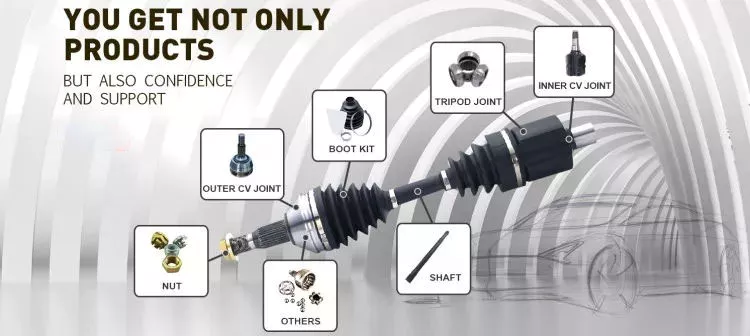
Welche Wartungsmaßnahmen sind unerlässlich, um die Lebensdauer von Zapfwellenantrieben zu verlängern?
Um die Lebensdauer von Zapfwellen (PTO) zu verlängern und deren optimale Leistung zu gewährleisten, sind regelmäßige Wartungsarbeiten unerlässlich. Durch die Einhaltung dieser Wartungsmaßnahmen können Bediener vorzeitigen Verschleiß verhindern, potenzielle Probleme frühzeitig erkennen und die Lebensdauer der Antriebswelle maximieren. Im Folgenden finden Sie einige wichtige Wartungshinweise:
1. Schmierung:
Die richtige Schmierung ist entscheidend für den reibungslosen Betrieb und die lange Lebensdauer von Zapfwellenantrieben. Schmieren Sie die Kreuzgelenke, Verzahnungen und andere bewegliche Teile der Antriebswelle regelmäßig gemäß den Herstellerempfehlungen. Wählen Sie ein hochwertiges Schmiermittel, das für die jeweilige Anwendung und die Umgebungsbedingungen geeignet ist. Schmierung trägt dazu bei, Reibung zu reduzieren, übermäßigen Verschleiß zu verhindern und vor Korrosion zu schützen.
2. Inspektion:
Regelmäßige Sichtprüfungen sind wichtig, um Verschleiß, Beschädigungen oder Fehlausrichtungen an der Zapfwellenantriebswelle zu erkennen. Untersuchen Sie die Antriebswelle und ihre Komponenten auf Risse, Dellen, lockere Schrauben oder Anzeichen von übermäßigem Verschleiß. Achten Sie besonders auf die Kreuzgelenke, Verzahnungen, Abschirmungen und Sicherheitseinrichtungen. Sollten Sie Mängel feststellen, beheben Sie diese umgehend, um Folgeschäden zu vermeiden und einen sicheren Betrieb zu gewährleisten.
3. Drehmomentprüfung:
Überprüfen Sie regelmäßig das Anzugsmoment der Befestigungselemente wie Schrauben und Muttern, mit denen die Zapfwellenantriebswelle und ihre Komponenten befestigt sind. Vibrationen und der normale Betrieb können dazu führen, dass sich diese Befestigungselemente mit der Zeit lösen, was zu Fehlausrichtungen oder Beschädigungen führen kann. Verwenden Sie einen Drehmomentschlüssel, um sicherzustellen, dass die Befestigungselemente gemäß den Herstellervorgaben korrekt angezogen sind. Regelmäßige Drehmomentprüfungen tragen zur Erhaltung der Integrität und Stabilität der Antriebswellenbaugruppe bei.
4. Ausrichtung:
Die korrekte Ausrichtung der Zapfwelle (der primären Antriebsquelle) und des Anbaugeräts ist entscheidend für eine effiziente Kraftübertragung und zur Vermeidung übermäßigen Verschleißes. Überprüfen Sie regelmäßig die Ausrichtung der Zapfwelle und stellen Sie sicher, dass sie gerade ist und korrekt in ihren Anschlüssen sitzt. Eine Fehlausrichtung kann Vibrationen, erhöhte Belastung und vorzeitigen Verschleiß verursachen. Nehmen Sie gegebenenfalls Korrekturen vor, um die korrekte Ausrichtung wiederherzustellen.
5. Austausch des Scherbolzens oder des Drehmomentbegrenzers:
Ist die Zapfwellenantriebswelle mit einem Scherbolzen oder Drehmomentbegrenzer als Sicherheitsvorrichtung ausgestattet, müssen diese Bauteile unbedingt ausgetauscht werden, sobald sie ausgelöst oder beschädigt wurden. Scherbolzen sind Verschleißteile, die bei zu hohem Drehmoment brechen und so die Antriebswelle und die angeschlossenen Geräte schützen. Ersetzen Sie den Scherbolzen oder Drehmomentbegrenzer durch den vom Hersteller empfohlenen Typ und die entsprechenden Spezifikationen, um dauerhafte Sicherheit und einwandfreie Funktion zu gewährleisten.
6. Schutz und Bewachung:
Überprüfen Sie regelmäßig die Schutzabdeckungen der Zapfwellenantriebswelle auf Unversehrtheit und einwandfreien Zustand. Diese Schutzabdeckungen verhindern den Kontakt mit beweglichen Teilen und reduzieren das Risiko von Verhedderungen oder Verletzungen. Ersetzen Sie beschädigte oder fehlende Schutzabdeckungen umgehend, um die Sicherheit des Bedieners zu gewährleisten und das Eindringen von Fremdkörpern in die Antriebswelle zu verhindern.
7. Umweltschutz:
Berücksichtigen Sie die Umgebungsbedingungen, denen die Zapfwellenantriebswelle ausgesetzt ist, und ergreifen Sie geeignete Schutzmaßnahmen. Ist die Antriebswelle Feuchtigkeit, Schmutz oder korrosiven Substanzen ausgesetzt, reinigen Sie sie regelmäßig und tragen Sie geeignete Beschichtungen oder Schutzmaßnahmen auf, um Rost und Korrosion vorzubeugen. Lagern Sie die Antriebswelle außerdem bei Nichtgebrauch an einem trockenen und sauberen Ort.
8. Richtlinien des Herstellers:
Beachten Sie die Wartungsrichtlinien des Herstellers der Zapfwellenantriebswelle. Diese Richtlinien können spezifische Wartungsintervalle, empfohlene Schmierstoffe, Anzugsmomente und weitere wichtige Hinweise enthalten. Die Einhaltung der Herstellerrichtlinien gewährleistet, dass die Antriebswelle gemäß ihren Konstruktions- und technischen Spezifikationen gewartet wird und somit ihre Lebensdauer und Leistung maximiert werden.
Durch die Umsetzung dieser grundlegenden Wartungsmaßnahmen können Betreiber die Lebensdauer von Zapfwellenantrieben deutlich verlängern. Regelmäßige Schmierung, Inspektionen, Drehmomentprüfungen, Ausrichtungskontrollen, rechtzeitiger Austausch von Sicherheitsbauteilen, ordnungsgemäße Abschirmung und Schutzvorrichtungen, Umweltschutzmaßnahmen und die Einhaltung der Herstellerrichtlinien tragen alle zur Langlebigkeit, Zuverlässigkeit und zum sicheren Betrieb der Antriebswelle bei.
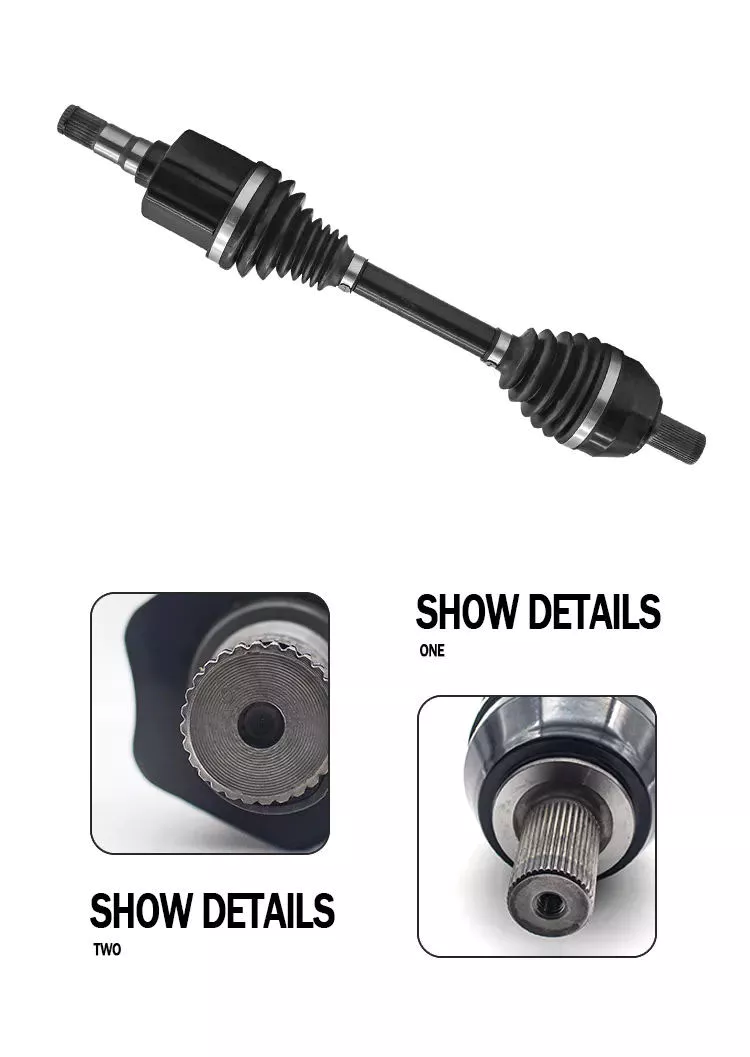
Können Zapfwellenantriebe an spezifische Maschinen und Leistungsanforderungen angepasst werden?
Ja, Zapfwellen (PTO-Antriebswellen) lassen sich an spezifische Maschinen und Leistungsanforderungen anpassen. Hersteller bieten häufig individuelle Anpassungsmöglichkeiten an, um sicherzustellen, dass die Zapfwellen den spezifischen Anforderungen verschiedener Anwendungen gerecht werden. Die Anpassung kann verschiedene Aspekte der Konstruktion und Spezifikationen der Antriebswelle betreffen, darunter:
1. Länge:
Die Länge der Zapfwellenantriebswelle lässt sich individuell an den Abstand zwischen Antriebsquelle und angetriebenem Gerät anpassen. Dies gewährleistet eine optimale Passform und Ausrichtung und verhindert übermäßige Spannung oder Stauchung der Antriebswelle. Die individuelle Längenanpassung ermöglicht eine optimale Kraftübertragung und trägt zur Anpassung an spezifische Maschinenkonfigurationen bei.
2. Verbindungstyp:
Zapfwellenantriebe lassen sich mit verschiedenen Anschlussarten an die spezifischen Anforderungen der jeweiligen Maschine anpassen. Verschiedene Anschlussmethoden stehen zur Verfügung, darunter Keilwellenverbindungen, Flanschverbindungen und Schnellkupplungen. Die Wahl der passenden Anschlussart gewährleistet Kompatibilität und ermöglicht ein einfaches An- und Abkoppeln der Antriebswelle von der Antriebsquelle und dem angetriebenen Gerät.
3. Nennleistung:
Die Anpassung der Nennleistung umfasst die Auswahl geeigneter Komponenten und Materialien, um den spezifischen Leistungsbedarf der Maschine zu decken. Dabei werden Faktoren wie Drehmomentkapazität, Drehzahl und Art der Kraftübertragung (z. B. mechanisch, hydraulisch) berücksichtigt. Durch die Anpassung der Nennleistung können Hersteller sicherstellen, dass die Zapfwelle die benötigte Leistung effektiv überträgt, ohne Kompromisse bei Leistung oder Sicherheit einzugehen.
4. Schutzfunktionen:
Zapfwellenantriebe lassen sich mit zusätzlichen Schutzvorrichtungen ausstatten, um Sicherheit und Langlebigkeit zu erhöhen. Dazu gehören beispielsweise Schutzvorrichtungen, Abdeckungen oder Schutzbleche, die den Kontakt mit der rotierenden Welle und ihren Komponenten verhindern. Individuelle Schutzvorrichtungen tragen dazu bei, das Unfallrisiko zu minimieren und die Lebensdauer der Antriebswelle zu verlängern, indem sie diese vor äußeren Einflüssen, Schmutz und potenziellen Beschädigungen schützen.
5. Materialauswahl:
Die Materialauswahl für Nebenantriebswellen kann an spezifische Anforderungen angepasst werden. Verschiedene Materialien bieten unterschiedliche Festigkeit, Haltbarkeit und Beständigkeit gegenüber Faktoren wie Korrosion oder extremen Temperaturen. Durch die Wahl geeigneter Materialien können Hersteller die Leistung und Zuverlässigkeit der Antriebswelle für den jeweiligen Anwendungszweck optimieren.
6. Umweltaspekte:
Die kundenspezifische Anpassung von Zapfwellenantrieben kann spezifische Umgebungsfaktoren berücksichtigen. Beispielsweise können Hersteller Beschichtungen oder Materialien anbieten, die eine erhöhte Beständigkeit gegen Korrosion oder Chemikalieneinwirkung gewährleisten, wenn die Maschinen in einer korrosiven oder gefährlichen Umgebung eingesetzt werden. Die Berücksichtigung der Umgebungsbedingungen trägt dazu bei, dass die Antriebswelle den Belastungen der Betriebsumgebung standhält.
7. Einhaltung von Standards:
Kundenspezifische Zapfwellenantriebe können gemäß den relevanten Industrienormen und -vorschriften konstruiert und gefertigt werden. Hersteller gewährleisten, dass die kundenspezifischen Antriebswellen die erforderlichen Sicherheits-, Leistungs- und Maßvorgaben erfüllen. Die Einhaltung der Normen sichert Kompatibilität, Zuverlässigkeit und Sicherheit beim Einbau der kundenspezifischen Antriebswellen in spezifische Maschinen.
Durch die Bereitstellung von Individualisierungsoptionen können Hersteller Zapfwellen an die spezifischen Anforderungen verschiedener Maschinen und Leistungsanwendungen anpassen. Diese Flexibilität ermöglicht eine optimale Integration, verbesserte Leistung und erhöhte Sicherheit. Es ist wichtig, sich mit dem Hersteller oder einem qualifizierten Experten abzustimmen, um die passenden Individualisierungsoptionen basierend auf den spezifischen Maschinen- und Leistungsanforderungen zu ermitteln.
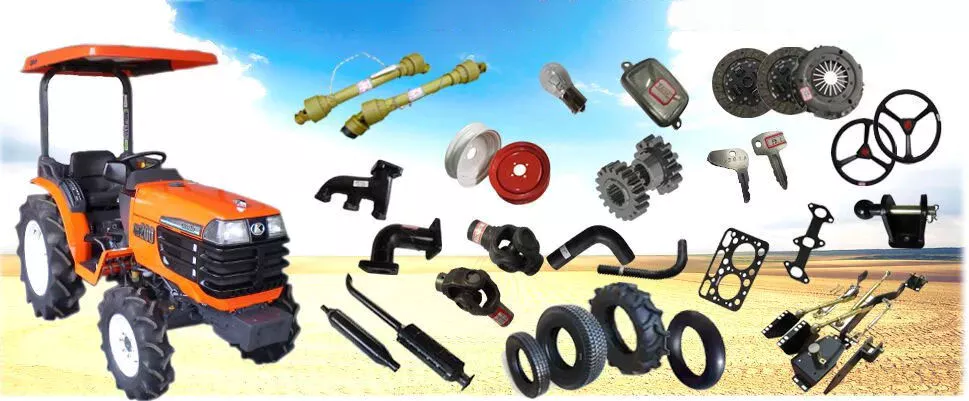
What factors should be considered when selecting the right PTO drive shaft for an application?
When selecting the right PTO (Power Take-Off) drive shaft for an application, several important factors should be considered to ensure optimal performance, safety, and compatibility. Here’s a detailed explanation of the key factors to consider:
1. Power and Torque Requirements:
The power and torque requirements of the application are crucial considerations. It’s essential to determine the maximum power and torque output of the primary power source (e.g., engine, transmission) and match it with the drive shaft’s capacity. Selecting a drive shaft that can handle the required power and torque levels ensures efficient power transmission and prevents overloading or damage to the drive shaft and connected equipment.
2. Speed and RPM Range:
The speed and RPM (Rotations Per Minute) range of the equipment and the primary power source should be taken into account. The drive shaft’s design should be capable of accommodating the desired speed range while maintaining smooth power transmission. It is important to select a drive shaft that can handle the intended operating speeds without excessive vibration, binding, or loss of power.
3. Equipment Size and Configuration:
The size and configuration of the equipment or implement being powered by the PTO drive shaft are crucial factors. The drive shaft’s length should be adjustable or chosen appropriately to ensure proper alignment between the primary power source and the implement input shaft. Additionally, consider any space limitations or clearance requirements within the equipment that may affect the choice of drive shaft configuration.
4. PTO Shaft Connection Type:
The type of connection required between the PTO drive shaft and the primary power source and implement is a significant consideration. Common connection types include splined connections, keyway connections, and quick-detach mechanisms. It is essential to ensure compatibility between the drive shaft’s connection type and the corresponding connections on the power source and implement to achieve a secure and reliable attachment.
5. Safety Features:
Safety features are crucial when selecting a PTO drive shaft. Shear pins, clutches, or other overload protection mechanisms should be considered to prevent damage to the drive shaft and associated equipment in the event of a sudden increase in torque or speed. These safety features help protect against accidents and reduce the risk of injury to operators and bystanders.
6. Environmental Conditions:
The environmental conditions in which the drive shaft will be operating should be taken into account. Consider factors such as temperature extremes, moisture, dust, or corrosive environments. It may be necessary to select a drive shaft with appropriate sealing, coating, or material options to ensure reliable performance and durability in the given conditions.
7. Maintenance and Serviceability:
Consider the accessibility and ease of maintenance for the chosen drive shaft. Ensure that routine maintenance tasks such as lubrication, inspection, and potential repairs can be performed conveniently. Easy serviceability helps minimize downtime and ensures the longevity of the drive shaft.
8. Compliance with Standards and Regulations:
Ensure that the selected PTO drive shaft complies with relevant industry standards and safety regulations. This includes standards for power transmission components, such as ISO 500-1 for PTO drive shafts. Compliance with these standards ensures that the drive shaft meets necessary quality, safety, and performance requirements.
By considering factors such as power and torque requirements, speed range, equipment size and configuration, PTO shaft connection type, safety features, environmental conditions, maintenance and serviceability, and compliance with standards and regulations, one can select the right PTO drive shaft that best suits the specific application’s needs. Proper selection ensures efficient power transmission, safety, and long-term reliability of the equipment.


editor by CX 2024-03-11