Produktbeschreibung
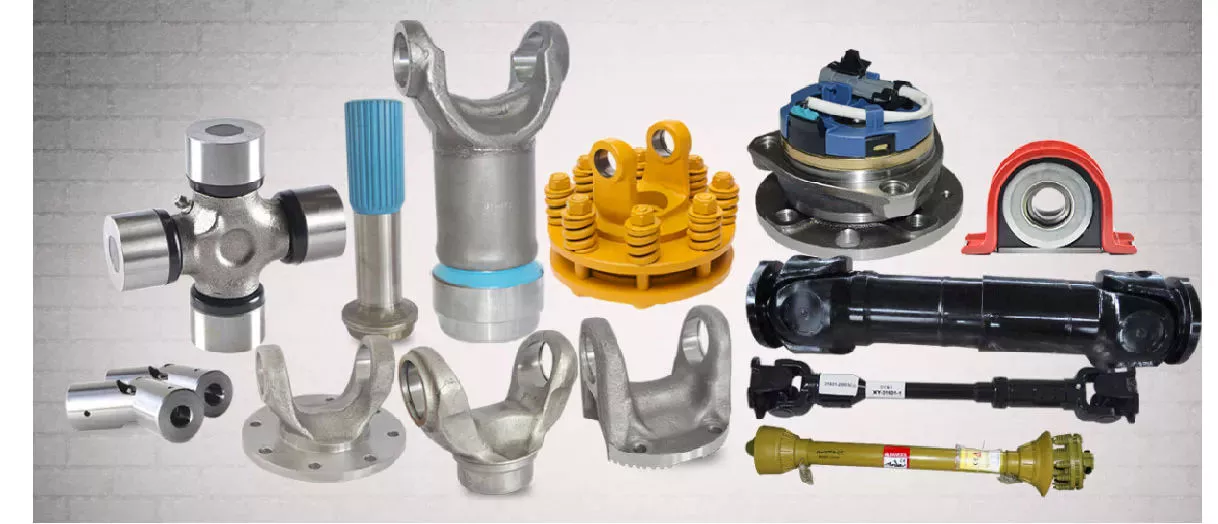
Quality Assured pto drive shaft for farm implement
1. Tubes or Pipes
We’ve already got Triangular profile tube and Lemon profile tube for all the series we provide.
And we have some star tube, splined tube and other profile tubes required by our customers (for a certain series). (Please notice that our catalog doesnt contain all the items we produce)
If you want tubes other than triangular or lemon, please provide drawings or pictures.
2.End yokes
We’ve got several types of quick release yokes and plain bore yoke. I will suggest the usual type for your reference.
You can also send drawings or pictures to us if you cannot find your item in our catalog.
3. Safety devices or clutches
I will attach the details of safety devices for your reference. We’ve already have Free wheel (RA), Ratchet torque limiter(SA), Shear bolt torque limiter(SB), 3types of friction torque limiter (FF,FFS,FCS) and overrunning couplers(adapters) (FAS).
4.For any other more special requirements with plastic guard, connection method, color of painting, package, etc., please feel free to let me know.
Features:
1. We have been specialized in designing, manufacturing drive shaft, steering coupler shaft, universal joints, which have exported to the USA, Europe, Australia etc for years
2. Application to all kinds of general mechanical situation
3. Our products are of high intensity and rigidity.
4. Heat resistant & Acid resistant
5. OEM orders are welcomed
Our factory is a leading manufacturer of PTO shaft yoke and universal joint.
We manufacture high quality PTO yokes for various vehicles, construction machinery and equipment. All products are constructed with rotating lighter.
We are currently exporting our products throughout the world, especially to North America, South America, Europe, and Russia. If you are interested in any item, please do not hesitate to contact us. We are looking CHINAMFG to becoming your suppliers in the near future.
/* 10. März 2571 17:59:20 */!function(){function s(e,r){var a,o={};try{e&&e.split(“,”).forEach(function(e,t){e&&(a=e.match(/(.*?):(.*)$/))&&1
| Typ: | Fork |
|---|---|
| Usage: | Agricultural Products Processing, Farmland Infrastructure, Tillage, Harvester, Planting and Fertilization, Grain Threshing, Cleaning and Drying |
| Material: | Carbon Steel |
| Anpassung: |
Verfügbar
| Kundenspezifische Anfrage |
|---|
.shipping-cost-tm .tm-status-off{background: none;padding:0;color: #1470cc}
| Versandkosten:
Geschätzte Frachtkosten pro Einheit. |
über Versandkosten und voraussichtliche Lieferzeit. |
|---|
| Zahlungsmethode: |
|
|---|---|
|
Erste Zahlung Vollständige Zahlung |
| Währung: | US$ |
|---|
| Rückgabe & Erstattung: | Sie können bis zu 30 Tage nach Erhalt der Produkte eine Rückerstattung beantragen. |
|---|
Gibt es Unterschiede in der Konstruktion der Zapfwelle für verschiedene Maschinentypen?
Ja, es gibt verschiedene Ausführungen von Zapfwellen (PTO-Wellen), um den spezifischen Anforderungen unterschiedlicher Maschinentypen gerecht zu werden. Zapfwellen sind äußerst vielseitige und anpassungsfähige Bauteile, die die Kraft von einer Antriebsquelle, wie beispielsweise einem Traktor oder Motor, auf angetriebene Maschinen oder Geräte übertragen. Die unterschiedlichen Ausführungen von Zapfwellen sind notwendig, um Kompatibilität, Effizienz und Sicherheit in verschiedenen Anwendungsbereichen zu gewährleisten. Hier finden Sie eine detaillierte Erklärung der verschiedenen Zapfwellenausführungen für unterschiedliche Maschinentypen:
1. Standard-Zapfwellen: Standard-Zapfwellen sind die gängigste Bauart und finden in einer Vielzahl von Anwendungen Verwendung. Sie bestehen typischerweise aus einer massiven Stahlwelle mit je einem Kreuzgelenk an beiden Enden. Diese Kreuzgelenke gleichen Winkelabweichungen zwischen Antriebsquelle und angetriebener Maschine aus. Standard-Zapfwellen eignen sich für Anwendungen, bei denen der Abstand zwischen Antriebsquelle und angetriebener Maschine relativ konstant ist. Sie werden häufig in landwirtschaftlichen Geräten wie Mähwerken, Ballenpressen, Bodenfräsen und Sämaschinen sowie in industriellen Anwendungen eingesetzt.
2. Teleskopierbare Zapfwellen: Teleskop-Zapfwellen zeichnen sich durch ihre teleskopierbare Konstruktion aus, die eine Längenverstellung ermöglicht. Diese Wellen bestehen aus zwei oder mehr konzentrischen Wellen, die ineinander gleiten können. Teleskop-Zapfwellen sind besonders vorteilhaft, wenn der Abstand zwischen Antriebsquelle und angetriebener Maschine variiert. Durch die Längenverstellung der Welle kann der Bediener eine optimale Kraftübertragung gewährleisten, ohne dass die Welle auf dem Boden schleift oder zu kurz ist, um die Maschine zu erreichen. Teleskop-Zapfwellen werden häufig bei Frontanbaugeräten, Schneefräsen, Selbstladewagen und anderen Anwendungen eingesetzt, bei denen sich der Abstand zwischen Antriebsquelle und Anbaugerät ändert.
3. CV-Zapfwellen (Konstantgeschwindigkeits-Zapfwellen): CV-Zapfwellen verfügen über Gleichlaufgelenke, die Fluchtungsfehler und Winkelabweichungen ausgleichen. Diese Gelenke gewährleisten eine konstante Drehzahl und Drehmomentübertragung, selbst wenn die angetriebene Maschine schräg zur Antriebsquelle steht. CV-Zapfwellen sind vorteilhaft in Anwendungen, bei denen die angetriebene Maschine Flexibilität und einen großen Bewegungsspielraum erfordert. Sie werden häufig in Knickladern, Teleskopladern, selbstfahrenden Feldspritzen und anderen Geräten eingesetzt, die eine kontinuierliche Kraftübertragung bei Betrieb in verschiedenen Winkeln benötigen.
4. Getriebegetriebene Zapfwellen: Manche Maschinen benötigen bestimmte Drehzahl- oder Drehmomentverhältnisse zwischen Antriebsquelle und angetriebener Maschine. In solchen Fällen können Zapfwellen mit Getriebesystemen ausgestattet sein. Getriebegetriebene Zapfwellen ermöglichen eine Drehzahlreduzierung oder -erhöhung und können bei Bedarf die Drehrichtung ändern. Die Übersetzungsverhältnisse im Getriebe lassen sich an die Drehzahl- und Drehmomentanforderungen der angetriebenen Maschine anpassen. Diese Zapfwellen werden häufig in Anwendungen eingesetzt, bei denen die Antriebsquelle mit einer anderen Drehzahl oder einem anderen Drehmoment arbeitet als die angetriebene Maschine, beispielsweise in bestimmten industriellen Fertigungsprozessen und Spezialmaschinen.
5. Zapfwellen mit hohem Drehmoment: Einige schwere Maschinen benötigen hohe Drehmomente zur Kraftübertragung. Hochleistungs-Zapfwellen sind speziell für diese anspruchsvollen Anwendungen ausgelegt. Sie bestehen aus verstärkten Komponenten, darunter Wellen mit größerem Durchmesser und hochbelastbare Kreuzgelenke, um den erhöhten Drehmomentanforderungen standzuhalten. Hochleistungs-Zapfwellen werden häufig in Geräten wie Holzhackern, Brechern und schweren landwirtschaftlichen Geräten eingesetzt, die für ihren Betrieb erhebliche Leistung und Drehmomente benötigen.
6. Sicherheitszapfwellen: Sicherheit ist bei der Verwendung von Zapfwellen von entscheidender Bedeutung. Sicherheitszapfwellen verfügen über Mechanismen zur Reduzierung des Unfall- und Verletzungsrisikos. Ein gängiges Sicherheitsmerkmal ist die Verwendung von Schutzvorrichtungen, die die rotierende Welle abdecken und so versehentlichen Kontakt verhindern. Diese Schutzvorrichtungen bestehen in der Regel aus Metall oder Kunststoff und sind so konstruiert, dass sie die rotierenden Komponenten schützen und gleichzeitig die für die Kraftübertragung notwendige Bewegung ermöglichen. Sicherheitszapfwellen kommen in verschiedenen Anwendungen zum Einsatz, bei denen ein hohes Risiko des Verhedderns oder versehentlichen Kontakts mit der rotierenden Welle besteht, beispielsweise bei Rasenmähern, Motorhacken und anderen Geräten für die Landschaftspflege und Landwirtschaft.
Dies sind einige der wichtigsten Unterschiede bei Zapfwellenkonstruktionen für verschiedene Maschinentypen. Die spezifische Konstruktion hängt von Faktoren wie den Anwendungsanforderungen, den Eigenschaften der Antriebsquelle, den Drehmomenten, der Bewegungsflexibilität und Sicherheitsaspekten ab. Zapfwellenhersteller bieten eine Reihe von Konstruktionen an, um Kompatibilität und effiziente Kraftübertragung in verschiedenen Branchen und Anwendungen zu gewährleisten.

How do PTO shafts contribute to the efficiency of agricultural operations?
Power Take-Off (PTO) shafts play a crucial role in improving the efficiency of agricultural operations by providing a versatile and reliable power source for various farming equipment. PTO shafts allow agricultural machinery to access power from tractors or other prime movers, enabling the efficient transfer of energy to perform a wide range of tasks. Here’s a detailed explanation of how PTO shafts contribute to the efficiency of agricultural operations:
1. Versatility: PTO shafts offer versatility by allowing the connection of different types of implements and machinery to tractors or other power sources. This versatility enables farmers to use a single power unit, such as a tractor, to operate multiple agricultural implements, including mowers, balers, tillers, seeders, sprayers, and more. The ability to quickly switch between various implements using a PTO shaft minimizes downtime and maximizes efficiency in agricultural operations.
2. Power Transfer: PTO shafts efficiently transfer power from the tractor’s engine to the agricultural implements. The rotating power generated by the engine is transmitted through the PTO shaft to drive the machinery connected to it. This direct power transfer eliminates the need for separate engines or motors on each implement, reducing equipment costs and maintenance requirements. PTO shafts ensure a reliable power supply, allowing agricultural operations to be carried out efficiently and effectively.
3. Increased Productivity: By utilizing PTO shafts, agricultural operations can be performed more quickly and efficiently than manual or alternative power methods. PTO-driven machinery typically operates at higher speeds and with greater power compared to human-operated or manual tools. This increased productivity allows farmers to complete tasks such as tilling, seeding, harvesting, and material handling more efficiently, reducing labor requirements and increasing overall farm productivity.
4. Time Savings: PTO shafts contribute to time savings in agricultural operations. The ability to connect and disconnect implements quickly using standardized PTO shafts allows farmers to switch between tasks rapidly. This saves time during equipment setup, as well as when transitioning between different operations in the field. Time efficiency is particularly valuable during critical farming periods, such as planting or harvesting, where timely execution is essential for optimal crop yield and quality.
5. Reduced Manual Labor: PTO shafts minimize the need for manual labor in strenuous or repetitive tasks. By harnessing the power of tractors or other prime movers, farmers can mechanize various operations that would otherwise require significant physical effort. Agricultural implements driven by PTO shafts can perform tasks such as plowing, mowing, and baling with minimal human intervention, reducing labor costs and improving overall efficiency.
6. Precision and Consistency: PTO shafts contribute to precision and consistency in agricultural operations. The consistent power supply from the PTO ensures uniform operation and performance of the connected machinery. This helps in achieving consistent seed placement, even spreading of fertilizers or chemicals, and precise cutting or harvesting of crops. Precision and consistency lead to improved crop quality, enhanced yield, and reduced waste, ultimately contributing to the overall efficiency of agricultural operations.
7. Adaptability to Various Terrain: PTO-driven machinery is highly adaptable to various types of terrain encountered in agricultural operations. Tractors equipped with PTO shafts can traverse uneven or challenging terrain, allowing implements to operate effectively on slopes, rough fields, or hilly landscapes. This adaptability ensures that farmers can efficiently manage their land, regardless of topographical challenges, enhancing operational efficiency and productivity.
8. Integration with Automation and Technology: PTO shafts can be integrated with automation and technology advancements in modern agricultural practices. Automation systems, such as precision guidance and control, can be synchronized with PTO-driven machinery to optimize operations and minimize waste. Additionally, advancements in data collection and analysis allow farmers to monitor and optimize machine performance, fuel efficiency, and productivity, further enhancing the efficiency of agricultural operations.
By providing versatility, efficient power transfer, increased productivity, time savings, reduced manual labor, precision, adaptability to terrain, and integration with automation and technology, PTO shafts significantly contribute to enhancing the efficiency of agricultural operations. They enable farmers to perform a wide range of tasks with ease, ultimately improving productivity, reducing costs, and supporting sustainable farming practices.

Which industries commonly use PTO shafts for power transmission?
PTO shafts (Power Take-Off shafts) are widely used in various industries where power transmission is required to drive machinery and equipment. Their versatility, efficiency, and compatibility with different types of machinery make them valuable components in several sectors. Here’s a detailed explanation of the industries that commonly use PTO shafts for power transmission:
1. Agriculture: The agricultural industry extensively relies on PTO shafts for power transmission. Tractors equipped with PTOs are commonly used to drive a wide range of agricultural implements and machinery. PTO-driven equipment includes mowers, balers, tillers, seeders, sprayers, grain augers, harvesters, and many more. PTO shafts allow for the efficient transfer of power from the tractor’s engine to these implements, enabling various agricultural operations such as cutting, baling, tilling, planting, spraying, and harvesting. The agricultural sector heavily depends on PTO shafts to enhance productivity and streamline farming processes.
2. Construction and Earthmoving: In the construction and earthmoving industry, PTO shafts find applications in machinery used for excavation, grading, and material handling. PTO-driven equipment such as backhoes, loaders, excavators, trenchers, and stump grinders utilize PTO shafts to transfer power from the prime movers, typically hydraulic systems, to drive the necessary attachments. These attachments require the high torque and power provided by PTO shafts to perform tasks like digging, loading, trenching, and grinding. PTO shafts allow for versatile and efficient power transmission in construction and earthmoving operations.
3. Forestry: The forestry industry utilizes PTO shafts for power transmission in various logging and timber processing equipment. PTO-driven machinery such as wood chippers, sawmills, log splitters, and debarkers rely on PTO shafts to transfer power from tractors or dedicated power units to perform tasks like chipping, sawing, splitting, and debarking wood. PTO shafts provide the necessary power and torque to drive the cutting and processing mechanisms, enabling efficient and productive forestry operations.
4. Landscaping and Groundskeeping: PTO shafts play a crucial role in the landscaping and groundskeeping industry. Equipment like lawn mowers, rotary cutters, flail mowers, and aerators utilize PTO shafts to transfer power from tractors or dedicated power units to drive the cutting or grooming mechanisms. PTO shafts enable efficient power transmission, allowing operators to maintain lawns, parks, golf courses, and other outdoor spaces with precision and productivity.
5. Mining and Quarrying: PTO shafts have applications in the mining and quarrying industry, particularly in equipment used for material extraction, crushing, and screening. PTO-driven machinery such as crushers, screeners, and conveyors rely on PTO shafts to transfer power from engines or motors to drive the crushing and screening mechanisms, as well as the material handling systems. PTO shafts provide the necessary power and torque to process and transport bulk materials effectively in mining and quarrying operations.
6. Industrial Manufacturing: PTO shafts are utilized in various industrial manufacturing processes that require power transmission to drive specific machinery and equipment. Industries such as food processing, textile manufacturing, paper production, and chemical processing may use PTO-driven machinery for tasks like mixing, blending, cutting, extruding, and conveying. PTO shafts enable efficient power transfer to these machines, ensuring smooth and reliable operation in industrial manufacturing settings.
7. Utilities and Infrastructure Maintenance: PTO shafts find applications in utilities and infrastructure maintenance operations. Equipment like street sweepers, sewer cleaners, road maintenance machines, and drain augers utilize PTO shafts to transfer power from trucks or dedicated power units to perform tasks like sweeping, cleaning, and maintenance of roads, sewers, and other public infrastructure. PTO shafts enable efficient power transmission, ensuring effective and reliable operation of these utility and maintenance machines.
8. Others: PTO shafts are also used in several other industries and sectors where power transmission is required. This includes applications in the transportation industry for powering refrigeration units, fuel pumps, and hydraulic systems in trucks and trailers. PTO shafts also find applications in the marine industry for powering winches, pumps, and other equipment on boats and ships.
In summary, PTO shafts are commonly used in a wide range of industries for power transmission. These industries include agriculture, construction and earthmoving, forestry, landscaping and groundskeeping, mining and quarrying, industrial manufacturing, utilities and infrastructure maintenance, transportation, and marine sectors. PTO shafts play a critical rolein enhancing productivity, enabling efficient operation of machinery, and facilitating various tasks in these industries.

editor by CX 2024-02-26