
Produktbeschreibung
Produktbeschreibung
| item | parameter |
| model | q750 |
| supporting power | 18 hp above |
| operating pressure | 1.5-2.5(mpa) |
| volume | 750L |
| rated power/speed | 480-550 r/min |
| drug pumps | diaphragm pump |
| flow | 14-16(L/min) |
| stirring method | back water stir |
| fan radius | 700 mm |
| nozzle number | 14 |
| dimensions | 2200*1000*1300(mm) |
| efficiency | about 4-5 acres/hour |
| spray radius | 5-6m |
| operating pressure | adjustable |
Detailed Photos
Introduction:
750 liter capacity trailed sprayer, integrated medicine box, using high-density polyethylene raw material, requires more than 18 horsepower tractor as traction power, It is mainly composed of a diaphragm pump, a fan deflector, 750L medicine box, wheeled chassis and 14 nozzles.
Features:
600L large-capacity medicine box, can spray 4-5 acres per hour, work efficiency is extremely high, the tractor provides
the CHINAMFG power, driven by the tractor’s rear output shaft.
Applicable:
It is suitable for orchards such as peaches, pears, apples, jujube, walnuts, etc. with planting distance of 4 meters
and a U-turn space of more than 4 meters.
Certifications
Packaging & Shipping
Company Profile
1. who are we?
We are based in ZheJiang , China, start from 2018,sell to South America(20.00%),South Asia(20.00%),Southeast Asia(15.00%),Eastern Asia(10.00%),North America(10.00%),Mid East(10.00%),Africa(10.00%),Eastern Europe(5.00%). There are total about 51-100 people in our office.
2. how can we guarantee quality?
Always a pre-production sample before mass production;
Always final Inspection before shipment;
3.what can you buy from us?
orchard sprayer,farm sprayer,self-propelled sprayer,trailed sprayer,Mini Truck Dumper
4. why should you buy from us not from other suppliers?
In past 10 years, we have been focusing on the research and production of orchard sprayer. self-propelled sprayer, has the
Features of small and exquisite, easy to operate, nice appearance good effect,we also have large trailed sprayer for large farms.
5. what services can we provide?
Accepted Delivery Terms: FOB,CIF;
Accepted Payment Currency:USD,CNY;
Accepted Payment Type: T/T;
Contact:
Theo Wang
/* 10. März 2571 17:59:20 */!function(){function s(e,r){var a,o={};try{e&&e.split(“,”).forEach(function(e,t){e&&(a=e.match(/(.*?):(.*)$/))&&1
| Engine Power: | More Than 18 HP Tractor |
|---|---|
| Spray Range: | Radius 3m |
| Kundendienst: | Provide Free Wear Accessories |
| Proben: |
US$ 1590/Piece
1 Stück (Mindestbestellmenge) | Muster bestellen Tractor trialed sprayer
|
|---|
| Anpassung: |
Verfügbar
| Kundenspezifische Anfrage |
|---|
.shipping-cost-tm .tm-status-off{background: none;padding:0;color: #1470cc}
|
Versandkosten:
Geschätzte Frachtkosten pro Einheit. |
über Versandkosten und voraussichtliche Lieferzeit. |
|---|
| Zahlungsmethode: |
|
|---|---|
|
Erste Zahlung Vollständige Zahlung |
| Währung: | US$ |
|---|
| Rückgabe & Erstattung: | Sie können bis zu 30 Tage nach Erhalt der Produkte eine Rückerstattung beantragen. |
|---|
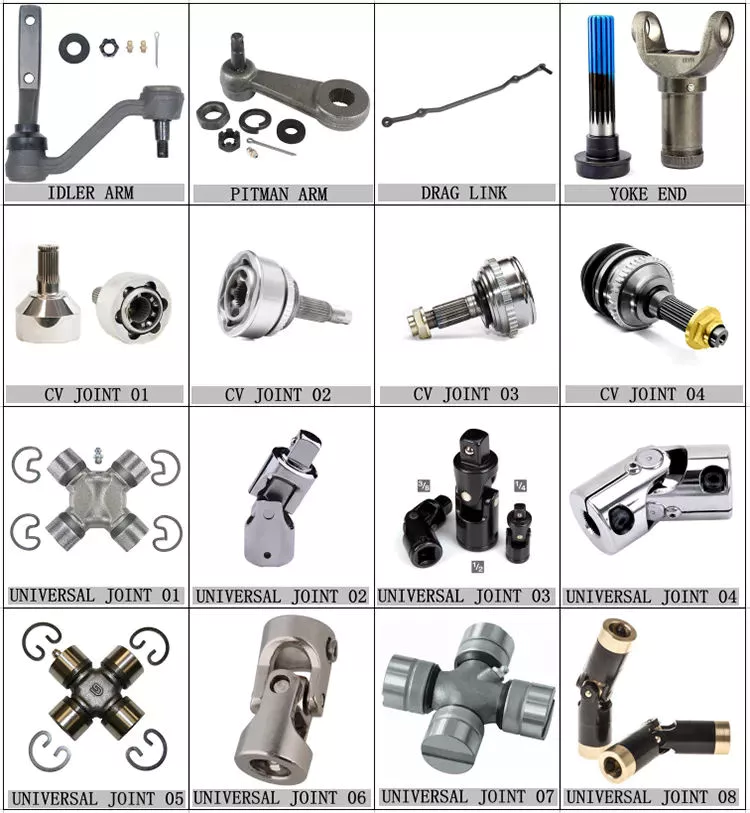
Can PTO shafts be adapted for use in both agricultural and industrial settings?
Yes, PTO (Power Take-Off) shafts can be adapted for use in both agricultural and industrial settings. While PTO shafts are commonly associated with agricultural machinery, they are versatile components that can be utilized in various applications beyond the agricultural sector. With appropriate modifications and considerations, PTO shafts can effectively transfer power in industrial settings as well. Here’s a detailed explanation of how PTO shafts can be adapted for both agricultural and industrial use:
1. Standard PTO Shaft Design: PTO shafts have a standardized design that allows for compatibility and interchangeability across different equipment and machinery. This standardization enables PTO shafts to be used in various applications, including both agricultural and industrial settings. The basic components of a PTO shaft, such as the universal joints, splined shafts, and protective guards, remain consistent, regardless of the specific application. This consistency allows for easy adaptation and integration into different machinery and equipment.
2. Shaft Length and Sizing: PTO shafts can be customized in terms of length and sizing to suit specific requirements in both agricultural and industrial settings. The length of the shaft can be adjusted to accommodate different distances between the power source and the driven machinery. This flexibility allows for optimal power transmission and ensures compatibility with various equipment setups. Similarly, the sizing of the PTO shaft, including the diameter and splined shaft specifications, can be tailored to meet the torque and power requirements of different applications, whether in agriculture or industry.
3. Power Requirements: PTO shafts are designed to transfer power from a power source to driven machinery. In agricultural settings, the power source is typically a tractor or other agricultural vehicles, while in industrial settings, it can be an engine, motor, or power unit specific to the industry. PTO shafts can be adapted to handle different power requirements by considering factors such as torque capacity, rotational speed, and the specific demands of the machinery or equipment being driven. By selecting the appropriate PTO shaft based on the power requirements, the shaft can effectively transfer power in both agricultural and industrial applications.
4. Safety Considerations: Safety is a critical aspect of PTO shaft design and usage, regardless of the application. PTO shafts incorporate safety features such as protective guards and shields to prevent accidental contact with rotating components. These safety measures are essential in agricultural and industrial settings to minimize the risk of entanglement, injury, or damage. Adapting PTO shafts for industrial use may require additional safety considerations based on the specific hazards present in industrial environments. However, the core safety principles and features of PTO shafts can be applied and adapted to ensure safe operation in both settings.
5. Specialized Attachments: PTO shafts can be equipped with specialized attachments or adapters to accommodate different driven machinery or equipment. In agricultural settings, PTO shafts commonly connect to implements such as mowers, balers, or sprayers. In industrial settings, PTO shafts may be adapted to connect to various industrial machinery, including pumps, generators, compressors, or conveyors. These specialized attachments ensure compatibility and efficient power transfer between the PTO shaft and the driven equipment, allowing for seamless integration in both agricultural and industrial applications.
6. Environmental Considerations: PTO shafts can be adapted to address specific environmental conditions in both agricultural and industrial settings. For example, in agricultural applications, PTO shafts may need to withstand exposure to dirt, dust, moisture, and varying weather conditions. Industrial settings may have their unique environmental challenges, such as exposure to chemicals, high temperatures, or abrasive materials. By selecting PTO shaft materials, protective coatings, and seals suitable for the specific environment, the shafts can be adapted to ensure reliable and durable performance in various settings.
7. Compliance with Standards: PTO shafts, whether used in agricultural or industrial settings, need to comply with relevant safety standards and regulations. Manufacturers adhere to guidelines and requirements set by organizations such as the American Society of Agricultural and Biological Engineers (ASABE) or other regional safety authorities. Compliance ensures that PTO shafts meet safety criteria and performance standards applicable to both agricultural and industrial environments. Users can rely on standardized PTO shafts that have undergone testing and certification, offering assurance regarding their reliability and safety.
By considering the factors mentioned above, PTO shafts can be adapted to effectively transfer power in both agricultural and industrial settings. The versatile nature of PTO shafts, coupled with customization options, safety considerations, specialized attachments, and compliance with standards, allows for their successful integration into a wide range of machinery and equipment across various industries.
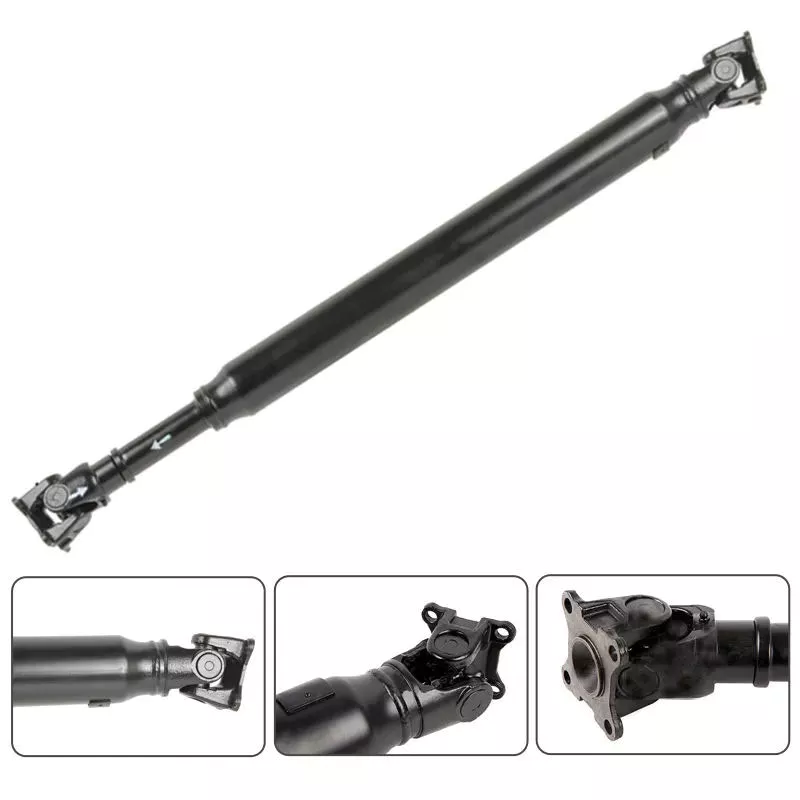
Gibt es irgendwelche Einschränkungen oder Nachteile im Zusammenhang mit Zapfwellen?
Zapfwellen bieten zwar zahlreiche Vorteile hinsichtlich Kraftübertragung und Vielseitigkeit, weisen aber auch gewisse Einschränkungen und Nachteile auf. Diese Faktoren müssen bei der Verwendung von Zapfwellen berücksichtigt werden, um einen sicheren und effizienten Betrieb zu gewährleisten. Im Folgenden finden Sie eine detaillierte Erläuterung einiger Einschränkungen und Nachteile von Zapfwellen:
1. Sicherheitsrisiken: Eine der größten Gefahren bei Zapfwellen ist das potenzielle Sicherheitsrisiko. Zapfwellen rotieren mit hoher Geschwindigkeit und können ein erhebliches Risiko darstellen, wenn sie nicht ordnungsgemäß geschützt oder gehandhabt werden. Ein versehentlicher Kontakt mit einer ungeschützten oder unzureichend geschützten Zapfwelle kann schwere Verletzungen wie Verheddern, Amputationen oder sogar Todesfälle zur Folge haben. Um diese Risiken zu minimieren, ist es unerlässlich, die Sicherheitsrichtlinien einzuhalten, geeignete Schutzvorrichtungen zu installieren und sicherzustellen, dass die Bediener in sicheren Handhabungspraktiken geschult sind.
2. Wartung und Schmierung: Zapfwellen benötigen regelmäßige Wartung und Schmierung, um optimale Leistung und Langlebigkeit zu gewährleisten. Die beweglichen Teile, wie z. B. Kreuzgelenke und Keilwellen, müssen in den empfohlenen Intervallen geprüft, gereinigt und geschmiert werden. Vernachlässigte Wartung kann zu vorzeitigem Verschleiß, verminderter Effizienz und potenziellen Ausfällen führen. Sorgfältige Wartungsmaßnahmen, einschließlich regelmäßiger Inspektionen und rechtzeitiger Schmierung, sind daher unerlässlich, um diese Probleme zu vermeiden.
3. Ausrichtung und Winkel: Zapfwellen benötigen eine präzise Ausrichtung und die richtigen Winkel, um eine effiziente Kraftübertragung zu gewährleisten. Fehlausrichtungen oder zu große Winkel zwischen Antriebsquelle und angetriebener Maschine können zu erhöhtem Verschleiß und Belastung der Bauteile und damit zu vorzeitigem Ausfall führen. Die korrekte Ausrichtung und Winkeleinstellung, beispielsweise mithilfe von verstellbaren Gleitstücken, ist daher wichtig, um übermäßige Belastungen der Zapfwelle und der zugehörigen Ausrüstung zu vermeiden.
4. Längenbeschränkungen: Zapfwellen unterliegen aufgrund technischer Gegebenheiten Längenbeschränkungen. Die Teleskopkonstruktion ermöglicht zwar eine gewisse Anpassung, jedoch ist die maximale Aus- und Einfahrlänge der Welle praktisch begrenzt. Überschreitet der Abstand zwischen Antriebsquelle und angetriebener Maschine die maximale oder unterschreitet er die minimale Länge der Zapfwelle, sind alternative Lösungen oder Modifikationen erforderlich. In manchen Fällen können zusätzliche Komponenten wie Antriebswellenverlängerungen oder Getriebe notwendig sein, um die Distanz zu überbrücken.
5. Kompatibilität: Obwohl Hersteller stets auf Kompatibilität achten, kann die Suche nach der passenden Zapfwelle für spezifische Gerätekonfigurationen dennoch eine Herausforderung darstellen. Geräte können hinsichtlich Verzahnungsgrößen, Drehmomentwerten oder Anschlussarten spezielle Anforderungen stellen, die mit handelsüblichen Zapfwellen möglicherweise nicht ohne Weiteres verfügbar oder kompatibel sind. Um diese Kompatibilitätsprobleme zu lösen, kann eine individuelle Anpassung erforderlich sein, was zu höheren Kosten oder längeren Lieferzeiten führen kann.
6. Lärm und Vibrationen: Zapfwellen können im Betrieb, insbesondere bei höheren Drehzahlen, erhebliche Geräusche und Vibrationen erzeugen. Dies kann für die Bediener störend sein und zusätzliche Maßnahmen zur Geräuschreduzierung oder Vibrationsdämpfung erforderlich machen. Übermäßige Vibrationen können zudem die Gesamtleistung und Lebensdauer der Zapfwelle und der angeschlossenen Geräte beeinträchtigen. Der Einsatz von Schwingungsdämpfern oder flexiblen Kupplungen kann diese Probleme mindern.
7. Leistungsgrenzen: Zapfwellen haben aufgrund ihrer Konstruktion, der verwendeten Materialien und Komponenten spezifische Leistungsgrenzen. Eine Überschreitung dieser Grenzen kann zu vorzeitigem Verschleiß, Bauteilausfällen oder sogar zum Bruch der Welle führen. Um einen sicheren und zuverlässigen Betrieb zu gewährleisten, ist es daher unerlässlich, die empfohlenen Nennleistungen für Zapfwellen zu kennen und einzuhalten. In manchen Fällen kann es erforderlich sein, auf eine Zapfwelle mit höherer Kapazität umzusteigen oder zusätzliche Kraftübertragungskomponenten einzusetzen, um höhere Leistungsanforderungen zu erfüllen.
8. Komplexe Montage und Demontage: Die Montage und Demontage von Zapfwellen kann ein komplexer Vorgang sein, insbesondere in beengten Räumen oder bei der Arbeit mit schweren Maschinen. Dabei müssen unter Umständen Verzahnungen ausgerichtet, Kupplungen eingerastet und Verriegelungsmechanismen gesichert werden. Unsachgemäße Montage- oder Demontageverfahren können die Welle oder die zugehörigen Bauteile beschädigen. Eine angemessene Schulung, der richtige Umgang mit den Geräten und die Einhaltung der Herstellerrichtlinien sind daher unerlässlich, um die sichere Montage und Demontage von Zapfwellen zu gewährleisten.
Trotz dieser Einschränkungen und Nachteile sind Nebenabtriebswellen in verschiedenen Branchen nach wie vor weit verbreitete und wertvolle Komponenten zur Kraftübertragung. Durch Berücksichtigung dieser Aspekte und die Implementierung geeigneter Sicherheitsmaßnahmen, Wartungspraktiken und Ausrichtungsverfahren lassen sich die potenziellen Nachteile von Nebenabtriebswellen wirksam minimieren und ein sicherer und effizienter Betrieb gewährleisten.

Which industries commonly use PTO shafts for power transmission?
PTO shafts (Power Take-Off shafts) are widely used in various industries where power transmission is required to drive machinery and equipment. Their versatility, efficiency, and compatibility with different types of machinery make them valuable components in several sectors. Here’s a detailed explanation of the industries that commonly use PTO shafts for power transmission:
1. Agriculture: The agricultural industry extensively relies on PTO shafts for power transmission. Tractors equipped with PTOs are commonly used to drive a wide range of agricultural implements and machinery. PTO-driven equipment includes mowers, balers, tillers, seeders, sprayers, grain augers, harvesters, and many more. PTO shafts allow for the efficient transfer of power from the tractor’s engine to these implements, enabling various agricultural operations such as cutting, baling, tilling, planting, spraying, and harvesting. The agricultural sector heavily depends on PTO shafts to enhance productivity and streamline farming processes.
2. Construction and Earthmoving: In the construction and earthmoving industry, PTO shafts find applications in machinery used for excavation, grading, and material handling. PTO-driven equipment such as backhoes, loaders, excavators, trenchers, and stump grinders utilize PTO shafts to transfer power from the prime movers, typically hydraulic systems, to drive the necessary attachments. These attachments require the high torque and power provided by PTO shafts to perform tasks like digging, loading, trenching, and grinding. PTO shafts allow for versatile and efficient power transmission in construction and earthmoving operations.
3. Forestry: The forestry industry utilizes PTO shafts for power transmission in various logging and timber processing equipment. PTO-driven machinery such as wood chippers, sawmills, log splitters, and debarkers rely on PTO shafts to transfer power from tractors or dedicated power units to perform tasks like chipping, sawing, splitting, and debarking wood. PTO shafts provide the necessary power and torque to drive the cutting and processing mechanisms, enabling efficient and productive forestry operations.
4. Landscaping and Groundskeeping: PTO shafts play a crucial role in the landscaping and groundskeeping industry. Equipment like lawn mowers, rotary cutters, flail mowers, and aerators utilize PTO shafts to transfer power from tractors or dedicated power units to drive the cutting or grooming mechanisms. PTO shafts enable efficient power transmission, allowing operators to maintain lawns, parks, golf courses, and other outdoor spaces with precision and productivity.
5. Mining and Quarrying: PTO shafts have applications in the mining and quarrying industry, particularly in equipment used for material extraction, crushing, and screening. PTO-driven machinery such as crushers, screeners, and conveyors rely on PTO shafts to transfer power from engines or motors to drive the crushing and screening mechanisms, as well as the material handling systems. PTO shafts provide the necessary power and torque to process and transport bulk materials effectively in mining and quarrying operations.
6. Industrial Manufacturing: PTO shafts are utilized in various industrial manufacturing processes that require power transmission to drive specific machinery and equipment. Industries such as food processing, textile manufacturing, paper production, and chemical processing may use PTO-driven machinery for tasks like mixing, blending, cutting, extruding, and conveying. PTO shafts enable efficient power transfer to these machines, ensuring smooth and reliable operation in industrial manufacturing settings.
7. Utilities and Infrastructure Maintenance: PTO shafts find applications in utilities and infrastructure maintenance operations. Equipment like street sweepers, sewer cleaners, road maintenance machines, and drain augers utilize PTO shafts to transfer power from trucks or dedicated power units to perform tasks like sweeping, cleaning, and maintenance of roads, sewers, and other public infrastructure. PTO shafts enable efficient power transmission, ensuring effective and reliable operation of these utility and maintenance machines.
8. Others: PTO shafts are also used in several other industries and sectors where power transmission is required. This includes applications in the transportation industry for powering refrigeration units, fuel pumps, and hydraulic systems in trucks and trailers. PTO shafts also find applications in the marine industry for powering winches, pumps, and other equipment on boats and ships.
In summary, PTO shafts are commonly used in a wide range of industries for power transmission. These industries include agriculture, construction and earthmoving, forestry, landscaping and groundskeeping, mining and quarrying, industrial manufacturing, utilities and infrastructure maintenance, transportation, and marine sectors. PTO shafts play a critical rolein enhancing productivity, enabling efficient operation of machinery, and facilitating various tasks in these industries.

editor by CX 2024-02-23

























