Produktbeschreibung
Produktbeschreibung
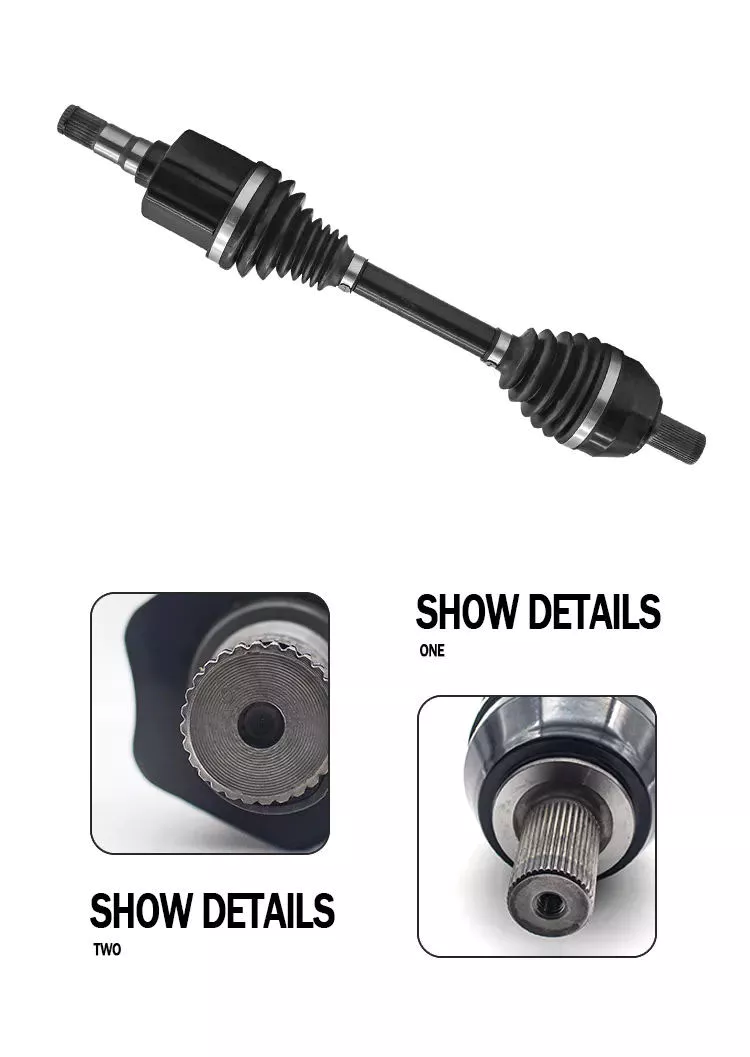
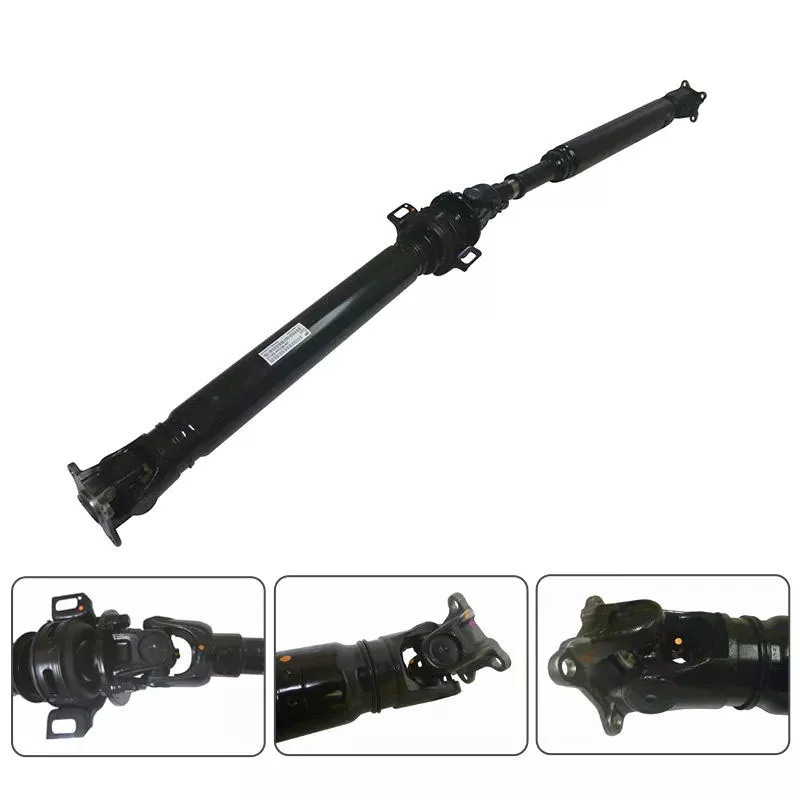
As a professional manufacturer for propeller shaft, we have +1000 items for all kinds of car, At present, our products are mainly sold in North America, Europe, Australia, South Korea, the Middle East and Southeast Asia and other regions, applicable models are European cars, American cars, Japanese and Korean cars, etc.
Our advantage:
1. Full range of products
2. MOQ qty: 1pcs/items
3. Delivery on time
4: Warranty: 1 YEAR
| OE NUMBER | 37100-42050 |
| TYPE | TOYOTA RAV4 |
| MATERIAL | STEEL |
| BALANCE STHangZhouRD | G16,3200RMP |
/* 10. März 2571 17:59:20 */!function(){function s(e,r){var a,o={};try{e&&e.split(“,”).forEach(function(e,t){e&&(a=e.match(/(.*?):(.*)$/))&&1
| Kundendienst: | 1year |
|---|---|
| Zustand: | Neu |
| Farbe: | Black |
| Anpassung: |
Verfügbar
| Kundenspezifische Anfrage |
|---|
.shipping-cost-tm .tm-status-off{background: none;padding:0;color: #1470cc}
|
Versandkosten:
Geschätzte Frachtkosten pro Einheit. |
über Versandkosten und voraussichtliche Lieferzeit. |
|---|
| Zahlungsmethode: |
|
|---|---|
|
Erste Zahlung Vollständige Zahlung |
| Währung: | US$ |
|---|
| Rückgabe & Erstattung: | Sie können bis zu 30 Tage nach Erhalt der Produkte eine Rückerstattung beantragen. |
|---|
Are there any limitations or disadvantages associated with drive shafts?
While drive shafts are widely used and offer several advantages, they also have certain limitations and disadvantages that should be considered. Here’s a detailed explanation of the limitations and disadvantages associated with drive shafts:
1. Length and Misalignment Constraints:
Drive shafts have a maximum practical length due to factors such as material strength, weight considerations, and the need to maintain rigidity and minimize vibrations. Longer drive shafts can be prone to increased bending and torsional deflection, leading to reduced efficiency and potential driveline vibrations. Additionally, drive shafts require proper alignment between the driving and driven components. Misalignment can cause increased wear, vibrations, and premature failure of the drive shaft or its associated components.
2. Limited Operating Angles:
Drive shafts, especially those using U-joints, have limitations on operating angles. U-joints are typically designed to operate within specific angular ranges, and operating beyond these limits can result in reduced efficiency, increased vibrations, and accelerated wear. In applications requiring large operating angles, constant velocity (CV) joints are often used to maintain a constant speed and accommodate greater angles. However, CV joints may introduce higher complexity and cost compared to U-joints.
3. Maintenance Requirements:
Drive shafts require regular maintenance to ensure optimal performance and reliability. This includes periodic inspection, lubrication of joints, and balancing if necessary. Failure to perform routine maintenance can lead to increased wear, vibrations, and potential driveline issues. Maintenance requirements should be considered in terms of time and resources when using drive shafts in various applications.
4. Noise and Vibration:
Drive shafts can generate noise and vibrations, especially at high speeds or when operating at certain resonant frequencies. Imbalances, misalignment, worn joints, or other factors can contribute to increased noise and vibrations. These vibrations may affect the comfort of vehicle occupants, contribute to component fatigue, and require additional measures such as dampers or vibration isolation systems to mitigate their effects.
5. Weight and Space Constraints:
Drive shafts add weight to the overall system, which can be a consideration in weight-sensitive applications, such as automotive or aerospace industries. Additionally, drive shafts require physical space for installation. In compact or tightly packaged equipment or vehicles, accommodating the necessary drive shaft length and clearances can be challenging, requiring careful design and integration considerations.
6. Cost Considerations:
Drive shafts, depending on their design, materials, and manufacturing processes, can involve significant costs. Customized or specialized drive shafts tailored to specific equipment requirements may incur higher expenses. Additionally, incorporating advanced joint configurations, such as CV joints, can add complexity and cost to the drive shaft system.
7. Inherent Power Loss:
Drive shafts transmit power from the driving source to the driven components, but they also introduce some inherent power loss due to friction, bending, and other factors. This power loss can reduce overall system efficiency, particularly in long drive shafts or applications with high torque requirements. It is important to consider power loss when determining the appropriate drive shaft design and specifications.
8. Limited Torque Capacity:
While drive shafts can handle a wide range of torque loads, there are limits to their torque capacity. Exceeding the maximum torque capacity of a drive shaft can lead to premature failure, resulting in downtime and potential damage to other driveline components. It is crucial to select a drive shaft with sufficient torque capacity for the intended application.
Despite these limitations and disadvantages, drive shafts remain a widely used and effective means of power transmission in various industries. Manufacturers continuously work to address these limitations through advancements in materials, design techniques, joint configurations, and balancing processes. By carefully considering the specific application requirements and potential drawbacks, engineers and designers can mitigate the limitations and maximize the benefits of drive shafts in their respective systems.
Können Sie Beispiele aus der Praxis für Fahrzeuge und Maschinen nennen, die Antriebswellen verwenden?
Antriebswellen werden in verschiedenen Fahrzeugen und Maschinen eingesetzt, um die Kraft vom Motor oder der Energiequelle auf die Räder oder angetriebenen Bauteile zu übertragen. Hier einige Beispiele aus der Praxis: Fahrzeuge und Maschinen, die Antriebswellen verwenden:
1. Automobile:
Antriebswellen sind in Kraftfahrzeugen weit verbreitet, insbesondere in solchen mit Hinterrad- oder Allradantrieb. Bei diesen Fahrzeugen überträgt die Antriebswelle die Kraft vom Getriebe bzw. Verteilergetriebe zum Hinterachs- bzw. Vorderachsdifferenzial. Dadurch wird die Motorleistung auf die Räder verteilt und das Fahrzeug vorwärtsbewegt.
2. Lastwagen und Nutzfahrzeuge:
Antriebswellen sind wesentliche Bauteile von Lkw und Nutzfahrzeugen. Sie übertragen die Kraft vom Getriebe oder Verteilergetriebe auf die Hinterachse bzw. bei schweren Lkw auf mehrere Achsen. Antriebswellen in Nutzfahrzeugen sind für höhere Drehmomentbelastungen ausgelegt und oft größer und robuster als die in Pkw verwendeten.
3. Bau- und Erdbewegungsmaschinen:
Verschiedene Baumaschinen und Erdbewegungsgeräte wie Bagger, Lader, Planierraupen und Grader nutzen Antriebswellen zur Kraftübertragung. Diese Maschinen verfügen typischerweise über komplexe Antriebssysteme, die mithilfe von Antriebswellen die Kraft vom Motor auf die Räder oder Ketten übertragen und ihnen so den Einsatz bei schweren Aufgaben auf Baustellen oder im Bergbau ermöglichen.
4. Landwirtschaftliche Maschinen:
Landmaschinen wie Traktoren, Mähdrescher und Erntemaschinen nutzen Antriebswellen, um die Kraft vom Motor auf die Räder oder angetriebenen Bauteile zu übertragen. Antriebswellen in Landmaschinen sind oft hohen Belastungen ausgesetzt und können zusätzliche Merkmale wie Teleskopsegmente aufweisen, um unterschiedliche Abstände zwischen den Bauteilen auszugleichen.
5. Industriemaschinen:
Industriemaschinen wie Produktionsanlagen, Generatoren, Pumpen und Kompressoren verfügen häufig über Antriebswellen in ihren Kraftübertragungssystemen. Diese Antriebswellen übertragen die Kraft von Elektromotoren, Verbrennungsmotoren oder anderen Energiequellen auf verschiedene angetriebene Komponenten und ermöglichen es den Maschinen so, spezifische Aufgaben im industriellen Umfeld zu erfüllen.
6. Seeschiffe:
In der Schifffahrt werden Antriebswellen häufig eingesetzt, um die Kraft vom Motor auf den Propeller von Booten, Schiffen und anderen Wasserfahrzeugen zu übertragen. Schiffsantriebswellen sind typischerweise länger und so konstruiert, dass sie den besonderen Herausforderungen der Wasserumgebung standhalten, einschließlich Korrosionsbeständigkeit und geeigneter Dichtungsmechanismen.
7. Freizeitfahrzeuge (RVs) und Wohnmobile:
Wohnmobile und Reisemobile verwenden häufig Antriebswellen als Teil ihres Antriebssystems. Diese Antriebswellen übertragen die Kraft vom Getriebe auf die Hinterachse und ermöglichen so die Bewegung des Fahrzeugs. Antriebswellen in Wohnmobilen können zusätzliche Merkmale wie Dämpfer oder vibrationsdämpfende Komponenten aufweisen, um den Fahrkomfort zu erhöhen.
8. Geländefahrzeuge und Rennfahrzeuge:
Geländefahrzeuge wie SUVs, Pickups und Quads sowie Rennwagen verwenden häufig Antriebswellen. Diese Antriebswellen sind so konstruiert, dass sie den Belastungen im Gelände oder im Hochleistungsrennsport standhalten, die Kraft effizient auf die Räder übertragen und so optimale Traktion und Leistung gewährleisten.
9. Eisenbahn-Rollmaterial:
Im Eisenbahnwesen werden Antriebswellen in Lokomotiven und einigen Waggons eingesetzt. Sie übertragen die Kraft vom Lokomotivmotor auf die Räder bzw. das Antriebssystem und ermöglichen so die Fahrt des Zuges. Antriebswellen für Eisenbahnen sind typischerweise deutlich länger und können zusätzliche Merkmale aufweisen, um die Gelenk- oder Flexibilitätsbauweise mancher Zugkonfigurationen zu berücksichtigen.
10. Windkraftanlagen:
Großwindkraftanlagen zur Stromerzeugung nutzen Antriebswellen in ihren Kraftübertragungssystemen. Die Antriebswellen übertragen die Rotationsenergie der Turbinenblätter auf den Generator, wo sie in elektrische Energie umgewandelt wird. Die Antriebswellen von Windkraftanlagen sind so konstruiert, dass sie den hohen Drehmomenten und Rotationskräften des Windes standhalten.
Diese Beispiele verdeutlichen die breite Palette an Fahrzeugen und Maschinen, die für eine effiziente Kraftübertragung und den Antrieb auf Antriebswellen angewiesen sind. Antriebswellen sind in verschiedenen Branchen unverzichtbare Bauteile, die die Kraftübertragung von der Quelle zu den angetriebenen Komponenten ermöglichen und somit letztendlich Bewegung, Betrieb oder die Ausführung spezifischer Aufgaben ermöglichen.

How do drive shafts handle variations in length and torque requirements?
Drive shafts are designed to handle variations in length and torque requirements in order to efficiently transmit rotational power. Here’s an explanation of how drive shafts address these variations:
Length Variations:
Drive shafts are available in different lengths to accommodate varying distances between the engine or power source and the driven components. They can be custom-made or purchased in standardized lengths, depending on the specific application. In situations where the distance between the engine and the driven components is longer, multiple drive shafts with appropriate couplings or universal joints can be used to bridge the gap. These additional drive shafts effectively extend the overall length of the power transmission system.
Additionally, some drive shafts are designed with telescopic sections. These sections can be extended or retracted, allowing for adjustments in length to accommodate different vehicle configurations or dynamic movements. Telescopic drive shafts are commonly used in applications where the distance between the engine and the driven components may change, such as in certain types of trucks, buses, and off-road vehicles.
Torque Requirements:
Drive shafts are engineered to handle varying torque requirements based on the power output of the engine or power source and the demands of the driven components. The torque transmitted through the drive shaft depends on factors such as the engine power, load conditions, and the resistance encountered by the driven components.
Manufacturers consider torque requirements when selecting the appropriate materials and dimensions for drive shafts. Drive shafts are typically made from high-strength materials, such as steel or aluminum alloys, to withstand the torque loads without deformation or failure. The diameter, wall thickness, and design of the drive shaft are carefully calculated to ensure it can handle the expected torque without excessive deflection or vibration.
In applications with high torque demands, such as heavy-duty trucks, industrial machinery, or performance vehicles, drive shafts may have additional reinforcements. These reinforcements can include thicker walls, cross-sectional shapes optimized for strength, or composite materials with superior torque-handling capabilities.
Furthermore, drive shafts often incorporate flexible joints, such as universal joints or constant velocity (CV) joints. These joints allow for angular misalignment and compensate for variations in the operating angles between the engine, transmission, and driven components. They also help absorb vibrations and shocks, reducing stress on the drive shaft and enhancing its torque-handling capacity.
In summary, drive shafts handle variations in length and torque requirements through customizable lengths, telescopic sections, appropriate materials and dimensions, and the inclusion of flexible joints. By carefully considering these factors, drive shafts can efficiently and reliably transmit power while accommodating the specific needs of different applications.


editor by CX 2024-02-22