
Produktbeschreibung
Produktbeschreibung
Drive Shaft for FS160 FS220 FS280 Grass Trimmer
| Name | Brush Cutter Drive Shaft |
| Fit Machine | Fit FS160 FS220 FS280 |
| Color | Silber |
| Material | Iron |
Detailed Photos
Packaging & Shipping
Company Profile
Customer Feedback
We Can do READY TO SHIP
1.24 HOURS SHIPPMENT
2.MIN. ORDER:1 PIECE
3.MORE THAN 10000 PARTS IN STOCK
FAQ
1.WHAT IS YOUR WARRANTY TERM?
Our company offer 1% free spare parts to FCL order.There is a 12months warranty for our export products
from the date of the shipment.If warranty has run out,our customer should pay for the replacement parts.
2.IS THE SAMPLE AVAILABLE?
YES,Usually we send the samples by TNT,DHL,FEDEX or UPS,it will take around 3 days for our customers
to receive them,but customer will charge all cost related to the samples,such as sample cost and airmail
freight.We will refund our customer the sample cost after receiving its order
3.WHAT IS YOUR MOQ?
The minimum order amount should be at last USD5,000.00
4.CAN I USE MY OWN LOGO AND DESIGN ON PRODUCTS?
YES,OEM is welcomed
5.HOW LONG IS THE DELIVERY TIME?
A:2-7 days for the sample order
B:20-30 days for LCL or FCL order
About PARADISE
HangZhou Paradise Garden Tools Co., Ltd. is a global manufacturer in the outdoor power equipment parts industry Since 2013, Our Product Line covers most of the well- known O E M’s in the market. The replacement spare parts fits for chainsaw, brush cutter, earth auger, Sprayer, lawn mover, water pump, generator, High pressure washer, Compressor, Welding machine, Construction machine and other garden tools.
Paradise garden warehouse have more than 30000 pcs different parts in stock, can ship fast. The products are exported to more than 60 countries and regions including South Korea, Vietnam, India, Thailand, Russia, the United Kingdom, Canada, the United States, Brazil, Mexico, Ukraine. Besides offering great prices and product to the wholesale customer, we are also continuing to focus on the Small Business Owner. We continue to ship most orders within 1 business day and offer significant savings.
All Paradise products benefit from the latest technology in their design and manufacture, providing excellent ergonomics, outstanding performance, efficiency. engineered for durability and best cost performance. We continue to offer the same superior customer service that we did over 12 years ago and treat each order with the same utmost care and respect as we did with the very first order.
With production inspect system and development teams, Paradise are become 1 of the leader for garden tools spare parts supplier in China.
/* 10. März 2571 17:59:20 */!function(){function s(e,r){var a,o={};try{e&&e.split(“,”).forEach(function(e,t){e&&(a=e.match(/(.*?):(.*)$/))&&1
| Zertifizierung: | CE |
|---|---|
| Power Source: | Gasoline |
| Typ: | Brush Cutter Spare Parts |
| Fit Model: | FS160 FS220 FS280 |
| Packing: | 1PC/Poly Bag |
| Besonderheit: | Replacement Brush Cutter Parts |
| Proben: |
US$ 0/Piece
1 Stück (Mindestbestellmenge) | |
|---|
| Anpassung: |
Verfügbar
| Kundenspezifische Anfrage |
|---|
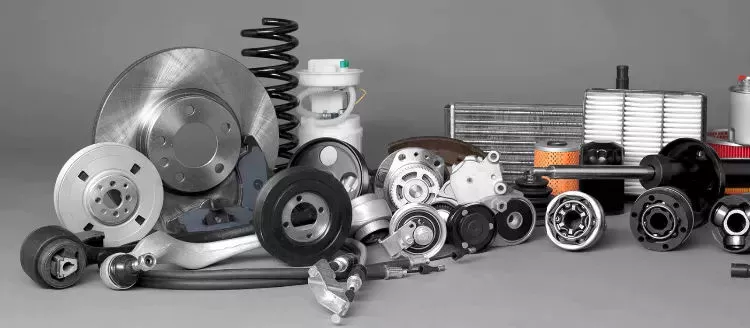
Can drive shafts be adapted for use in both automotive and industrial settings?
Yes, drive shafts can be adapted for use in both automotive and industrial settings. While there may be some differences in design and specifications based on the specific application requirements, the fundamental principles and functions of drive shafts remain applicable in both contexts. Here’s a detailed explanation:
1. Power Transmission:
Drive shafts serve the primary purpose of transmitting rotational power from a power source, such as an engine or motor, to driven components, which can be wheels, machinery, or other mechanical systems. This fundamental function applies to both automotive and industrial settings. Whether it’s delivering power to the wheels of a vehicle or transferring torque to industrial machinery, the basic principle of power transmission remains the same for drive shafts in both contexts.
2. Designüberlegungen:
While there may be variations in design based on specific applications, the core design considerations for drive shafts are similar in both automotive and industrial settings. Factors such as torque requirements, operating speeds, length, and material selection are taken into account in both cases. Automotive drive shafts are typically designed to accommodate the dynamic nature of vehicle operation, including variations in speed, angles, and suspension movement. Industrial drive shafts, on the other hand, may be designed for specific machinery and equipment, taking into consideration factors such as load capacity, operating conditions, and alignment requirements. However, the underlying principles of ensuring proper dimensions, strength, and balance are essential in both automotive and industrial drive shaft designs.
3. Material Selection:
The material selection for drive shafts is influenced by the specific requirements of the application, whether in automotive or industrial settings. In automotive applications, drive shafts are commonly made from materials such as steel or aluminum alloys, chosen for their strength, durability, and ability to withstand varying operating conditions. In industrial settings, drive shafts may be made from a broader range of materials, including steel, stainless steel, or even specialized alloys, depending on factors such as load capacity, corrosion resistance, or temperature tolerance. The material selection is tailored to meet the specific needs of the application while ensuring efficient power transfer and durability.
4. Joint Configurations:
Both automotive and industrial drive shafts may incorporate various joint configurations to accommodate the specific requirements of the application. Universal joints (U-joints) are commonly used in both contexts to allow for angular movement and compensate for misalignment between the drive shaft and driven components. Constant velocity (CV) joints are also utilized, particularly in automotive drive shafts, to maintain a constant velocity of rotation and accommodate varying operating angles. These joint configurations are adapted and optimized based on the specific needs of automotive or industrial applications.
5. Maintenance and Service:
While maintenance practices may vary between automotive and industrial settings, the importance of regular inspection, lubrication, and balancing remains crucial in both cases. Both automotive and industrial drive shafts benefit from periodic maintenance to ensure optimal performance, identify potential issues, and prolong the lifespan of the drive shafts. Lubrication of joints, inspection for wear or damage, and balancing procedures are common maintenance tasks for drive shafts in both automotive and industrial applications.
6. Customization and Adaptation:
Drive shafts can be customized and adapted to meet the specific requirements of various automotive and industrial applications. Manufacturers often offer drive shafts with different lengths, diameters, and joint configurations to accommodate a wide range of vehicles or machinery. This flexibility allows for the adaptation of drive shafts to suit the specific torque, speed, and dimensional requirements of different applications, whether in automotive or industrial settings.
In summary, drive shafts can be adapted for use in both automotive and industrial settings by considering the specific requirements of each application. While there may be variations in design, materials, joint configurations, and maintenance practices, the fundamental principles of power transmission, design considerations, and customization options remain applicable in both contexts. Drive shafts play a crucial role in both automotive and industrial applications, enabling efficient power transfer and reliable operation in a wide range of mechanical systems.
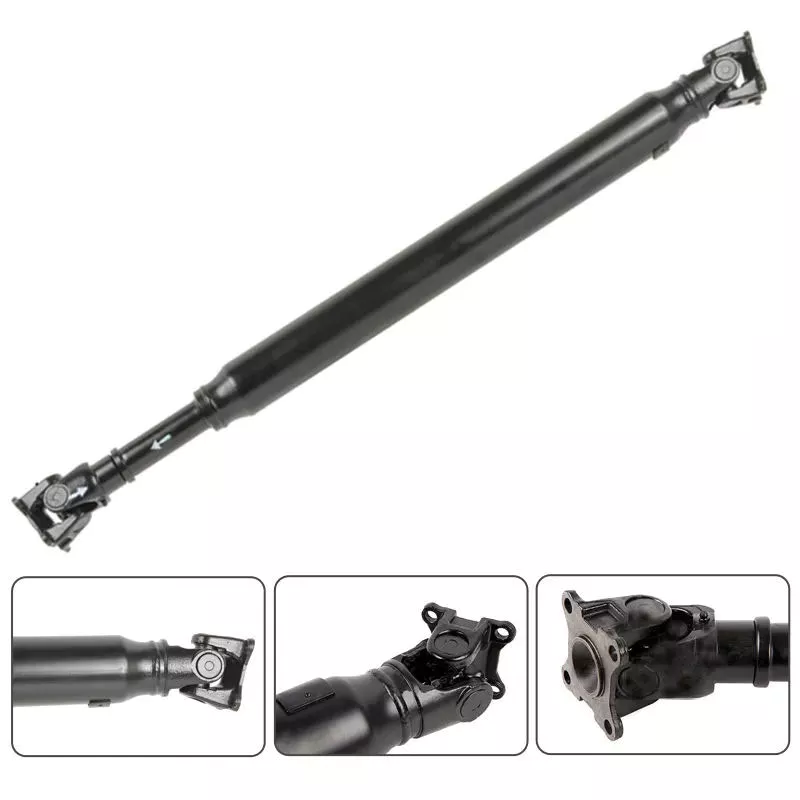
Können Antriebswellen an spezifische Fahrzeug- oder Geräteanforderungen angepasst werden?
Ja, Antriebswellen lassen sich individuell an die spezifischen Anforderungen von Fahrzeugen oder Geräten anpassen. Durch diese Anpassung können Hersteller Design, Abmessungen, Materialien und weitere Parameter der Antriebswelle so gestalten, dass Kompatibilität und optimale Leistung im jeweiligen Fahrzeug oder Gerät gewährleistet sind. Hier finden Sie eine detaillierte Erklärung zur individuellen Anpassung von Antriebswellen:
1. Maßliche Anpassung:
Antriebswellen lassen sich individuell an die Maßvorgaben des jeweiligen Fahrzeugs oder Geräts anpassen. Dies umfasst die Anpassung von Gesamtlänge, Durchmesser und Verzahnungskonfiguration, um eine optimale Passform und ausreichende Freiräume in der jeweiligen Anwendung zu gewährleisten. Durch die individuelle Anpassung der Abmessungen kann die Antriebswelle nahtlos und ohne Einschränkungen in den Antriebsstrang integriert werden.
2. Materialauswahl:
Die Materialwahl für Antriebswellen kann individuell an die spezifischen Anforderungen des jeweiligen Fahrzeugs oder Geräts angepasst werden. Verschiedene Werkstoffe, wie beispielsweise Stahllegierungen, Aluminiumlegierungen oder spezielle Verbundwerkstoffe, können ausgewählt werden, um Festigkeit, Gewicht und Haltbarkeit zu optimieren. Die Materialauswahl wird auf Drehmoment, Drehzahl und Betriebsbedingungen der Anwendung abgestimmt und gewährleistet so die Zuverlässigkeit und Langlebigkeit der Antriebswelle.
3. Gelenkkonfiguration:
Antriebswellen lassen sich mit verschiedenen Gelenkkonfigurationen an die spezifischen Anforderungen von Fahrzeugen oder Geräten anpassen. So eignen sich beispielsweise Kreuzgelenke (U-Gelenke) für Anwendungen mit geringeren Betriebswinkeln und moderaten Drehmomentanforderungen, während Gleichlaufgelenke (CV-Gelenke) häufig bei Anwendungen mit höheren Betriebswinkeln und einer gleichmäßigeren Kraftübertragung zum Einsatz kommen. Die Wahl der Gelenkkonfiguration hängt von Faktoren wie Betriebswinkel, Drehmomentkapazität und den gewünschten Leistungseigenschaften ab.
4. Drehmoment- und Leistungskapazität:
Durch die individuelle Anpassung können Antriebswellen mit dem passenden Drehmoment und der optimalen Leistungskapazität für das jeweilige Fahrzeug oder Gerät konstruiert werden. Hersteller analysieren die Drehmomentanforderungen, Betriebsbedingungen und Sicherheitsmargen der Anwendung, um die optimale Drehmoment- und Leistungskapazität der Antriebswelle zu ermitteln. Dies gewährleistet, dass die Antriebswelle die erforderlichen Lasten ohne vorzeitigen Ausfall oder Leistungseinbußen bewältigen kann.
5. Auswuchten und Schwingungsdämpfung:
Antriebswellen lassen sich durch präzises Auswuchten und Schwingungsdämpfung individuell anpassen. Unwuchten in der Antriebswelle können zu Vibrationen, erhöhtem Verschleiß und potenziellen Problemen im Antriebsstrang führen. Durch den Einsatz dynamischer Auswuchtverfahren im Fertigungsprozess können Hersteller Vibrationen minimieren und einen ruhigen Lauf gewährleisten. Zusätzlich lassen sich Schwingungsdämpfer oder Isolationssysteme in die Antriebswellenkonstruktion integrieren, um Vibrationen weiter zu reduzieren und die Gesamtleistung des Systems zu verbessern.
6. Überlegungen zur Integration und Montage:
Die kundenspezifische Anfertigung von Antriebswellen berücksichtigt die Integrations- und Montageanforderungen des jeweiligen Fahrzeugs oder Geräts. Die Hersteller arbeiten eng mit den Fahrzeug- oder Gerätekonstrukteuren zusammen, um einen nahtlosen Einbau der Antriebswelle in das Antriebssystem zu gewährleisten. Dies umfasst die Anpassung der Befestigungspunkte, Schnittstellen und Freiräume, um die korrekte Ausrichtung und den Einbau der Antriebswelle im Fahrzeug oder Gerät sicherzustellen.
7. Zusammenarbeit und Feedback:
Hersteller arbeiten häufig mit Fahrzeugherstellern, OEMs (Original Equipment Manufacturers) oder Endnutzern zusammen, um Feedback zu erhalten und deren spezifische Anforderungen in den Anpassungsprozess der Antriebswelle einfließen zu lassen. Durch die aktive Einholung von Anregungen und Feedback können Hersteller auf spezifische Bedürfnisse eingehen, die Leistung optimieren und die Kompatibilität mit dem Fahrzeug oder der Ausrüstung sicherstellen. Dieser partnerschaftliche Ansatz verbessert den Anpassungsprozess und führt zu Antriebswellen, die exakt den Anforderungen der jeweiligen Anwendung entsprechen.
8. Einhaltung von Standards:
Kundenspezifische Antriebswellen können so konstruiert werden, dass sie den relevanten Industrienormen und -vorschriften entsprechen. Die Einhaltung von Normen wie ISO (Internationale Organisation für Normung) oder branchenspezifischen Standards gewährleistet, dass die kundenspezifischen Antriebswellen die Qualitäts-, Sicherheits- und Leistungsanforderungen erfüllen. Die Beachtung dieser Normen garantiert die Kompatibilität der Antriebswellen und deren nahtlose Integration in das jeweilige Fahrzeug oder Gerät.
Zusammenfassend lässt sich sagen, dass Antriebswellen durch individuelle Anpassung der Abmessungen, Materialauswahl, Gelenkkonfiguration, Optimierung von Drehmoment und Leistung, Auswuchten und Schwingungsdämpfung, Integrations- und Montageaspekte, Zusammenarbeit mit relevanten Partnern und Einhaltung von Industriestandards an die spezifischen Anforderungen von Fahrzeugen oder Geräten angepasst werden können. Diese individuelle Anpassung ermöglicht es, Antriebswellen präzise auf die jeweiligen Anwendungsbedürfnisse abzustimmen und so Kompatibilität, Zuverlässigkeit und optimale Leistung zu gewährleisten.

Can you explain the different types of drive shafts and their specific applications?
Drive shafts come in various types, each designed to suit specific applications and requirements. The choice of drive shaft depends on factors such as the type of vehicle or equipment, power transmission needs, space limitations, and operating conditions. Here’s an explanation of the different types of drive shafts and their specific applications:
1. Solid Shaft:
A solid shaft, also known as a one-piece or solid-steel drive shaft, is a single, uninterrupted shaft that runs from the engine or power source to the driven components. It is a simple and robust design used in many applications. Solid shafts are commonly found in rear-wheel-drive vehicles, where they transmit power from the transmission to the rear axle. They are also used in industrial machinery, such as pumps, generators, and conveyors, where a straight and rigid power transmission is required.
2. Tubular Shaft:
Tubular shafts, also called hollow shafts, are drive shafts with a cylindrical tube-like structure. They are constructed with a hollow core and are typically lighter than solid shafts. Tubular shafts offer benefits such as reduced weight, improved torsional stiffness, and better damping of vibrations. They find applications in various vehicles, including cars, trucks, and motorcycles, as well as in industrial equipment and machinery. Tubular drive shafts are commonly used in front-wheel-drive vehicles, where they connect the transmission to the front wheels.
3. Constant Velocity (CV) Shaft:
Constant Velocity (CV) shafts are specifically designed to handle angular movement and maintain a constant velocity between the engine/transmission and the driven components. They incorporate CV joints at both ends, which allow flexibility and compensation for changes in angle. CV shafts are commonly used in front-wheel-drive and all-wheel-drive vehicles, as well as in off-road vehicles and certain heavy machinery. The CV joints enable smooth power transmission even when the wheels are turned or the suspension moves, reducing vibrations and improving overall performance.
4. Slip Joint Shaft:
Slip joint shafts, also known as telescopic shafts, consist of two or more tubular sections that can slide in and out of each other. This design allows for length adjustment, accommodating changes in distance between the engine/transmission and the driven components. Slip joint shafts are commonly used in vehicles with long wheelbases or adjustable suspension systems, such as some trucks, buses, and recreational vehicles. By providing flexibility in length, slip joint shafts ensure a constant power transfer, even when the vehicle chassis experiences movement or changes in suspension geometry.
5. Double Cardan Shaft:
A double Cardan shaft, also referred to as a double universal joint shaft, is a type of drive shaft that incorporates two universal joints. This configuration helps to reduce vibrations and minimize the operating angles of the joints, resulting in smoother power transmission. Double Cardan shafts are commonly used in heavy-duty applications, such as trucks, off-road vehicles, and agricultural machinery. They are particularly suitable for applications with high torque requirements and large operating angles, providing enhanced durability and performance.
6. Composite Shaft:
Composite shafts are made from composite materials such as carbon fiber or fiberglass, offering advantages such as reduced weight, improved strength, and resistance to corrosion. Composite drive shafts are increasingly being used in high-performance vehicles, sports cars, and racing applications, where weight reduction and enhanced power-to-weight ratio are critical. The composite construction allows for precise tuning of stiffness and damping characteristics, resulting in improved vehicle dynamics and drivetrain efficiency.
7. PTO Shaft:
Power Take-Off (PTO) shafts are specialized drive shafts used in agricultural machinery and certain industrial equipment. They are designed to transfer power from the engine or power source to various attachments, such as mowers, balers, or pumps. PTO shafts typically have a splined connection at one end to connect to the power source and a universal joint at the other end to accommodate angular movement. They are characterized by their ability to transmit high torque levels and their compatibility with a range of driven implements.
8. Marine Shaft:
Marine shafts, also known as propeller shafts or tail shafts, are specifically designed for marine vessels. They transmit power from the engine to the propeller, enabling propulsion. Marine shafts are usually long and operate in a harsh environment, exposed to water, corrosion, and high torque loads. They are typically made of stainless steel or other corrosion-resistant materials and are designed to withstand the challenging conditions encountered in marine applications.
It’simportant to note that the specific applications of drive shafts may vary depending on the vehicle or equipment manufacturer, as well as the specific design and engineering requirements. The examples provided above highlight common applications for each type of drive shaft, but there may be additional variations and specialized designs based on specific industry needs and technological advancements.


editor by CX 2024-02-11

























