
وصف المنتج
OEM ODM Cardan Transmission Tractor Parts Pto Drive Shaft for Agriculture Machinery
1. الأنابيب أو المواسير
لدينا بالفعل أنابيب ذات شكل مثلثي وأنابيب ذات شكل ليموني لجميع السلاسل التي نقدمها.
ولدينا بعض الأنابيب النجمية، والأنابيب ذات الحواف المسننة، وأنواع أخرى من الأنابيب ذات الأشكال المختلفة التي يطلبها عملاؤنا (لسلسلة معينة). (يرجى ملاحظة أن كتالوجنا لا يحتوي على جميع المنتجات التي نصنعها).
إذا كنت ترغب في أنابيب أخرى غير الأنابيب المثلثة أو الليمونية، فيرجى تقديم رسومات أو صور.
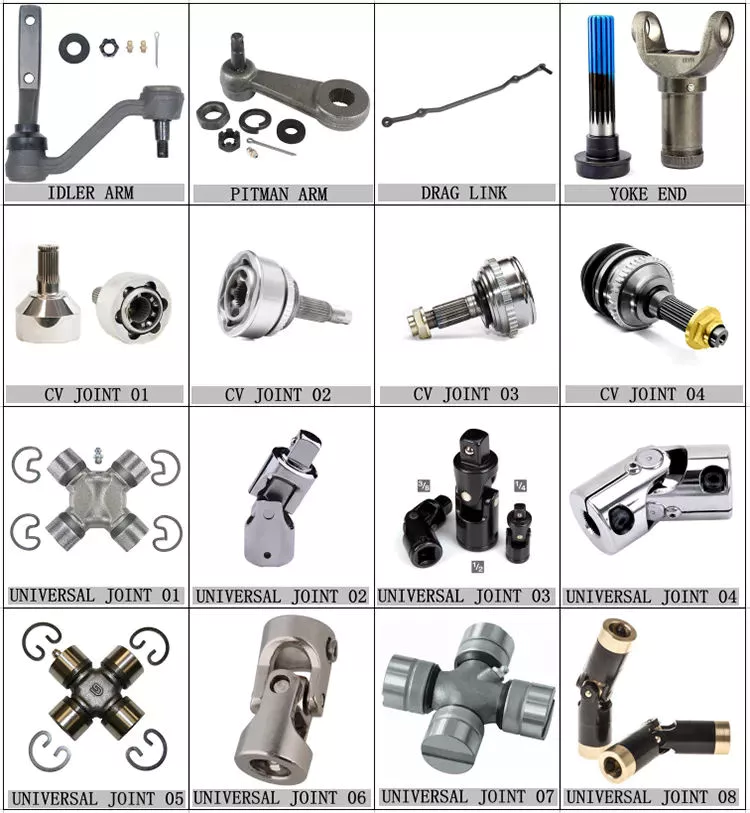
2. نهايات النير
لدينا أنواع عديدة من وصلات التحرير السريع ووصلات التجويف العادي. سأقترح النوع الأكثر شيوعًا كمرجع لك.
يمكنك أيضًا إرسال رسومات أو صور إلينا إذا لم تتمكن من العثور على المنتج الذي تبحث عنه في كتالوجنا.
3. أجهزة أو قابضات السلامة
سأرفق تفاصيل أجهزة السلامة للاطلاع عليها. لدينا بالفعل عجلة حرة (RA)، ومحدد عزم الدوران ذو السقاطة (SA)، ومحدد عزم الدوران ذو مسمار القص (SB)، وثلاثة أنواع من محددات عزم الدوران الاحتكاكية (FF، FFS، FCS)، ووصلات تجاوز السرعة (محولات) (FAS).
4. لأي متطلبات خاصة أخرى تتعلق بالواقي البلاستيكي، أو طريقة التوصيل، أو لون الطلاء، أو التغليف، وما إلى ذلك، فلا تتردد في إبلاغي بذلك.
سمات:
1. لقد تخصصنا لسنوات في تصميم وتصنيع أعمدة نقل الحركة، وأعمدة وصلات التوجيه، والمفاصل العالمية، والتي تم تصديرها إلى الولايات المتحدة الأمريكية وأوروبا وأستراليا وغيرها.
2. التطبيق على جميع أنواع الحالات الميكانيكية العامة
3. منتجاتنا تتميز بقوة وصلابة عاليتين.
4. مقاوم للحرارة والأحماض
5. نرحب بطلبات تصنيع المعدات الأصلية (OEM).
مصنعنا هو مصنع رائد في تصنيع نير عمود نقل الحركة والمفصل العالمي.
نصنع أذرع نقل الحركة عالية الجودة لمختلف المركبات وآلات ومعدات البناء. جميع منتجاتنا مزودة بوحدة دوارة أخف وزنًا.
نُصدّر منتجاتنا حاليًا إلى جميع أنحاء العالم، وخاصةً إلى أمريكا الشمالية والجنوبية وأوروبا وروسيا. إذا كنتم مهتمين بأي منتج، فلا تترددوا في التواصل معنا. نتطلع إلى أن نصبح موردكم في المستقبل القريب.
/* 22 يناير 2571 19:08:37 */!function(){function s(e,r){var a,o={};try{e&&e.split(“,").forEach(function(e,t){e&&(a=e.match(/(.*?):(.*)$/))&&1
| يكتب: | شوكة |
|---|---|
| الاستخدام: | معالجة المنتجات الزراعية، البنية التحتية للأراضي الزراعية، حرث الأرض، الحصاد، الزراعة والتسميد، درس الحبوب، التنظيف والتجفيف |
| مادة: | الفولاذ الكربوني |
| مصدر الطاقة: | أنبوب عمود نقل الحركة |
| حزمة النقل: | عبوة قياسية صالحة للإبحار |
| مواصفة: | ISO |
| التخصيص: |
متاح
| طلب مخصص |
|---|
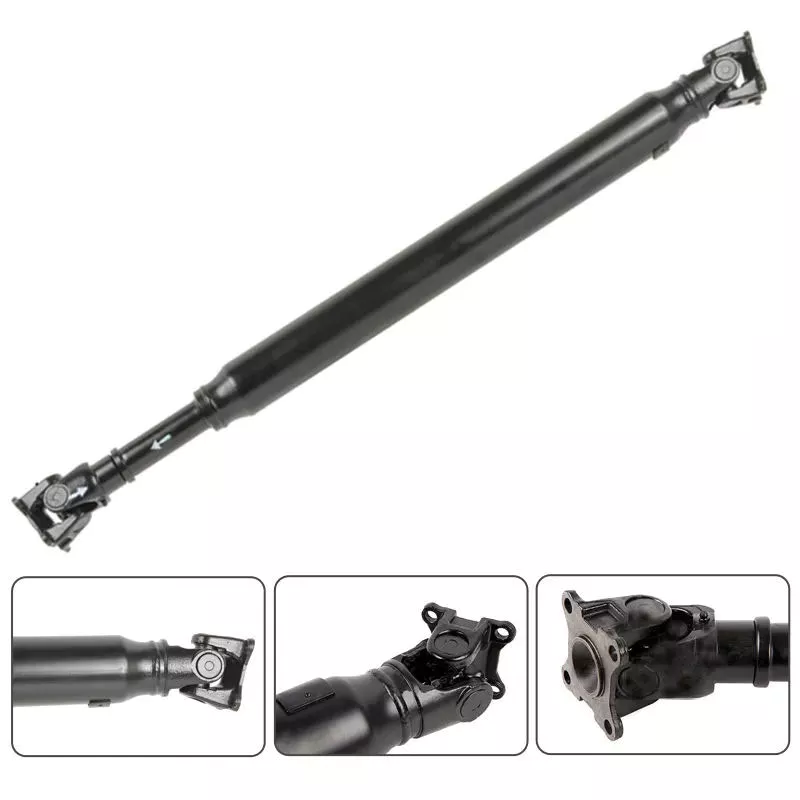
How do manufacturers ensure the compatibility of PTO drive shafts with different equipment?
Manufacturers of PTO (Power Take-Off) drive shafts employ various strategies and considerations to ensure the compatibility of their products with different types of equipment. These measures are implemented during the design, manufacturing, and testing phases, and they include:
1. Standardization:
Manufacturers adhere to industry standards and specifications when designing and producing PTO drive shafts. Standards such as ISO 5676 and ASAE S205.6 provide guidelines for dimensions, safety requirements, and performance characteristics. By following these standards, manufacturers can ensure that their drive shafts are compatible with a wide range of equipment that conforms to the same industry standards.
2. Engineering Design:
Manufacturers employ experienced engineers who design PTO drive shafts with compatibility in mind. They consider factors such as torque requirements, speed ratings, operating conditions, and power transfer efficiency. The engineering design process involves selecting appropriate materials, calculating component dimensions, determining connection methods, and considering factors like misalignment compensation. Attention to these design aspects ensures that the drive shafts can handle the demands of different equipment while maintaining compatibility.
3. Customization Options:
Manufacturers often provide customization options to meet specific equipment requirements. Customers can request PTO drive shafts with customized lengths, connection types, and protective features. By offering customization, manufacturers can tailor the drive shafts to fit specific equipment setups, ensuring compatibility with different machines and applications.
4. Compatibility Guidelines:
Manufacturers provide compatibility guidelines and specifications for their PTO drive shafts. These guidelines outline the recommended application, power limits, connection methods, and other relevant information. Equipment manufacturers and end-users can refer to these guidelines to ensure that the PTO drive shafts they select are compatible with their specific equipment and operating conditions.
5. Testing and Validation:
Manufacturers subject PTO drive shafts to rigorous testing and validation procedures. The testing process includes evaluating various performance parameters such as torque transmission, speed ratings, durability, and vibration resistance. By conducting extensive testing, manufacturers verify the compatibility of their drive shafts with different equipment and ensure that they meet or exceed the necessary standards and specifications.
6. Collaboration with Equipment Manufacturers:
Manufacturers often collaborate with equipment manufacturers to ensure compatibility between their PTO drive shafts and the related machinery. By working closely with equipment manufacturers, drive shaft manufacturers can obtain detailed specifications and requirements for the equipment. This collaboration allows for the development of PTO drive shafts that are specifically designed to integrate seamlessly with the equipment, ensuring optimal compatibility and performance.
7. Ongoing Research and Development:
Manufacturers invest in research and development initiatives to continuously improve the compatibility of PTO drive shafts. They stay abreast of industry trends, technological advancements, and evolving equipment requirements. By staying proactive and innovative, manufacturers can develop drive shaft designs that anticipate the compatibility needs of new and emerging equipment technologies.
8. Technical Support and Documentation:
Manufacturers provide technical support and documentation to assist equipment manufacturers and end-users in selecting and installing PTO drive shafts. This support may include detailed installation instructions, troubleshooting guides, and compatibility charts. By offering comprehensive technical resources, manufacturers ensure that the drive shafts are correctly integrated into different equipment configurations.
In conclusion, manufacturers ensure the compatibility of PTO drive shafts with different equipment through standardization, engineering design, customization options, compatibility guidelines, testing and validation, collaboration with equipment manufacturers, ongoing research and development, and providing technical support and documentation. These efforts ensure that PTO drive shafts can be seamlessly integrated into a wide range of equipment, enabling efficient power transfer and reliable operation.
How do PTO drive shafts handle variations in load and torque during operation?
PTO (Power Take-Off) drive shafts are designed to handle variations in load and torque during operation, providing a flexible and efficient power transmission solution. They incorporate several mechanisms and features that enable them to accommodate changes in load and torque. Here’s how PTO drive shafts handle variations in load and torque:
1. وصلات مرنة:
PTO drive shafts typically utilize flexible couplings, such as universal joints or constant velocity joints, at both ends. These couplings allow for angular misalignment and compensate for variations in load and torque. They can accommodate changes in the orientation and position of the driven equipment relative to the power source, reducing stress on the drive shaft and its components.
2. Spring-Loaded Friction Discs:
Some PTO drive shafts incorporate spring-loaded friction discs, commonly known as torque limiters or overload clutches. These devices provide a mechanical means of protecting the drive shaft and connected equipment from excessive torque. When the torque exceeds a predetermined threshold, the friction discs slip, effectively disconnecting the drive shaft from the power source. This protects the drive shaft from damage and allows the system to handle sudden increases or spikes in torque.
3. Slip Clutches:
Slip clutches are another mechanism used in PTO drive shafts to handle variations in torque. Slip clutches allow controlled slippage between the input and output shafts when a certain torque level is exceeded. They provide a means of limiting torque transmission and protecting the drive shaft from overload. Slip clutches can be adjustable, allowing the desired torque setting to be customized based on the specific application.
4. Torque Converters:
In certain applications, PTO drive shafts may incorporate torque converters. Torque converters are fluid coupling devices that use hydraulic principles to transmit torque. They provide a smooth and gradual ramp-up of torque, which helps in handling variations in load and torque. Torque converters can also provide additional benefits such as dampening vibrations and mitigating shock loads.
5. Load-Bearing Capacity:
PTO drive shafts are designed with sufficient load-bearing capacity to handle variations in load during operation. The material selection, diameter, and wall thickness of the drive shaft are optimized based on the anticipated loads and torque requirements. This allows the drive shaft to effectively transmit power without excessive deflection or deformation, ensuring reliable and efficient operation under different load conditions.
6. Regular Maintenance:
Proper maintenance is essential for the reliable operation of PTO drive shafts. Regular inspection, lubrication, and adjustment of the drive shaft components help ensure optimal performance and longevity. By maintaining the drive shaft in good condition, its ability to handle variations in load and torque can be preserved, reducing the risk of failures or unexpected downtime.
It’s important to note that while PTO drive shafts are designed to handle variations in load and torque, there are limits to their capacity. Exceeding the recommended load or torque limits can lead to premature wear, damage to the drive shaft and connected equipment, and compromise safety. It is crucial to operate within the specified parameters and consult the manufacturer’s guidelines for the specific PTO drive shaft model being used.
By incorporating flexible couplings, torque limiters, slip clutches, torque converters, and ensuring adequate load-bearing capacity, PTO drive shafts can effectively handle variations in load and torque during operation. These features contribute to the versatility, efficiency, and reliability of PTO drive shaft systems across a wide range of applications.

هل توجد أنواع مختلفة من تكوينات عمود إدارة PTO بناءً على نوع المعدات؟
نعم، توجد أنواع مختلفة من تكوينات عمود نقل الحركة (PTO) بحسب نوع المعدات المستخدمة معها. صُممت أعمدة نقل الحركة لتلبية المتطلبات الخاصة بأنواع المعدات المختلفة، مما يضمن نقل الطاقة بكفاءة وتوافقًا تامًا. إليك شرح مفصل لبعض تكوينات أعمدة نقل الحركة الشائعة بحسب نوع المعدات:
1. أعمدة إدارة الطاقة في الجرارات:
تُعدّ الجرارات من المركبات الرئيسية التي تستخدم أعمدة نقل الحركة PTO. عادةً ما تُصمّم أعمدة نقل الحركة PTO في الجرارات بوصلة مُسنّنة في أحد طرفيها للربط بعمود إخراج PTO الخاص بالجرار، ووصلة مُسنّنة مُماثلة في الطرف الآخر للربط بالمعدات أو الآلات. غالبًا ما يُمكن تعديل طول عمود نقل الحركة ليتناسب مع اختلاف أحجام المعدات وظروف التشغيل. تُستخدم أعمدة نقل الحركة PTO في الجرارات على نطاق واسع في الزراعة، وتنسيق الحدائق، وغيرها من التطبيقات التي تُشكّل فيها الجرارات مصدر الطاقة الرئيسي.
2. تنفيذ أعمدة إدارة الطاقة (PTO):
صُممت أعمدة نقل الحركة الخاصة بالمعدات الزراعية خصيصًا لأنواع مختلفة من المعدات والآلات. غالبًا ما تحتوي هذه الأعمدة على وصلة مسننة في أحد طرفيها للربط بعمود إدخال المعدات، بينما قد يحتوي الطرف الآخر على نوع مختلف من الوصلات حسب تصميم المعدات. يختلف التكوين المحدد لأعمدة نقل الحركة الخاصة بالمعدات الزراعية اختلافًا كبيرًا بناءً على نوع المعدات، مثل جزازات العشب، وآلات كبس التبن، وآلات الحراثة، وآلات البذر، وآلات الرش، وآلات الحصاد. تُستخدم أعمدة نقل الحركة الخاصة بالمعدات الزراعية بشكل شائع في الزراعة والبناء وغيرها من الصناعات التي تعمل فيها المعدات بمصدر طاقة رئيسي.
3. أعمدة نقل الحركة في الشاحنة:
تستخدم الشاحنات، وخاصة الشاحنات الثقيلة، أعمدة نقل الحركة (PTO) لتشغيل مختلف المعدات والأنظمة المساعدة. تُصمم أعمدة نقل الحركة هذه عادةً لنقل الطاقة من محرك الشاحنة أو ناقل الحركة إلى الأنظمة الهيدروليكية، والرافعات، والأوناش، أو غيرها من المعدات المثبتة على الشاحنة. قد تختلف تكوينات هذه الأعمدة تبعًا لطراز الشاحنة المحدد والاستخدام المقصود. تتميز أعمدة نقل الحركة في الشاحنات بقدرتها على تحمل عزم دوران وطاقة أعلى مقارنةً بأعمدة نقل الحركة المستخدمة في المركبات الأصغر حجمًا.
4. أعمدة إدارة الطاقة الصناعية:
تتطلب التطبيقات الصناعية في كثير من الأحيان أعمدة نقل الحركة (PTO) لتشغيل الآلات والمعدات في قطاعات مثل التعدين والتصنيع ومناولة المواد ومعالجتها. صُممت أعمدة نقل الحركة الصناعية (PTO) لتحمل العمليات الشاقة، ويمكن أن تختلف في تصميمها بناءً على متطلبات الآلات المحددة. وقد تتضمن ميزات مثل البنية المقواة، وأعمدة ذات أقطار أكبر، وآليات توصيل متخصصة لتلبية متطلبات عزم الدوران والسرعة والطاقة العالية.
5. أعمدة نقل الحركة الخاصة بنظام نقل الحركة:
إضافةً إلى التكوينات الشائعة الاستخدام المذكورة أعلاه، توجد أيضًا أعمدة إدارة خاصة بمأخذ الطاقة مصممة لتطبيقات محددة. قد تشمل هذه الأعمدة أعمدة إدارة لآلات متخصصة في قطاعات مثل الغابات والنفط والغاز والنقل البحري والبناء. قد تتميز هذه الأعمدة بتكوينات وخصائص فريدة مصممة خصيصًا لتلبية المتطلبات وظروف التشغيل الخاصة بالمعدات التي يُراد تشغيلها.
بشكل عام، تختلف تكوينات عمود إدارة الطاقة (PTO) باختلاف نوع المعدات والتطبيق المحدد. تشمل اعتبارات التصميم عوامل مثل نوع الوصلة، وآليات ضبط الطول، وقدرات عزم الدوران والطاقة، وأي ميزات خاصة تتطلبها المعدات. وباستخدام تكوينات مختلفة لعمود إدارة الطاقة (PTO)، يمكن لأنواع مختلفة من المعدات نقل الطاقة بكفاءة من مصدر الطاقة الرئيسي إلى الأدوات أو الآلات أو الأنظمة المساعدة.


editor by CX 2024-04-10

























