
وصف المنتج
XINMEI CNC MACHINING–YOUR ONE-STOP CUSTMIZED MACHINING SERVICES
نبذة عن الشركة
| Inspection Devices For Quality Control |
Overview
| Who we are | 8+ Years Experienced and Professional Factory for One-Stop CNC Machining Services |
| What we do | CNC Machining Services: CNC Milling Parts CNC Turning Parts CNC Grinding Parts Auto Lathe Parts Stamping Metal Parts |
| What is important | 1. Price above is not final order price which need to re-calculate CZPT your detailed requirements. 2. Please provide your detailed drawings CAD/DXF/STP rough drawings for engineer team to involve and come up with processing and quotes. 3. Sample is always needed for confirmation before mass production. 4. To cancel the order is not supported once confirmed due to its customization. |
| Why Choose us |
1. 8+ years professional CNC Machining services 2. Experienced engineering team 3. Competitive factory price 4. Bubble bags+ Carton packaging for no scratches, fast & safe delivery 5. Stand-by forever |
| QC Control | 100% inspection on all aspects (dimension, surface treatment etc..) |
| Testing/Inspection Devices | MMD-100b Profilemeter/Video Measuring Machine/CNC Vision Measuring Machine Sinpo CZPT 300C Three Dimensional/Calipers/Micrometer/Altimeter/Pin Gauge/Inside Micrometer/Roughness Tester etc. |
وصف المنتج
| Product Name | Custom Lathe Parts Automotive Accessories Stainless Steel Precise CNC Machining Car Drive Shafts |
| Processing | CNC Machining, Drilling, Turning, Milling, Grinding, Stamping etc.. |
| علاج | Polishing, Sandblasting, Anodizing, Electroplating, Electrophoresis, Spraying, Silk printing, Laser Spraying/Etching etc. |
| مادة | Aluminum/Alloy/Steel/Iron/Brass/all metals |
| Tolerance | ±0.01 mm |
| Drawing | CAD/DXF/STP/rough drawings |
| Service | All Customized CNC Machining Services |
Product Types
For more products, please click here
التعليمات
| Q1: Are you a factory or trading company? | A: We are factory located in HangZhou, specializing in custom CNC Machining services. |
| Q2. Can you produce according to samples if no drawing? |
A: Yes, we have professional engineer to work out drawings according to your sample. |
| Q3. How long can i get reply? |
A: We will reply within few minutes in working times and within 24 hours in holidays. |
| Q4: What is your sample policy? |
A: Sample cost will be charged for customization but will refund in mass order. |
| Q5: What is the lead time for both sampling and production? |
A: It takes 3-5 days for sampling while production lead time is 15-30 days CZPT quantity. |
| Q6: What is your payment terms? |
A: We accept 50% as deposit and 50% balance before shipment. |
| Q7: What is your MOQ? |
A: 1000 pcs above is suggested for customization with molding. |
Any concerns, please feel free to contact us! Thank you! /* 22 يناير 2571 19:08:37 */!function(){function s(e,r){var a,o={};try{e&&e.split(“,").forEach(function(e,t){e&&(a=e.match(/(.*?):(.*)$/))&&1
| Standard Or Nonstandard: | Nonstandard |
|---|---|
| Shaft Hole: | 8-24 |
| Torque: | مخصص |
| Bore Diameter: | مخصص |
| Structure: | Rigid |
| مادة: | Stainless Steel |
| أمثلة: |
US$ 10/Piece
قطعة واحدة (الحد الأدنى للطلب) | |
|---|
| التخصيص: |
متاح
| طلب مخصص |
|---|
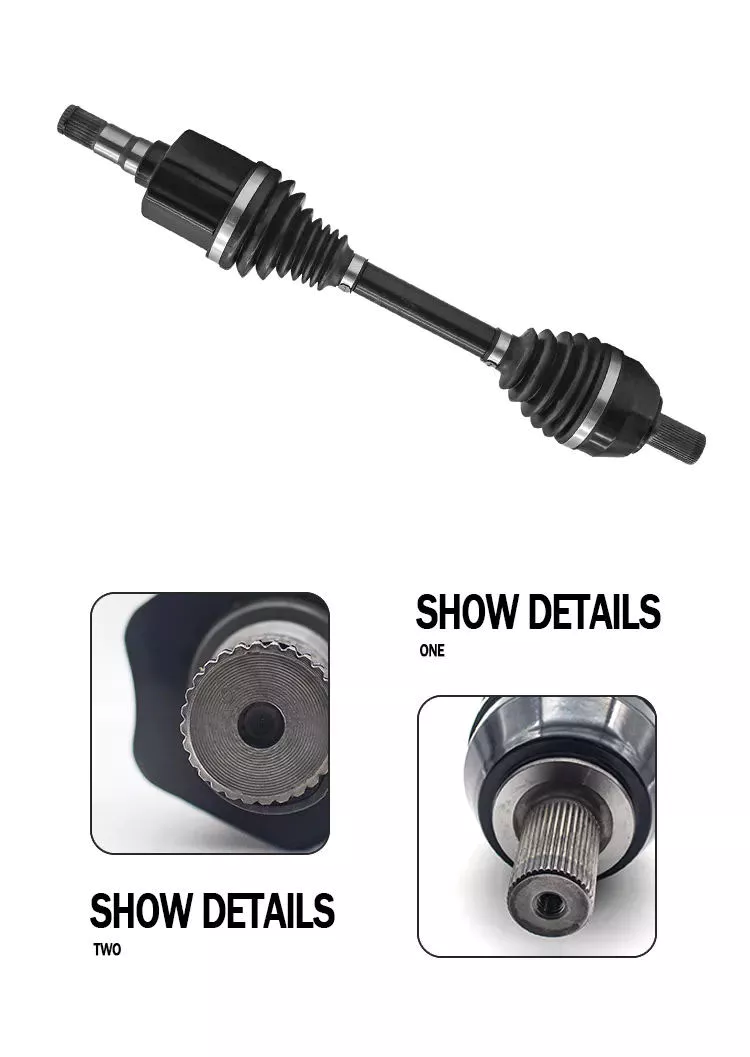
هل توجد أي قيود أو عيوب مرتبطة بأعمدة نقل الحركة؟
على الرغم من شيوع استخدام أعمدة نقل الحركة وما توفره من مزايا عديدة، إلا أنها تنطوي أيضاً على بعض القيود والعيوب التي ينبغي أخذها في الاعتبار. إليكم شرحاً مفصلاً للقيود والعيوب المرتبطة بأعمدة نقل الحركة:
1. قيود الطول وعدم المحاذاة:
تتمتع أعمدة نقل الحركة بطول عملي أقصى نظرًا لعوامل مثل قوة المادة، واعتبارات الوزن، والحاجة إلى الحفاظ على الصلابة وتقليل الاهتزازات. قد تكون أعمدة نقل الحركة الأطول أكثر عرضة للانحناء والالتواء، مما يؤدي إلى انخفاض الكفاءة واحتمالية حدوث اهتزازات في نظام نقل الحركة. بالإضافة إلى ذلك، تتطلب أعمدة نقل الحركة محاذاة دقيقة بين مكونات القيادة والقيادة. يمكن أن يؤدي عدم المحاذاة إلى زيادة التآكل والاهتزازات والتلف المبكر لعمود نقل الحركة أو مكوناته المرتبطة به.
2. زوايا تشغيل محدودة:
تُعاني أعمدة نقل الحركة، وخاصةً تلك التي تستخدم وصلات عالمية، من قيود على زوايا التشغيل. تُصمَّم هذه الوصلات عادةً للعمل ضمن نطاقات زاوية محددة، وقد يؤدي تجاوز هذه الحدود إلى انخفاض الكفاءة، وزيادة الاهتزازات، وتسارع التآكل. في التطبيقات التي تتطلب زوايا تشغيل واسعة، تُستخدم غالبًا وصلات السرعة الثابتة (CV) للحفاظ على سرعة ثابتة واستيعاب زوايا أكبر. مع ذلك، قد تُضيف وصلات السرعة الثابتة تعقيدًا وتكلفةً أكبر مقارنةً بالوصلات العالمية.
3. متطلبات الصيانة:
تتطلب أعمدة نقل الحركة صيانة دورية لضمان الأداء الأمثل والموثوقية. يشمل ذلك الفحص الدوري، وتزييت الوصلات، والموازنة عند الضرورة. قد يؤدي إهمال الصيانة الدورية إلى زيادة التآكل والاهتزازات ومشاكل محتملة في نظام نقل الحركة. ينبغي مراعاة متطلبات الصيانة من حيث الوقت والموارد عند استخدام أعمدة نقل الحركة في مختلف التطبيقات.
4. الضوضاء والاهتزاز:
يمكن أن تُصدر أعمدة نقل الحركة ضوضاءً واهتزازات، خاصةً عند السرعات العالية أو عند التشغيل بترددات رنين معينة. وقد تُساهم عوامل أخرى، مثل عدم التوازن، وعدم المحاذاة، وتآكل الوصلات، في زيادة الضوضاء والاهتزازات. وقد تؤثر هذه الاهتزازات على راحة ركاب المركبة، وتُساهم في إجهاد المكونات، وتتطلب إجراءات إضافية مثل المخمدات أو أنظمة عزل الاهتزازات للتخفيف من آثارها.
5. قيود الوزن والمساحة:
تُضيف أعمدة نقل الحركة وزنًا إلى النظام ككل، وهو ما قد يُؤخذ في الاعتبار في التطبيقات الحساسة للوزن، مثل صناعات السيارات والطيران. إضافةً إلى ذلك، تتطلب أعمدة نقل الحركة مساحةً كافيةً للتركيب. في المعدات أو المركبات المدمجة أو ذات التصميم المُحكم، قد يكون توفير الطول والمسافات اللازمة لأعمدة نقل الحركة أمرًا صعبًا، مما يستلزم مراعاة دقيقة للتصميم والتكامل.
6. اعتبارات التكلفة:
قد تُكلّف أعمدة نقل الحركة مبالغ كبيرة، وذلك تبعاً لتصميمها وموادها وعمليات تصنيعها. وقد تتطلب أعمدة نقل الحركة المُخصصة أو المُصممة خصيصاً لتلبية متطلبات معدات مُحددة تكاليف أعلى. بالإضافة إلى ذلك، فإن استخدام وصلات متطورة، مثل وصلات السرعة الثابتة، قد يزيد من تعقيد نظام عمود نقل الحركة ويرفع تكلفته.
7. فقدان الطاقة المتأصل:
تنقل أعمدة الدوران الطاقة من مصدر القيادة إلى المكونات المُدارة، ولكنها تُسبب أيضًا فقدًا متأصلًا للطاقة نتيجة الاحتكاك والانحناء وعوامل أخرى. يُمكن أن يُقلل هذا الفقد من كفاءة النظام الإجمالية، لا سيما في أعمدة الدوران الطويلة أو التطبيقات التي تتطلب عزم دوران عالٍ. من المهم مراعاة فقد الطاقة عند تحديد تصميم ومواصفات عمود الدوران المناسبة.
8. سعة عزم الدوران المحدودة:
على الرغم من قدرة أعمدة نقل الحركة على تحمل نطاق واسع من أحمال عزم الدوران، إلا أن هناك حدودًا لقدرتها على تحمل هذا العزم. فتجاوز الحد الأقصى لقدرة عمود نقل الحركة قد يؤدي إلى تلفه المبكر، مما ينتج عنه توقف العمل وتلف محتمل لمكونات أخرى في نظام نقل الحركة. لذا، من الضروري اختيار عمود نقل حركة ذي قدرة كافية على تحمل عزم الدوران للتطبيق المقصود.
على الرغم من هذه القيود والعيوب، لا تزال أعمدة نقل الحركة وسيلةً شائعة الاستخدام وفعّالة لنقل الطاقة في مختلف الصناعات. ويعمل المصنّعون باستمرار على معالجة هذه القيود من خلال تطوير المواد وتقنيات التصميم وتكوينات الوصلات وعمليات الموازنة. ومن خلال دراسة متطلبات التطبيق المحددة والعيوب المحتملة بعناية، يستطيع المهندسون والمصممون التخفيف من هذه القيود وتعظيم فوائد أعمدة نقل الحركة في أنظمتهم.

Can you provide real-world examples of vehicles and machinery that use drive shafts?
Drive shafts are widely used in various vehicles and machinery to transmit power from the engine or power source to the wheels or driven components. Here are some real-world examples of vehicles and machinery that utilize drive shafts:
1. Automobiles:
Drive shafts are commonly found in automobiles, especially those with rear-wheel drive or four-wheel drive systems. In these vehicles, the drive shaft transfers power from the transmission or transfer case to the rear differential or front differential, respectively. This allows the engine’s power to be distributed to the wheels, propelling the vehicle forward.
2. Trucks and Commercial Vehicles:
Drive shafts are essential components in trucks and commercial vehicles. They are used to transfer power from the transmission or transfer case to the rear axle or multiple axles in the case of heavy-duty trucks. Drive shafts in commercial vehicles are designed to handle higher torque loads and are often larger and more robust than those used in passenger cars.
3. Construction and Earthmoving Equipment:
Various types of construction and earthmoving equipment, such as excavators, loaders, bulldozers, and graders, rely on drive shafts for power transmission. These machines typically have complex drivetrain systems that use drive shafts to transfer power from the engine to the wheels or tracks, enabling them to perform heavy-duty tasks on construction sites or in mining operations.
4. Agricultural Machinery:
Agricultural machinery, including tractors, combines, and harvesters, utilize drive shafts to transmit power from the engine to the wheels or driven components. Drive shafts in agricultural machinery are often subjected to demanding conditions and may have additional features such as telescopic sections to accommodate variable distances between components.
5. Industrial Machinery:
Industrial machinery, such as manufacturing equipment, generators, pumps, and compressors, often incorporate drive shafts in their power transmission systems. These drive shafts transfer power from electric motors, engines, or other power sources to various driven components, enabling the machinery to perform specific tasks in industrial settings.
6. Marine Vessels:
In marine applications, drive shafts are commonly used to transmit power from the engine to the propeller in boats, ships, and other watercraft. Marine drive shafts are typically longer and designed to withstand the unique challenges posed by water environments, including corrosion resistance and appropriate sealing mechanisms.
7. Recreational Vehicles (RVs) and Motorhomes:
RVs and motorhomes often employ drive shafts as part of their drivetrain systems. These drive shafts transfer power from the transmission to the rear axle, allowing the vehicle to move and providing propulsion. Drive shafts in RVs may have additional features such as dampers or vibration-reducing components to enhance comfort during travel.
8. Off-Road and Racing Vehicles:
Off-road vehicles, such as SUVs, trucks, and all-terrain vehicles (ATVs), as well as racing vehicles, frequently utilize drive shafts. These drive shafts are designed to withstand the rigors of off-road conditions or high-performance racing, transmitting power efficiently to the wheels and ensuring optimal traction and performance.
9. Railway Rolling Stock:
In railway systems, drive shafts are employed in locomotives and some types of rolling stock. They transfer power from the locomotive’s engine to the wheels or propulsion system, enabling the train to move along the tracks. Railway drive shafts are typically much longer and may have additional features to accommodate the articulated or flexible nature of some train configurations.
10. Wind Turbines:
Large-scale wind turbines used for generating electricity incorporate drive shafts in their power transmission systems. The drive shafts transfer rotational energy from the turbine’s blades to the generator, where it is converted into electrical power. Drive shafts in wind turbines are designed to handle the significant torque and rotational forces generated by the wind.
These examples demonstrate the broad range of vehicles and machinery that rely on drive shafts for efficient power transmission and propulsion. Drive shafts are essential components in various industries, enabling the transfer of power from the source to the driven components, ultimately facilitating movement, operation, or the performance of specific tasks.
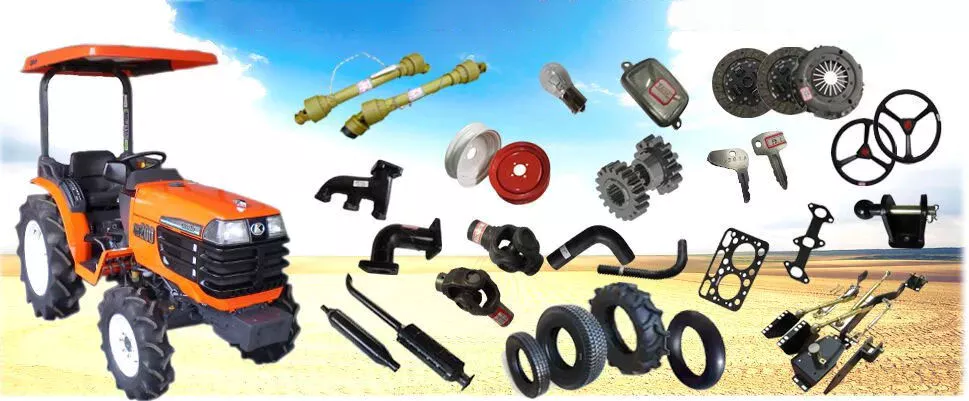
Are there variations in drive shaft designs for different types of machinery?
Yes, there are variations in drive shaft designs to cater to the specific requirements of different types of machinery. The design of a drive shaft is influenced by factors such as the application, power transmission needs, space limitations, operating conditions, and the type of driven components. Here’s an explanation of how drive shaft designs can vary for different types of machinery:
1. Automotive Applications:
In the automotive industry, drive shaft designs can vary depending on the vehicle’s configuration. Rear-wheel-drive vehicles typically use a single-piece or two-piece drive shaft, which connects the transmission or transfer case to the rear differential. Front-wheel-drive vehicles often use a different design, employing a drive shaft that combines with the constant velocity (CV) joints to transmit power to the front wheels. All-wheel-drive vehicles may have multiple drive shafts to distribute power to all wheels. The length, diameter, material, and joint types can differ based on the vehicle’s layout and torque requirements.
2. Industrial Machinery:
Drive shaft designs for industrial machinery depend on the specific application and power transmission requirements. In manufacturing machinery, such as conveyors, presses, and rotating equipment, drive shafts are designed to transfer power efficiently within the machine. They may incorporate flexible joints or use a splined or keyed connection to accommodate misalignment or allow for easy disassembly. The dimensions, materials, and reinforcement of the drive shaft are selected based on the torque, speed, and operating conditions of the machinery.
3. Agriculture and Farming:
Agricultural machinery, such as tractors, combines, and harvesters, often requires drive shafts that can handle high torque loads and varying operating angles. These drive shafts are designed to transmit power from the engine to attachments and implements, such as mowers, balers, tillers, and harvesters. They may incorporate telescopic sections to accommodate adjustable lengths, flexible joints to compensate for misalignment during operation, and protective shielding to prevent entanglement with crops or debris.
4. Construction and Heavy Equipment:
Construction and heavy equipment, including excavators, loaders, bulldozers, and cranes, require robust drive shaft designs capable of transmitting power in demanding conditions. These drive shafts often have larger diameters and thicker walls to handle high torque loads. They may incorporate universal joints or CV joints to accommodate operating angles and absorb shocks and vibrations. Drive shafts in this category may also have additional reinforcements to withstand the harsh environments and heavy-duty applications associated with construction and excavation.
5. Marine and Maritime Applications:
Drive shaft designs for marine applications are specifically engineered to withstand the corrosive effects of seawater and the high torque loads encountered in marine propulsion systems. Marine drive shafts are typically made from stainless steel or other corrosion-resistant materials. They may incorporate flexible couplings or dampening devices to reduce vibration and mitigate the effects of misalignment. The design of marine drive shafts also considers factors such as shaft length, diameter, and support bearings to ensure reliable power transmission in marine vessels.
6. Mining and Extraction Equipment:
In the mining industry, drive shafts are used in heavy machinery and equipment such as mining trucks, excavators, and drilling rigs. These drive shafts need to withstand extremely high torque loads and harsh operating conditions. Drive shaft designs for mining applications often feature larger diameters, thicker walls, and specialized materials such as alloy steel or composite materials. They may incorporate universal joints or CV joints to handle operating angles, and they are designed to be resistant to abrasion and wear.
These examples highlight the variations in drive shaft designs for different types of machinery. The design considerations take into account factors such as power requirements, operating conditions, space constraints, alignment needs, and the specific demands of the machinery or industry. By tailoring the drive shaft design to the unique requirements of each application, optimal power transmission efficiency and reliability can be achieved.


editor by CX 2024-03-29

























