
Queensland Extreme
Power System Selection Guide for Vegetable Seeder PTO Shafts
Engineered for high-intensity Australian agriculture. Flawless terrain adaptability, maximized transmission efficiency, and uncompromising safety. Manufactured independently by EVER-POWER.
Core Technology Quick Read: Why Vegetable Seeders Demand Industrial-Grade Drivelines
In the precision agriculture sector, the vegetable seeder represents the pinnacle of required accuracy. When planting high-value cash crops like carrots, onions, or brassicas in the diverse soils of Australia, any micro-fluctuation in the rotational speed of the implement can lead to seed skipping or double-planting. This directly translates to catastrophic yield losses. The pto shaft is the critical heartbeat of this operation.
Engineer’s Field Notes
“In our 20 years of servicing large-scale commercial vegetable farms across Queensland and Victoria, we consistently found that traditional drivelines fail not from pure torque, but from the brutal combination of fine red dust ingress and high-frequency vibrations over uneven terrain. Based on this 10-year factory case study in the Darling Downs region, EVER-POWER completely redesigned the ceramic and metallic seal layout of our cross journals. We replaced standard NBR seals with aerospace-grade FKM (Viton) multi-lip seals, keeping the dust out and the grease in.”
Our ultra-precision tractor pto shaft systems are dynamically balanced to G16 standards. Whether operating at 540 RPM or 1000 RPM, they transmit kinetic energy seamlessly from the tractor’s output to the seeder’s vacuum fans and metering units. We eliminate harmonic resonance at the source, guaranteeing absolute consistency in seed placement depth and spacing.
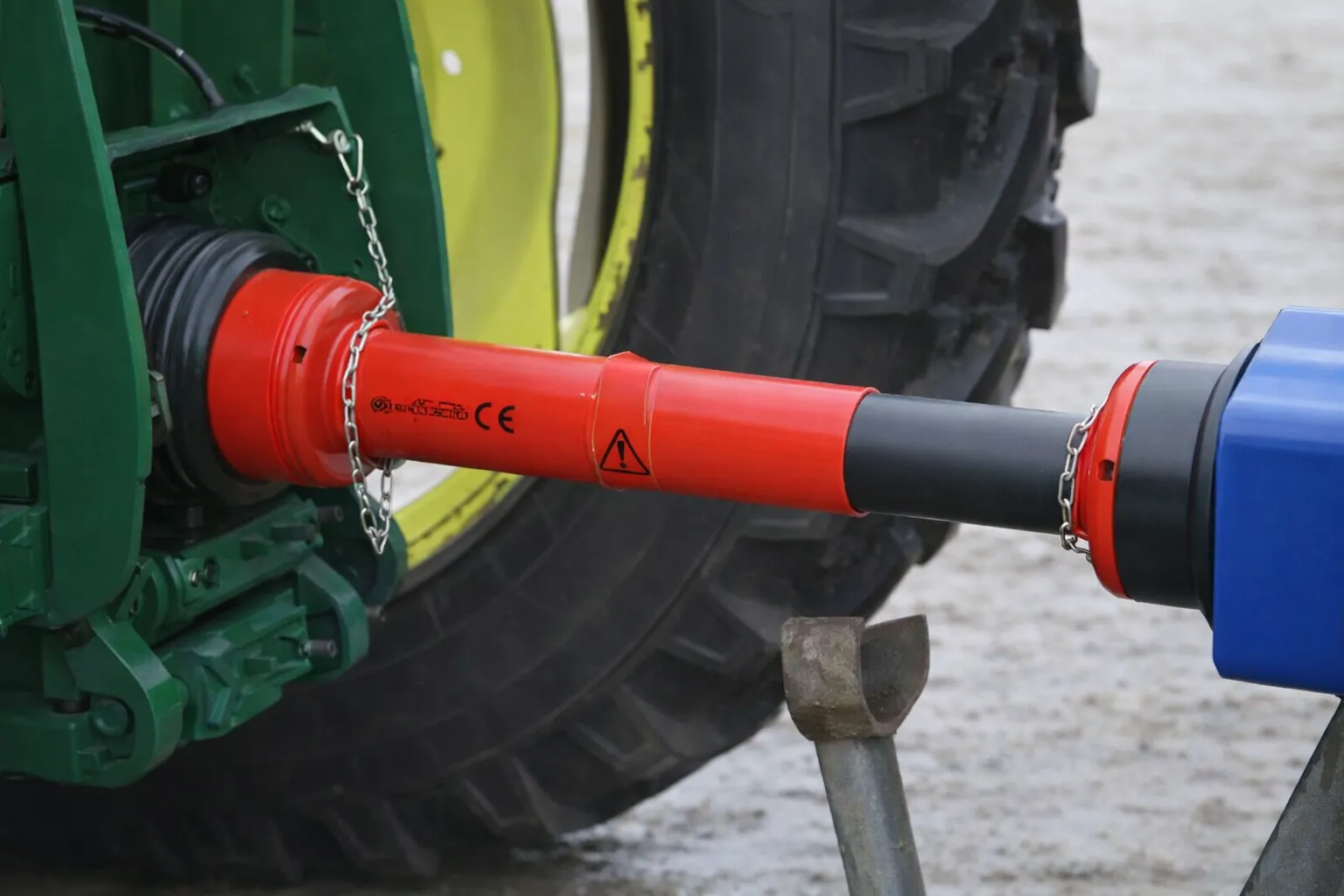
Vegetable Seeder Driveline Technical Specification Matrix
These engineering parameters define the physical boundaries and machining tolerances of our transmission components. We provide deep customization for Australia’s harsh drought or flood-prone environments.
| Engineering Parameter | Standard OEM Specification | Custom Tolerances / Range |
|---|---|---|
| 1. Nominal Torque Rating | 460 Nm – 1800 Nm | 210 Nm up to 4500 Nm (Heavy Tillage) |
| 2. Operating Rotational Speed | 540 RPM / 1000 RPM | Up to 1500 RPM (High-speed pneumatic fans) |
| 3. Telescopic Tube Profile | Lemon / Triangular Profile | Star / Hexagonal / Involute Splined |
| 4. Maximum Articulation Angle | 25° (Continuous operation) | 80° (With Constant Velocity Wide Angle Joint) |
| 5. Yoke Forging Material | #45 High-Carbon Structural Steel | 20CrMnTi Alloy / QT500 Ductile Iron |
| 6. Cross Journal Dimensions | 27.0mm x 74.6mm (Series 4) | Ø22mm to Ø42mm (Covering Series 1 to 10) |
| 7. Surface Heat Treatment | High-frequency induction HRC 58-62 | Carburized quenching + Cryogenic treatment |
| 8. Shielding Mechanism | UV-resistant Polymer with Safety Chains | Flame-retardant composite (AS 1121.4-2007) |
| 9. Tractor Interface (Input) | 1-3/8″ 6-Spline Quick Disconnect Pin | 1-3/8″ 21-Spline / 1-3/4″ 20-Spline |
| 10. Implement Interface (Output) | Shear Bolt Clutch Yoke | Friction Clutch / Overrunning Clutch |
| 11. Dynamic Balancing Precision | ISO 1940-1 Class G16 | Class G6.3 (Aviation-grade precision) |
| 12. Telescopic Travel Distance | L-min 1000mm to L-max 1450mm | Custom mapped to 3-point linkage geometry |
| 13. Lubrication Interval | Every 50 operating hours | Maintenance-free sealed systems (up to 250h) |
| 14. Operating Temp Resilience | -20°C to +80°C | -40°C to +120°C (FKM synthetic rubber) |
| 15. Theoretical Fatigue Life (L10) | > 4000 hours (Nominal load) | Optimized via torque spectrum analysis |
| 16. Corrosion Protection | Zinc-rich epoxy primer + Polyurethane | Dacromet coating / Hot-dip galvanizing |
| 17. Tube Wall Thickness | 3.4mm to 4.0mm | Up to 5.5mm for extreme rocky soils |
| 18. Torsional Stiffness | 1.8 x 10^5 Nm/rad | Flexible coupling integration for sensitive metering |
| 19. Spline Backlash Tolerance | 0.15mm – 0.25mm | Zero-backlash precision interference fit |
| 20. Needle Roller Diameter | Ø 3.0mm | Oversized heavy-duty rollers for shock loads |
| 21. Pull-out Force (Splines) | ≤ 150 N | PTFE anti-friction coated splines |
| 22. Flange Runout Tolerance | ≤ 0.08mm | ≤ 0.03mm (For high-speed blower drives) |
| 23. Clutch Slip Response Time | ≤ 0.5 seconds | Custom torque cut-off thresholds (±5% error) |
| 24. Packaging Methodology | Wooden Crate + VCI moisture barrier | Fumigation-free pallets with RFID tracking |
| 25. Warranty Framework | 12 Months (Standard usage) | Extended 24-36 months with telematics data |
Kinematic Working Principles in Vegetable Seeding Systems
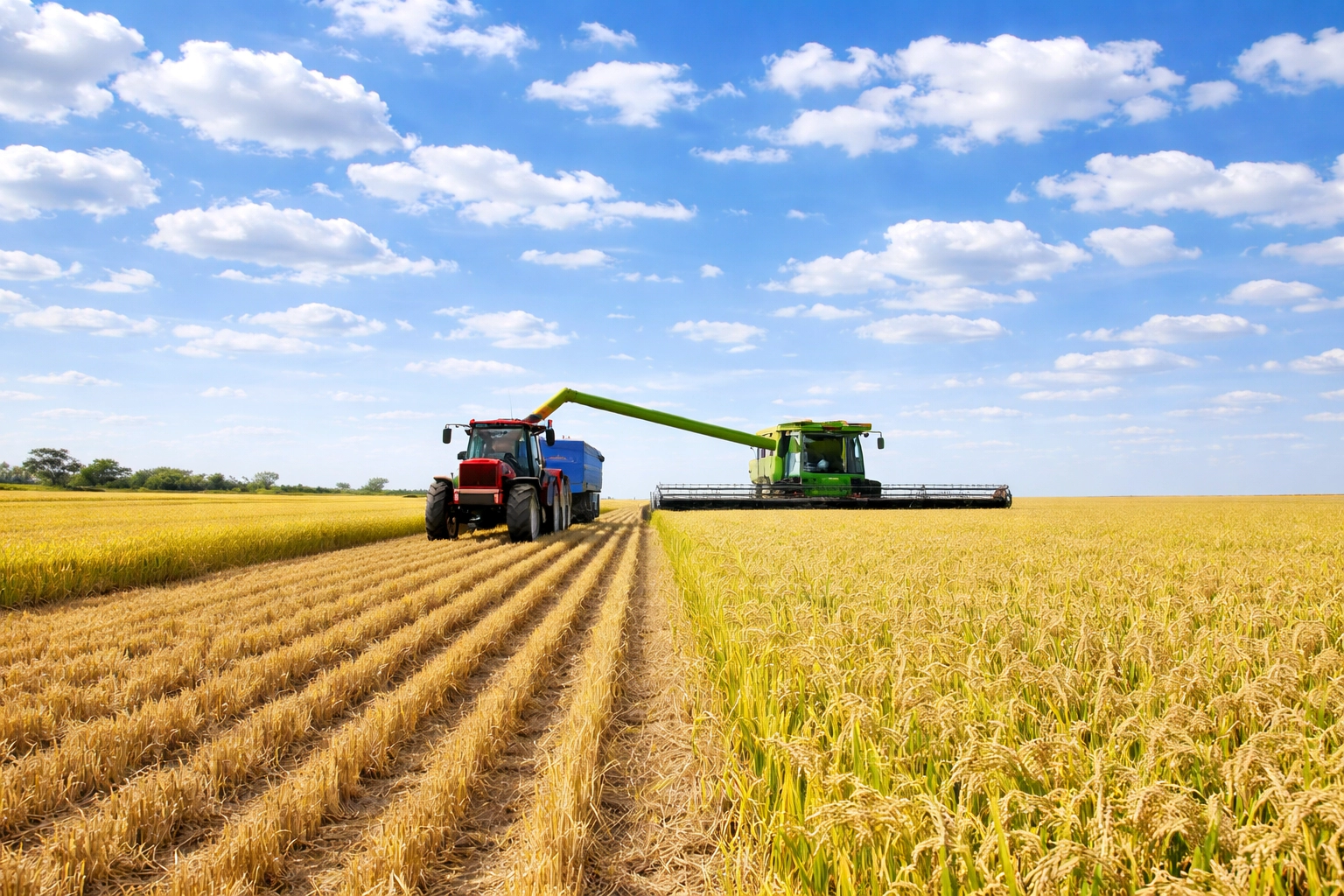
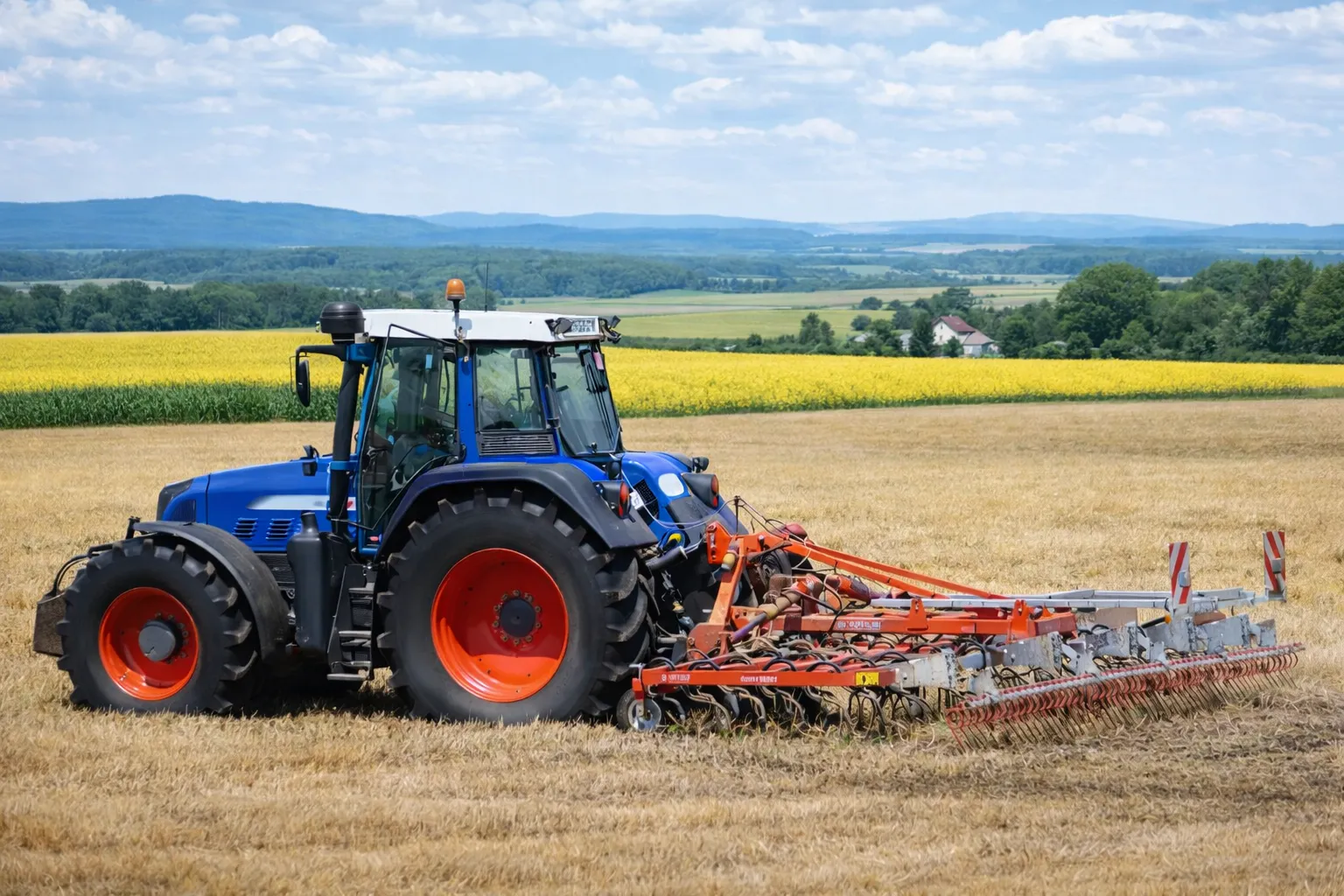
The Lifeline of Pneumatic Metering
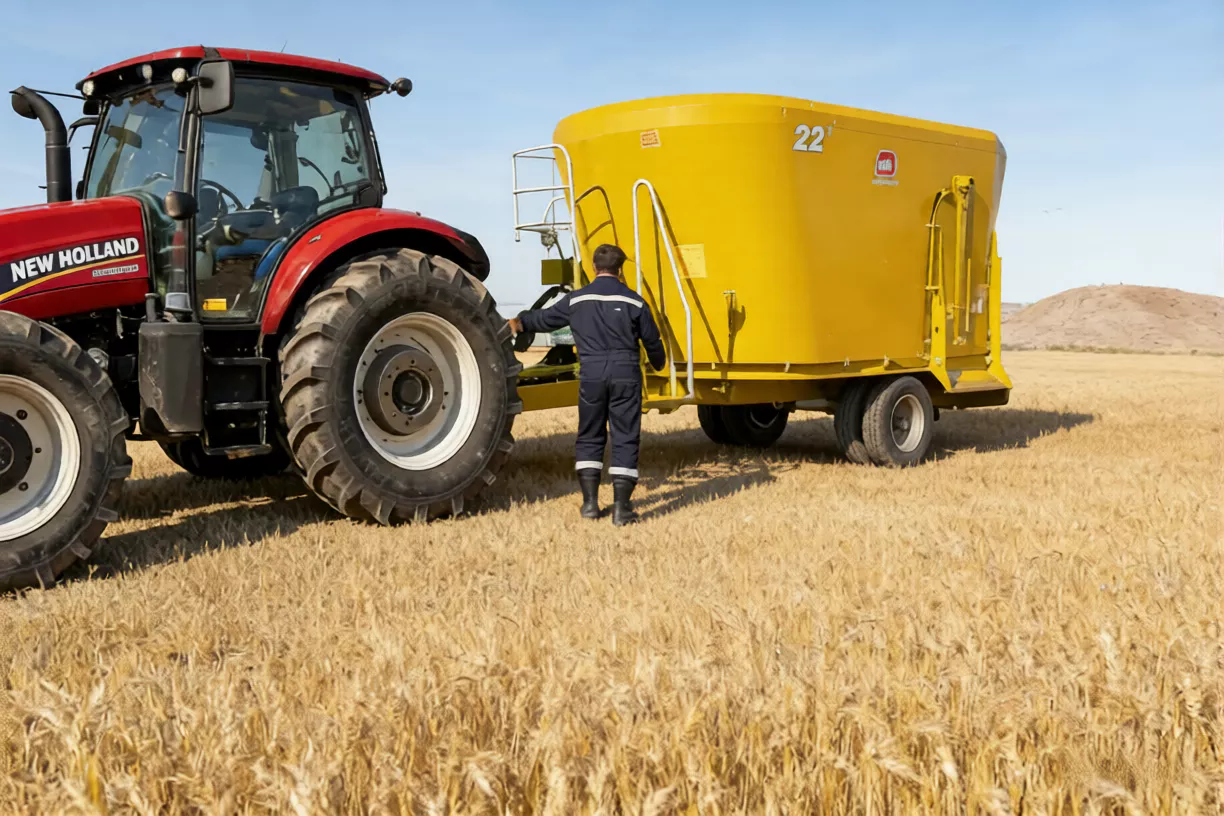
In a modern pneumatic vegetable seeder, the pto drive shaft acts as the central power conduit. It bridges the dynamic gap between the tractor’s power take-off stub and the seeder’s central input shaft or agricultural gearbox. As the tractor traverses uneven furrows, the distance and angle between the two vehicles constantly change.
To accommodate this geometry, the shaft utilizes two Universal Joints (U-joints) to handle angular deflection, while the telescoping inner and outer tubes slide smoothly against each other to manage length variations. The torque is then primarily used to drive a high-velocity centrifugal fan. This fan generates a precise vacuum (negative pressure) that picks up microscopic seeds—such as lettuce or celery seeds—and holds them against a rotating seed disc before releasing them accurately into the seed trench.
Critical Wear Points & Interaction Modes:
- Universal Joints (Cross & Bearing): The flex points. Under continuous 20°+ angles, the needle bearings experience extreme stress cycles. Regular lithium-grease purging is required to prevent galling.
- Telescopic Profiles (Lemon/Star Tubes): If sliding friction increases due to lack of lubrication, “thrust loads” will violently push against the tractor’s internal bearings, risking catastrophic transmission failure.
- Safety Clutches: Whether a shear-bolt that snaps upon hitting a buried rock, or a friction slip clutch that slips under momentary overload, these devices protect the seeder’s delicate gearbox from shock-loads.
Global Brand Compatibility: Seamless Asset Integration
Supply chain reliability in the agricultural sector dictates that replacement parts must be modular, standardized, and immediately deployable. As a premier pto shaft制造商, we design our U-joints, yokes, and tubing profiles to strictly adhere to ISO 5673 and ISO 104 standards.
Direct Replacement Engineering
Our driveline assemblies and individual spare parts (such as cross journals, inner/outer tubes, and safety guards) are geometrically and metallurgically verified to act as direct drop-in replacements for major industry brands. Whether your European-built seeder came equipped with Comer Industries, GKN Walterscheid, Bondioli & Pavesi, or Weasler drivetrains, we have the exact metric or imperial equivalent.
For instance, if your pneumatic seeder operates a Comer Series 4 PTO shaft, you can select our EP-Series 4 assembly. The spline engagement, overall retracted length, and guard bearing grooves are engineered for perfect “Plug & Play” compatibility, requiring zero modifications to your tractor or implement.
Compatibility Disclaimer
* For technical reference purposes only. EVER-POWER is an independent manufacturer.
Our PTO systems are engineered as a perfect replacement for the driveline units found on Comer™, GKN Walterscheid™, Bondioli & Pavesi™, and Weasler™ equipment. (Note: All manufacturer names, symbols, and part numbers are used for reference and identification purposes only. EVER-POWER is not affiliated with, nor authorized or sponsored by, these respective brand owners. We independently manufacture premium aftermarket components.)
Australian Regional Adaptability & Statutory Safety Standards
To combat UV degradation that destroys standard European plastics within a year, EVER-POWER formulates our safety guards with specialized UV-stabilized composite polymers. These shields remain flexible and shatter-resistant even after prolonged exposure to the intense outback sun.
Critical Compliance: AS 1121.4-2007 Standard
Under the stringent occupational health and safety regulations enforced by WorkSafe Victoria and SafeWork NSW, farm machinery entanglement is treated with zero tolerance. Operating a seeder with an unguarded or improperly shielded PTO shaft can result in immense fines or operational shutdown.
- Full Enclosure: Our Master Shields provide complete 360-degree coverage of the U-joints and splines.
- Tested Restraint Chains: Rated to withstand 1000N of pulling force, ensuring the guard remains completely stationary while the internal shaft rotates at 1000 RPM.
- Rebate Eligibility: In states like South Australia (SA) and Tasmania (TAS), upgrading to EVER-POWER’s AS-compliant drivelines often qualifies farms for the Safe Farming equipment rebate programs.
Engineer’s Field Notes: Oceania Real-World Analytics
Resolving chronic transmission failures across five distinct Australian agricultural zones.
1. Perth, Western Australia (WA)
Equipment: 16-Row Carrot Seeder in Deep Sand
Client Pain Point:
“Our previous shaft snapped under the torque load in the dry red dirt, and the fine sand destroyed the bearings weekly. It was killing our planting margins.”
EVER-POWER Solution:
“We upgraded the client to our heavy-duty Series 6 forged yoke shaft with aviation-grade double-lip FKM seals. By switching to this sealed system, the client reduced maintenance downtime by 40% and eliminated bearing blowouts entirely during the first quarter.”
2. Brisbane, Queensland (QLD)
Equipment: No-Till Onion Planter
Field Observation:
Hidden limestone rocks in the subsoil were causing sudden blockage of the seeder’s leading coulters, sending massive shockwaves back to the tractor transmission.
Engineering Action:
Installed a meticulously calibrated 4-plate Friction Slip Clutch. Operating at 850 RPM, the clutch instantly slips when torque exceeds 1200 Nm, absorbing the kinetic shock and preventing gearbox casing fractures.
3. Melbourne, Victoria (VIC)
Equipment: Pneumatic Cabbage Seeder
Field Observation:
The U-joint operating angle frequently exceeded 30 degrees during tight headland turns on small acreage plots, causing severe driveline chatter and dropped seeds.
Engineering Action:
Retrofitted an 80° Constant Velocity (CV) Wide Angle joint on the tractor side. This allowed the operator to execute sharp U-turns without disengaging the PTO, boosting daily planting hectarage by 18%.
4. Adelaide, South Australia (SA)
Equipment: High-Speed Vacuum Planter
Field Observation:
Standard lemon-profile tubes were buckling under the torsional load required to spin the dual oversized vacuum fans at 1000 RPM.
Engineering Action:
Upgraded to our hardened 6-spline star-profile telescopic tubing. The increased surface contact area reduced contact stress by 60%, completely eliminating tube twist and binding.
5. Sydney Outskirts, NSW
Equipment: Custom Multi-Bed Seeder
Field Observation:
A custom-built seeder frame required an unusually long transmission line (over 2 meters) which suffered from dangerous harmonic whipping.
Engineering Action:
Implemented a multi-piece driveline solution supported by a central hanger bearing (pillow block). Dynamically balanced the entire assembly to G6.3 specs, restoring perfect stability.
Driveline Sizing & Selection Protocol
Avoid the expensive trap of “over-torquing” or purchasing inadequate lengths. Follow this strict pre-purchase protocol:
- 1
Determine HP & RPM
Verify your tractor’s output (e.g., 50 HP) and seeder’s required input speed (540 or 1000 RPM) to select the correct Series (Size 4, 6, 8, etc.).
- 2
Measure Working Geometry (L-min / L-max)
Measure the distance from the tractor spline to the implement input shaft while the seeder is lifted (shortest distance) and lowered (longest distance). The tubes must overlap by at least 1/3 of their length at maximum extension.
- 3
Identify Connection Types
Typically 1-3/8″ 6-spline on the tractor end. The implement end might be a round bore with a keyway, a square bore, or splined.
- 4
Select the Safety Device
Choose a Shear Bolt yoke for soft, uniform soils, or a Friction Clutch for rocky terrains to prevent continuous pin replacement.
Precision Tube Cutting & Installation
If the supplied shaft is too long and bottoms out, it will destroy the tractor’s internal thrust bearings. Follow these cutting procedures:
- Align & Mark: Disassemble the shaft halves. Connect one half to the tractor and the other to the implement. Hold them parallel and mark the exact amount of overlap that exceeds the safe minimum allowance.
- Equal Cuts: Cut the exact same length from both the inner and outer metal tubes, and correspondingly from the plastic safety guards.
- De-burr & Clean: Use a half-round file to meticulously remove all internal and external metal burrs. Even microscopic steel shavings will cause the telescopic action to seize under load.
- Grease & Assemble: Coat the inner tube generously with Molybdenum Disulfide grease. Slide the halves together and ensure flawless telescoping motion before final attachment.
- Secure Guards: Fasten the anti-rotation chains to rigid, non-rotating points on both the tractor and seeder. Ensure the chains have enough slack for articulation but not enough to tangle.
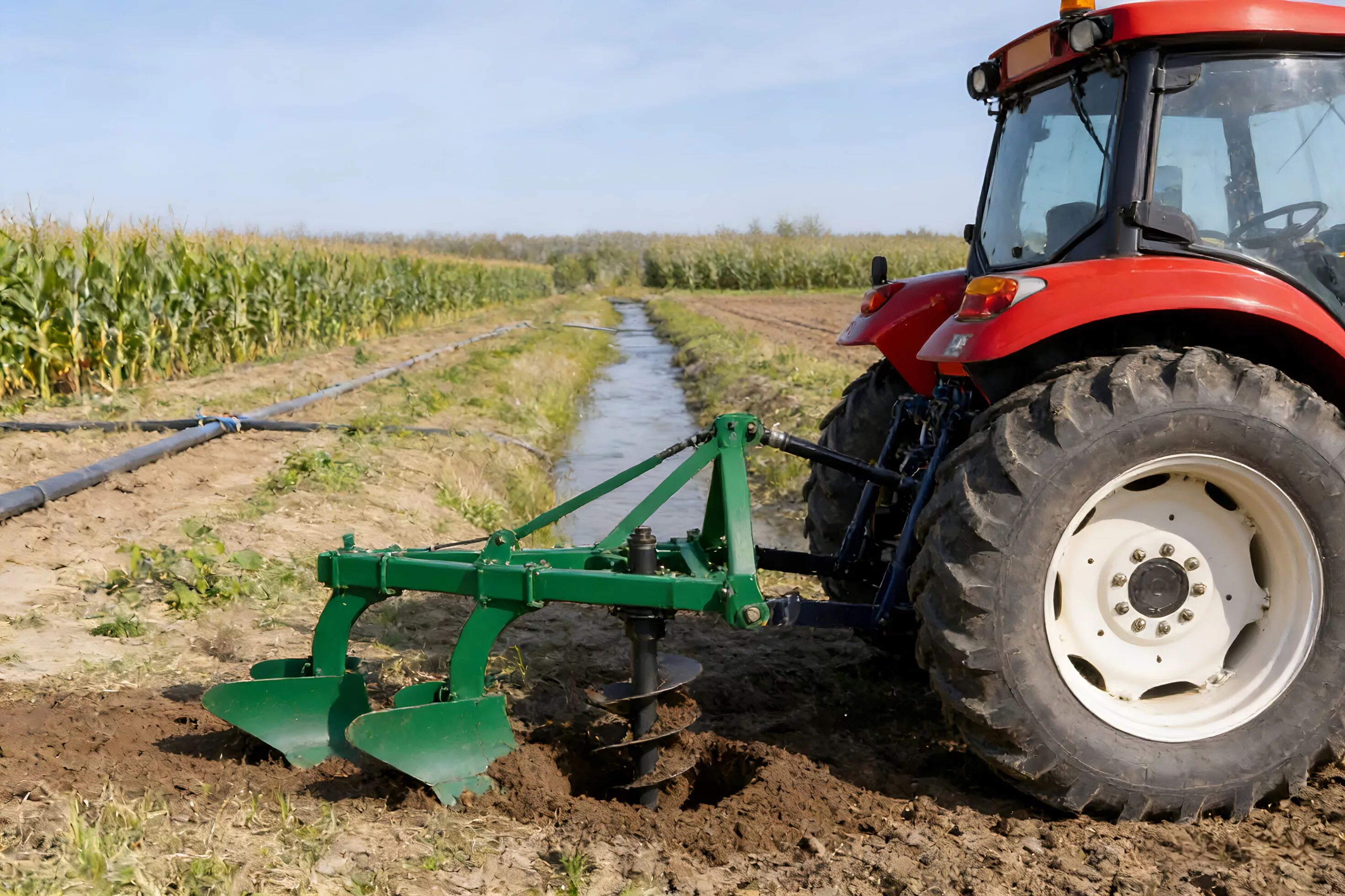
Driveline Diagnostic & Troubleshooting
Rapidly identify abnormal noises and vibration sources to minimize costly paddock downtime.
Symptom: Violent Vibration or “Knocking” Noise under load
Remedy: Safely support the shaft and check for lateral movement in the yokes. If play exists, replace the complete cross bearing kit. Adjust the tractor’s 3-point linkage top link to flatten the operating angle. If tubes are bent, the entire assembly must be replaced.
Symptom: Telescopic Tubes Seized or Extremely Stiff
Remedy: Separate the halves (if possible using a winch). Clean thoroughly with diesel to remove contaminated grease. Inspect the profile straightness using a straight-edge. If twisted, replace. If just galled, polish with emery cloth and repack with heavy-duty EP2 grease.
Symptom: Friction Clutch Smoking or Smelling Burnt
Remedy: For a rusted clutch, loosen the tension bolts completely, engage the PTO briefly to break the rust seal (“burnish” the clutch), then re-tighten the springs to the exact compression height specified in the manual. If the lining thickness is below 2.5mm, replace the discs.
Symptom: Shear Bolts Snapping Prematurely on Startup
Remedy: Always engage the tractor PTO at engine idle speed before throttling up. Only use OEM-specified metric or imperial shear bolts with the correct shank length and tensile strength.
Synergistic Power Conversion: The Agricultural Gearbox
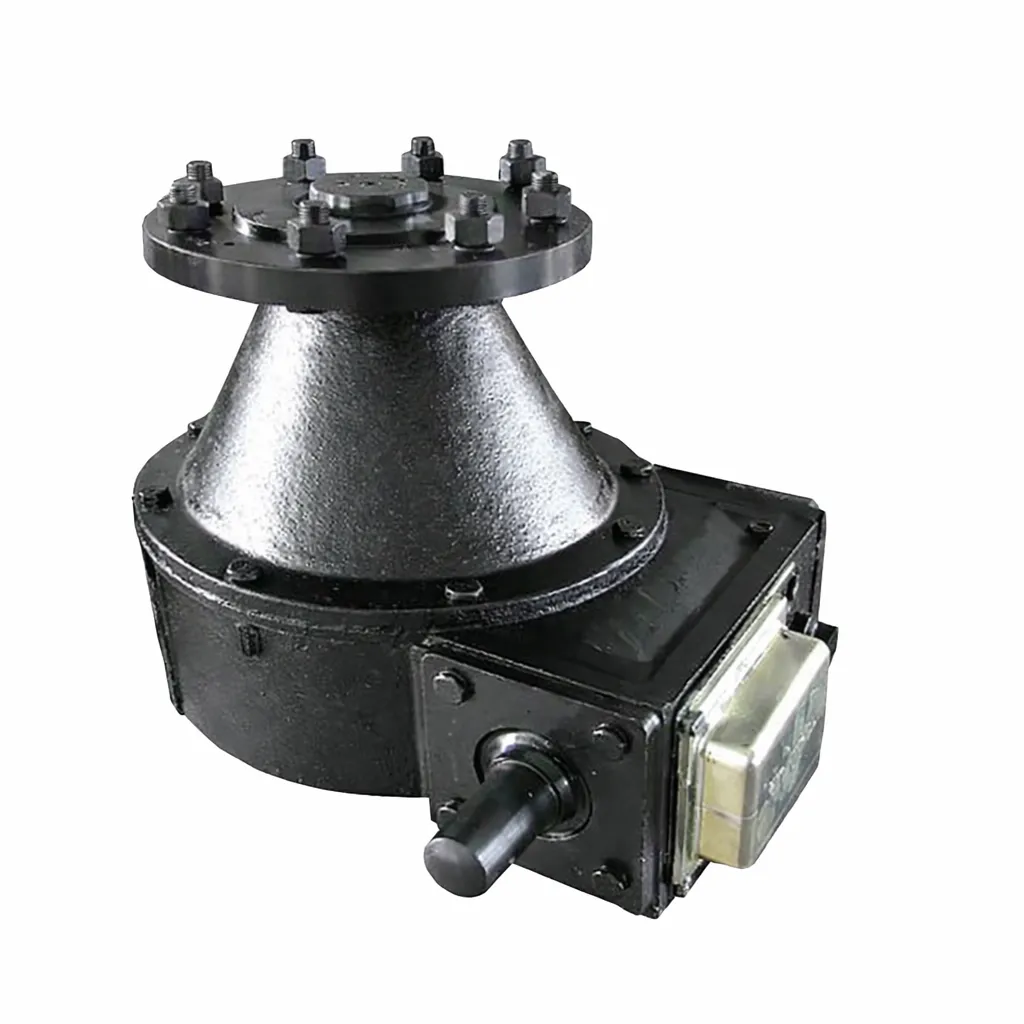
While the pto drive shaft is the vital artery of power transmission, the “brain” that modulates, redirects, and multiplies this kinetic energy is the Agricultural Gearbox. Our engineering expertise extends deeply into advanced gear reduction and multiplication systems.
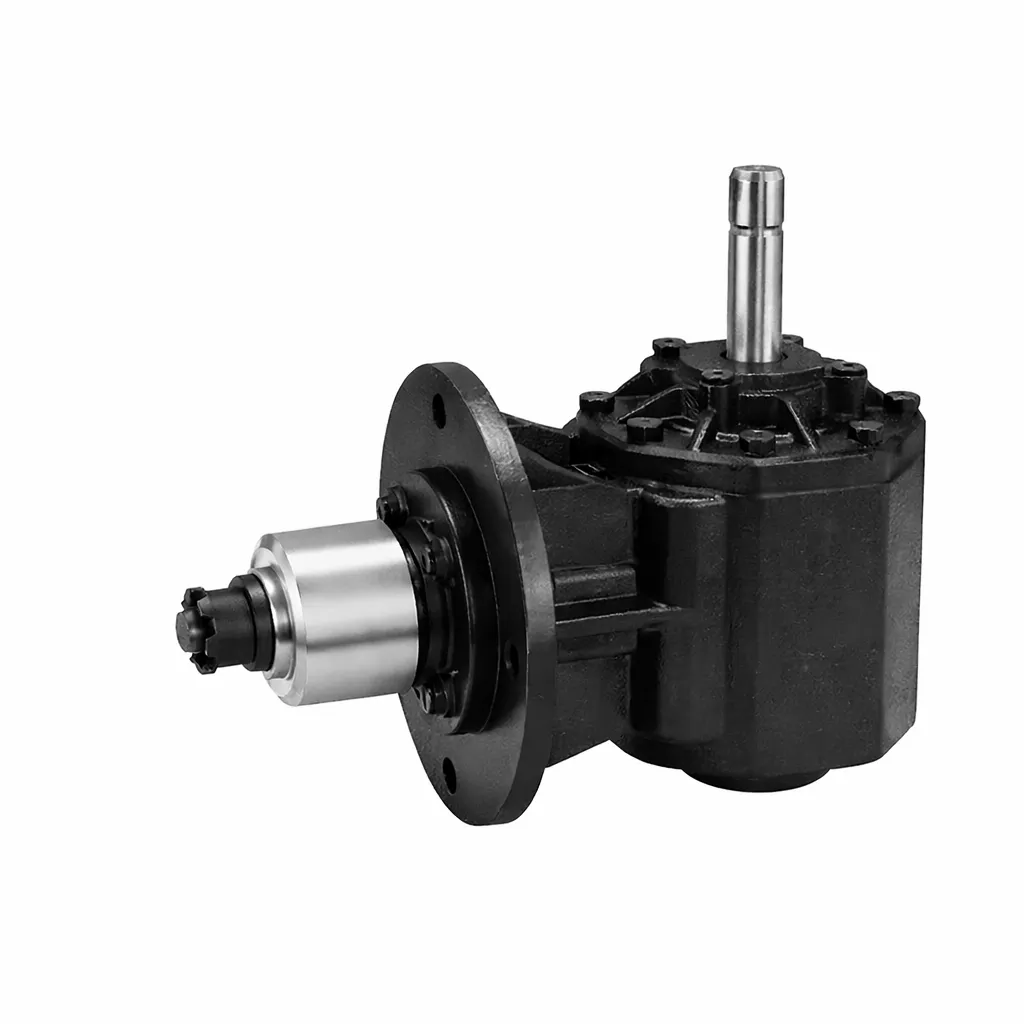

Forging the Center of Torque Multiplication
In advanced vegetable seeding complexes, simultaneous multi-speed functionality is an absolute prerequisite. The tractor inputs power at a constant 540 RPM. However, the seeder’s pneumatic vacuum fan requires rotational speeds exceeding 3000 RPM to generate sufficient negative pressure. Simultaneously, the seed metering discs require radical gear reduction to rotate at mere fractions of an RPM to ensure pinpoint seed drop accuracy. This complex mechanical dichotomy is resolved by EVER-POWER’s specialized Bevel Gearboxes and Speed Increasers.
From a metallurgical standpoint, the greatest enemies of a gearbox in the harsh Australian outback are thermal expansion, gear tooth pitting, and catastrophic gear fracture due to shock loads. We recognize that in rural NSW or WA, a farm might be hundreds of kilometers away from the nearest repair depot. Therefore, transmission reliability is not just a feature; it dictates the survival of the crop cycle.
Advanced Metallurgy & CNC Machining
Our gearboxes employ aerospace-tier traceability and manufacturing methodologies:
- Ductile Iron Housings (QT450-10): Superior tensile strength and shock-absorption compared to brittle grey cast iron. Bored in a single setup on multi-axis CNC centers to ensure micron-level concentricity for bearing races.
- Carburized Spiral Bevel Gears: Forged from 20CrMnTi alloy steel, these gears undergo multi-atmosphere carburizing. The result is a glass-hard surface (HRC 58-62) to resist wear, enveloping a tough, ductile core (HRC 30-40) that flexes rather than shatters under impact.
- Thermal Dynamics & Sealing: Equipped with oversized tapered roller bearings and premium double-lip FKM oil seals, engineered to run continuously in ambient temperatures exceeding 45°C without leaking synthetic gear oil.
Integral Driveline Accessories & Spares
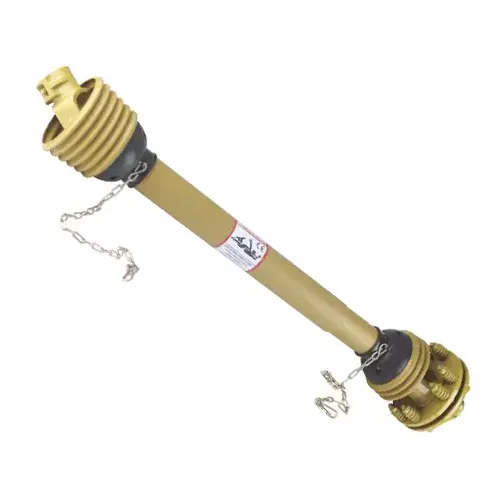
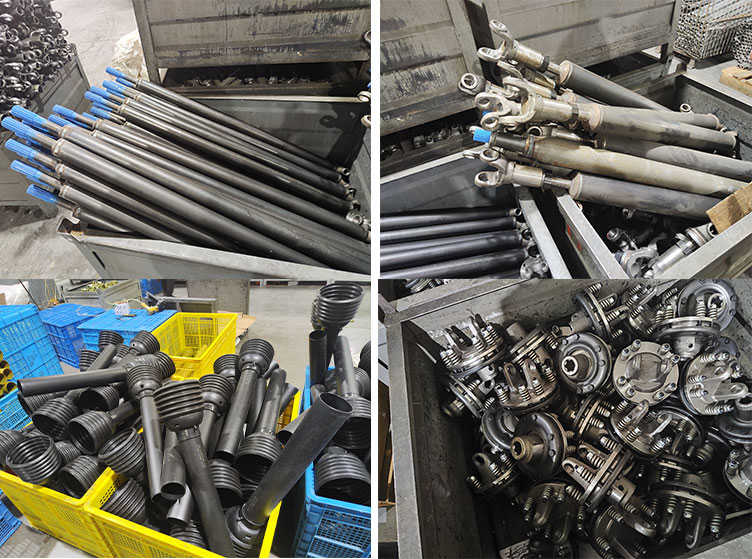
Forged Splined Yokes
Push-pin or sliding collar quick-disconnect designs. Available in 1-3/8″ 6-spline, 21-spline, and 1-3/4″ 20-spline configurations. Drop-forged for immense torsional strength.
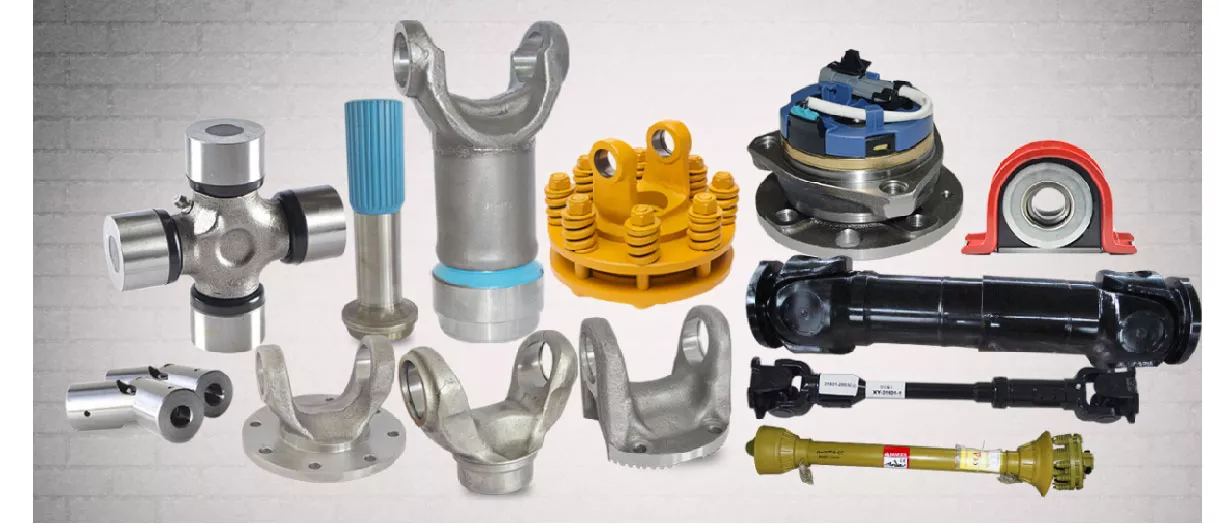
Cross Journals (U-Joints)
Featuring side-lubrication grease zerks for effortless maintenance in tight machinery guards. Upgraded with reinforced thrust washers for heavy articulation.
Sprockets, Gears & Chains
The final power distributors. We manufacture precision hobbed roller chain sprockets, bevel gears, and robust chain links treated with black-oxide anti-corrosion finishes.
Friction Slip Clutches
2-plate and 4-plate overload protection devices using asbestos-free, high-coefficient friction linings. Precision adjustable to your seeder’s exact torque limits.
Expert Answers to the 10 Most Critical Field Questions
1. Should I use Lemon or Star profile tubing for a pneumatic seeder?
For standard seeders, precision-drawn Lemon tubing provides excellent sliding characteristics and low-frequency vibration damping. For exceptionally high-torque multi-bed setups, Star (hexagonal) tubing offers higher torque transmission capability.
2. How do I know when to replace the friction clutch linings?
Measure the disc thickness. New discs are typically 3mm to 3.2mm thick. Once they wear down below 2mm, or if you can see the internal metallic rivets/mesh, they must be replaced immediately to prevent metal-on-metal scoring.
3. Are your safety guards legally compliant for Australian farm inspections?
Absolutely. Our guarding systems meet CE and Australian Standard AS 1121.4-2007. We can provide the necessary certification documentation to ensure you pass any WorkSafe random field audit.
4. What does G16 Dynamic Balancing mean, and why does it matter?
G16 is an ISO standard defining strict limits on the centrifugal vibration a shaft can produce at high speeds. Seeders have incredibly sensitive metering discs; poor balancing induces harmonic vibrations that shake seeds off the vacuum plates, destroying your crop spacing.
5. How do I maintain the shaft in dusty outback conditions?
In severe dust, reduce the 50-hour greasing interval to daily. Always wipe the grease zerk clean before attaching the gun. Pump new grease until the old, dirty grease purges out from the bearing seals, flushing out the abrasive grit.
6. Can your drivelines directly replace Walterscheid or Bondioli units?
Yes. We engineer our yokes, cross journals, and spline interfaces to match global ISO dimensions, allowing seamless 1-to-1 physical replacement (EVER-POWER is an independent manufacturer; OEM names are used for reference).
7. When do I need a Wide Angle (CV) joint?
Standard U-joints cause speed fluctuations (chatter) when operating past 25 degrees. A CV joint utilizes a double-cross mechanism allowing up to 80-degree angles, letting you perform tight headland turns without disengaging the tractor’s PTO.
8. Can you custom manufacture special connection flanges?
Yes, our extensive CNC machining capabilities allow us to produce non-standard bore sizes, specific keyways, Hirth serrated faces, or custom bolt-circle flanges based on your exact mechanical drawings or samples.
9. If my plastic safety guard cracks, can I buy just the shield?
Absolutely. Never repair a cracked guard with duct tape—it is a massive safety hazard. We supply complete replacement shield kits with fresh bearing rings that can be retrofitted onto your existing shaft in minutes.
10. What is the correct way to attach the safety chains?
Attach them to a static, non-rotating point on the tractor and the implement at a 90-degree angle to the shaft if possible. Leave just enough slack to accommodate turning lengths, but not enough that the chain can wrap around the U-joint itself.
Beyond the Standard: Your Global Transmission Engineering Hub
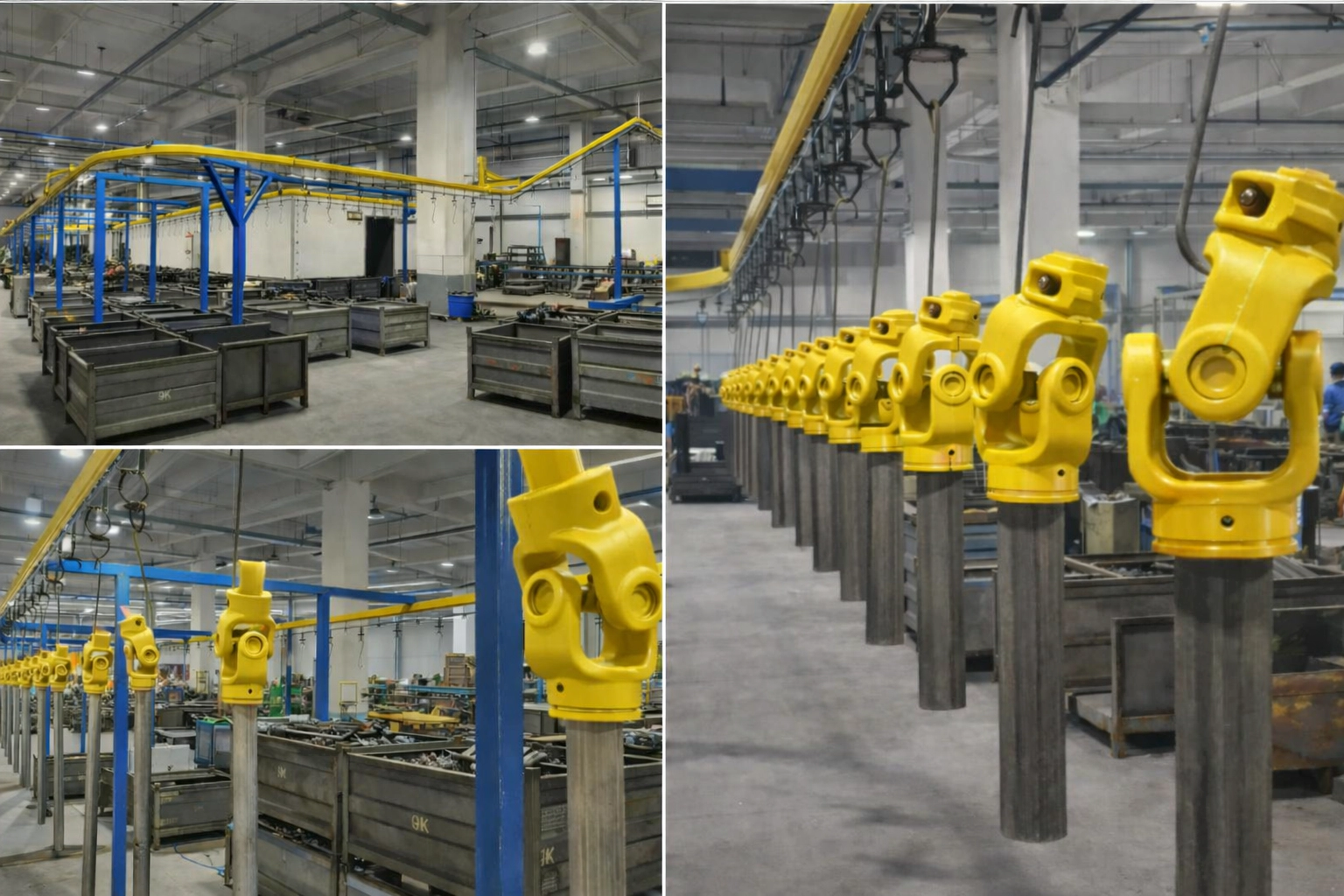
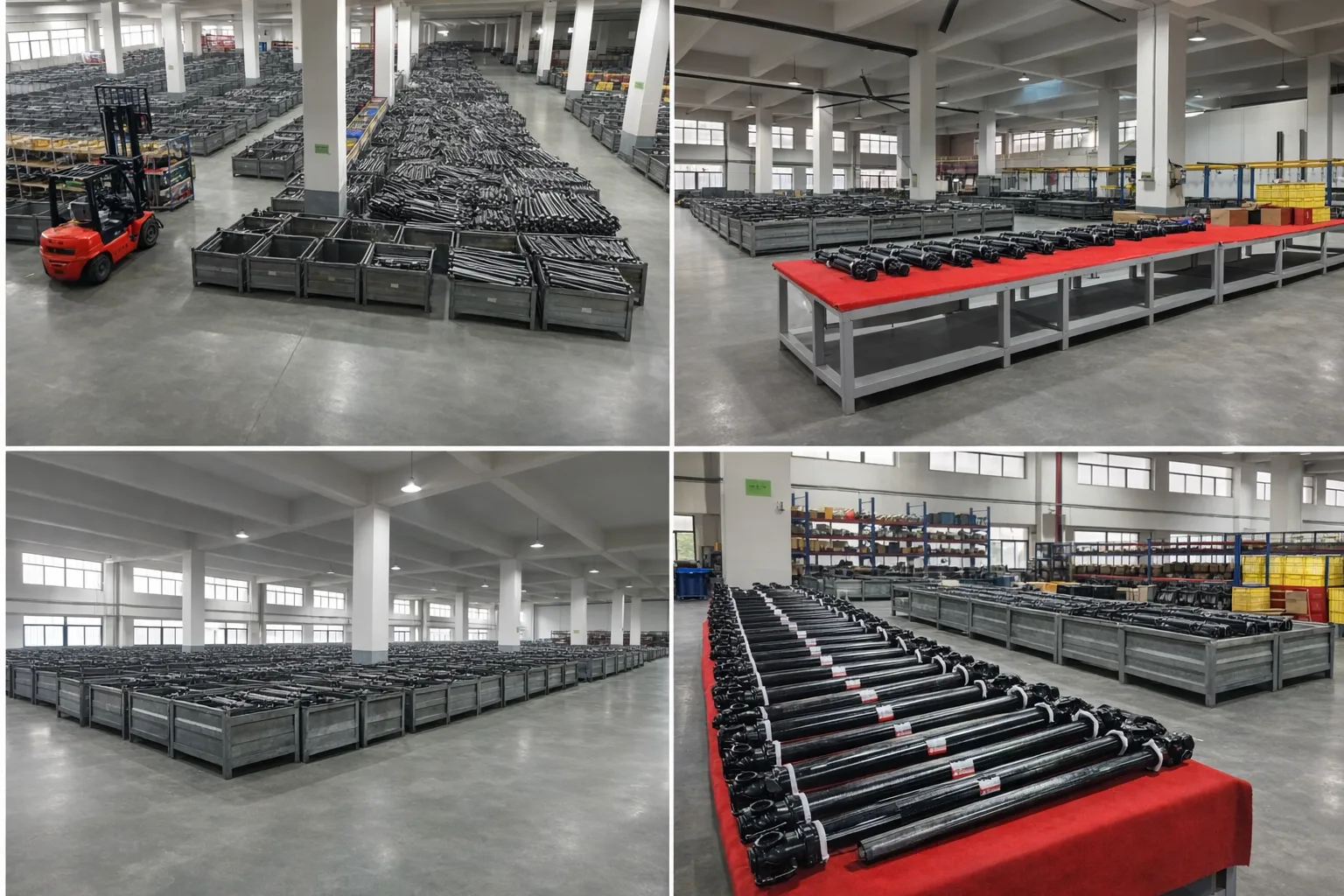
EVER-POWER transcends standard manufacturing. Operating out of a massive 50,000 square meter heavy-duty machining complex equipped with 5-axis CNC centers and Coordinate Measuring Machines (CMM), we control the entire lifecycle of our drivelines—from raw billet forging to dynamic fatigue testing. We are not just supplying standard parts; we engineer solutions for the harshest agricultural climates on Earth. Whether you require a specialized prototype for a boutique orchard tractor or a mass-volume OEM production run, we offer unparalleled “Draw-to-Manufacture” customization capabilities.
Send your blueprint specifications directly to: [email protected]

























